Can Bearded Dragons Eat Apples? A Guide to Skin, Seeds, and Serving Sizes
Published on: December 17, 2025 | Last Updated: December 17, 2025
Written By: Beardie Joe
That crisp apple in your hand might look like a perfect snack, but is it safe to share a bite with your bearded dragon?
I’ve raised multiple beardies over the years, and I’ll help you navigate this common feeding question with clear, safe advice.
We’ll explore if apples are safe, how to handle the skin and seeds, and the exact serving size for a healthy treat.
Are Apples Safe for Your Bearded Dragon?
Quick Safety Overview
Yes, bearded dragons can eat apples, but this comes with a few non-negotiable rules. I always treat apples as a special dessert in my own dragon’s diet, not a daily vegetable. The core danger lies in the seeds and the high sugar content, which is why preparation is everything. When prepared correctly, a small piece of apple is a safe and enjoyable treat. This is part of a complete safe feeding guide on which fruits bearded dragons can safely eat, including portions and prep. It also covers balancing fruit with greens for a healthy diet.
Benefits vs. Risks at a Glance
| Benefits | Risks |
|---|---|
| Provides a fun variety to their diet | High sugar can lead to obesity and tooth decay |
| Offers a good source of hydration | Apple seeds contain trace amounts of cyanide |
| Contains beneficial vitamin C and fiber | Overconsumption can cause digestive upset or diarrhea |
Nutritional Benefits of Apples in a Bearded Dragon Diet
Key Vitamins and Minerals
Apples pack a small but useful nutritional punch for our scaly friends. I see it as a little boost to their overall health when given sparingly. The main players you’re offering are:
- Vitamin C: This is a powerful antioxidant that supports a healthy immune system.
- Vitamin A: Crucial for good vision, skin health, and proper growth.
- Potassium: An electrolyte that helps with nerve function and muscle health.
- Fiber: Absolutely vital for keeping their digestive system moving smoothly.
While apples aren’t a nutritional powerhouse like their staple greens, they contribute valuable micronutrients to a varied diet.
Hydration and Fiber Support
This is where apples can be a real helper, especially if your dragon is a bit stubborn about drinking water. Apples are about 85% water, so that juicy crunch is basically a hydrating snack. That high water content can be a gentle way to supplement their hydration, which I’ve found useful during warmer months.
The fiber is the other hero here. Bearded dragons can sometimes get a little backed up, and the fiber in apples acts like a broom for their gut. It helps push food through their digestive tract, preventing impaction. Just remember, too much of this good thing can swing the other way and cause runny stools, so moderation is the golden rule.
Understanding the Risks: Skin, Seeds, and Digestive Concerns

I love sharing little treats with my dragons, but I always pause and think about safety first. Apples are no different. While the fleshy part of the apple is a fine occasional snack, other parts of the fruit pose real risks to your bearded dragon’s health. It’s our job as pet parents to know what those are. A complete guide to safe foods for bearded dragons is a great place to start. It breaks down which fruits, vegetables, and proteins are safe and how often to offer them.
The Danger of Apple Seeds
This is the most critical rule. You must never, ever feed your bearded dragon apple seeds.
- Apple seeds contain a substance called amygdalin.
- When chewed or digested, amygdalin releases cyanide.
- While a few seeds might not harm a large human, they are dangerously potent for a small reptile.
Accidental ingestion of a seed or two is unlikely to cause a crisis, but it’s a risk we can and should completely eliminate. I’m always hyper-vigilant about checking every single piece I prepare.
Is Apple Skin Safe to Feed?
This one is a bit of a judgment call, and I tend to play it safe. The skin of an apple is tough, fibrous, and difficult for a bearded dragon to digest.
- The primary concern is the potential for pesticide residue, even on washed fruit.
- The tough cellulose in the skin can be a choking hazard or lead to impaction, a serious gut blockage.
- Some dragons might handle a thin sliver of well-washed skin, but many will not.
After a few scary moments with other tough-skinned fruits, I now make it a standard practice to peel the apple for my crew. It’s a simple step that gives me immense peace of mind. This ties into the toxic foods to avoid section of a bearded dragon eating guide. If unsure, skip it and stick to known safe options.
Choking and Digestive Hazards
Bearded dragons don’t chew their food thoroughly. They are prone to gulping, which makes proper preparation non-negotiable.
- Large chunks of apple can easily become lodged in their throat.
- Their digestive systems are not designed to handle large amounts of sugary fruit, which can lead to diarrhea and stomach upset.
- The high water content, while hydrating, can also cause loose stools if they eat too much.
The key to avoiding these issues is all in the serving size and the chop. A tiny, manageable piece is a treat; a big chunk is a hazard. Regarding pineapple: never feed the leaves to bearded dragons. For more information on this, check out these pineapple leaves safety tips. If you offer pineapple at all, stick to the fleshy fruit in very small amounts and avoid the leaves.
Step-by-Step Apple Preparation for Bearded Dragons
Getting an apple ready for your dragon is simple and quick. Following these steps ensures the treat is both enjoyable and safe, turning a potential risk into a happy moment. This is the exact routine I use for my own pets.
How to Wash and Peel Apples
Start with a fresh, firm apple. I like to use organic when possible, but a thorough wash is essential either way.
- Rinse the whole apple under cool, running water.
- Gently scrub the surface with a clean produce brush or your fingers to remove any dirt or wax.
- Using a standard vegetable peeler, remove all of the skin. I find this easier and safer than using a knife.
Peeling might remove a little fiber, but it also removes the primary source of pesticides and the hard-to-digest skin. It’s a trade-off that’s well worth it for their safety.
Removing Seeds and the Core
This is your zero-tolerance step. Do not take shortcuts here.
- After peeling, place the apple on a stable cutting board.
- Use a sharp knife to cut the apple into quarters, slicing right through the core.
- Lay each quarter flat and carefully cut out the entire seed-filled core section and any tough white membrane around it.
I always do a final visual check of every piece to confirm it’s completely free of seeds and core fragments. A moment of extra caution prevents a world of worry.
Chopping into Safe, Bite-Sized Pieces
Now for the final step, making it easy and safe to eat. Remember, the piece should be smaller than the space between your dragon’s eyes.
- Take your cored apple quarters and slice them into thin, manageable strips.
- Then, chop those strips into tiny, confetti-sized cubes.
- For a young dragon or a smaller adult, you may even want to gently mash a piece with a fork.
Properly chopped apple mixes well with their regular salad greens, making for a exciting and texturally diverse meal. Watching them hunt for those sweet little apple cubes is one of my favorite things.
Serving Sizes and Feeding Frequency by Age
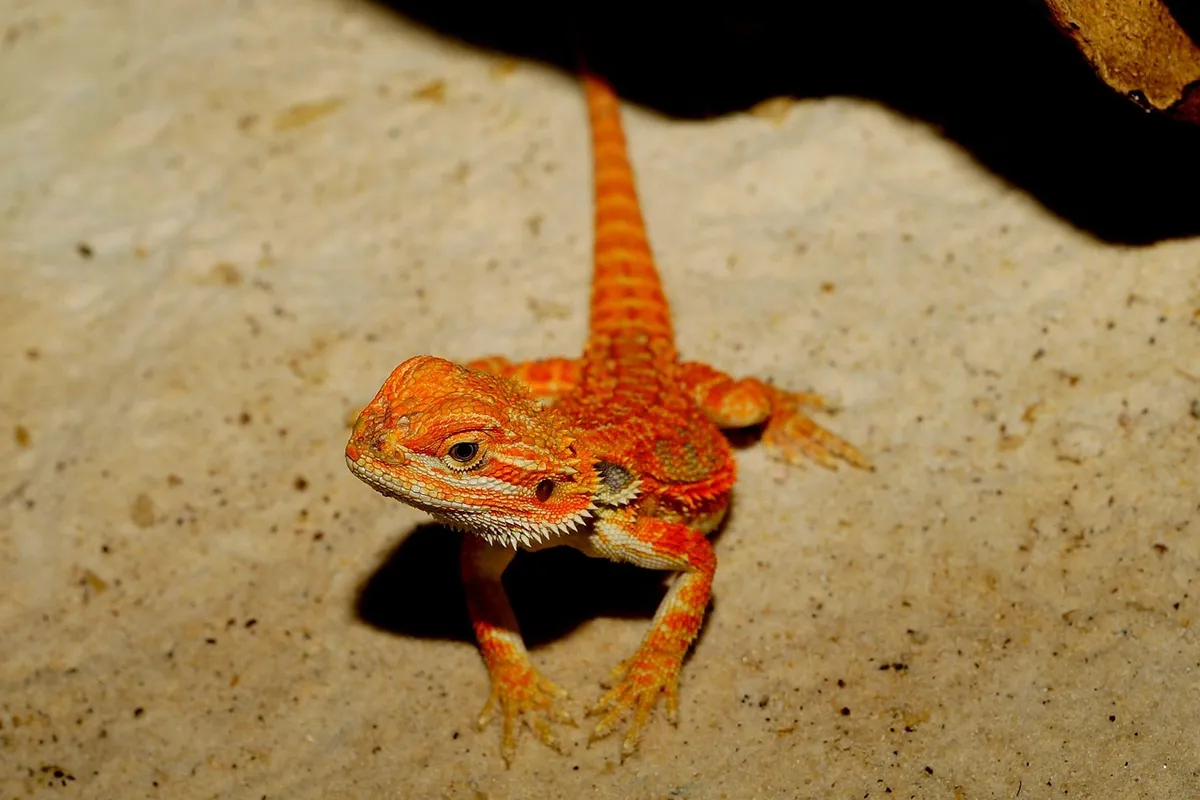
Getting the portion size right is one of the most common challenges for new beardie owners. I’ve learned through trial and error with my own dragons that their tiny stomachs can’t handle large amounts of fruit. Think of apple as a special sprinkle on top of their main meal, not the meal itself.
Juvenile Bearded Dragon Guidelines
Baby and juvenile bearded dragons are growing machines, and their primary focus needs to be on protein. Their little bodies are not built to process high amounts of sugar.
- Offer a tiny piece of peeled, deseeded apple no more than once every two weeks.
- A single piece should be no larger than the space between their eyes.
- This is equivalent to about one-quarter of a teaspoon of finely chopped apple.
- Always mix it thoroughly into their regular salad of leafy greens.
From my experience, juveniles often get more excited about the movement of live prey. I use a tiny bit of apple as a rare “flavor booster” to encourage them to eat their greens.
Adult Bearded Dragon Guidelines
Adult bearded dragons have a more varied diet that can include a slightly higher proportion of fruits and vegetables. Their slower metabolism still means keeping treats infrequent. For practical guidance, consult an ultimate safe food list of fruits and vegetables bearded dragons can eat. This helps ensure you offer a safe, varied mix while avoiding unsafe options.
- You can offer apple a little more often, about once a week.
- The serving size can be slightly larger, but should not exceed the size of their eye.
- This typically looks like one to two small, thin slices or about half a teaspoon of chopped apple.
- Never let apple pieces make up more than 10% of their total vegetable and fruit offering for that day.
I watch my adult dragon, Smaug, closely on his “apple days.” Sticking to this weekly limit has kept him energetic and prevented any digestive sluggishness.
What to Do If Your Bearded Dragon Eats Too Much Apple
We’ve all been there-a piece of food drops, and before you know it, your curious dragon has scarfed down a chunk that’s too big. Don’t panic. Accidents happen, but a quick response is key.
Recognizing Signs of Distress
Your bearded dragon can’t tell you it has a stomachache, so you need to watch its behavior and body language.
- Lethargy: An unusual lack of movement or energy, often staying in one spot for hours.
- Bloating: A visibly swollen or tight-looking belly.
- Loss of Appetite: Refusing their next meal, especially their favorite live insects.
- Diarrhea or Unusual Stool: Runny, overly smelly, or discolored droppings.
- Gaping: Sitting with their mouth open for extended periods, which can signal digestive discomfort.
Trust your gut; you know your pet’s normal behavior better than anyone. Any significant change after a rich meal is a clue.
Immediate Care Steps
If you suspect your beardie has overindulged, a few simple steps can help get their system back on track.
- Remove all food, especially other fruits and vegetables, for 24 hours. This gives their digestive system a chance to rest and process the sugar.
- Ensure they have access to fresh, clean water to help flush their system. A gentle, warm bath can also encourage hydration and potentially a bowel movement.
- Keep their basking spot at the correct, warm temperature (around 95-110°F). Proper heat is crucial for digestion.
- After the 24-hour rest period, offer a simple meal of their most easily digestible greens, like dandelion greens or collard greens.
If symptoms like lethargy or bloating persist for more than a day, or if your dragon appears to be in pain, contact your reptile veterinarian immediately. It’s always better to be safe and get professional advice.
Alternative Fruits for a Varied Diet

While apples can be a fun, crunchy treat, relying on just one type of fruit is like eating the same cereal every single day. Variety is the spice of life, and it’s absolutely crucial for providing a full spectrum of vitamins and minerals to your scaly friend. From my own experience, I love watching my dragons get excited over different colors and textures; it keeps mealtime interesting and enriching for them.
Top Fruit Alternatives
Here are some of my go-to, beardie-approved fruits that I rotate into their diet. Remember, these are all treats and should be given in tiny amounts, no more than once or twice a week.
- Blueberries: These are a powerhouse of antioxidants. I usually mash one or two with a fork to make them easier to eat.
- Papaya: My dragons go crazy for the soft texture and sweet smell. It’s also fantastic for digestion.
- Mango: A tropical delight packed with Vitamin A, which is great for their skin and eyes. I always peel it and cut it into tiny, bite-sized cubes.
- Strawberries: A hydrating and delicious option. I remove the leafy tops and slice them thinly.
- Seedless Watermelon: Perfect for a hot day as a hydrating snack. Just offer the red flesh, not the rind.
You’ll notice a pattern here: soft, easy-to-digest fruits are often a hit. Always wash all fruits thoroughly to remove any pesticide residue before offering them to your pet. I make it a habit to do this, even for organic produce, because their small bodies are so sensitive.
Be mindful of fruits with very high sugar content, like grapes and bananas. I offer these only as a very rare “special occasion” treat because excessive sugar can lead to obesity and other health issues in bearded dragons. It’s all about balance and thinking of their long-term wellbeing. If you’re looking for a bearded dragon grapes guide, it covers safe grape types, how to prepare them, and serving guidelines. This helps ensure that grape snacks stay a safe, occasional treat.
Frequently Asked Questions
Can bearded dragons eat applesauce?
It is not recommended to feed bearded dragons applesauce, as store-bought versions often contain added sugars and lack the beneficial fiber of fresh apples. If you choose to offer it, use only a tiny amount of unsweetened, homemade applesauce very rarely as a treat. If you’re considering Tomatoes for Bearded Dragons, bearded dragons can eat ripe tomato flesh in moderation as part of a safe feeding plan. Be sure to remove seeds and skin to reduce acidity and choking risk.
Are green apples safe for bearded dragons?
Yes, green apples are safe for bearded dragons when prepared properly—peeled, deseeded, and chopped into small pieces. They have a similar nutritional profile to red apples and should be fed in moderation due to their high sugar content. Bearded dragons can also eat dragon fruit in small amounts as an occasional treat. As with other fruits, offer dragon fruit sparingly due to its natural sugars.
Do bearded dragons like apples?
Many bearded dragons enjoy the sweet taste and crunchy texture of apples as an occasional treat, but individual preferences can vary. Always introduce new foods slowly and observe your pet’s response to ensure they tolerate it well. These tips form part of a complete feeding guide for bearded dragons, whether you’re caring for a pet or considering what wild bearded dragons eat in nature. They emphasize balancing fruit with greens and protein as you plan a responsible, species-appropriate diet.
Final Thoughts
So, can bearded dragons eat apples? The short answer is yes, but only as a carefully prepared, occasional treat. Always remember to peel the skin and remove all seeds to make this fruit a safe snack. I always slice a small piece for my own dragons, and their excited head-bobs make the extra prep work worthwhile. If you’re curious about other options, check out our list of safe and unsafe fruits for bearded dragons.
Ultimately, apples should never replace their main diet of leafy greens and live insects. Think of that sweet, crunchy piece of apple as a special dessert, not a meal. Offering it this way ensures your scaly friend gets a fun variety without any of the risks.
Further Reading & Sources
- Can Bearded Dragons Eat Apples? Get to the Core of the Matter – Dragon’s Diet
- Can Bearded Dragons Eat Apples? Expert Answers & Advice
- r/BeardedDragons on Reddit: dragon only eats apple
Bearded Dragon Lair is the ultimate resource for bearded dragon enthusiasts, offering expert advice and practical tips to ensure the health and happiness of your scaly companion. With years of experience in reptile care, we are dedicated to providing accurate, up-to-date information to support your bearded dragon journey.
Feeding Guidelines