Can Bearded Dragons Eat Bell Peppers? A Complete Guide to Colors, Safety, and Frequency
Published on: December 15, 2025 | Last Updated: December 15, 2025
Written By: Beardie Joe
You’re eyeing that colorful bell pepper and wondering if it’s a safe, tasty treat for your scaly friend-I’ve been there with my own dragons.
After years of caring for my bearded dragon crew, I’ve learned the ins and outs of their diet and I’m here to share that knowledge to help you feed them confidently and safely.
We’ll cover which bell pepper colors are best, how to serve them without risk, and the ideal feeding schedule to keep your pet thriving.
Are Bell Peppers a Safe Choice for Your Bearded Dragon?
Yes, you can absolutely share bell peppers with your bearded dragon. I regularly offer them to my own dragons as a colorful treat. Think of bell peppers as a fantastic supplemental food, not a daily staple like their greens. They add valuable nutrients and variety to their diet, which keeps mealtime interesting and nutritious. For broader variety, there are bearded dragon feeding guides that cover beets, beetroot greens, and leaves, and how these fit into a balanced diet. These guides typically recommend offering beets sparingly and alongside their other greens.
Nutritional Benefits of Bell Peppers
Bell peppers are a powerhouse of good stuff for your scaly friend. They are packed with Vitamin A, which is vital for healthy vision, skin, and cell growth. They’re also an excellent source of Vitamin C, which supports a robust immune system. Perhaps the best feature is their high water content, which provides a fantastic hydration boost, especially on warm days. I often notice my dragons are more eager to eat their salads when a few juicy pepper pieces are mixed in.
Understanding the Potential Risks
The main thing to watch for is moderation. Bell peppers contain oxalates, which can bind to calcium and prevent its absorption if fed in huge quantities over time. By offering bell peppers as an occasional part of a varied diet, you effectively manage the oxalate risk. There’s also a lot of pre-formed Vitamin A in bell peppers. While beneficial, too much can lead to hypervitaminosis A. This is easily avoided by not overdoing it with peppers or other high-Vitamin A foods.
A Colorful Guide: Comparing Bell Pepper Varieties
All the common bell pepper colors are safe for your dragon to eat. The different hues-green, yellow, orange, and red-simply represent different stages of ripeness. This ripening process creates slight but meaningful changes in their nutritional makeup. I love rotating through the colors to give my pets a range of flavors and benefits.
Red Bell Peppers: The Sweetest Choice
Red bell peppers are the fully ripened version and are typically the sweetest. They have the highest levels of Vitamin A and Vitamin C compared to their less-mature counterparts. This makes red peppers a top-tier choice for a nutrient-dense treat that most bearded dragons find irresistible. If you have a picky eater, starting with a red pepper might be the trick to winning them over. In fact, it’s often listed among favorite foods for bearded dragons.
Green, Yellow, and Orange Peppers: Nutritious Alternatives
Don’t overlook the other colors! Green peppers are harvested earlier, so they are less sweet and have a slightly different nutrient profile, including more vitamin K. Yellow and orange peppers fall in the middle, offering a sweeter taste than greens and a great mix of vitamins. Feeding a mix of colors ensures your dragon gets a broader spectrum of vitamins and antioxidants. Variety is the spice of life, even for our reptile companions.
What About Hot Peppers?
This is a critical point: all spicy peppers are strictly off the menu. This includes jalapeños, habaneros, and any other chili pepper. The compound that creates the heat, capsaicin, is irritating and potentially harmful to a reptile’s sensitive digestive system. It can cause stomach upset and discomfort. Stick with the mild, sweet bell peppers. They provide all the color and crunch without any of the risk.
How to Prepare and Serve Bell Peppers

Getting bell peppers ready for your bearded dragon is straightforward, but doing it right makes all the difference for their health and enjoyment. I always take a few extra minutes to prep their veggies properly because I’ve seen how it prevents digestive issues and keeps them excited to eat. Similarly, broccoli leaves and stalks are popular greens for bearded dragons, and keepers often debate whether to feed them raw vs cooked broccoli leaves. Some owners feed broccoli raw for crunch and nutrients, while others lightly steam the stalks to help with digestion.
Washing and Choosing the Best Peppers
Selecting a fresh pepper is your first step toward a safe and nutritious treat. Look for peppers that feel firm, have smooth, vibrant skin without soft spots or wrinkles, and smell slightly sweet-this tells you they’re at their peak. I personally avoid any that look dull or have blemishes, as they might be past their prime. Always wash them thoroughly under cool running water, using a soft brush to scrub the surface. This removes pesticide residues and dirt that could harm your dragon, something I’m vigilant about after a scare with one of my rescues.
Simple Steps for Safe Preparation
Follow these easy steps to make bell peppers safe and easy for your dragon to eat:
- Wash the pepper under running water, scrubbing gently with a vegetable brush.
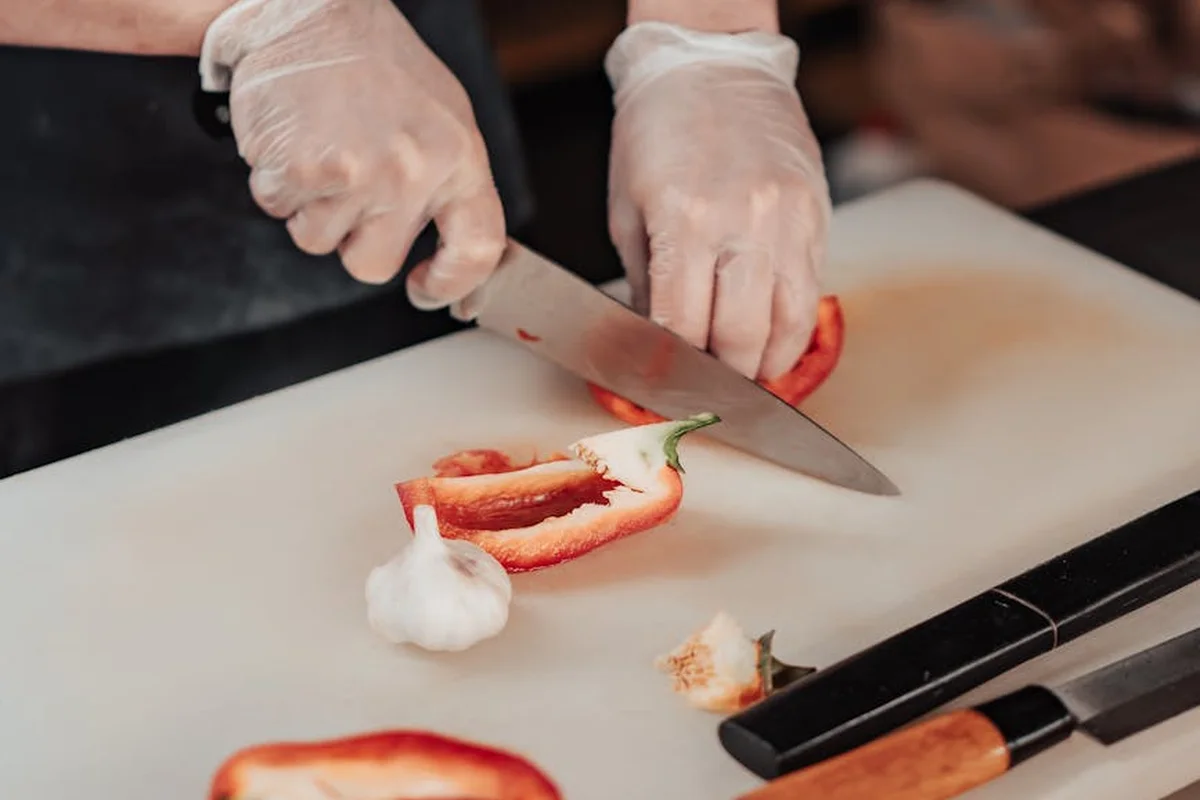
- Slice it in half and remove the stem, seeds, and white inner membrane-these parts are hard to digest and can pose a choking risk.
- Chop the flesh into small, bite-sized pieces. For juveniles, aim for pieces no larger than the space between their eyes; for adults, you can go slightly bigger but keep them manageable.
Cutting the pieces to the right size helps prevent impaction and makes mealtime stress-free. I’ve found that a sharp knife and a clean cutting board make this quick and safe.
Creative Serving Ideas for Picky Eaters
If your dragon turns up their nose at new foods, try these tricks to make bell peppers more appealing. Mixing finely chopped peppers into their staple greens, like collard greens or dandelion greens, often encourages them to try it. Another route for stubborn eaters is to use bearded dragon pellets as a reliable base. Pellets can be a practical solution for picky eaters and mix well with veggies like peppers to boost variety. Here are a few ideas that have worked for my picky eaters:
- Combine bell pepper pieces with their favorite veggies, such as shredded squash or a bit of carrot.
- Create a colorful “salad confetti” by dicing peppers small and sprinkling them over their regular meal.
- Offer peppers alongside live insects like dubia roaches-the movement can distract them and make the peppers more interesting.
Patience and variety are key; I’ve had dragons who started ignoring peppers but came around after a few mixed servings.
Feeding Frequency and Portion Control
Bell peppers are a fun addition to your dragon’s diet, but they shouldn’t be the main event. Overfeeding any single veggie can lead to nutritional imbalances, so I stick to a mindful schedule to keep my dragons thriving. For a balanced approach, I follow the ultimate safe food list of fruits and vegetables bearded dragons can eat. I rotate safe options like leafy greens and berries to keep meals varied and nutritious.
Recommended Serving Sizes by Dragon Age
Tailor the amount based on your dragon’s life stage to support their growth and health. For juveniles, offer just a few small pieces (about 1-2 teaspoon-sized bits) once or twice a week, as their diet should focus more on protein-rich insects. Adults can handle a bit more-aim for pieces that make up roughly 10-15% of their vegetable salad, served a couple of times weekly. I always watch how my dragons react; if they leave peppers uneaten, I scale back to avoid waste and ensure they’re eating a balanced mix. This fits into a larger feeding schedule that balances different food types appropriately.
Creating a Balanced Feeding Schedule
Incorporate bell peppers into a weekly rotation to add variety without overwhelming their system. Think of peppers as a supplemental treat, not a daily staple, to provide vitamins and color without displacing essential greens. Here’s a simple way to fit them in:
- Offer bell peppers 1-2 times per week, alternating with other safe veggies like bok choy or snap peas.
- Balance it with daily staples like mustard greens and weekly protein feeds for adults, or daily insects for juveniles.
- Monitor their droppings and behavior; if anything seems off, adjust the frequency-I’ve learned that every dragon has unique preferences.
This approach ensures your dragon gets a diverse diet that supports long-term health and happiness.
Recognizing and Managing Potential Issues
Even the healthiest treats can cause trouble in excess. If your bearded dragon overindulges on bell peppers, the first step is to pause all other fruits and vegetables for a day or two. I’ve seen this happen with my own curious dragon, Bilbo, who once managed to sneak into his pepper stash. Offer plenty of fresh water and stick to their usual staple greens like collard or mustard greens until their system settles. Watch their behavior closely.
Spotting Digestive Discomfort
Your dragon can’t tell you they have a tummy ache, so you need to watch for the signs. A little change is normal, but persistent symptoms mean something is off. Healthy bearded dragons usually have a stable appetite and normal droppings. Knowing the healthy baseline helps you spot illness early. Be on the lookout for any of these signals that their digestive system is unhappy.
- Loose, watery, or unusually smelly stools
- A noticeable lack of appetite for more than a day
- Lethargy or a lack of normal activity and alertness
- Visible bloating or discomfort in their belly
If you notice these signs, simplify their diet immediately. I always go back to basics: offer a simple, easily digestible green like endive and ensure their basking spot is at the perfect temperature to aid digestion. If symptoms last more than 48 hours, or if your dragon seems in pain, it’s time to call your reptile vet.
The Role of Calcium Supplementation
This is where many new owners get tripped up, and it’s absolutely vital for your dragon’s long-term health. Bell peppers contain phosphorus, a mineral that can bind to calcium and prevent your dragon’s body from using it. This doesn’t make peppers bad, it just means you need to be smart about their overall diet.
You must counterbalance the occasional pepper treat with consistent calcium supplementation on their other foods. The key is to diligently dust their main staple insects and greens with a high-quality calcium powder. I follow a simple schedule: I lightly coat their primary salads about 4-5 times a week. This ensures that even with the odd phosphorous-rich treat, their body gets the calcium it needs to prevent Metabolic Bone Disease, a serious and painful condition.
Frequently Asked Questions
Can bearded dragons eat bell pepper leaves?
No, it is not safe to feed bell pepper leaves to your bearded dragon, as they can be difficult to digest and may contain trace amounts of compounds that could cause irritation or digestive issues. Always stick to the fleshy part of the pepper for a risk-free snack. For more information on safe foods for your pet, check out our complete guide to safe foods for bearded dragons.
Are sweet peppers safe for bearded dragons?
Yes, sweet peppers are safe and typically refer to the same mild bell peppers that are recommended; they offer hydration and vitamins like A and C, making them a healthy occasional addition to your dragon’s diet.
Can bearded dragons eat peppers as a regular part of their diet?
No, peppers should not be a daily staple due to their oxalate and phosphorus content, which can interfere with calcium absorption; instead, include them as a supplemental treat 1-2 times weekly alongside a balanced mix of greens and insects.
Wrapping Up Your Bell Pepper Questions
So, can bearded dragons eat bell peppers? Absolutely. From my experience, all the colors—red, yellow, and green—make a safe, hydrating, and vitamin-rich treat. The key is to view them as an occasional part of a varied diet, not a daily staple. This keeps meals exciting and nutritionally balanced for your scaled friend. For a full veggie checklist, see our guide on how bearded dragons eat vegetables. It covers safe vegetables, proper portion sizes, and how to rotate them.
Just remember to always serve them raw, thoroughly washed, and in small, manageable pieces. By offering bell peppers correctly and in moderation, you’re providing a fantastic boost of enrichment and nutrients. It’s a simple, joyful way to show you care for your dragon’s well-being.
Further Reading & Sources
- r/BeardedDragons on Reddit: What bell peppers can beardies eat?
- Are these bell peppers good for my boy BLAZE !!!
- Bearded Dragon Diet | Champion Feed & Pet Supply, Delaware, OH 43015
Bearded Dragon Lair is the ultimate resource for bearded dragon enthusiasts, offering expert advice and practical tips to ensure the health and happiness of your scaly companion. With years of experience in reptile care, we are dedicated to providing accurate, up-to-date information to support your bearded dragon journey.
Feeding Guidelines