
Can Bearded Dragons Eat Cherries? A Safe Feeding Guide
Published on: January 20, 2026 | Last Updated: January 20, 2026
Written By: Beardie Joe
You’re eyeing that bowl of cherries and wondering if you can share a sweet treat with your scaly friend.
As a long-time bearded dragon owner, I’ve learned through experience how to navigate their unique dietary needs safely.
We’ll cover if cherries are safe, how to properly prepare them, and what healthier fruit alternatives you can offer instead.
The Straight Answer on Cherries and Your Beardie
Yes, bearded dragons can eat cherries, but only as a very rare, special treat. Think of it like letting a child have a piece of birthday cake. It’s a fun, occasional indulgence, not a regular part of a healthy diet. I might offer a tiny piece to my own dragons once or twice a year, usually as a way to encourage hydration if they seem a bit off, but that’s the absolute limit. Knowing when to indulge them with fruits like peaches or cherries is key for maintaining their health.
Feeding cherries too often can lead to serious health problems. The high sugar content is the primary culprit, posing a real risk for obesity and digestive issues. Your dragon’s system isn’t built to process sweet fruits regularly. Stick to this rule, and you can safely offer this juicy red fruit without worry.
Nutritional Pros and Cons: What’s Really in a Cherry?
A fresh cherry is mostly water, which can be a benefit. If your beardie is slightly dehydrated, the moisture in a cherry can be a helpful little boost. They also contain:
- Vitamin A for good vision and skin health
- Vitamin C to support a healthy immune system
- Fiber to aid in digestion
- Antioxidants that help combat cell damage
These benefits are quickly overshadowed by the drawbacks. The cons of cherries are significant and directly impact your pet’s long-term health. The main issues are:
- Extremely high sugar content
- Poor Calcium-to-Phosphorus ratio
- Potential for pesticide residue on the skin
Understanding the Calcium to Phosphorus Ratio
This is the most critical concept for feeding any food to your bearded dragon. Calcium is essential for strong bones, proper nerve function, and muscle health. Phosphorus binds with calcium in the gut and prevents it from being absorbed. But how much calcium needs for bearded dragons do they need, and can you give too much? Balancing calcium with phosphorus and following feeding guidelines is essential to avoid over-supplementation.
For your dragon to properly use the calcium in their diet, they need more calcium than phosphorus. The ideal ratio you should look for in foods is 2:1, meaning twice as much calcium as phosphorus. This is why we dust their insects with calcium powder. How often you give calcium powder frequency matters. Many owners dust at every feeding for juveniles and several times per week for adults to maintain proper calcium levels.
Now, let’s look at a cherry. The ratio in a cherry is flipped, sitting at about 1:1.6. This means a cherry has more phosphorus than calcium, which actively blocks calcium absorption. Over time, feeding high-phosphorus foods like cherries can contribute to Metabolic Bone Disease (MBD), a painful and debilitating condition that softens a dragon’s bones.
When I consider a new treat for my dragons, the calcium-phosphorus ratio is the first thing I check. It’s that important. Spinach is often discussed in this context because it contains calcium oxalates that can bind calcium and limit its absorption. That’s the spinach calcium-oxalate problem explained for bearded dragons, so I limit spinach and choose calcium-rich greens instead.
How to Safely Prepare a Cherry for Your Bearded Dragon
If you’ve decided to offer this rare treat, preparation is everything. Doing it wrong can be dangerous. Follow these steps carefully.
- Choose the right cherry. Always pick a fresh, dark red cherry. Avoid any that are canned, frozen, or maraschino, as these are loaded with extra sugars and preservatives.
- Wash it thoroughly. Scrub the cherry’s skin under cool running water to remove any pesticides or chemicals.
- Remove the pit without fail. The pit is a major choking hazard and contains trace amounts of cyanide, which is toxic. Cut the cherry in half and pop the pit out.
- Cut it into tiny pieces. Chop the pitted cherry into pieces no larger than the space between your dragon’s eyes. This prevents choking and makes it easier to digest.
Only offer one or two of these tiny pieces at a time, and no more than once every few months. I always watch my dragons closely after giving them a new treat to ensure they eat it without any problems.
The Real Dangers: Why Cherry Pits Are a Hard No

The Cyanide Concern in Fruit Pits
This is the single most important rule when it comes to cherries: the pit must be removed completely. I am incredibly strict about this with my own dragons. Cherry pits, along with those from apples, apricots, and peaches, contain amygdalin, a compound that releases cyanide when metabolized. While the amount in one pit is small, it is a potent toxin that can cause serious harm to a small animal like your bearded dragon.
The risk isn’t just theoretical. Even a tiny, chewed-up piece of pit can release enough cyanide to cause symptoms like difficulty breathing, dilated pupils, and shock. Beyond the poison, the pit itself is a major physical danger. It’s a perfect size to cause a life-threatening intestinal blockage or even choke your pet. Accidental ingestion of a pit is a straight-to-the-vet emergency situation that you never want to face.
How to Safely Prepare Cherries for Your Dragon
Choosing the Best and Ripest Cherries
Not all cherries are created equal, and your dragon deserves the best. I always look for fresh, plump cherries with a deep, vibrant color and a firm, green stem. Avoid any that are mushy, bruised, or have broken skin, as this can invite bacteria.
- Opt for Organic: Whenever possible, I buy organic. This minimizes your dragon’s exposure to pesticide residues that can be hard to wash off completely.
- Give Them a Sniff: Ripe cherries should have a faint, sweet aroma. If you can’t smell anything, they’re likely underripe and too tart.
- Frozen Can Work: No fresh options? Plain, frozen cherries with no added sugar are a good alternative. Just be sure to thaw them completely to room temperature before preparing.
Once you have your perfect cherries, the preparation is straightforward but non-negotiable.
- Wash Thoroughly: Scrub the cherries under cool, running water to remove any dirt or chemical residues, even if they’re organic.
- Pit with Precision: Use a cherry pitter or carefully slice the cherry in half and pop the pit out with the tip of a knife. I always double-check each piece to ensure no pit fragments remain.
- Chop Appropriately: Cut the pitted cherry into small, bite-sized pieces. The pieces should be no larger than the space between your dragon’s eyes to prevent choking.
Feeding Frequency and Ideal Portion Size
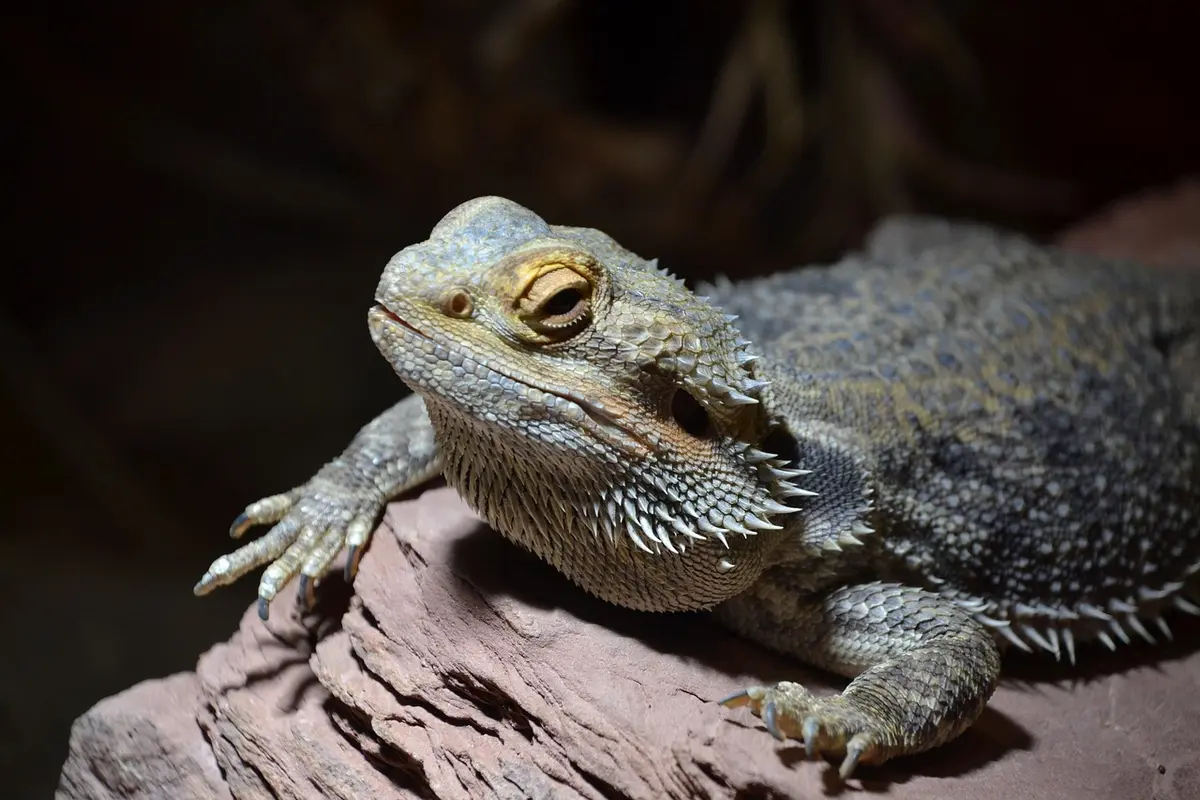
Cherries are a treat, not a staple. Think of them like a piece of birthday cake for your dragon-special, delicious, but not for every day. Their high sugar and water content mean they should only be a very occasional part of a balanced diet.
A good rule of thumb is to offer cherries no more than once every few weeks, and only as a single, small component of a salad. I might give one of my adult dragons one or two properly pitted and chopped cherry pieces in a salad packed with their regular greens. For a juvenile dragon, I’d stick to just one tiny piece, if I offer it at all.
Here’s a quick visual guide for a single serving:
| Dragon Size | Portion Size | Frequency |
|---|---|---|
| Juvenile | 1 tiny piece (half a cherry quarter) | Rarely, as a special treat |
| Adult | 1-2 small, chopped pieces | Once every 3-4 weeks |
Overfeeding cherries can lead to an upset stomach, diarrhea, and long-term health issues like weight gain. The bulk of their fruit intake should always come from lower-sugar options like berries, with the vast majority of their diet being fresh, leafy greens and live insects.
Cherry Tomatoes: A Common but Different Question
I often get asked about cherry tomatoes, probably because the name sounds similar. It’s an easy mix-up, but these are two entirely different foods for your bearded dragon. That’s why I reference the ultimate safe food list for fruits and vegetables bearded dragons eat, so you know what’s okay to offer vs. what to avoid. Tomatoes should be treated with caution and offered sparingly due to acidity and seeds.
While not toxic, cherry tomatoes are a food I only offer on a very rare, special occasion. They are part of the nightshade family, and their acidity can cause stomach upset if fed too often.
The main concern is their calcium to phosphorus ratio. Bearded dragons need more calcium than phosphorus to stay healthy. Tomatoes have this backward, with more phosphorus, which can interfere with calcium absorption over time. Bearded dragon tomato feeding guides generally advise treating tomatoes as an occasional treat rather than a staple. Pair them with calcium-rich greens and proper UVB lighting to keep the calcium balance on track.
If I decide to give my dragon a tiny piece as a rare treat, here is my personal checklist:
- It must be a ripe, red tomato. Never green.
- I wash it thoroughly to remove any pesticides.
- I remove all the seeds and the juicy gel inside.
- I only offer a single, pea-sized piece of the flesh.
- This happens maybe once every few months, if at all.
For a quick comparison, here is how cherries and cherry tomatoes stack up:
| Food Item | Safe for Bearded Dragons? | Key Concern | My Feeding Frequency |
|---|---|---|---|
| Cherries | Rare Treat | High Sugar, Cyanide in Pits | A few times a year |
| Cherry Tomatoes | Rare Treat | Poor Ca:P Ratio, Acidity | Even less than cherries |
Superior Fruit Alternatives for a Healthy Diet
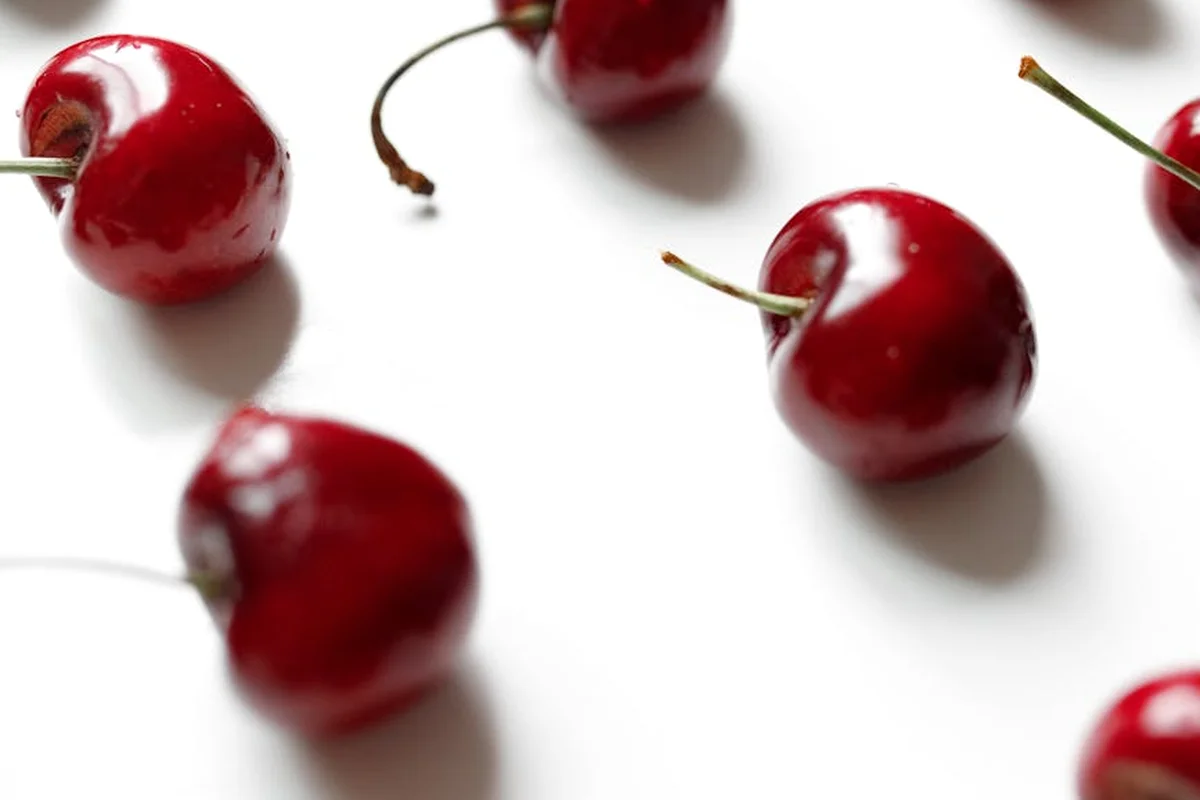
Fruits should never be the main part of your dragon’s diet, but when you want to offer a sweet, hydrating treat, some options are far better than others. Focusing on fruits with better nutritional profiles is a simple way to boost your pet’s health. I always choose fruits that are lower in sugar and oxalates, and have a safer calcium-to-phosphorus ratio. This approach is part of a complete, safe feeding guide for bearded dragons’ fruit choices. Using it helps you offer fruits that support hydration and balanced nutrition.
Here are the fruits I regularly rotate into my dragons’ salads as occasional toppings. My beardies go crazy for these, and I feel good about giving them: knowing that I’m feeding them safe options.
- Figs (fresh, not dried): These are a powerhouse. They have a great calcium content and are high in fiber. I mash a small piece into their greens.
- Papaya: This is a fantastic choice. It’s loaded with enzymes that aid digestion and has a decent Ca:P ratio. The vibrant color also seems to attract my dragons.
- Berries (raspberries, blueberries, blackberries): These are lower in sugar than many fruits and packed with antioxidants. I always cut blueberries in half to prevent a choking hazard.
- Mango: A wonderful source of Vitamin A and C. I offer tiny, bite-sized pieces of the flesh, making sure to avoid the skin and pit.
- Watermelon: This is mostly water, so it’s a great hydrating treat on a hot day. I only give the red flesh and make sure there are no seeds.
- Cactus Pear (Prickly Pear Fruit): This is a staple in my home. It’s a natural food for bearded dragons in the wild, is high in calcium, and is incredibly hydrating.
When I prepare any fruit, my routine is always the same. Washing, peeling (if needed), and cutting into tiny, manageable pieces is non-negotiable for safety. I’ve seen how quickly a dragon can try to swallow something too big.
Remember, even these healthier fruits are treats. I aim for fruit to make up no more than 10% of their overall diet. The vast majority of their food should be a variety of staple greens and live insects. Offering a tiny piece of papaya or a single raspberry once or twice a week is more than enough to keep them happy and healthy.
Frequently Asked Questions
Can Bearded Dragons Eat Cherries?
Yes, but only as a very rare, special treat. The high sugar content and poor calcium-to-phosphorus ratio make them unsuitable for regular feeding.
Can Bearded Dragons Have Cherry Tomatoes?
While not toxic, cherry tomatoes should also be a rare treat due to their acidity and poor calcium-to-phosphorus ratio. Always remove the seeds and offer only a tiny piece of the flesh.
How Often Can My Bearded Dragon Eat Cherries?
For an adult dragon, offer one or two small, pitted pieces no more than once every few weeks. They are an occasional indulgence, not a regular part of the diet. In general, adults should be fed daily with a balanced mix of greens and appropriate insects, with such treats offered only rarely as a supplement.
The Final Scoop on Cherries
So, can bearded dragons eat cherries? The short answer is yes, but only as a very rare, carefully prepared treat. The core rule is to always remove the pit, chop the flesh into tiny pieces, and serve it only once in a blue moon. This prevents choking and minimizes the risks from high sugar and oxalates. For a complete guide on safe foods for bearded dragons, cherries are an occasional treat rather than a staple. Always consult the full list of safe foods to ensure a balanced diet.
From my own experience, focusing on a staple diet of nutritious greens and appropriate insects is what truly keeps your dragon thriving. Think of cherries as the occasional birthday cake, not a regular part of the menu, and you’ll keep your scaly friend happy and healthy for years to come.
Further Reading & Sources
- Can Bearded Dragons Eat Cherries? They Have Two Setbacks – Dragon’s Diet
- Can Bearded Dragons Eat Cherries? Vet-Approved Benefits, Risks, & FAQ | Hepper Pet Resources
- Can Bearded Dragons Eat Cherries? Vet-Reviewed Facts & FAQ | PangoVet
Bearded Dragon Lair is the ultimate resource for bearded dragon enthusiasts, offering expert advice and practical tips to ensure the health and happiness of your scaly companion. With years of experience in reptile care, we are dedicated to providing accurate, up-to-date information to support your bearded dragon journey.
Feeding Guidelines