
Can Bearded Dragons Eat Peaches?
Published on: January 21, 2026 | Last Updated: January 21, 2026
Written By: Beardie Joe
That’s a great question, and the short answer is yes, but only on a very special, occasional basis.
As someone who has cared for these amazing reptiles for years, I’ve learned a thing or two about navigating their fruity cravings safely.
We’ll cover how to safely serve peaches, the important differences with nectarines and clementines, and the potential health risks you need to know.
Are Peaches Safe for Bearded Dragons?
Yes, the fleshy part of a peach is safe for your bearded dragon to eat, but only in very small, occasional amounts. The real danger isn’t the fruit itself, but the pit hidden inside. I always treat peaches as a “special occasion” food in my house, not a regular part of the salad. For a quick reference on what fruits bearded dragons can eat, see the complete safe/unsafe fruits list to guide your choices. It helps ensure a balanced diet.
Understanding the Cyanide Risk in Stone Fruit Pits
Peach pits, along with those from nectarines, apricots, and plums, contain a compound called amygdalin. When ingested, amygdalin breaks down into cyanide, which is highly toxic. While a bearded dragon is unlikely to crack into the hard pit itself, any small pieces or fragments are a serious risk. I had a real scare years ago when a piece of mango pit (which poses a similar, though lesser, risk) made it into the food bowl. Seeing one of my dragons show signs of discomfort was enough to make me hyper-vigilant about pitted fruits forever.
Your safety checklist for peaches and nectarines:
- Always wash the fruit thoroughly to remove pesticides.
- Cut the fruit away from the pit-never try to pry it out near your dragon.
- Discard the pit immediately and securely.
- Inspect the fruit for any hard, shell-like pieces before serving.
Can Bearded Dragons Eat Canned or White Peaches?
I strongly advise against feeding canned peaches to your bearded dragon. The syrup they’re packed in is loaded with added sugars and preservatives that a bearded dragon’s digestive system simply cannot handle. This can easily lead to digestive upset, diarrhea, and contributes to unhealthy weight gain. White peaches are just a variety of peach and are fine to feed if fresh and ripe, following all the same safety rules. The key is always to choose fresh, whole fruits over any processed alternatives. Beyond peaches, many bearded dragon fruit guides mention pomegranate and papaya as occasional, small portions in a varied fruit rotation. As with any new fruit, introduce them slowly and monitor digestion.
What to avoid:
- Canned fruit in syrup or juice
- Dried peaches (highly concentrated sugar)
- Any peach products with added sweeteners or spices
Nutritional Value of Peaches, Nectarines, and Clementines
While these fruits are tasty, their nutritional profile for a bearded dragon is a mixed bag. They offer some benefits but come with significant drawbacks that dictate their role as a rare treat. Dragon fruit, in particular, is considered safe in moderation and can be an occasional treat. However, it should never be a staple due to sugar content and lower nutritional density compared to greens and insects.
| Fruit | Key Benefit | Main Drawback |
|---|---|---|
| Peach | Good source of Vitamin C and fiber | Poor Calcium:Phosphorus ratio (1:2.4), high sugar |
| Nectarine | Similar vitamins to peaches, slightly more Vitamin A | Worse Calcium:Phosphorus ratio (1:3.2), very high sugar |
| Clementine | Excellent source of Vitamin C | Extremely high in sugar and very acidic |
Vitamins and Minerals in These Fruits
Peaches and nectarines provide a decent boost of Vitamin C, which supports a healthy immune system. They also contain Vitamin A, which is vital for vision, growth, and skin health. The fiber in these fruits can aid in healthy digestion when offered sparingly. However, bearded dragons get most of the Vitamin A they need from their staple vegetables, so fruit is not a necessary source. Clementines are bursting with Vitamin C, but their high acidity and sugar content far outweigh this single benefit.
Sugar Content and Calcium to Phosphorus Ratio
This is the most critical part of understanding why these are treat foods. Bearded dragons are prone to obesity and metabolic bone disease (MBD). High sugar intake from fruit can lead to fatty liver disease and weight issues. More importantly, they need a diet where calcium levels are equal to or greater than phosphorus levels. An ideal ratio is 2:1 or 1:1 (Calcium:Phosphorus). This is part of a complete guide on safe foods for bearded dragons, helping you balance nutrition. It also outlines which foods to offer as treats versus staples.
All three of these fruits have inverted ratios, meaning there’s more phosphorus than calcium. When phosphorus is higher, it binds with calcium and prevents your dragon from absorbing it, which can directly lead to MBD, a debilitating and painful condition. This is why these fruits should be a tiny, infrequent part of a diet built around calcium-rich greens and properly supplemented insects.
Feeding Guidelines for Peaches, Nectarines, and Clementines
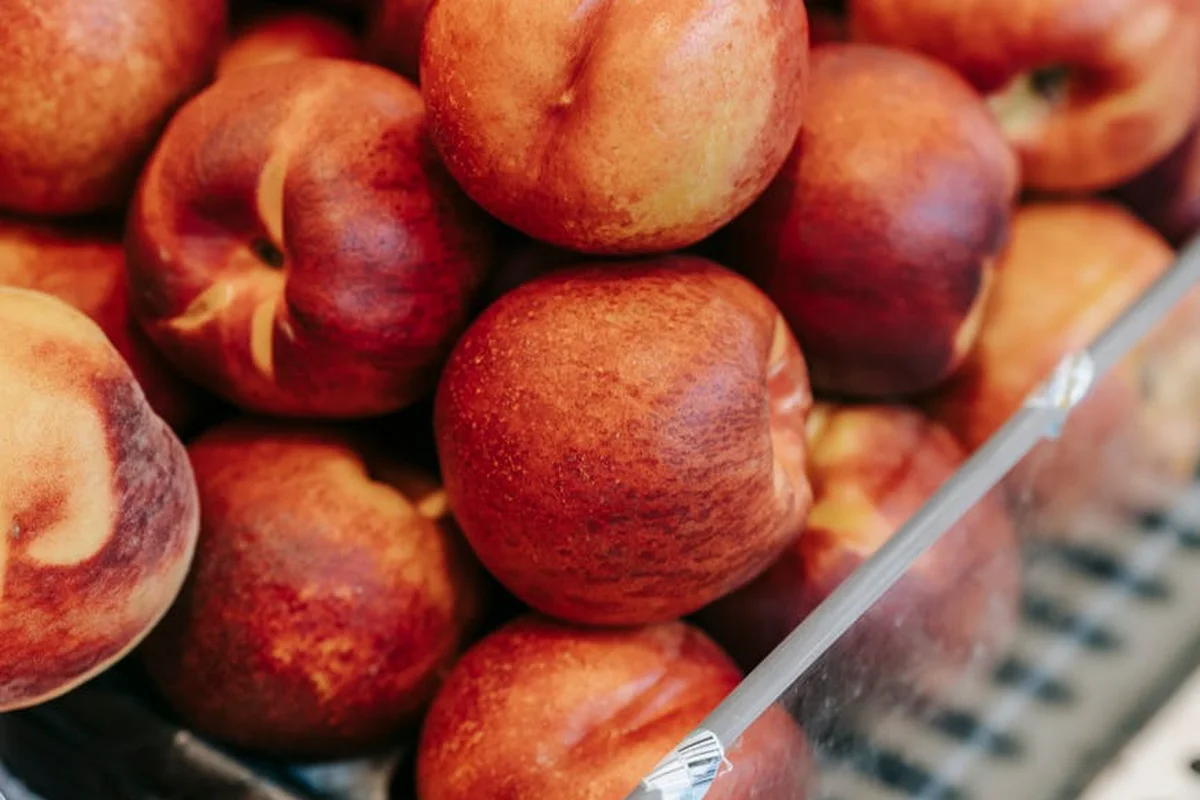
Getting the portion and frequency right is the key to safely sharing these sweet treats. Think of these fruits like candy for your dragon-a rare delight, not a dietary staple. I’ve learned through my own pets that sticking to these guidelines keeps them healthy and eagerly awaiting their next special snack.
How Often to Feed These Fruits
You should only offer peaches, nectarines, or clementines once a week at the very most. I never give them more frequently than that.
- Their high sugar content is the main reason for this strict limit.
- Too much sugar can lead to obesity, tooth decay, and serious digestive upset.
- Infrequent feeding prevents these health issues and keeps the fruit exciting for them.
Serving Sizes for Different Life Stages
The right amount changes dramatically as your dragon grows. Always err on the side of too little rather than too much. A tiny taste is all they need.
- Juveniles (Under 1 year): A piece no larger than your pinky fingernail. Their tiny bodies are still developing and very sensitive to sugar.
- Adults (1 year and older): About one to two teaspoons of finely chopped fruit. This should be mixed into a salad, not served alone.
Watch your dragon closely after they eat. Signs of overfeeding include runny stools, a lack of interest in their main meals, or lethargy. If you see this, skip the fruit for a couple of weeks.
How to Prepare Peaches, Nectarines, and Clementines
Proper preparation is non-negotiable for safety. A few extra minutes of prep can prevent a potential emergency. My routine is simple, and I always have the right tools on hand.
- Tools You’ll Need: A sharp paring knife, a stable cutting board, a colander, and paper towels.
- Safety Check: Always ensure all pits, seeds, and any stringy white pith from clementines are completely removed.
Steps for Removing Pits and Seeds
This is the most critical part of the process. Peach and nectarine pits contain cyanide, which is toxic. Follow these steps carefully.
- Wash the fruit thoroughly under cool running water.
- Place it on your cutting board and carefully slice it in half, following the natural seam.
- You will feel the hard pit. Gently twist the two halves in opposite directions to separate them.
- Use the tip of your knife to pry the pit out. Discard it immediately where your pet cannot access it.
- For clementines, simply peel and separate the segments, then remove any visible seeds.
Washing and Serving Tips
I always wash even organic fruit to remove any dirt or potential residues. A quick rinse under cool water makes all the difference.
- Scrub the skin gently with your fingers or a soft brush under running water.
- Pat the fruit dry with a paper towel. This helps the pieces not stick together.
- Peel the fruit. The skin is tough for them to digest.
- Chop the flesh into tiny, bite-sized pieces. Each piece should be no larger than the space between your bearded dragon’s eyes.
- I like to mix these small pieces directly into their usual salad of greens and veggies. This encourages them to eat their healthy staples, too.
Risks and Health Considerations When Feeding These Fruits
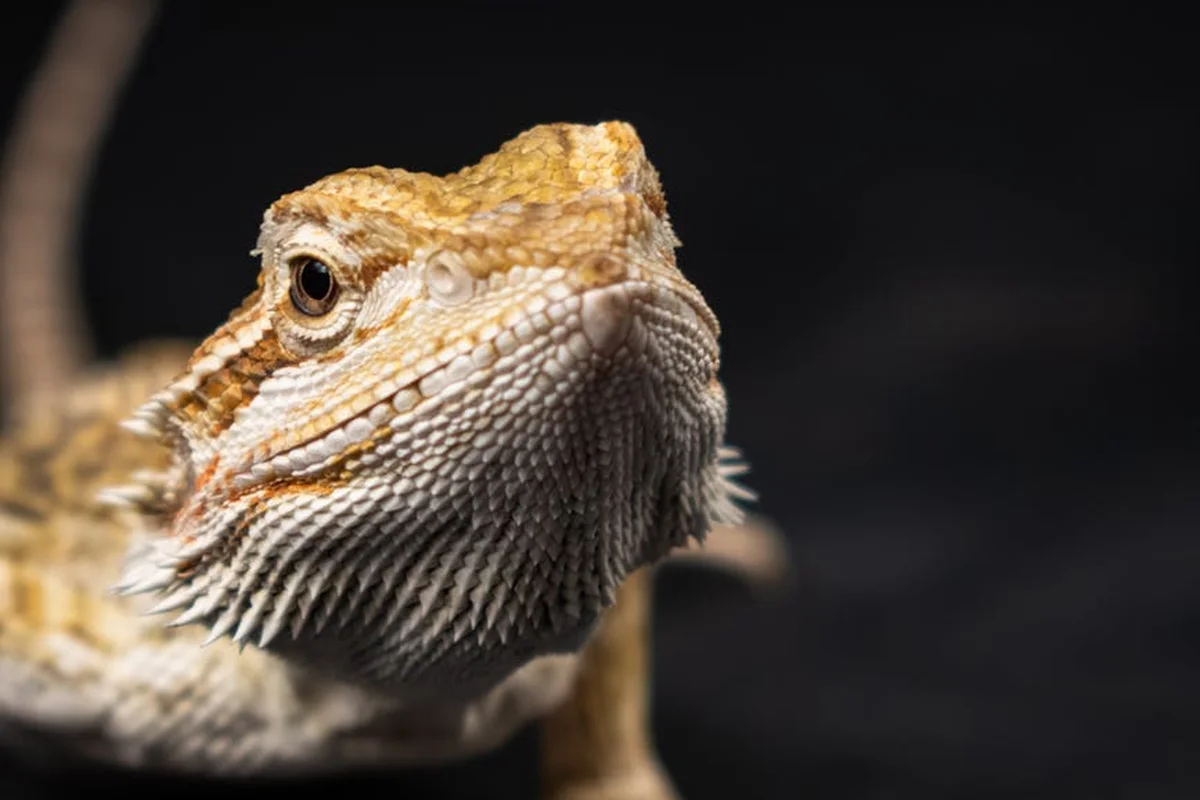
Even with the best intentions, offering too much of a sweet treat can lead to some real problems for your scaled friend. I’ve learned through my own dragons that their digestive systems are far more sensitive to sugar than ours are.
- Diarrhea and Digestive Upset: The high sugar and water content can overwhelm their gut, leading to very messy, watery stools.
- Unhealthy Weight Gain: Just like in people, excess sugar turns into fat. An overweight dragon is a less active, less healthy dragon.
- Nutrient Imbalances: Filling up on sweet fruit means they have less room for their staple greens and insects, which provide the critical calcium and protein they need.
Watch for these warning signs after a fruit treat. If you see lethargy, a loss of appetite, or consistently runny stools, it’s time to stop the fruit and consult your reptile vet. Trust your gut-you know your pet’s normal behavior better than anyone.
Overfeeding and Sugar-Related Problems
Think of peaches and nectarines as dragon candy. A tiny piece is a fun surprise, but a whole slice is a sugar bomb. Their bodies simply aren’t designed to process large amounts of fructose, which can quickly lead to obesity and digestive discomfort. I made this mistake early on with one of my first beardies, giving him fruit too often, and his energy levels noticeably dropped.
If you realize you’ve overdone it, don’t panic. Immediately go back to their core diet of leafy greens and appropriate insects for the next several days. Offer plenty of fresh water to help flush their system and encourage movement with some out-of-tank exploration time.
When to Avoid These Fruits in Their Diet
There are times when it’s best to skip the sweet stuff entirely. Your dragon’s long-term health is more important than a momentary treat.
- If your dragon is already overweight: The extra calories will only compound the issue.
- If they have a history of digestive problems: Introducing a known gut irritant is asking for trouble.
- For very young, growing dragons: Their diet needs to be packed with protein and calcium for proper development, not empty sugars.
- If your dragon is ill or recovering: Their system is already stressed. Stick to their most trusted, easy-to-digest foods.
Observing how your individual dragon reacts is the single most important part of being a good pet owner. What one dragon tolerates, another may not.
Alternative Fruits for a Balanced Bearded Dragon Diet

The good news is there’s a whole world of safer, more nutritious fruits you can offer for variety. Rotating through these options prevents boredom and ensures a wider spectrum of vitamins and minerals. I love watching my dragons get excited over the different colors and textures.
Safe and Nutritious Fruit Options
These fruits are generally lower in sugar and offer better nutritional profiles compared to peaches and nectarines. Always serve them ripe and in small, bite-sized pieces.
- Blueberries & Raspberries: Packed with antioxidants and relatively low in sugar. I use these as my go-to weekly treat.
- Watermelon & Cantaloupe: Great for hydration. They are mostly water but offer vitamins A and C. Just be mindful of the sugar.
- Papaya: A fantastic choice! It’s not only rich in vitamins but also contains enzymes that can aid in digestion.
- Figs: High in calcium, which is a huge bonus for bone health, but still quite sweet, so feed sparingly.
- Mango: Another vitamin A powerhouse, similar to peaches but often a bit better tolerated in my experience.
The key difference with these alternatives is their superior fiber-to-sugar ratio and additional health benefits, making them a smarter occasional choice.
Importance of Variety in Their Diet
Imagine eating the same salad every single day. You’d get pretty bored, right? Bearded dragons feel the same way. A varied diet does more than just prevent picky eating; it guards against subtle nutrient deficiencies that can develop over time. For bearded dragons, spring mix can be a great base to build a perfect salad when balanced with other greens. With a thoughtful mix of textures and nutrients, you can craft a bearded dragon-friendly salad that stays interesting and nutritious.
I rotate the greens, veggies, and occasional fruits for my dragons on a weekly schedule. This practice has kept them engaged at mealtime and I firmly believe it contributes to their vibrant colors and overall robust health. One might love a bit of strawberry one week, while another might prefer a tiny piece of pear the next. Offering a mix keeps mealtime interesting and nutritionally complete.
Frequently Asked Questions
Can bearded dragons eat canned peaches?
No, you should not feed your bearded dragon canned peaches. They are packed in syrup that contains high levels of added sugars and preservatives, which are harmful to your dragon’s digestive system. This is similar to why you should be cautious with certain fruits like grapes.
Can bearded dragons eat white peaches?
Yes, bearded dragons can eat fresh, ripe white peaches. They are simply a variety of peach and should be prepared and served with the same safety rules, such as removing the pit and only offering a small amount as a rare treat. For a comprehensive list of safe fruits and vegetables for your pet, check out the ultimate safe food list for bearded dragons.
Are peaches safe for bearded dragons?
Yes, the fleshy part of a fresh peach is safe in very small, occasional amounts. The primary concern is the pit, which contains toxic compounds, so it must be completely removed before serving.
Final Thoughts
So, can your bearded dragon eat peaches? Yes, but think of that sweet, juicy peach as a rare dessert, not a staple food. I always make sure the pit is removed and the flesh is chopped into manageable, bite-sized pieces for my dragons to prevent any choking risk. This small treat should only pop up on their menu a few times a month at most. For a complete, safe feeding guide on fruits bearded dragons can eat, peaches should remain an occasional treat. Always refer to that guide to plan a varied fruit rotation for your dragons’ health.
While the occasional peach or nectarine is a fun, hydrating snack, clementines and other citrus fruits are a firm no from me. Sticking to this simple rule ensures your bearded dragon gets to enjoy a little variety without any of the health drawbacks. Your dragon’s long-term health and happiness are always worth that extra bit of care.
Further Reading & Sources
- Can Bearded Dragons Eat Peaches? » Reptile Nutrition Profile
- Can Bearded Dragons Eat Peaches? An Excellent Treat – Dragon’s Diet
- Can Bearded Dragons Eat Peaches? Vet Approved Nutrition Facts | Hepper Pet Resources
Bearded Dragon Lair is the ultimate resource for bearded dragon enthusiasts, offering expert advice and practical tips to ensure the health and happiness of your scaly companion. With years of experience in reptile care, we are dedicated to providing accurate, up-to-date information to support your bearded dragon journey.
Feeding Guidelines