Can Bearded Dragons Eat Chicken? (Raw, Cooked, Breast, and Nuggets Explained)
Published on: February 2, 2026 | Last Updated: February 2, 2026
Written By: Beardie Joe
You might be eyeing that piece of chicken and wondering if it’s a safe treat for your scaly friend.
As a dedicated bearded dragon owner with years of hands-on reptile care experience, I’m here to give you the straight facts for your pet’s well-being.
This article will clearly explain the safety of raw chicken, cooked chicken, chicken breast, and chicken nuggets for your bearded dragon.
Is Chicken Safe for Bearded Dragons?
Why Chicken Isn’t an Ideal Staple Food
You might wonder if chicken is a safe option for your bearded dragon. While a tiny piece won’t cause immediate harm, chicken should never become a regular part of their meals. In my years of caring for multiple dragons, I’ve noticed that those fed protein sources like chicken often face digestive stress and nutrient deficiencies. Their bodies are built for insects and veggies, not lean meats. For a bearded dragon, a complete guide on safe foods can help you plan the right menu. It covers which foods are safe, how often to feed them, and which items to avoid.
Chicken lacks the fiber and variety of vitamins found in their natural diet. Feeding it too frequently can lead to obesity and liver strain, which I’ve had to help other owners address. It simply doesn’t support their vibrant health the way crickets or leafy greens do.
The Critical Calcium and Phosphorus Imbalance
The biggest concern with chicken is its skewed calcium to phosphorus ratio. Bearded dragons need about twice as much calcium as phosphorus to avoid metabolic bone disease, a painful condition I’ve seen in neglected pets. Chicken has high phosphorus levels that block calcium absorption.
- This imbalance weakens bones over time
- It can cause tremors or difficulty moving
- Long-term effects include deformities and shortened lifespan
Sticking to balanced feeder insects ensures your dragon stays strong and active. I always check the calcium content of any food before offering it to my own dragons.
Raw Chicken vs. Cooked Chicken for Bearded Dragons
The Serious Dangers of Feeding Raw Chicken
Raw chicken is a definite no for your bearded dragon. It carries bacteria like Salmonella and E. coli that can cause severe infections in reptiles. I’ve treated dragons who accidentally ingested raw meat, and the recovery process is stressful for everyone involved. Salmonella can pass from bearded dragons to people, so stay safe by washing hands after handling and avoiding cross-contamination. Regular cage cleaning and proper feeding practices further reduce the risk of getting Salmonella from your dragon.
Their immune systems aren’t equipped to handle these pathogens. Even a small amount can lead to vomiting, diarrhea, or worse. It’s a risk I never take with my own pets.
- High risk of food poisoning
- Potential for parasitic infections
- Digestive tract inflammation
Can They Eat Cooked Chicken? The Nuanced Answer
Cooked chicken is safer than raw, but it’s still not a great choice. If you absolutely must offer it, use plain, unseasoned chicken breast in tiny amounts once in a blue moon. I’ve tried this as a rare treat with my dragons, and they showed little interest compared to their usual bugs.
Cooked chicken lacks the chitin and other nutrients found in insects. Over time, relying on it can create nutritional gaps that affect their growth and energy levels. Always remove any skin or fat to reduce health risks.
- Boil or bake without oils or spices
- Cut into minuscule pieces to prevent choking
- Offer only as an occasional novelty, not a meal replacement
Your dragon’s wellbeing depends on a species-appropriate diet. Stick to foods that mimic what they’d eat in the wild for a happy, healthy pet.
Breaking Down Chicken Types: Breast and Nuggets
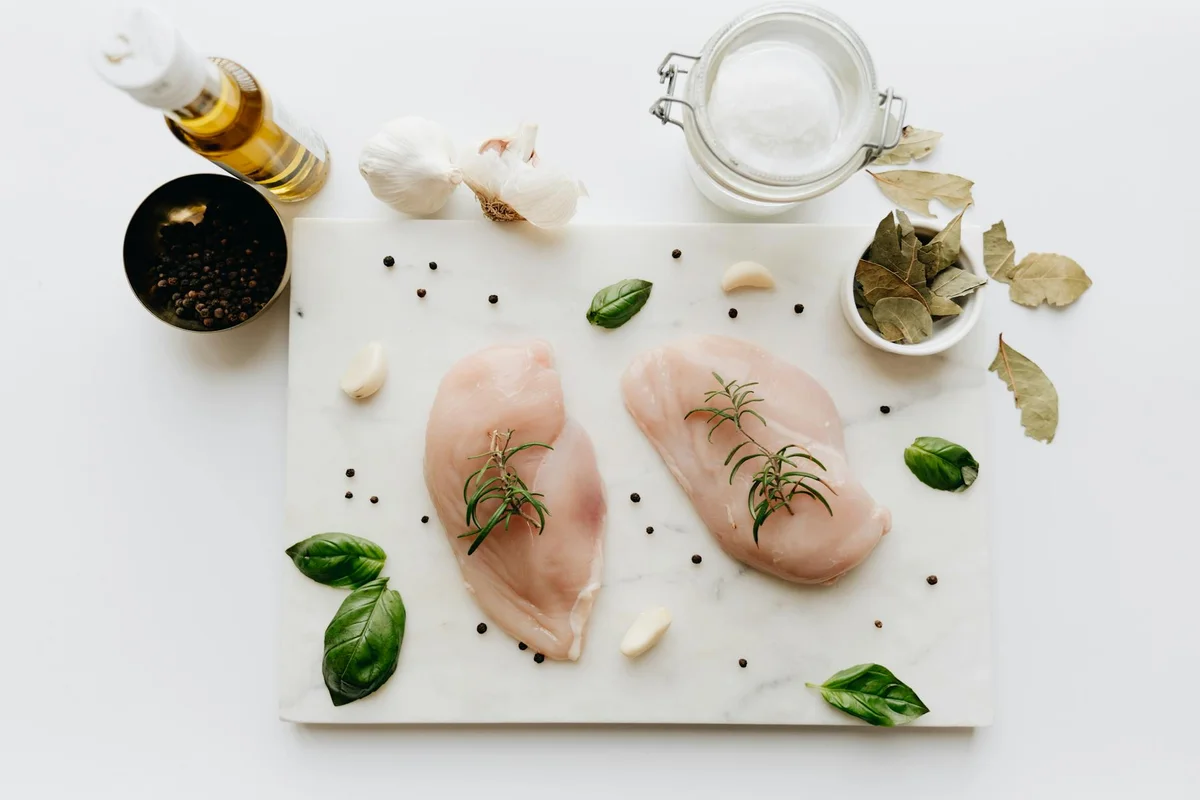
Plain Cooked Chicken Breast: A Rare Treat
If you absolutely must offer chicken, plain, cooked chicken breast is the only version I would ever consider. I’ve done this maybe twice in ten years when I had no other protein source available. You must boil or bake it with absolutely zero seasoning-no salt, no oil, no pepper. This plain preparation is the only way to make it even remotely safe for a dragon’s sensitive system. It should be shredded into tiny, manageable pieces no bigger than the space between their eyes.
Even prepared correctly, it’s a subpar food. Chicken breast lacks the calcium-to-phosphorus ratio that insects like dubia roaches or crickets provide naturally. Feeding it regularly would create a significant nutritional imbalance over time. Think of it as a last-resort option, not a planned part of their menu.
Why Chicken Nuggets Are a Definite No
I cannot state this strongly enough: chicken nuggets are one of the worst things you could ever offer your bearded dragon. The list of harmful ingredients is long and concerning. If you’re wondering what fruits bearded dragons eat, there’s a complete safe/unsafe list to guide your choices. Using that list helps ensure you offer appropriate fruit portions and avoid risky options.
- Breading and Frying: The high-fat breading and frying process is terrible for their liver and can lead to obesity.
- Salt and Seasonings: Their kidneys cannot process the high levels of sodium and spices, which can cause dehydration and kidney failure.
- Preservatives and Additives: Chemicals used to enhance flavor and prolong shelf life are toxic to reptiles.
- Uncertain Meat Quality: Nuggets often contain processed meat by-products, not pure muscle.
Giving your dragon a chicken nugget is like feeding them junk food poison; the risks of impaction and organ damage are extremely high. I would never, under any circumstances, let my dragons near them.
Feeding Guidelines: Portion Size and Frequency
How Much Chicken is Too Much?
Since chicken should only be a rare, emergency protein, the portion size is minuscule. For an adult dragon, a piece of shredded chicken should be no larger than the tip of your pinky finger. This tiny amount, offered no more than once or twice a year, is the absolute maximum I would ever recommend. For juvenile dragons, my advice is even simpler: do not feed them chicken at all. Their growing bodies need the perfect nutrition found in live insects.
Overfeeding chicken, even just a few times, can have serious consequences. The high protein content places an immense strain on their kidneys, which can lead to long-term health issues and a shortened lifespan. It’s simply not a risk worth taking.
Mixing Chicken with a Balanced Diet
If you do use that tiny bit of plain chicken, you must serve it correctly to mitigate its poor nutritional value. Never offer it by itself.
- Always mix the shredded chicken pieces into a large salad of staple greens like collard greens, dandelion greens, or mustard greens.
- Dust the entire salad, including the chicken, with a high-quality calcium supplement to help balance the poor calcium content of the meat.
- Ensure fresh water is available, as the higher protein can be dehydrating.
The best practice is to view the chicken as a small, insignificant part of a much larger and healthier meal. The bulk of their nutrition must always come from their regular, species-appropriate diet of insects and vegetables.
Health Risks and Signs of Trouble
Recognizing Digestive Issues and Intolerance
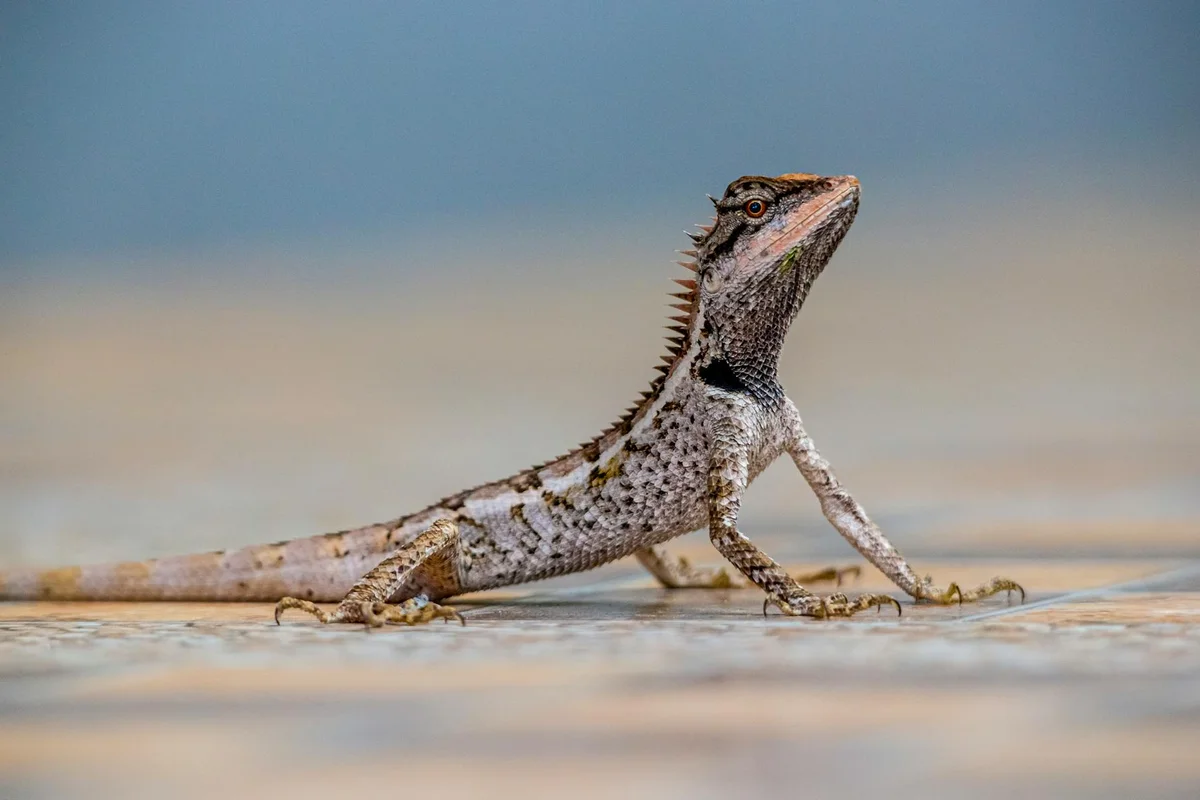
If your bearded dragon accidentally eats some chicken, you need to watch them closely. Their bodies are not designed to process this kind of meat. Look for a lack of appetite or a change in their bowel movements, as these are often the first signs something is wrong. Lethargy is another major red flag; if your normally active dragon is just sitting around, their system might be struggling. Lethargy often signals common issues that deserve a closer look. Common culprits include dehydration, improper heating or lighting, or underlying illness.
I’ve seen dragons get visibly bloated and uncomfortable after eating something they shouldn’t. You might notice them straining to pass stool or their poop might look unusually runny or smelly. A healthy dragon is an active and hungry dragon, so any shift in their usual behavior warrants your attention.
Parasites and Bacterial Infections from Poultry
This is the silent danger you can’t see. Raw chicken is a hard no. It can carry Salmonella and Campylobacter, bacteria that can make your pet incredibly sick. Feeding raw chicken is an unnecessary gamble with your dragon’s health that you should never take. Even cooked chicken isn’t sterile and can still introduce harmful bacteria into their delicate gut flora.
These bacterial infections can lead to a condition called enteritis, a severe inflammation of the intestines. Symptoms of a bacterial problem often include sudden weight loss, diarrhea that just won’t let up, and a general look of being unwell. If you see any of this, it’s a vet visit, no questions asked.
Superior Protein Alternatives to Chicken
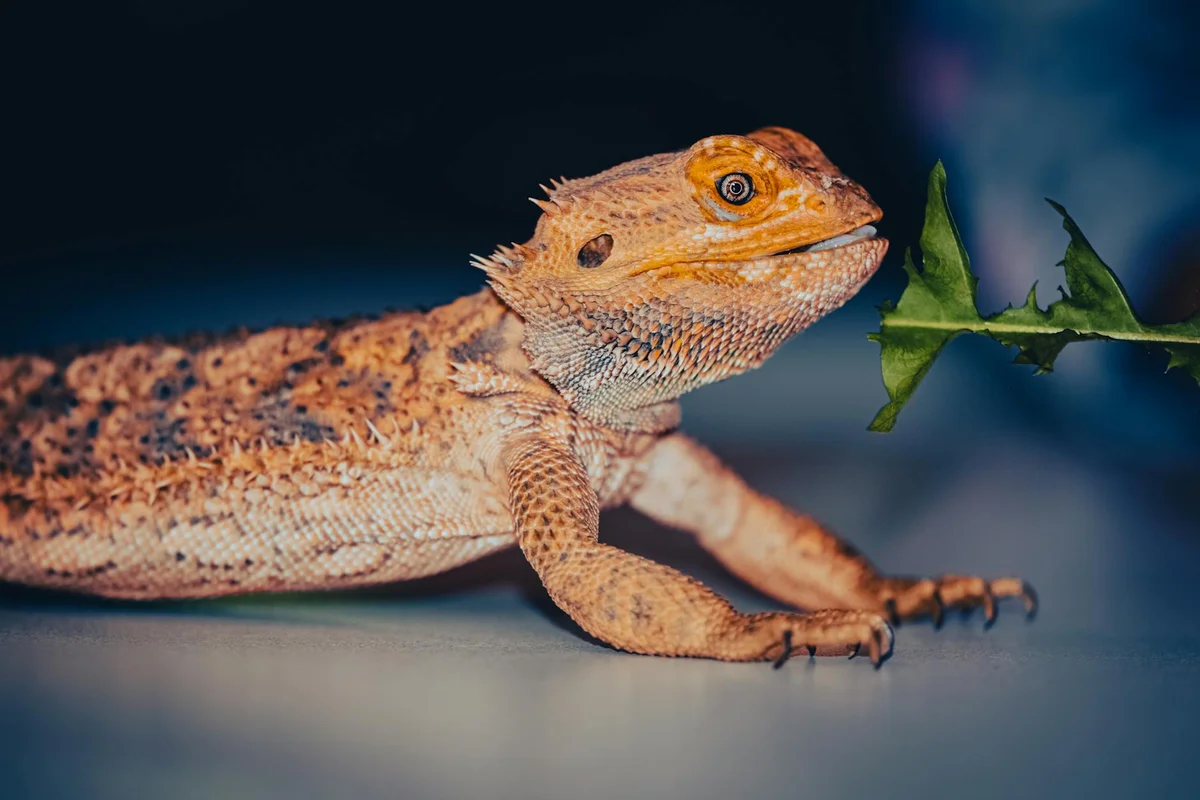
Best Insect Proteins for Your Bearded Dragon
Forget the chicken! Your dragon will be healthier and happier with insects that are perfectly suited to their biology. A varied insect diet is the cornerstone of good health.
- Dubia Roaches: My personal favorite staple. They are meaty, not too fatty, and packed with protein. My dragons go crazy for them.
- Black Soldier Fly Larvae (Nutrigrubs): These are fantastic. They are high in calcium, which is great for bone health, and they have a soft body that’s easy to digest.
- Crickets: A classic choice, but they are a bit leaner. Just be sure to buy from a reputable source to avoid parasites.
- Silkworms: A wonderful, hydrating treat that’s also high in protein and calcium. They can be a bit pricier, but they’re worth it.
Always remember to “gut-load” your feeder insects 24-48 hours before offering them, meaning you feed the insects a nutritious diet so your dragon gets those benefits. Crickets are a common feeder, and many keepers feed them regularly. Bearded dragons are often fed crickets several times a week, with the amount adjusted for age and size.
Creating a Nutritive and Varied Diet Plan
Think of your dragon’s diet in three parts: staple insects, occasional treat insects, and a big bowl of fresh greens. This variety ensures they get a full spectrum of nutrients.
For juvenile dragons, offer appropriate-sized insects 2-3 times daily. They are growing fast and need that protein. For adults, protein meals can be reduced to every other day or so. The bulk of an adult bearded dragon’s diet should actually be fresh, dark leafy greens like collard, mustard, and dandelion greens. This is part of a complete feeding schedule that factors in age, growth, and energy needs. A consistent routine—paired with greens, proper protein, and supplementation—helps keep bearded dragons healthy.
Here is a simple weekly framework I use for my adult dragons:
- Monday: Staple insects (Dubia roaches) + fresh salad
- Tuesday: Big, varied salad only
- Wednesday: Staple insects (BSFL) + fresh salad
- Thursday: Big, varied salad only
- Friday: Staple insects (Crickets) + fresh salad
- Saturday: Treat insect (like a hornworm) + big salad
- Sunday: Big, varied salad only
Consistency and variety are your best tools for preventing nutritional deficiencies and keeping your scaly friend thriving for years to come.
Frequently Asked Questions
Can bearded dragons eat chicken eggs?
Chicken eggs are not recommended for bearded dragons due to their high fat and protein content, which can cause obesity and kidney strain. If offered rarely, serve plain, cooked eggs in tiny amounts, but stick to insect-based proteins for a balanced diet. Bearded dragons may eat eggs from chickens or quail, and occasionally even their own eggs. Treat these as rare, fully cooked options rather than a staple.
Is chicken baby food safe for bearded dragons?
Chicken baby food should generally be avoided as it often contains added salts, sugars, and preservatives that are harmful to bearded dragons. In emergency situations for ill dragons, consult a vet and use only plain, unsweetened varieties sparingly. It’s crucial to know what not to feed them to prevent any health issues.
Can bearded dragons wear chicken costumes?
Dressing bearded dragons in chicken costumes or any clothing is not recommended, as it can cause stress, restrict movement, and lead to overheating or injury. Always prioritize their comfort and natural behavior for their overall health.
Final Verdict
So, can bearded dragons eat chicken? While a tiny, plain piece of cooked chicken breast won’t poison them, it’s not a food I recommend or feed to my own dragons. Their bodies are built for a very different diet, and offering them chicken regularly can lead to serious health problems down the line. For a complete guide to what bearded dragons eat, including how meat fits into their diet and why dairy like cheese isn’t recommended, see our full diet guide. Cheese should be avoided, and meat should be limited to small, infrequent amounts.
Stick with the protein sources that nature designed for them: a variety of gut-loaded, protein-packed insects. For reference, a practical bearded dragon insect-eating guide emphasizes safe, non-toxic options and warns against toxic bugs. Follow that guide to select only safe insects. This simple choice keeps your bearded dragon thriving and avoids the risks that come with raw chicken, seasonings, and processed nuggets that their digestive systems simply can’t handle.
Further Reading & Sources
- Can Bearded Dragons Eat Chicken? It’s Not A Great Choice – Dragon’s Diet
- Can Bearded Dragons Eat Chicken? | Reptile Supply
- r/BeardedDragons on Reddit: Can you feed chicken eggs to bearded dragons?
Bearded Dragon Lair is the ultimate resource for bearded dragon enthusiasts, offering expert advice and practical tips to ensure the health and happiness of your scaly companion. With years of experience in reptile care, we are dedicated to providing accurate, up-to-date information to support your bearded dragon journey.
Feeding Guidelines