
Can Bearded Dragons Eat Eggs? (From Chicken to Quail and Their Own Eggs)
Published on: January 11, 2026 | Last Updated: January 11, 2026
Written By: Beardie Joe
You might be eyeing that carton of eggs and wondering if your bearded dragon can join you for breakfast.
As a long-time owner of multiple bearded dragons, I’ve navigated these questions myself and will help you make safe, informed choices for your pet’s health.
This article will break down the safety of feeding chicken eggs, quail eggs, and even their own eggs, plus how to prepare them properly.
Can Bearded Dragons Eat Eggs? The Quick Answer
Yes, bearded dragons can eat eggs, but this comes with major conditions. Eggs should only be an occasional, well-cooked treat, not a regular part of their diet. I might offer a tiny bit of scrambled egg to one of my adults once a month, if that. For most bearded dragons, insects such as hornworms, mealworms, or superworms are the more typical staples, with eggs kept as a rare supplement.
Think of eggs like a rich dessert for us-a little is a nice change, but too much causes problems.
Nutritional Benefits and Risks of Eggs for Bearded Dragons
Eggs are a complex food for reptiles. They pack a powerful nutritional punch, but that same power is why we must be so careful with them.
Are Eggs a Good Source of Protein and Calcium?
Let’s break down what’s inside an egg and what it means for your beardie.
- High-Quality Protein: Eggs are an excellent source of protein, which is vital for tissue repair and overall health.
- Bioavailable Calcium: The eggshell is pure calcium carbonate. I often bake my leftover shells, grind them into a fine powder, and use it as a calcium supplement on their regular salads.
- Essential Amino Acids & Fats: They provide building blocks for health and a concentrated energy source.
The big caveat is that the high protein and fat content is also the primary risk. A bearded dragon’s digestive system is not built to process rich foods like this frequently. Overfeeding eggs can easily lead to obesity and liver strain. To keep feeding safe, consult a complete guide on safe foods for bearded dragons. It outlines safe foods and proper portions to prevent obesity and liver strain.
Potential Health Risks: Salmonella and Digestive Issues
This is where we need to be most vigilant as pet owners. The risks are real, but they are easily managed with proper preparation.
- Salmonella Contamination: Raw eggs can carry salmonella bacteria, which can make your dragon very sick and can also be transmitted to you. You must always cook the egg thoroughly with zero oil, butter, or salt to eliminate this risk. I only ever offer plain, hard-boiled or thoroughly scrambled eggs.
- Digestive Upset and Impaction: The rich nature of eggs can cause diarrhea or constipation. A small, overloaded digestive system simply can’t handle it. This is why the “tiny, occasional treat” rule is non-negotiable.
- Nutritional Imbalance: Relying on eggs disrupts their need for a varied diet centered on leafy greens and live insects. It can create a deficiency in other crucial nutrients over time.
From my experience, a piece of egg the size of your dragon’s eyeball is a perfectly sized portion. Observing your pet after trying any new food is the best way to gauge their individual tolerance.
Types of Eggs: From Chicken to Quail and Beyond

Not all eggs are created equal, and what works for one reptile might be risky for another. Let’s crack open the details on the different types of eggs you might consider for your bearded dragon. This naturally leads into our complete guide on determining bearded dragon gender. You’ll find practical tips on sexing and gender-related care.
Chicken Eggs: Common but Use Caution
These are the eggs you have in your fridge, but they should be a rare, special treat for your beardie. I only offer chicken egg to my dragons a few times a year, if that. For a bearded dragon, the best staples are leafy greens and appropriately sized insects, with eggs as an occasional treat. That keeps the diet safe and well-balanced.
- They are high in fat and cholesterol, which can be hard on a bearded dragon’s liver.
- The protein content is excellent, but it’s simply too rich for regular consumption.
- Always, always cook them thoroughly to eliminate any risk of salmonella.
Think of a chicken egg as the reptile equivalent of a rich, heavy cheesecake-delicious for a rare occasion, but not for everyday meals.
Quail Eggs: A Smaller, Nutrient-Dense Option
If you’re going to offer an egg, quail eggs are often a better choice than chicken eggs. I find my dragons go absolutely wild for them.
- Their small size makes portion control much easier.
- They have a slightly better calcium-to-phosphorus ratio than chicken eggs.
- They are packed with vitamins and minerals relative to their size.
Quail eggs are a fantastic, bite-sized protein boost that is less likely to overwhelm your dragon’s system. They are still a treat, but a superior one.
Can Bearded Dragons Eat Their Own Eggs?
This is a common and concerning situation for owners of female beardies. If your female lays a clutch of eggs (infertile or not), you may find her trying to eat them.
- This behavior is natural; in the wild, it’s a way for her to recoup lost nutrients.
- It is generally safe for her to consume her own eggs if she chooses to do so.
- Some owners even scramble the infertile eggs and feed them back to her for a nutritional top-up.
Allowing her to eat her own eggs can be a practical way to help her recover from the massive energy drain of egg-laying. Just ensure the enclosure is cleaned thoroughly afterward to prevent bacterial growth from any broken shells or residue.
How to Prepare and Serve Eggs Safely
Preparation is everything. Doing it wrong can make your dragon sick, but doing it right turns an egg into a safe, nutritious snack.
Raw vs. Cooked: Which Is Safer?
This is non-negotiable in my book. You should only ever feed your bearded dragon cooked egg. Raw egg carries a significant risk of salmonella and other bacteria that can cause serious digestive upset and illness in reptiles. Cooking the egg neutralizes this risk and also makes the protein easier for your dragon to digest. When you build a varied diet, you’ll also consider greens like broccoli leaves and stalks, and you may wonder about feeding them raw vs cooked. A light steam can improve digestibility while preserving most of the nutrients.
Feeding Whole Eggs, Yolks, or Whites
You have a few options here, and each has a slightly different nutritional profile.
- Whole Scrambled Egg: This is the easiest and most balanced method. Scramble the entire egg without any oil, butter, salt, or milk.
- Egg White Only: This is the leanest option, offering pure protein with almost no fat. It’s good for an overweight dragon.
- Egg Yolk Only: This is the most fat and cholesterol-dense part. I typically avoid offering yolk alone because it’s just too rich.
For most situations, a plain, scrambled whole egg is the perfect compromise of protein and manageable fat content. Let it cool completely before serving.
What About Eggshells? Calcium Boost or Hazard?
This is a tricky one. The shell is pure calcium carbonate, which sounds ideal for reptiles. However, it poses a real choking hazard and can cause internal impaction if fed in chunks.
- Do not offer pieces of eggshell.
- If you want to use the shell for calcium, you must grind it into a very fine, powdery dust.
- This homemade calcium powder can then be lightly dusted on their regular salads.
While possible, using eggshell as a calcium supplement is often more work than it’s worth compared to a reliable commercial reptile calcium powder. The risk of improper preparation is too high.
Feeding Guidelines: Portions and Frequency by Age
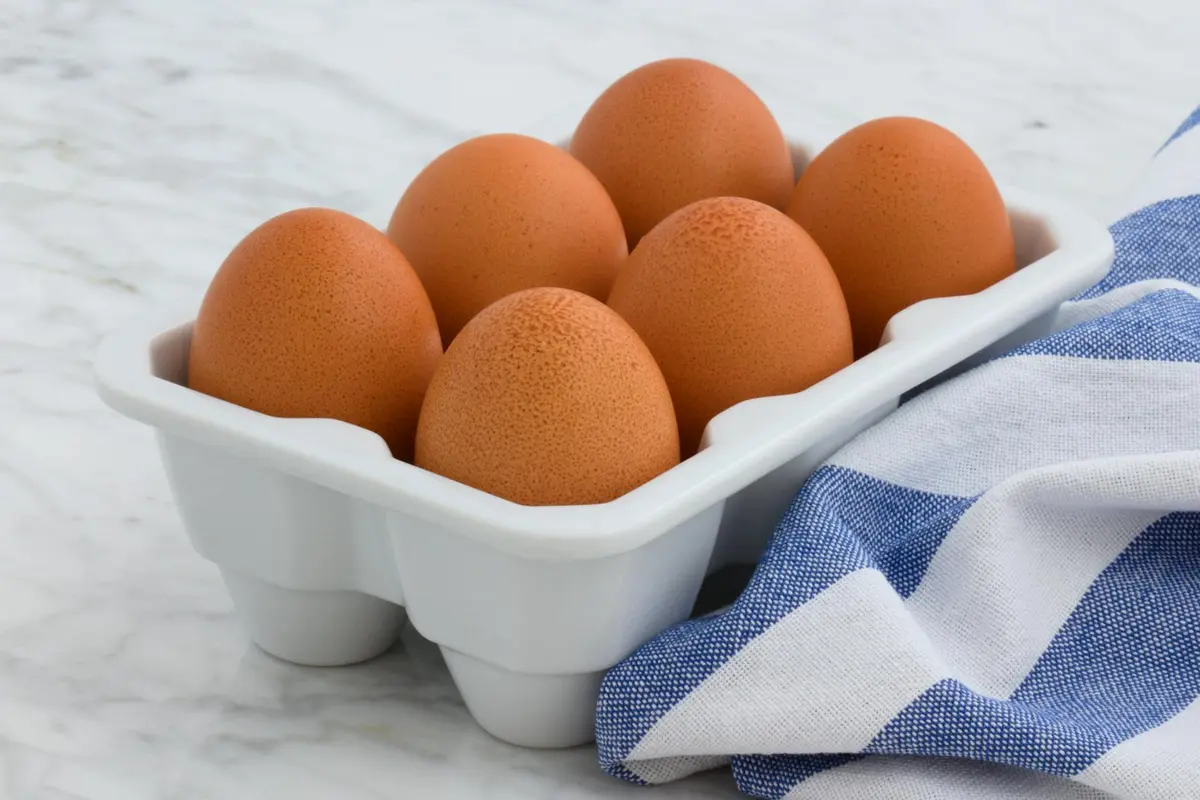
How much and how often is the final piece of the puzzle. Overdoing it is easy and can lead to health issues down the road.
For Baby and Juvenile Bearded Dragons
Growing dragons need a lot of protein, but they get it best from their staple live insects. I do not recommend feeding eggs to babies or juveniles at all. Their tiny digestive systems are primed for easily digestible insects, and the rich fat and protein in an egg can be too much for them, potentially leading to digestive problems or overly rapid growth. In a should-feed-your-bearded-dragon-every-day guide, babies and juveniles are fed daily to support growth. Adults may be fed daily or every other day depending on body condition and appetite.
For Adult Bearded Dragons
For a full-grown beardie over 18 months old, an egg can be a rare protein treat.
- Frequency: No more than once a month. I treat it as a semi-annual supplement for my adults.
- Portion Size: For a chicken egg, offer no more than half a teaspoon of scrambled egg. For a quail egg, a quarter to a half of one scrambled egg is plenty.
- Always monitor your dragon after offering a new food for any signs of lethargy or digestive upset.
An egg should never replace a meal of staple insects or greens; it is strictly a supplement to their otherwise balanced diet. Moderation is the absolute key to using this food safely.
Why Bearded Dragons Eat Their Own Eggs and How to Respond
Walking into your dragon’s enclosure to find a half-eaten egg can be a startling sight. I’ve been there, and my first reaction was pure panic. This behavior, called oophagy, is more common than you might think and is usually a sign that something is off in their world.
Common Reasons: Stress, Nutrition, or Egg Problems
Bearded dragons aren’t being malicious; they are responding to an instinct or a need. From my observations and talking with other breeders, egg-eating typically boils down to a few key issues. If your dragon isn’t eating, it’s usually a sign of stress, improper husbandry, or illness. Here are common causes and practical solutions.
- Nutritional Deficiency: A female dragon has just expended a massive amount of calcium and energy to produce those eggs. If her body is screaming for more, she might see the eggs themselves as the quickest source of replenishment.
- Environmental Stress: If her enclosure is in a high-traffic area, too bright, or doesn’t feel secure, she might eat the eggs to “hide the evidence” from perceived predators. A lack of a proper, private laying box is a huge stressor.
- Recognizing Infertility: Sometimes, a dragon seems to know the eggs aren’t viable. She might break one accidentally and then consume the contents, realizing it’s a source of nutrition that won’t develop.
- Egg-Binding (Dystocia): In a more serious scenario, a dragon that is egg-bound might break and eat an egg in a desperate attempt to clear a blockage. This is a critical medical emergency.
What to Do If Your Bearded Dragon Eats Its Eggs
Stay calm. Your reaction now sets the tone for her recovery and future clutches. Follow these steps to assess the situation and support your pet.
- Remove Any Remaining Eggs: Gently and quickly take out any whole eggs that are left to prevent her from eating more. Handle them carefully.
- Do Not Scold Her: She is not being “bad.” Punishment will only add to her stress and make the problem worse.
- Offer Hydration and Food: Provide a fresh bowl of water and offer her favorite nutritious greens. This helps replenish her without encouraging the egg-eating behavior.
- Check for Signs of Illness: Watch her closely for lethargy, lack of appetite, or signs of straining, which could indicate she was egg-bound. If you suspect egg-binding or see any distress, contact your reptile veterinarian immediately.
Preventing Egg Eating: Habitat and Care Tips
Prevention is always better than reaction. A few simple adjustments to your husbandry can make all the difference for a gravid (egg-carrying) female.
- Provide a Premium Laying Box: This is non-negotiable. Fill a sturdy container with at least 6-8 inches of damp, packable soil and sand mix. It should be private, dark, and feel like a secure burrow to her.
- Boost Nutrition Pre- and Post-Laying: While she is developing eggs and after she lays, dust her insects more frequently with a high-quality calcium supplement. I often offer a few extra calcium-rich feeders like black soldier fly larvae during this time.
- Minimize Stress: Cover three sides of her enclosure with background paper, keep noise and sudden movements to a minimum, and ensure her temperature and lighting gradients are perfect.
- Remove Eggs Promptly: Once she has finished laying and has buried the eggs, wait until she leaves the area and then remove the entire clutch calmly and efficiently.
Handling Bearded Dragon Eggs: From Laying to Incubation

Finding a clutch of eggs is incredibly exciting. Your next moves are crucial for their survival, whether they are fertile or not. Handling them with care from the very first moment gives them the best possible start.
Identifying Healthy vs. Problematic Eggs
Not all eggs are created equal. Learning to spot the differences will save you time and heartache. Here’s a quick guide based on what I look for.
| Healthy Fertile Eggs | Problematic or Infertile Eggs |
|---|---|
| Firm, white, and have a leathery, slightly chalky texture. | Yellowish, discolored, or have strange splotches. |
| Uniformly oval and plump, feeling full and heavy for their size. | Misshapen, wrinkled, or collapsed. |
| Will often “pink up” or show a red circle (veins) when candled after a week. | Remain completely translucent or appear dark and rotten when candled. |
Basic Incubation and Care for Fertile Eggs
If you have a female who has been with a male, assume the eggs are fertile until proven otherwise. Incubation is a delicate process, but you can do it successfully by being meticulous.
- Gently Excavate: Using a soft spoon or your fingers, carefully unearth the eggs. Do not rotate or turn them. Mark the top side with a soft pencil (like a #1) so you always know their orientation.
- Set Up Your Incubator: Use a dedicated reptile incubator. Fill it with sterile incubation medium like perlite or vermiculite, mixed with water to a “squeeze test” consistency-damp enough to clump, but no water drips out.
- Place the Eggs: Bury each egg about halfway into the medium in a small indentation, making sure the pencil mark stays on top. Give them a little space from each other.
- Maintain Stable Conditions: Set your incubator to a constant temperature between 82°F and 86°F (28°C to 30°C). Humidity should be high, around 70-80%. Consistency is far more important than the exact number within this range.
- Patience is Key: Do not disturb the eggs unnecessarily. Avoid opening the incubator often. In 55 to 75 days, with luck and good care, you’ll see the first tiny cracks appear.
Frequently Asked Questions
Can I purchase bearded dragon eggs for sale online?
It is not recommended to buy bearded dragon eggs from online sources due to high risks of infertility, improper shipping conditions, and potential health issues. Always obtain eggs or dragons from reputable breeders to ensure ethical and healthy practices. If you’re considering supplements like bee pollen or honeydew as part of your bearded dragon’s diet, consult the honeydew bee pollen safety guide for safe usage and dosage. It can also help you understand potential risks and what to avoid.
Do male bearded dragons lay eggs?
No, only female bearded dragons lay eggs, which can be fertile if they have mated with a male or infertile if not. Males do not produce eggs but are involved in fertilization during breeding. After mating, a female typically lays eggs several weeks later (roughly 4–6 weeks). This bearded dragon pregnancy egg-laying timeline helps owners anticipate laying and prepare nesting sites.
Is an x-ray useful for checking bearded dragon eggs?
Yes, a veterinarian may use x-rays to detect egg-binding, count the number of eggs, or assess their development, but this should only be done under professional guidance to avoid stress or harm to your dragon.
Wrapping It Up
So, can bearded dragons eat eggs? The simple answer is yes, but only as a carefully prepared, infrequent treat. Stick to cooked chicken or quail eggs, offered in tiny amounts once a month or less to avoid health issues. For a complete guide to what bearded dragons can eat, including meat in their diet and dairy considerations, eggs remain a small, occasional protein source. Cheese and other dairy products are not suitable for bearded dragons.
Remember, variety is the spice of a healthy dragon’s life, but their main diet should always be built on staple greens and live insects. When it comes to eggs, think of them as a rare bonus snack, not a regular part of the menu.
Further Reading & Sources
- What to Do If Your Bearded Dragon Lays Eggs
- Bearded Dragon Egg Care – Bearded Dragon Lady
- How To Care For Your Bearded Dragon After It Lays Eggs
Bearded Dragon Lair is the ultimate resource for bearded dragon enthusiasts, offering expert advice and practical tips to ensure the health and happiness of your scaly companion. With years of experience in reptile care, we are dedicated to providing accurate, up-to-date information to support your bearded dragon journey.
Feeding Guidelines