Can Bearded Dragons Eat Cucumber? (Skins, Seeds & Safety)
Published on: December 27, 2025 | Last Updated: December 27, 2025
Written By: Beardie Joe
If you’re holding a slice of cucumber and wondering if it’s a safe snack for your scaly friend, you’ve come to the right place.
With years of experience caring for my own bearded dragons, I’ll help you navigate this common question with clear, reptile-safe advice.
In this guide, we’ll cover the safety of cucumber skins and seeds, how to serve it properly, and how often to offer this watery treat.
The Quick Verdict on Cucumbers for Your Beardie
Yes, bearded dragons can eat cucumber, but think of it as a rare, hydrating treat, not a dietary staple. I occasionally offer a small cube to my dragons on a scorching day, and they seem to appreciate the cool, crisp crunch. It’s perfectly safe in tiny amounts, but overdoing it can lead to nutritional problems. For a broader view of what fruits and vegetables bearded dragons can safely eat, check out the ultimate safe food list. This helps ensure a varied, balanced diet beyond cucumber alone.
Core Safety Check: The Good and The Caution
Let’s break down the immediate pros and cons so you can make an informed choice for your pet.
- The Good: Cucumber is over 95% water, making it fantastic for a quick hydration boost. It’s also low in calories and easy for them to chew.
- The Caution: Its high water content is a double-edged sword. Too much can cause loose stools or diarrhea. More critically, it has a very poor Calcium-to-Phosphorus ratio.
- The Biggest Issue: Bearded dragons need more calcium than phosphorus in their foods. Cucumber has this inverted, and the phosphorus can actually bind to calcium, preventing your dragon from absorbing it. This can lead to Metabolic Bone Disease (MBD), a serious and painful condition I’ve seen in rescues, and it’s absolutely heartbreaking.
Breaking Down Cucumber Nutrition for Bearded Dragons
To understand why cucumber is just a sometimes-food, you need to look at what’s inside-or more accurately, what isn’t.
- Water: The primary component. Great for hydration, but offers no substantive nutritional value.
- Fiber: A small amount is present, which can aid in digestion, but many other greens offer more.
- Vitamins: Contains trace amounts of Vitamin K and C, but the levels are negligible compared to staples like collard or mustard greens.
- Minerals: This is where it falls short. It has minimal beneficial minerals and that problematic phosphorus level.
Why Water Content and Low Calcium Matter
Imagine trying to live on a diet of flavored water with a side of nutrient-blockers. That’s essentially what happens if a bearded dragon eats too much cucumber. In a reliable bearded dragon eat guide, you’ll learn which foods are toxic or should be avoided. That way you know what bearded dragons can’t eat and what to skip.
The sheer volume of water in cucumber fills up their tiny stomachs without providing the vitamins and minerals they need to thrive. They feel full, so they eat less of their nutrient-packed staple greens and live insects. This can lead to malnutrition over time.
The calcium issue is even more critical. In my own care, I’m militant about calcium dusting for this very reason. Foods with more phosphorus than calcium actively work against your calcium supplementation efforts. The phosphorus binds with the calcium in their gut, and the vital mineral simply passes through their system unused. For a growing juvenile or a gravid female, this is a direct path to health disaster.
Handling Cucumber Parts: Skins, Seeds, and Leaves
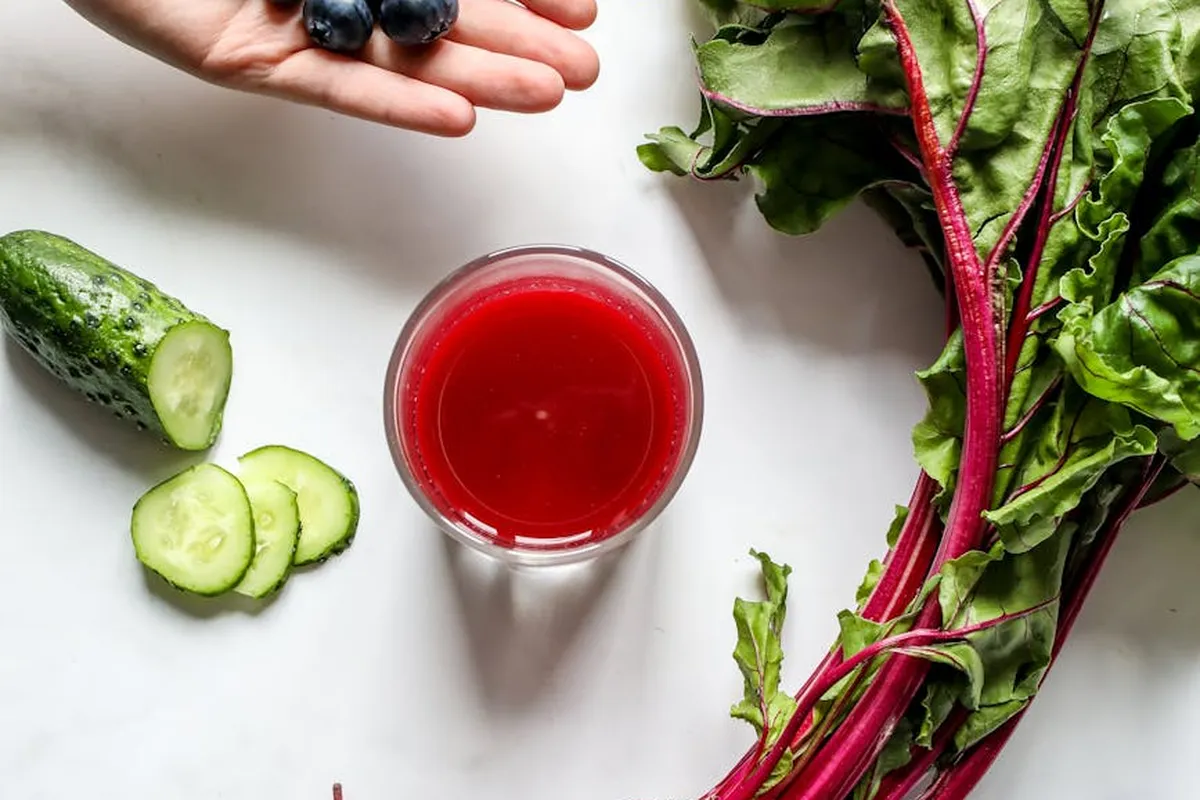
Not all parts of a cucumber are created equal in a bearded dragon’s world. Knowing what to serve and what to skip is the key to a safe and happy mealtime for your scaly friend. I’ve learned through trial and error with my own dragons what works best.
Preparing Cucumber Skin for Safe Consumption
The skin of a cucumber is where most of the nutrients are, but it also poses the biggest challenge. It’s tough and can be difficult for a bearded dragon to chew and digest properly. If your bearded dragon won’t touch greens, this is a common hurdle—and there are simple fixes to make greens appealing again.
From my experience, I always peel the cucumber for my dragons, especially my older ones. A young, healthy dragon might manage a very thin slice with the skin, but peeling it is the safest bet to prevent any risk of impaction. The waxy coating on some store-bought cucumbers can also be hard on their system, so peeling removes that concern entirely.
Are Cucumber Seeds a Choking Hazard?
This is a common worry, but the good news is that the soft, undeveloped seeds in a typical cucumber are not a choking hazard. They are small and easily swallowed.
The real issue with seeds is their very low nutritional value. While the seeds themselves aren’t dangerous, they take up space that could be filled with more nutrient-dense foods. For this reason, I usually scoop them out with a small spoon when I’m preparing cucumber. It’s a simple extra step that makes the snack a bit healthier.
Step-by-Step Guide to Feeding Cucumber
Feeding cucumber isn’t complicated, but a good routine ensures your dragon gets all the benefits without any of the risks. Following these steps has never let me or my dragons down.
Washing and Cutting for Optimal Safety
Proper preparation is non-negotiable for your pet’s health. Here is my go-to method:
- Wash Thoroughly: Rinse the whole cucumber under cool running water. Gently scrub the skin with a clean produce brush to remove any dirt, pesticides, or wax, even if you plan to peel it.
- Peel the Skin: Use a standard vegetable peeler to remove the outer skin. This eliminates the tough-to-digest peel and any chemical residues.
- Cut and Deseed: Slice the cucumber into manageable pieces. For adult dragons, I find that thin half-moons or small cubes are perfect. For younger dragons, I cut it into even smaller, bite-sized pieces. If you choose to, this is the time to scoop out the seed pulp.
- Mix It Up: Never serve cucumber alone. Always mix it with other, more nutritious greens like collard greens, dandelion greens, or mustard greens. This creates a balanced salad that provides hydration without sacrificing vital nutrients.
Feeding Frequency and Age-Based Guidelines
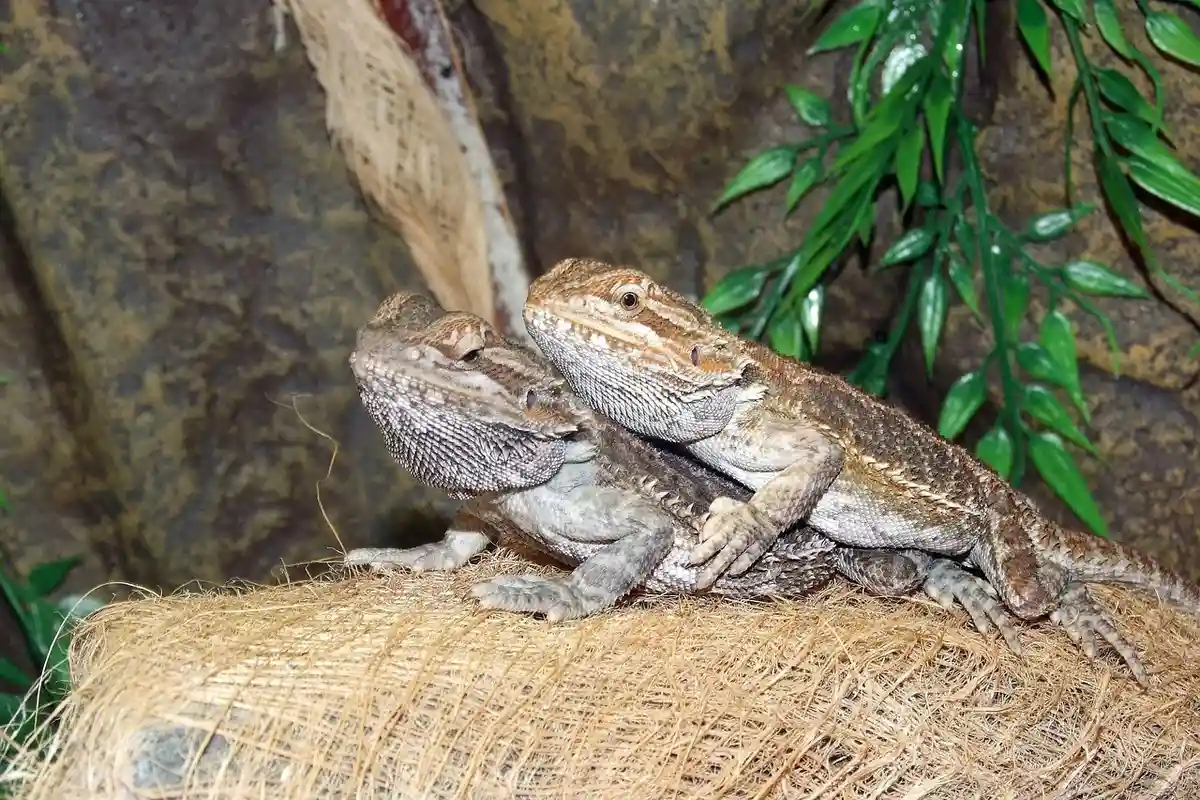
Figuring out how often to offer cucumber is just as important as knowing *if* you should. This isn’t a one-size-fits-all situation; your dragon’s life stage plays a huge role.
Baby Bearded Dragons and Cucumber Feeding
I remember being so excited to offer my first baby dragon, Spike, all sorts of new foods. With babies, their tiny bodies are growing at an incredible rate, and their diet needs to support that explosive development. For baby bearded dragons, I strongly advise against offering cucumber. Their primary focus should be on protein-rich insects for muscle and bone growth. A complete feeding guide by age can tell you exactly how much to feed and how often. These age-based recommendations help ensure healthy growth without overfeeding.
Their digestive systems are also more delicate. The high water content in cucumber can easily fill their small stomachs without providing the substantial nutrition they desperately need, potentially leading to malnutrition. Stick to nutrient-dense greens like collard greens and dandelion greens for their veggie intake, and save the cucumber for when they’re older.
Adult Bearded Dragon Cucumber Portions
For a fully grown dragon, cucumber can be a fun, hydrating *treat*. The keyword here is treat. Think of it like a slice of watermelon for you on a hot day-refreshing, but not a meal.
- Frequency: Offer cucumber no more than once every other week.
- Serving Size: A single, thin slice or a few small cubes is plenty.
- Preparation: Always peel it to remove the tough skin and check for any stubborn seeds.
This should always be part of a varied salad, never the main ingredient. I mix a cube or two of cucumber into a bowl of staple greens, bell peppers, and squash for my adults. It adds a nice crunch and moisture without taking over the meal.
Spotting Digestive Issues and When to Seek Help
Even when you do everything right, sometimes a new food can cause a tummy upset. It’s part of learning what agrees with your specific dragon. Being a good owner means knowing what to look for.
If you’ve recently given your dragon cucumber, keep a close eye on their behavior and, frankly, their poop. A single bout of loose stool can be normal as their system processes the extra water, but persistent issues are a red flag.
Watch for these specific signs of digestive trouble:
- Runny, watery, or unusually smelly stool for more than one bowel movement.
- A lack of appetite or refusal of their favorite insects.
- Lethargy or a noticeable drop in their usual activity level.
- Signs of bloating or discomfort in their abdomen.
If you see any of these symptoms, the first step is to remove cucumber and other high-water foods from their diet immediately. Go back to their trusted, basic greens and insects. Ensure their basking spot is at the correct, hot temperature (around 95-110°F for adults), as proper heat is essential for digestion.
You should contact a reptile veterinarian if the symptoms last for more than 24 hours, if your dragon becomes very lethargic, or if you see any mucus in their stool. It’s always better to be safe and get professional advice. I’ve made that call myself, and it always brings peace of mind.
Nutritious Alternatives to Cucumber in a Beardie Diet
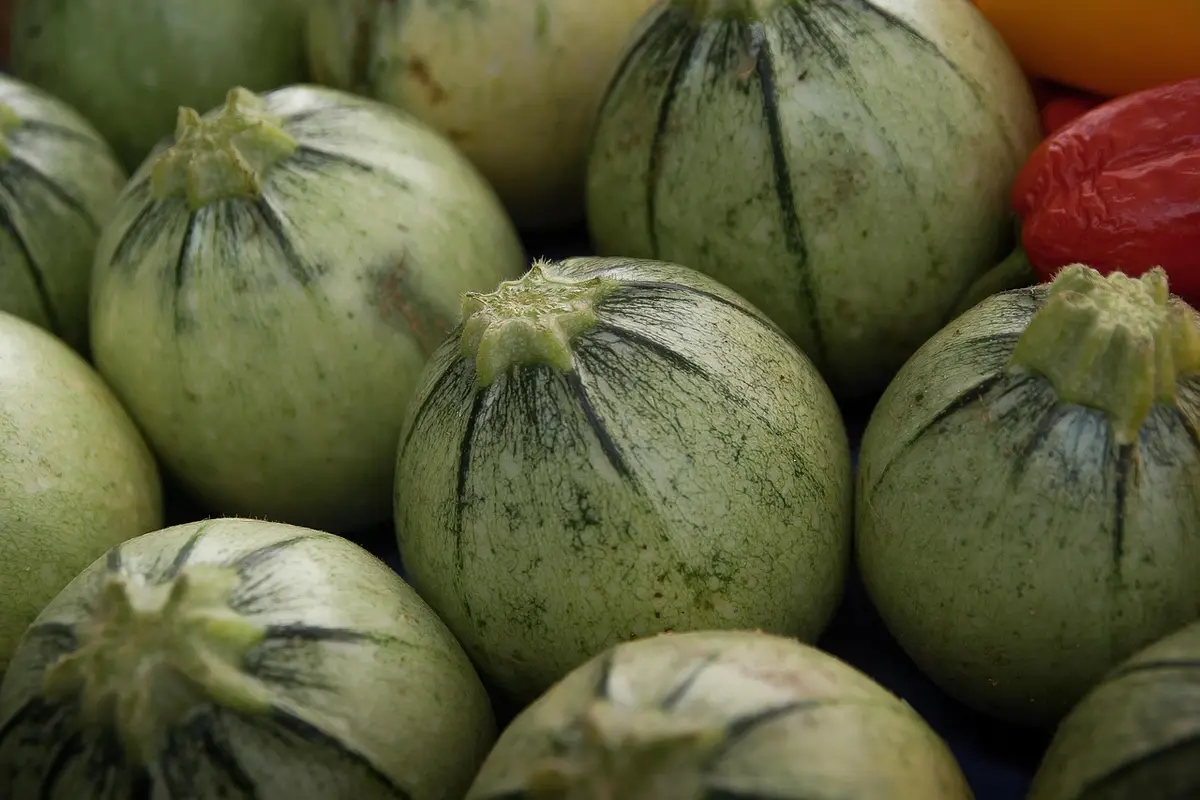
While cucumber can be a fun, hydrating treat, it shouldn’t be a regular fixture in the salad bowl. Your dragon needs a diet rich in vitamins and minerals that cucumber simply can’t provide. I’ve found that rotating through these alternatives keeps my dragons interested and, more importantly, supremely healthy.
Top Staple Greens for Daily Feeding
These are the workhorses of my dragons’ diets. They’re packed with nutrition and low in compounds that can be harmful in large quantities.
- Collard Greens: A superstar in my kitchen. They are consistently high in calcium and a great source of Vitamin A and K.
- Dandelion Greens: Don’t just pull these from your yard (unless you’re 100% sure no pesticides are used). They are a fantastic, calcium-rich option my dragons go crazy for.
- Mustard Greens: Another excellent, nutrient-dense green that adds wonderful variety to their diet.
- Endive / Escarole: These are fantastic, slightly bitter greens that are a staple in my rotation. They offer great hydration and nutrition.
Nutrient-Packed Veggies to Mix In
These vegetables add color, texture, and a powerful nutritional punch. I use them to supplement the staple greens a few times a week.
- Butternut Squash: I grate this raw. It’s an incredible source of Vitamin A and adds a lovely, bright orange color to their salad.
- Bell Peppers (all colors): High in Vitamin C and a great way to add a crunchy, hydrating element. I always remove the seeds and chop them finely.
- Snap Peas: My dragons love the crunch! They provide a good bit of protein and fiber compared to many other veggies.
- Zucchini: If you’re looking for that hydrating quality of cucumber but with more substance, zucchini is a much better choice. It offers more vitamins and minerals.
How These Alternatives Compare to Cucumber
This quick comparison shows you exactly why making the switch is so beneficial for your pet’s health.
| Food Item | Key Benefit Over Cucumber | How Often I Feed It |
|---|---|---|
| Collard Greens | Extremely high in bioavailable calcium, crucial for bone health. | Daily, as a staple |
| Dandelion Greens | Rich in calcium, Vitamin A, and antioxidants. | 3-4 times a week |
| Butternut Squash | Exceptionally high in Vitamin A for immune and eye health. | 2-3 times a week |
| Bell Peppers | Packed with Vitamin C, which cucumber lacks almost entirely. | 1-2 times a week |
The most important lesson I’ve learned is that variety is not just the spice of life for bearded dragons-it’s a cornerstone of their health. By building a diet around these nutritious staples and mixing in other safe veggies, you ensure your dragon gets a full spectrum of the nutrients they need to thrive for years to come. Think of this as part of a complete guide to safe foods for bearded dragons. It highlights which items are safe and how to balance them for a healthy, long life.
Frequently Asked Questions
Can bearded dragons eat cucumber leaves?
No, it is not recommended to feed cucumber leaves to bearded dragons, as they can be tough, difficult to digest, and may contain compounds that could cause digestive upset. Stick to the peeled flesh as an occasional treat for safety. Similarly, if you’re thinking about celery, the leaves are safer and can be offered in small amounts. Stalks should be finely chopped and given only occasionally, following a celery-specific safety guide.
Do bearded dragons like cucumbers?
Many bearded dragons enjoy the cool, crisp texture and high water content of cucumbers, making it a refreshing snack on hot days. However, due to its poor nutritional profile, it should only be offered sparingly as a treat. Bearded dragons can eat certain fruits as part of a balanced diet, but they should be given in moderation. For a complete safe feeding guide on which fruits bearded dragons can eat, including recommended portions and frequency, see our full guide.
Is English cucumber safe for bearded dragons?
Yes, English cucumber is safe for bearded dragons when prepared the same way as regular cucumber—peeled, deseeded, and cut into small pieces. Always serve it in moderation as part of a balanced diet to avoid nutritional issues. A lettuce guide for bearded dragons notes that romaine and other safe greens can be offered in moderation. Remember to vary greens to provide a well-rounded diet.
The Final Slice: Wrapping Up Cucumbers for Your Beardie
So, can bearded dragons eat cucumber? The short answer is yes, but only as a hydrating, occasional treat. Remember to always wash it thoroughly, peel the skin to avoid pesticides and digestive issues, and remove the seeds for safest practice. Think of it as a crunchy, water-filled snack, not a dietary staple. For a complete guide on how vegetables fit into a bearded dragon’s diet, see our vegetables complete feeding guide. It explains which vegetables are safest and how to prepare them as part of a balanced feeding plan.
From my own experience, my dragons get excited for that cool, crisp texture on a hot day. For greens, I rely on a complete safe/unsafe greens list to guide what’s OK to feed. That way, variety stays both tasty and safe. Just remember that variety is the true spice of a healthy beardie’s life. A diet built on nutritious staple greens and vegetables, with the odd cucumber slice for fun, is the best recipe for a happy, thriving pet.
Further Reading & Sources
- Can Bearded Dragons Eat Cucumbers? A Great Source of Water, Sometimes – Dragon’s Diet
- Can Bearded Dragons Eat Cucumber? » Reptile Nutrition Profile
- r/BeardedDragons on Reddit: Can bearded Dragons eat cucumbers?
Bearded Dragon Lair is the ultimate resource for bearded dragon enthusiasts, offering expert advice and practical tips to ensure the health and happiness of your scaly companion. With years of experience in reptile care, we are dedicated to providing accurate, up-to-date information to support your bearded dragon journey.
Feeding Guidelines