Can Bearded Dragons Eat Honeydew and Bee Pollen? A Safety Guide
Published on: January 9, 2026 | Last Updated: January 9, 2026
Written By: Beardie Joe
You’re probably wondering if that sweet honeydew or powdery bee pollen is a safe treat for your bearded dragon.
As a longtime owner of multiple bearded dragons with a focus on reptile nutrition, I’ve personally navigated these exact questions to keep my pets healthy.
We’ll examine the safety of both foods, discuss proper serving sizes, and highlight key risks to avoid for your dragon’s well-being.
Honeydew Safety for Bearded Dragons
Yes, bearded dragons can eat honeydew, but you must treat it as a very rare, special occasion snack. I’ve given my own dragons a tiny cube of honeydew a handful of times over the years, and they always go crazy for the sweet smell. The high sugar content is the single biggest reason to be extremely cautious with this fruit. There’s a complete safe/unsafe list of fruits bearded dragons can eat to guide your choices. Honeydew should still be offered only as an occasional treat.
Let’s break down the good and the bad so you can make an informed choice.
The Pros and Cons of Honeydew
- Pro: Excellent Hydration. Honeydew is over 90% water, which can be a helpful little hydration boost, especially on a hot day or if your dragon needs encouragement to drink.
- Pro: Contains Some Fiber and Vitamin C. It offers a bit of dietary fiber for digestion and a small amount of Vitamin C.
- Con: Very High in Sugar. This is the deal-breaker. Too much sugar can lead to obesity, tooth decay, and serious digestive upset in bearded dragons.
- Con: Poor Calcium-to-Phosphorus Ratio. Like many fruits, it has more phosphorus than calcium, which can interfere with calcium absorption and lead to metabolic bone disease if fed regularly.
From my experience, the key is viewing honeydew like dragon candy. I only offer a couple of small, seedless cubes no more than once a month, and I always mix it with their staple greens. This prevents them from filling up on the sweet stuff and ignoring their nutritious salad.
Bee Pollen Safety for Bearded Dragons
Bee pollen is a more complex topic. While some reptile enthusiasts swear by its nutritional benefits, I approach it with significant caution. It is not a natural part of a bearded dragon’s diet, and the potential risks are very real. Bearded dragons may eat wax worms nutrition and risks, but they should be offered sparingly as a treat due to their high fat content. If you include them, use gut-loaded insects and calcium/vitamin D3 dusting, and choose appropriately sized worms to fit your dragon’s size.
The main claimed benefit is that it’s a “superfood” packed with vitamins, minerals, and amino acids that might boost appetite or overall health. However, scientific evidence for this in reptiles is purely anecdotal.
Potential Dangers of Bee Pollen
- Allergic Reactions: This is my primary concern. Just like people, reptiles can have allergic reactions to pollen, which can be severe and even fatal.
- Digestive Issues: Their digestive systems are not designed to break down large amounts of raw pollen, which can lead to impaction or upset stomach.
- Pesticide Contamination: If the bees collected pollen from plants treated with pesticides, those chemicals become concentrated in the pollen you’re feeding.
- Unknown Long-Term Effects: We simply do not have long-term studies on the effects of feeding bee pollen to insectivorous reptiles.
In my own practice, I have never routinely used bee pollen. The potential for an allergic reaction, which is impossible to predict, outweighs the unproven benefits for me. I’ve found that a well-balanced diet of appropriate insects and vegetables provides all the nutrition a healthy dragon needs without introducing this unknown variable.
Nutritional Benefits and Risks
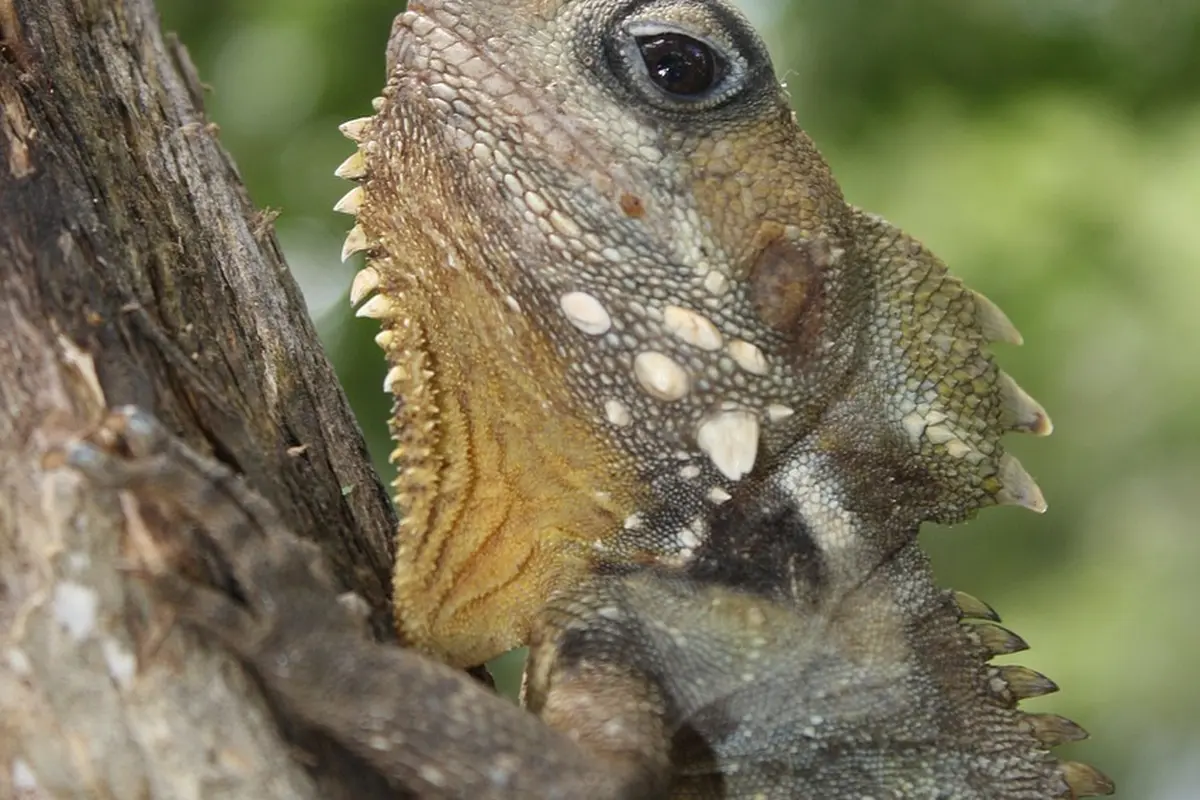
Looking at honeydew and bee pollen side-by-side is like comparing a light, hydrating snack to a potent nutritional supplement. One offers a quick burst of hydration, while the other packs a powerful punch of concentrated nutrients. Understanding this difference is key to using them safely.
Honeydew melon is mostly water and natural sugars. It provides a decent amount of Vitamin C, which supports a healthy immune system, and some Potassium for proper muscle and nerve function. The high water content is great for hydration, but the sugar is the main concern for weight gain. Bee pollen, on the other hand, is incredibly dense. It’s a natural source of amino acids (the building blocks of protein), B-vitamins for energy, and trace minerals that support overall health.
Nutrient Breakdown
| Food Item | Key Nutrients | Effect on Bearded Dragon Health |
|---|---|---|
| Honeydew Melon | High Water Content, Vitamin C, Potassium, Natural Sugars | Promotes hydration and offers immune support, but high sugar can lead to obesity and digestive upset if overfed. |
| Bee Pollen | Protein, B-Vitamins, Amino Acids, Trace Minerals | Can boost appetite and provide a concentrated source of vitamins, but is very rich and should be used as a minor supplement only. |
The biggest risk with both of these foods is overfeeding. I learned this the hard way with my first dragon, Puff. Giving too much honeydew can quickly lead to obesity and diarrhea because of the sugar and water. Bee pollen, while nutritious, is so potent that it can cause an imbalance in their carefully crafted diet if used too liberally. Think of it as a vitamin sprinkle, not a food group.
How to Feed Honeydew and Bee Pollen
Getting the preparation right makes all the difference between a safe treat and a potential problem. Proper preparation ensures your dragon can easily eat and digest these unusual foods. The bearded dragons grapes guide covers grape types and safety. It also outlines how to prepare grapes safely. Let’s walk through it step-by-step.
Preparing Honeydew Melon
- Wash Thoroughly: Rinse the outside of the melon under cool water to remove any pesticides or dirt from the rind.
- Select Ripe Fruit: Choose a ripe honeydew that yields slightly to pressure. Unripe melon is harder to digest.
- Cut and Remove: Slice the melon and cut a piece away from the rind. The tough green skin is a choking hazard and must be completely removed.
- Chop Finely: Dice the soft, orange-green flesh into tiny, bite-sized pieces no larger than the space between your dragon’s eyes.
- Mix with Greens: To prevent your dragon from only picking out the sweet fruit, mix a few small pieces into their regular salad of collard or mustard greens.
Using Bee Pollen
- Source Quality Pollen: Find 100% pure, raw bee pollen granules from a health food store or reputable online supplier.
- Grind it Down: Use a clean coffee grinder or mortar and pestle to crush the granules into a fine powder. Whole granules are too large for a dragon to eat safely.
- Dust Lightly: Take a tiny pinch of the powder-think a small sprinkle-and dust it over their regular salad or insect prey.
Moderation is your guiding principle here. I offer honeydew as a treat no more than once every two weeks, and only one or two tiny pieces per serving. For bee pollen, a light dusting on their salad once a week is more than enough. This frequency gives them the variety and potential benefits without the risks of overdoing the sugar or rich nutrients. Always monitor their droppings after introducing a new food; any sign of runny stools means you should pull back.
Common Pitfalls to Avoid
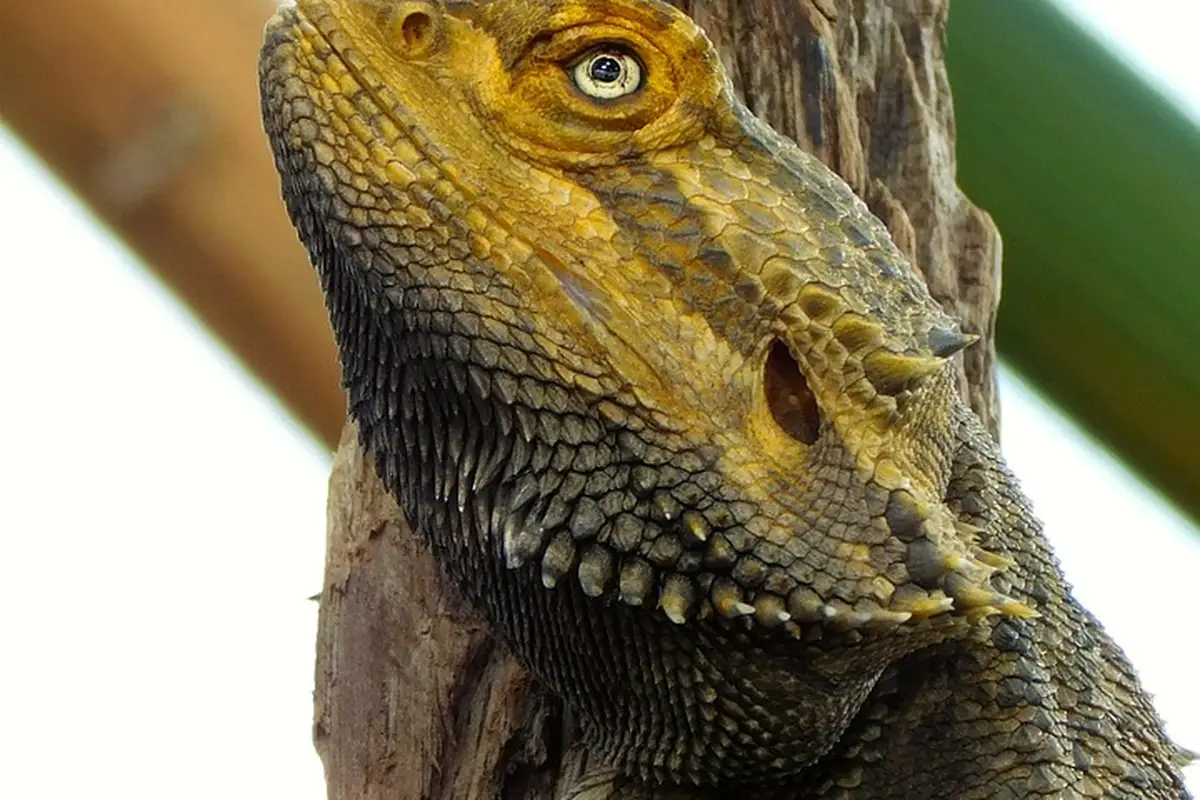
Navigating your bearded dragon’s diet can feel like a minefield. I’ve learned through trial and error that some common kitchen staples are surprisingly dangerous for our scaled friends. Let’s clear up the confusion and keep your pet safe. In this guide to what bearded dragons can’t eat, I’ll spell out toxic foods to avoid and safe alternatives.
Foods to Steer Clear Of
While we’re discussing honeydew and bee pollen, it helps to know what other items belong on the “do not feed” list. This context shows why being cautious is so vital.
- Avocado: This is outright toxic and can cause serious heart problems.
- Rhubarb: Its high oxalic acid content is a fast track to kidney failure.
- Fireflies: Never, ever feed these. They are fatally poisonous to bearded dragons.
- Iceberg Lettuce: It’s mostly water and offers no nutritional value, potentially causing diarrhea.
- Citrus Fruits: Oranges, lemons, and limes are too acidic for their delicate digestive systems.
- High-Water Fruits (like Honeydew): These can lead to watery stools and nutrient dilution if fed too often.
- Unverified Supplements (like raw Bee Pollen): These can contain unknown pesticides or trigger allergic reactions.
Signs of an Adverse Reaction
Your dragon can’t tell you it feels sick, so you must be a detective. Watch closely for these red flags after introducing any new food, including honeydew or bee pollen.
- Lethargy or unusual lack of movement
- Swelling around the face, mouth, or throat
- Difficulty breathing or wheezing sounds
- Runny, watery, or especially smelly stools
- Loss of appetite for more than a day
- Visible bloating or discomfort in the belly
When to Call the Vet
Don’t hesitate to seek professional help. Reptiles hide illness well, so if you see a symptom, it’s often already serious. Pick up the phone immediately if you notice any of the signs above, especially swelling or trouble breathing. Vomiting, prolonged diarrhea, or any form of paralysis are also major emergencies. It’s always better to call and be told it’s minor than to wait and regret it.
Safe Alternatives to Honeydew and Bee Pollen
You want to treat your dragon, and you absolutely should! The good news is there’s a whole world of delicious and nutritious alternatives that are much safer bets. From my experience, variety is the spice of a healthy dragon’s life. When planning meals, aim for the best safe staples—leafy greens and vegetables—and sprinkle in occasional, vet-approved treats. This balanced approach keeps your dragon healthy and eager to munch.
Excellent Fresh Fruit Options
These fruits are lower in sugar and water than honeydew, making them fantastic occasional treats. I like to offer small pieces once a week.
- Figs: A great source of calcium, which is crucial for bone health.
- Berries: Blueberries, raspberries, and strawberries are packed with antioxidants.
- Papaya: Contains enzymes that can aid digestion.
- Mango: A sweet treat that’s rich in Vitamins A and C.
- Apple (peeled): A crunchy, familiar favorite in tiny amounts.
Trusted Supplement Boosters
Instead of risky bee pollen, try these proven supplements. I always keep a high-quality calcium powder and a multivitamin on hand for dusting insects. Another safe option is a tiny bit of pureed pumpkin (not pie filling) for a fiber boost.
Quick Guide: Safe vs. Risky Foods
| Safe & Healthy | Risky & Best Avoided |
|---|---|
| Collard Greens, Dandelion Greens | Spinach, Iceberg Lettuce |
| Butternut Squash, Bell Peppers | Avocado, Rhubarb |
| Blueberries, Figs | Honeydew, Citrus Fruits |
| Dubia Roaches, Black Soldier Fly Larvae | Fireflies, Wild-caught Insects |
| Calcium Powder, Reptile Multivitamin | Raw Bee Pollen, Human Vitamin Supplements |
Frequently Asked Questions
Can bearded dragons eat dragon fruit?
Yes, dragon fruit is safe for bearded dragons as an occasional treat. Bearded dragons can eat fruit, and dragon fruit is safe for this purpose when offered in moderation. It provides hydration and vitamins, but its high water and sugar content means it should be fed in small, infrequent portions to avoid digestive issues.
Can bearded dragons eat honey?
No, honey is not safe for bearded dragons due to its high sugar content and risk of bacterial contamination like botulism. Stick to safer treats like fruits with lower sugar levels to prevent health problems.
Can bearded dragons eat mango?
Yes, mango is a safe and nutritious option for bearded dragons when given in moderation. It offers vitamins A and C, but limit servings to avoid excess sugar, which can lead to obesity or diarrhea. You can learn about the safe fruits to feed your bearded dragon in our complete guide.
The Final Scoop
So, can your bearded dragon have honeydew and bee pollen? Honeydew is a sugary, rare treat, while pure bee pollen is a fantastic, nutrient-dense supplement. I always keep a jar of bee pollen in my reptile cabinet, but I only offer tiny fruit cubes like honeydew a few times a year as a special surprise. For a bearded dragon, this is the kind of note you’ll see in a complete guide to safe foods—how to balance treats with staples. It helps explain what’s truly safe to eat and how often to offer it.
The golden rule in my home is always moderation and quality. Your dragon’s health hinges on a staple diet of gut-loaded insects and fresh, dark leafy greens. Everything else, no matter how healthy it seems, is just the delicious icing on the cake. From my experience, this balanced approach keeps my dragons thriving for years. When it comes to greens, there’s a complete safe/unsafe list for what bearded dragons can eat. Having that guide helps ensure every bite stays healthy and safe.
Further Reading & Sources
- r/BeardedDragons on Reddit: Bee pollen for bearded dragon.
- Bee Pollen for Bearded Dragons | ABDragons
- Can Bearded Dragons Eat Bee Pollen? – ABDRAGONS
Bearded Dragon Lair is the ultimate resource for bearded dragon enthusiasts, offering expert advice and practical tips to ensure the health and happiness of your scaly companion. With years of experience in reptile care, we are dedicated to providing accurate, up-to-date information to support your bearded dragon journey.
Feeding Guidelines