Can Bearded Dragons Eat Radishes? A Quick Guide
Published on: January 16, 2026 | Last Updated: January 16, 2026
Written By: Beardie Joe
You’re holding a crisp radish and looking at your bearded dragon, wondering if it’s a safe treat.
As a long-time beardie owner, I’ve learned which veggies are staples and which should be rare guests in the food bowl.
We’ll cover radishes, their leafy greens, and also check on kohlrabi and prunes so you can feed with confidence.
Radishes in a Bearded Dragon’s Diet: The Core Facts
Nutritional Profile of Radishes
Radishes are mostly water and fiber, which isn’t a bad thing for hydration and digestion. They offer a small boost of Vitamin C and potassium. Think of a radish as a crunchy, low-calorie snack that provides minimal nutritional punch for your beardie. It’s not a powerhouse like dandelion greens, but it’s not entirely empty either.
In my own tank, I view radishes as a “sometimes” food, not a staple. They add a different texture and a bit of variety to the salad bowl. The key is their extremely low oxalate content, which is a definite plus for calcium absorption. You don’t have to worry about them binding to calcium the way spinach does.
Potential Risks and How to Mitigate Them
The main concern with radishes isn’t toxicity, but their goitrogen content. Goitrogens can interfere with thyroid function if fed in large, frequent amounts. This risk is easily managed by treating radishes as an occasional treat, not a daily vegetable. Moderation is your best friend here.
I always prepare radishes by washing them thoroughly to remove any pesticide residue. Then, I grate them or chop them into very small, manageable pieces. Chopping them finely prevents any choking hazard and makes it easier for your dragon to digest the crunchy bulb. A few small pieces mixed into a diverse salad once every couple of weeks is a safe frequency in my experience.
Radish Greens, Leaves, and Tops: Are They Safer?
This is where it gets interesting! The leafy green tops of the radish plant are often a better choice than the root itself. Radish greens are rich in calcium and Vitamin A, two nutrients that are vital for your bearded dragon’s bone health and eyesight. They have a more robust nutritional profile compared to the pale root. For a quick reference, see our leaves bearded dragons eat guide for safe greens and toxic varieties. Radish greens can be included, but follow the guide to keep a safe, varied diet.
I frequently snip the fresh, green leaves from my garden radishes to add to my dragons’ meals. Always ensure the greens are washed even more meticulously than the radish, as they can trap dirt and tiny bugs. I tear them into bite-sized pieces to make eating easier.
While they are a healthier option, they still contain those same goitrogens. You can confidently feed radish greens a bit more often than the radish root, but they still shouldn’t replace staple greens like collard or mustard greens. Rotate them in with other safe greens for a well-rounded and exciting diet.
Kohlrabi: Understanding This Brassica Vegetable
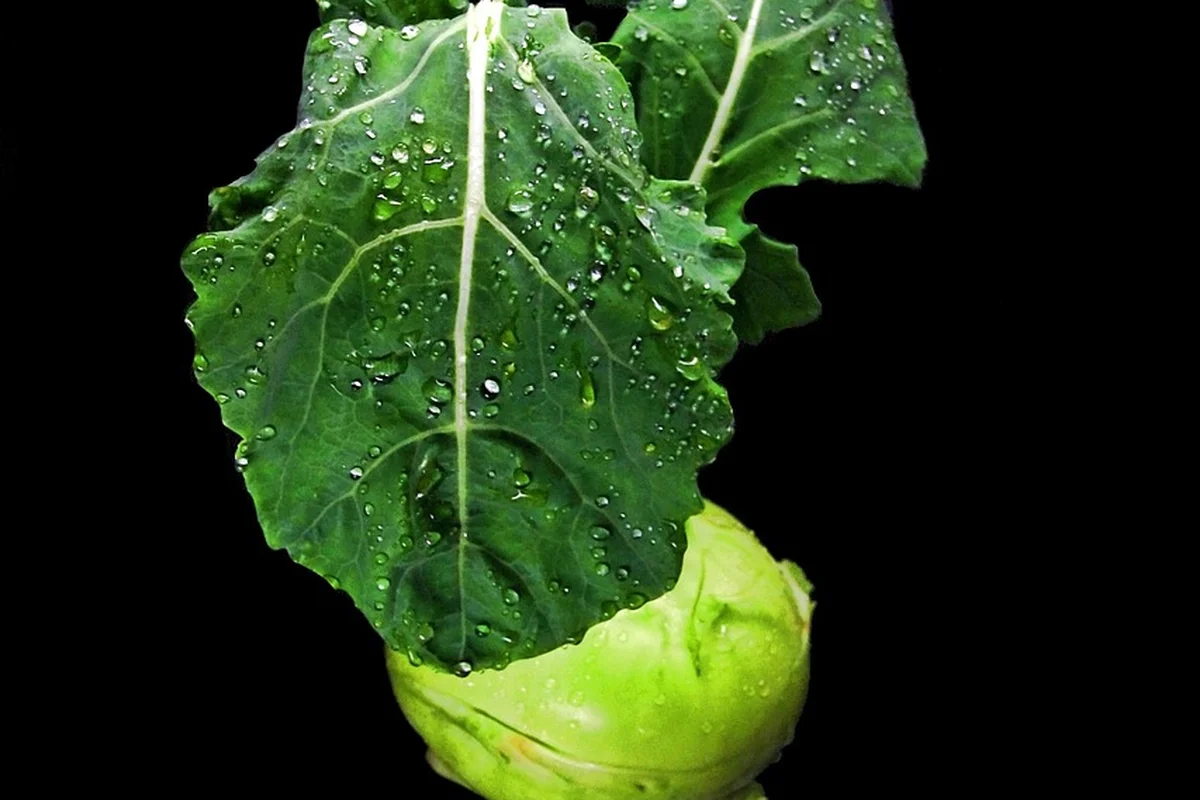
That funny-looking, Sputnik-shaped vegetable in the grocery store is kohlrabi, and yes, your bearded dragon can have some. I grow it in my garden, and my dragons always get curious when I bring a fresh one inside. Kohlrabi is part of the brassica family, which includes well-known veggies like broccoli and cabbage, so we need to be mindful of how we serve it. For bearded dragons, kohlrabi can be part of a varied vegetable lineup in a complete feeding guide, offered in moderation along with other greens. This guide explains safe serving sizes, rotation, and how to balance greens with other foods.
Feeding Kohlrabi Safely
You can offer both the bulb and the leaves to your beardie, but preparation is key for their safety and enjoyment.
- Peel the Bulb: The outer skin of the kohlrabi bulb is extremely tough and fibrous. It’s very difficult for a bearded dragon to chew and digest. Always peel it completely to reveal the crisp, inner flesh.
- Chop or Shred: The inner part is quite hard. Grate it or chop it into very small, manageable pieces to prevent any choking risk.
- Don’t Forget the Greens: The leafy greens attached to the kohlrabi are often the best part for your pet! They are tender, nutritious, and much easier to eat. Chop them up and mix them into their salad.
- Serve Raw and Fresh: There’s no need to cook kohlrabi for your dragon. Cooking can leach out nutrients and soften it to a potentially messy consistency. Fresh and raw is perfect.
- Moderation is Non-Negotiable: Like other brassicas, kohlrabi contains goitrogens. These are substances that can interfere with thyroid function if fed in huge, continuous amounts. This makes kohlrabi a terrific occasional addition to a varied diet, not a daily staple. I use it as a “surprise” ingredient every couple of weeks.
Prunes: The Sugar and Fiber Concern
Let’s talk about prunes. These are simply dried plums, and that drying process concentrates everything-especially sugar.
I would not recommend feeding prunes to your bearded dragon. The intensely high sugar content is the primary reason to avoid this dried fruit, as it can easily lead to digestive upset and contribute to obesity. For a complete safe feeding guide on fruits bearded dragons can eat, check our guide on safe fruit choices. It explains which fruits are safe, how often to feed them, and proper portion sizes.
Beyond the sugar shock, prunes are famous for their high fiber content, which acts as a potent natural laxative for humans. In a small reptile, this can cause severe diarrhea and dehydration, which is a serious health risk.
If you really want to offer your dragon the flavor of plum, a tiny, tiny piece of fresh plum (with the skin removed) on a very rare occasion is a much safer bet. The fresh fruit has more water content and less concentrated sugar. Stick to fresh, water-rich fruits like berries or melon as your very rare fruit treats instead. Your dragon’s digestive system will thank you.
Building a Balanced Diet with Safe Vegetables and Greens
Getting the veggie portion of your dragon’s diet right is one of the most rewarding parts of being an owner. I love watching my beardies curiously investigate their food dish every morning. A colorful, varied salad isn’t just food; it’s enrichment and a cornerstone of their long-term health. To keep this part simple and safe, I follow the ultimate safe food list for fruits and vegetables bearded dragons eat to guide what goes in the bowl. This helps me rotate options while staying within safe choices.
Best Leafy Greens for Daily Variety
Think of these as the reliable base of your dragon’s salad, making up the bulk of their plant-based intake. I rotate through these staples to keep things interesting for my pets.
- Collard Greens: A top-tier choice, packed with calcium and low in oxalates that can block nutrient absorption.
- Mustard Greens: Another fantastic daily green that my dragons seem to genuinely enjoy the slightly peppery taste of.
- Dandelion Greens: Not the ones from your yard if you use pesticides! These are nutrient powerhouses, rich in vitamins A and K.
- Escarole & Endive: These are excellent for adding a different texture and a mildly bitter flavor that encourages foraging behavior.
- Turnip Greens: A wonderful, calcium-rich option that adds great variety to the weekly menu.
Vegetables to Use Sparingly or Avoid
Not all vegetables are created equal in the world of bearded dragons. Some can cause serious health issues if fed too often. I’m very careful with this list in my own home. That’s why I keep a greens guide for bearded dragons—a complete, safe, and unsafe list of greens bearded dragons can eat. It helps me ensure I feed them only the right greens in the right amounts.
- Spinach and Beet Greens: These are high in oxalates, which bind to calcium and can lead to metabolic bone disease, a devastating condition.
- Iceberg Lettuce: It’s mostly water and offers little to no nutritional value. It can also cause runny stools.
- Kale: This is a topic of debate. I use it occasionally as part of a mix, but not as a staple due to concerns about goitrogens affecting thyroid function.
- Broccoli and Cabbage: These can cause gas and bloating in a dragon’s delicate digestive system, so I only offer tiny amounts as a very rare treat.
- Onions, Leeks, and Garlic: All are toxic to reptiles and must be completely avoided.
Practical Feeding Tips for Optimal Health

Knowing what to feed is half the battle; the other half is knowing how to feed it. These simple practices have kept my dragons thriving for years.
- Wash Everything Thoroughly: I always rinse greens and veggies under cool water to remove any potential pesticides or contaminants.
- Chop to Bite-Size Pieces: Food should be smaller than the space between your dragon’s eyes to prevent choking.
- Create Colorful Salads: Mix in safe, brightly colored veggies like shredded carrots or bell pepper strips to make the meal visually appealing.
- Dust with Supplements: Lightly coat the salad with a calcium powder a few times a week and a multivitamin once a week for adults.
- Remove Uneaten Food: Fresh salads can wilt and grow bacteria quickly under a basking light. Clean the dish daily to keep their home hygienic.
Frequently Asked Questions
Can bearded dragons eat radishes?
Yes, bearded dragons can eat radishes in small amounts as an occasional treat, but they should not be a regular part of their diet due to goitrogens that can impact thyroid health. Similar to cherries, radishes should be fed sparingly.
Do bearded dragons eat radish greens?
Yes, radish greens are safe and nutritious for bearded dragons, offering benefits like calcium and Vitamin A, but feed them in moderation alongside other staple greens to avoid overconsumption of goitrogens. Turnip greens are another great option to rotate with radish greens. When feeding turnip greens, follow the same nutrition safety tips: offer in moderation, ensure a good calcium-to-phosphorus ratio, and provide a varied mix of greens to keep meals balanced.
Do bearded dragons eat radish sprouts?
Radish sprouts can be fed to bearded dragons if washed well and chopped finely, but they should be given only occasionally as a varied addition to ensure a balanced diet and minimize any potential risks. Bearded dragons can also eat small amounts of Brussels sprouts and bean sprouts. These should be offered sparingly and only as part of a varied diet to avoid potential digestive issues and goitrogen effects.
Wrapping It Up
So, can your bearded dragon eat radishes? The short answer is yes, but think of them as a rare treat, not a staple food. I keep radishes on my dragons’ menu for an occasional, hydrating crunch, but I never let them become a regular part of the salad. For a full breakdown of safe foods for bearded dragons, see our complete guide. This resource outlines what is safe to eat, how often to feed, and portion sizes. The key is always moderation and knowing which part of the plant is safest to offer.
Remember that a great diet is built on variety. Rotate through a rainbow of safe staple greens like collard and mustard greens, and use items like kohlrabi leaves or the rare prune as thoughtful, specific additions. Bearded dragons eat collard greens and mustard greens as part of a safe greens rotation. This bearded dragon greens guide explains which greens are safe and how to serve them. Your dragon’s vibrant health is a direct reflection of the careful choices you make at mealtime.
Further Reading & Sources
- r/BeardedDragons on Reddit: A question about radishes.
- Can Bearded Dragons Eat Radishes? – Dragon’s Diet
- Can Bearded Dragons Eat Radishes Safely? – TopFlight Dubia
Bearded Dragon Lair is the ultimate resource for bearded dragon enthusiasts, offering expert advice and practical tips to ensure the health and happiness of your scaly companion. With years of experience in reptile care, we are dedicated to providing accurate, up-to-date information to support your bearded dragon journey.
Feeding Guidelines