
Do Bearded Dragons Drink Water? (Bowl Safety, Tap Water & Skin Absorption)
Published on: December 20, 2025 | Last Updated: December 20, 2025
Written By: Beardie Joe
You might be surprised to learn that the way bearded dragons drink water isn’t always what you’d expect from a pet.
As a long-time owner of multiple bearded dragons, I’ve navigated their unique hydration needs firsthand and I’m here to guide you through it.
We will explore the safety of using a water bowl, if tap water is a good choice, and how they can absorb water through their skin.
Do Bearded Dragons Actually Drink Water?
You might have noticed your bearded dragon doesn’t often lap up water like a dog or cat. This is completely normal behavior, and yes, they do drink water, just not always in the ways we expect. In my years of caring for these amazing reptiles, I’ve observed three primary ways they hydrate. Understanding their hydration needs goes hand in hand with knowing what and how they eat.
First, some dragons will readily drink from a water bowl, especially if they see the water moving. Second, they lick water droplets off their snouts, decor, and enclosure walls during misting sessions. This licking behavior is how many of my own dragons prefer to drink, mimicking how they would find morning dew in the wild. Finally, they absorb a small amount of moisture through their skin, particularly around their vent (the cloaca), during soaks. For bearded dragons, hydration and feeding balance are important when worms are part of the diet. Our bearded dragons eat worms guide covers safe, nutritious worm options and feeding guidelines.
Providing Water: Bowls, Misting, and Soaking
A good hydration strategy uses a combination of methods. Relying on just one technique, like only a water bowl, often leads to an under-hydrated dragon. I always tell new owners to think of hydration as a three-part system for the best results.
Water Bowl Setup and Safety
A water bowl is a standard part of most enclosures, but it needs to be set up correctly to be safe and effective.
- Choose the Right Bowl: Select a shallow, heavy ceramic bowl that your dragon cannot easily tip over. I avoid plastic as it can be scratched and harbor bacteria.
- Prevent Spills and Floods: Place the bowl on the cool side of the tank to avoid rapid evaporation from the heat lamp. A spilled bowl can spike humidity to dangerous levels, leading to respiratory infections.
- Keep it Clean: Change the water daily and scrub the bowl with a reptile-safe disinfectant at least once a week to prevent a slimy bacterial biofilm from forming.
- Supervise for Safety: Never place a water bowl so deep that a baby or small dragon could drown. If you’re ever unsure, it’s safer to skip the bowl and focus on misting and soaks.
Misting for Hydration and Humidity
Misting is my go-to method for encouraging my dragons to drink. It stimulates their natural instinct to lick water droplets from surfaces, which is often more effective than a still bowl of water.
Use a clean spray bottle and mist the enclosure walls, rocks, and decor with fresh water. You can also gently mist your dragon’s head and snout. Watch for them to start licking the water off. A short, 10 to 15-minute misting session once or twice a day is usually perfect. Be careful not to over-saturate the substrate, as this can cause mold and consistently high humidity.
Bathing and Soaking Guidelines
Bathing serves two purposes: it encourages hydration through cloacal absorption and helps with shedding. I give my adult dragons a warm bath about once a week, increasing frequency if they are having a difficult shed.
- Use a clean plastic tub or your sink that is free of soaps and chemicals.
- Fill it with lukewarm water-test it with your wrist; it should feel warm, not hot.
- The water level should be shallow, only reaching your dragon’s shoulders when seated. They must be able to easily keep their head above water.
- Supervise the entire bath, which should last between 10 and 20 minutes.
- Never leave your dragon unattended, and gently dry them off with a soft towel afterwards to prevent them from getting chilled.
Is Tap Water Safe for Your Bearded Dragon?
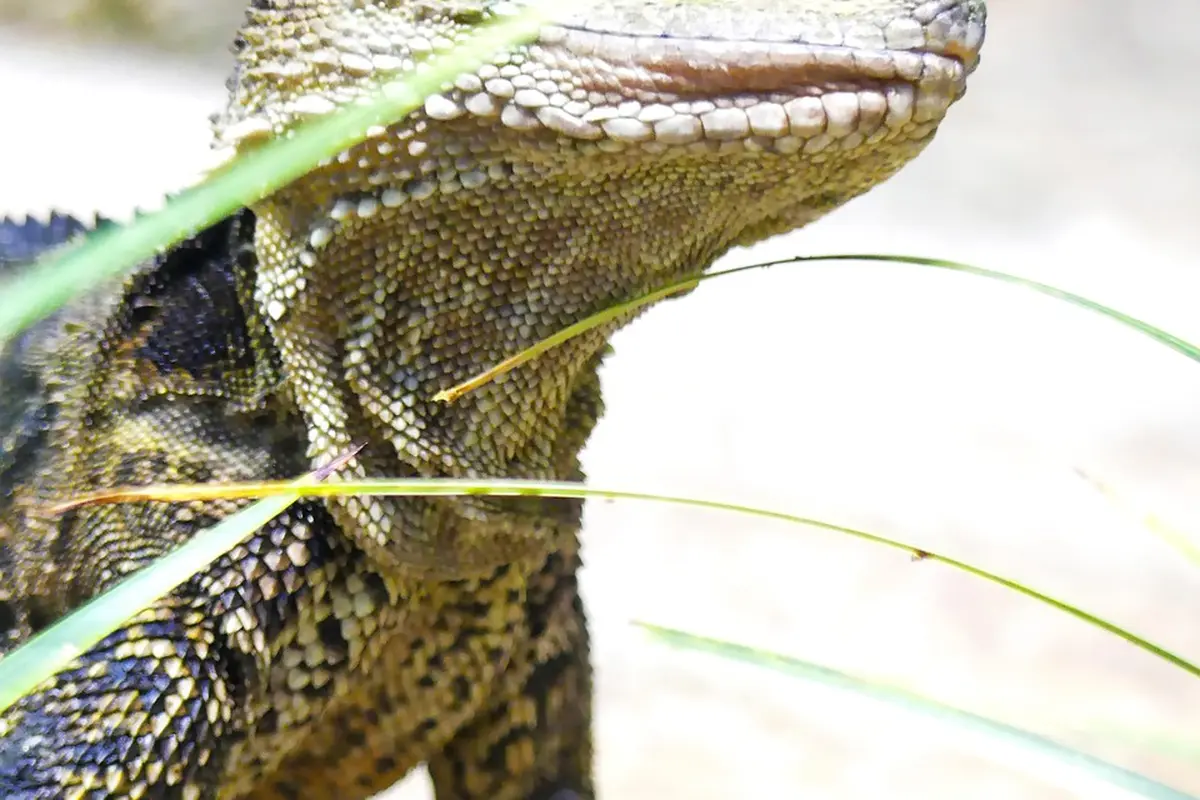
You might fill your own glass from the tap without a second thought, but your scaly friend has a much more sensitive system. Tap water safety really depends on your local water quality and any additives like chlorine or chloramine. I’ve seen beardies react poorly to heavily treated water, so I always err on the side of caution.
What to Watch Out For in Tap Water
Municipal water often contains chemicals to make it safe for humans, but these can irritate a reptile. Chlorine and chloramine are the main concerns, as they can disrupt your dragon’s gut health and overall well-being. In one of my first beardies, I noticed he’d avoid his water bowl on days I used fresh tap water, which was my first clue something was off. That’s also why a reliable bearded dragon eating guide emphasizes which foods are toxic and must be avoided. Sticking to that guide can help prevent health issues from bad foods.
- Chlorine: Can often be removed by letting water sit out for 24 hours.
- Chloramine: A more stable compound that won’t evaporate; requires a water conditioner.
- Heavy Metals: Like lead or copper, which can be present in older pipes.
- Fluoride: Added to many water supplies, with debated long-term effects on reptiles.
Your Safe Water Options
You have a few reliable choices to ensure your pet stays hydrated without risk. I personally use a simple reptile-safe water conditioner for all my dragons’ water, and it’s made a noticeable difference. It’s a small step that supports their health for years, especially when combined with proper temperature regulation.
- Treat Tap Water: Use a water conditioner from a pet store to neutralize harmful chemicals instantly.
- Filtered Water: Bottled spring water or water from a high-quality filter is a great, hassle-free alternative.
- Distilled Water: Avoid this; it lacks minerals and isn’t ideal for regular drinking.
Skin Absorption: Do They Drink Through Their Skin?
This is a common myth I hear all the time, and it’s important to set the record straight. Bearded dragons do not drink water through their skin like amphibians such as frogs do. Their skin is designed to prevent water loss in arid environments, not to absorb it. Speaking of care, there’s a complete guide on safe foods for bearded dragons that explains what to feed, how often, and what to avoid. It’s a helpful resource for choosing safe foods.
Watching my own dragons during bath time taught me how they really hydrate. They might sit in water, but they are absorbing moisture orally by lapping it up, not through their skin. You’ll see them dip their heads and drink with their tongues, which is a clear sign of how they intake fluids. For broader care, many guides also discuss coconut oil and water safety, and dietary fiber for bearded dragons. These are safety topics to explore alongside hydration.
How Bearded Dragons Actually Hydrate
Understanding their natural behaviors helps you provide water in ways they recognize. In the wild, they lick morning dew or rain droplets from surfaces, which is why misting can encourage drinking. I’ve had great success by gently misting my dragons’ noses and greens to stimulate that instinct. Additionally, if you offer watermelon as a treat, follow a watermelon seeds and rind safety guide—remove seeds and rind and offer only small pieces. This helps prevent choking or digestion issues.
- Oral Drinking: They lap water with their tongues from bowls, droplets, or during baths.
- Food Moisture: Fresh veggies and gut-loaded insects provide a significant portion of their hydration.
- Behavioral Cues: If you see them licking surfaces after misting, they’re likely drinking.
Why the Myth Persists and What to Do
This idea might come from seeing them in water or from confusion with other pets. Focus on providing clean, accessible water in a shallow bowl and through regular misting to support their natural drinking habits. I always keep a fresh bowl and mist daily, which keeps my crew happy and hydrated.
Recognizing and Preventing Dehydration
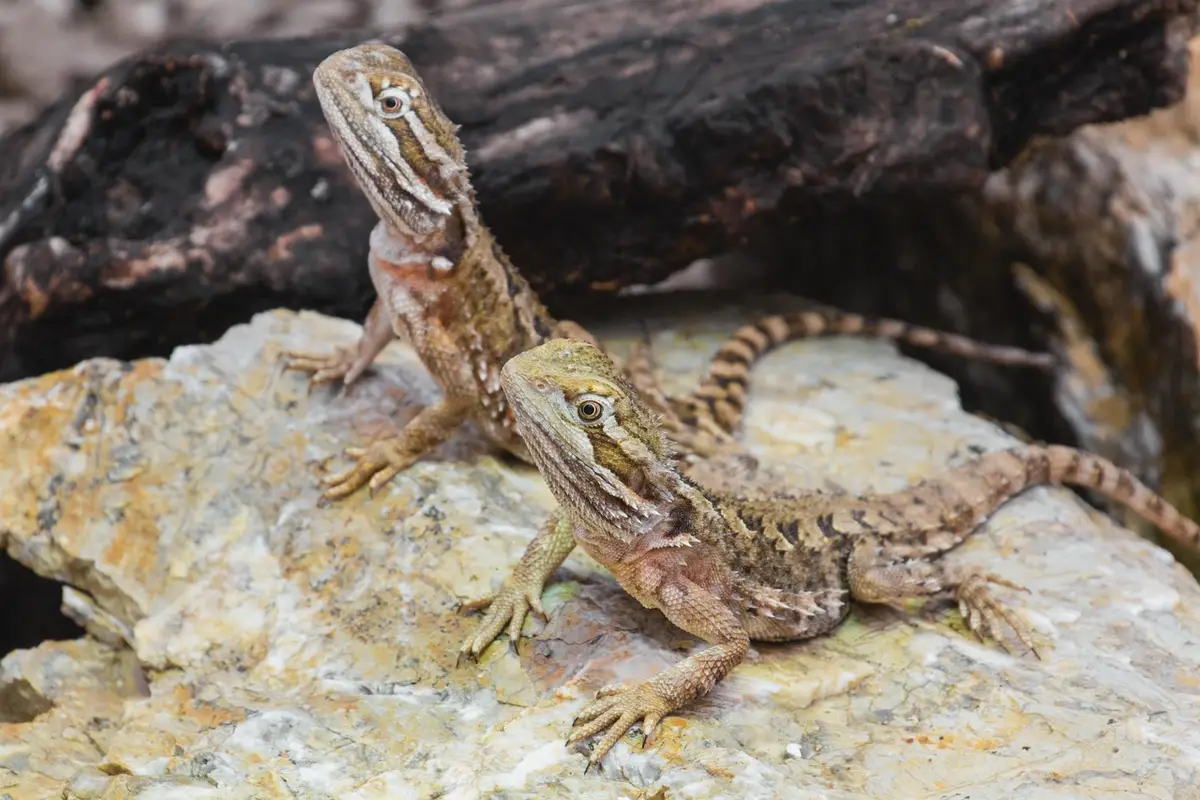
Keeping your bearded dragon hydrated is one of the most fundamental parts of their care. Dehydration can sneak up on them, and recognizing the early signs is your first line of defense. I’ve caught a few of my own dragons looking a bit “off,” and a quick check for these symptoms has saved us a lot of trouble. Knowing the difference between healthy and sick signs helps you act quickly. A healthy dragon should look alert with bright eyes and smooth, hydrated skin; warning signs like lethargy, sunken eyes, or wrinkled skin indicate they may be dehydrated or ill.
Classic Signs Your Bearded Dragon Needs More Water
Your dragon can’t tell you they’re thirsty, but their body sends clear signals. Watch for these physical and behavioral changes.
- Loose, wrinkly skin: Healthy, hydrated skin should be smooth and taut. Gently pinch the skin on their side or back; if it doesn’t snap back into place quickly, it’s a major red flag.
- Sunken eyes: Their eyes should look bright and full. Dehydration causes them to appear dull and recessed into the skull.
- Loss of appetite: A dehydrated dragon often loses interest in food. Their body is struggling, and eating is a low priority.
- Lethargy and weakness: You might notice them moving less or seeming generally sluggish. In severe cases, they may struggle to support their own weight.
- Stringy, thick saliva: If you see saliva at all, which is rare, it should not be sticky or stringy. This indicates a serious lack of moisture.
- Constipation or hard, chalky urates: Their urates (the white part of their poop) should be soft and mostly white. Hard, chalky, or yellow urates are a classic sign of dehydration.
Simple Ways to Boost Their Hydration
Once you spot the signs, or better yet, to prevent them entirely, you have several effective tools. I use a combination of these methods with my crew to keep everyone happy and hydrated.
- Offer a water bowl: Provide a shallow, sturdy dish they can’t tip over. Change the water daily to keep it fresh and appealing.
- Mist them gently: Use a clean spray bottle to mist their snout and body. Many dragons will lick the water droplets directly off their face. I do this every morning.
- Provide regular baths: A lukewarm, shallow bath for 15-20 minutes a few times a week encourages them to drink through their vent and through lapping. Always supervise bath time closely for safety.
- Hydrate their greens: After washing their salad greens, don’t shake them completely dry. The extra water droplets on the leaves provide a sneaky source of hydration.
- Use a syringe or dropper: For a dragon that is visibly dehydrated or reluctant to drink, you can gently drip water onto the tip of their snout. They will usually lick it off. Be patient and slow to avoid aspiration.
Frequently Asked Questions
Should I use a water fountain for my bearded dragon?
While a water fountain can encourage drinking due to the movement, it requires diligent daily cleaning to prevent bacterial growth. For most owners, a simple shallow bowl combined with regular misting is a safer and more manageable option.
What temperature should the water in my bearded dragon’s bowl be?
Room temperature water is best, as water that is too cold or warm may deter drinking. Ensure it matches the ambient temperature of the enclosure’s cool side to keep it appealing and safe.
What size water dish is best for my bearded dragon?
Select a shallow dish that is wide and stable, with a depth no greater than 1-2 inches to prevent drowning risks. For adult dragons, a bowl around 6-8 inches in diameter allows easy access without compromising safety.
Final Thoughts
Keeping your bearded dragon hydrated is a multi-step process that goes far beyond just offering a water bowl. I’ve found that combining fresh, treated tap water, regular misting, and hydrating foods creates a robust system for their health. This approach has always worked wonders for my own dragons, keeping them active and well. To translate this into a practical daily routine, many keepers consult a daily hydration guide to ensure hydration needs are met. This guide helps you balance water, misting, and hydrating foods so your dragon stays properly hydrated.
Your watchful eye is the most important tool you have for ensuring your pet stays happily hydrated. Pay close attention to their behavior and skin elasticity, and you’ll become an expert at meeting their unique needs. Providing clean, safe water is a simple yet profound act of care for your scaly friend.
Further Reading & Sources
- Bearded Dragon Hydration Guide: How Much Water Do They Need?
- Water intake | Bearded Dragon Forum
- Do Bearded Dragons Drink Water? The Essential Guide
Bearded Dragon Lair is the ultimate resource for bearded dragon enthusiasts, offering expert advice and practical tips to ensure the health and happiness of your scaly companion. With years of experience in reptile care, we are dedicated to providing accurate, up-to-date information to support your bearded dragon journey.
Hydration Needs