
Can Bearded Dragons Eat Watermelon?
Published on: January 13, 2026 | Last Updated: January 13, 2026
Written By: Beardie Joe
You’re holding a juicy slice of watermelon and see your bearded dragon watching you, and that question pops right into your head.
As an owner of multiple beardies, I’ve navigated these treat questions myself and I’m here to give you the clear, safe answers you need.
We’ll cover if watermelon is safe, the critical truth about seeds and rind, and my simple guide for serving it properly.
Is Watermelon Safe for Bearded Dragons?
Yes, bearded dragons can eat watermelon, but only as an occasional treat. Think of it like a slice of birthday cake for them—a fun, special indulgence, not a regular part of their diet. For a comprehensive, safe menu, refer to our ultimate safe food list of fruits and vegetables bearded dragons can eat. It helps you mix a balanced diet and avoid risky items.
Moderation is absolutely essential because of two main factors: high sugar and high water content. Too much sugar can lead to weight gain and other health issues over time, while the excess water can cause very messy, runny stools. Their little bodies just aren’t designed to handle a lot of sugary, watery fruit.
From my own experience, my beardie, Puff, goes absolutely wild for a tiny cube of watermelon. I give it to him maybe once a month during the summer, and it’s a fun way to help him hydrate on a particularly hot day. I always watch him closely afterward, and I’ve definitely noticed his next bowel movement is much wetter than usual, which confirms why it must stay a rare treat.
Understanding Watermelon Parts: Flesh, Seeds, and Rind
Not all parts of a watermelon are created equal when it comes to your dragon’s safety. You need to be very specific about what you’re offering.
- Flesh (The Pink Part): This is the only part you should consider feeding. It’s soft, hydrating, and generally safe in tiny, controlled amounts.
- Seeds: These are a definite no. Seeds are a serious choking hazard and can cause a life-threatening gut impaction, where their digestive system gets blocked. Always, always remove every single seed.
- Rind (The Green and White Part): You should avoid feeding the rind. It’s very tough, difficult to digest, and often treated with pesticides or waxes that you can’t simply wash off. Feeding it risks another form of impaction.
For a quick, at-a-glance reference, here is the safety breakdown for each part of the watermelon.
- Flesh: Acceptable as a rare treat.
- Seeds: Unsafe. Choking and impaction hazard.
- Rind: Unsafe. Difficult to digest and potential for chemical exposure.
Health Benefits and Potential Risks of Watermelon
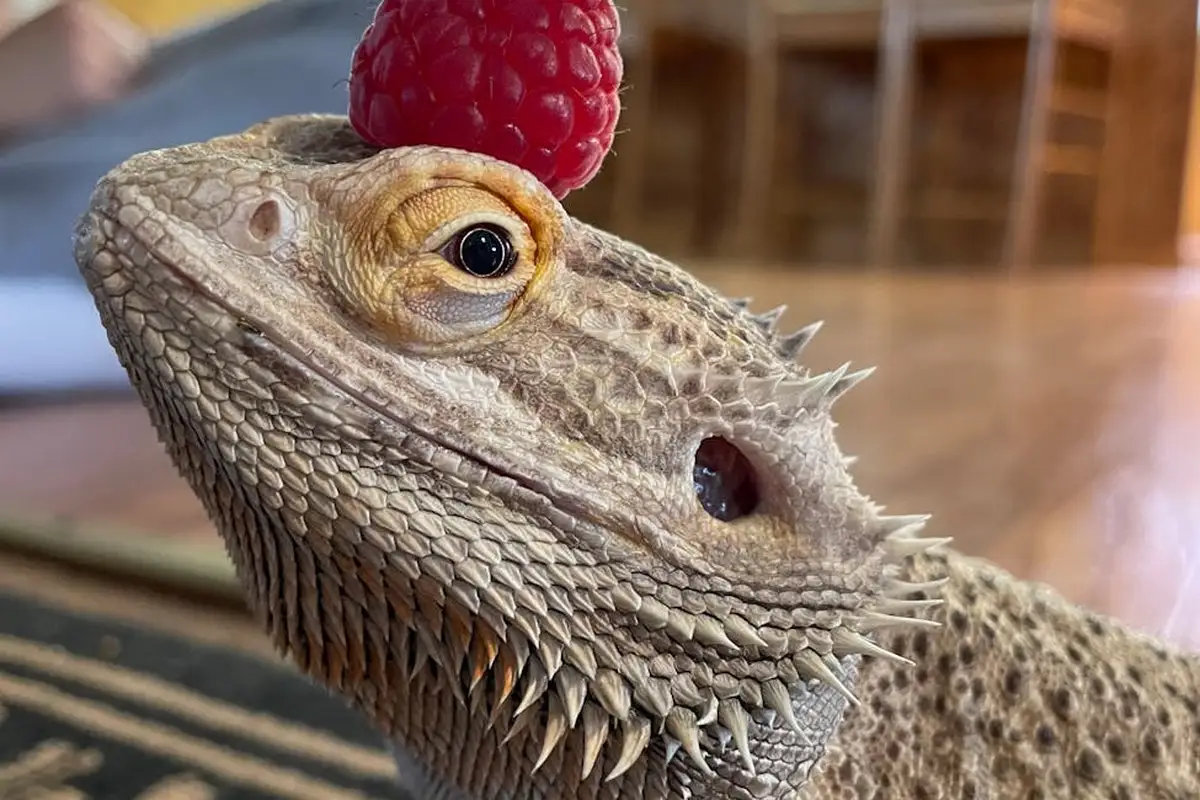
Watermelon can be a fun, hydrating splash of color in your dragon’s bowl. The high water content is fantastic for a quick hydration boost, especially on a warm day. I always notice my dragons get a little extra pep after a juicy treat. It also provides vitamins A and C, which support healthy vision, skin, and immune function.
But this sweet fruit comes with serious caveats. The high sugar content is the biggest concern, as it can easily lead to weight gain and digestive upset. I learned this the hard way when one of my first dragons had some very watery stools after a treat that was a bit too large. The calcium-to-phosphorus ratio is also problematic; phosphorus binds to calcium, preventing your dragon from absorbing it, which can lead to metabolic bone disease over time.
Pros and Cons at a Glance
- Pros:
- Excellent source of hydration
- Contains beneficial Vitamins A and C
- Most bearded dragons find it highly palatable
- Cons:
- Extremely high in sugar
- Poor Calcium-to-Phosphorus ratio
- Can cause diarrhea and digestive issues
- Offers very little substantive nutrition
How to Prepare and Serve Watermelon Safely
Proper preparation is non-negotiable to keep your pet safe. You must remove every single seed, as they are a choking hazard and can cause impaction. The rind is too tough for them to digest and often carries pesticides, so it needs to go, too. Here is my exact process.
- Thoroughly wash the watermelon’s exterior under cool running water.
- Cut a slice and remove all of the green and white rind.
- Cut the red flesh into small, bite-sized pieces. A good rule is to make them no larger than the space between your dragon’s eyes.
- Double-check for and remove any white or black seeds you see.
Portion control is everything. For an adult bearded dragon, one or two of these small pieces are more than enough. I never offer watermelon to my baby or juvenile dragons; their growing bodies need calcium-rich foods, not sugary fruits. For adults, this is a rare treat. How often should adult bearded dragons be fed? Adults should have daily meals with greens as the base and fruit kept to a minimum. I offer it no more than once a month, if that. It is not a regular part of their diet.
Incorporating Watermelon into a Balanced Diet
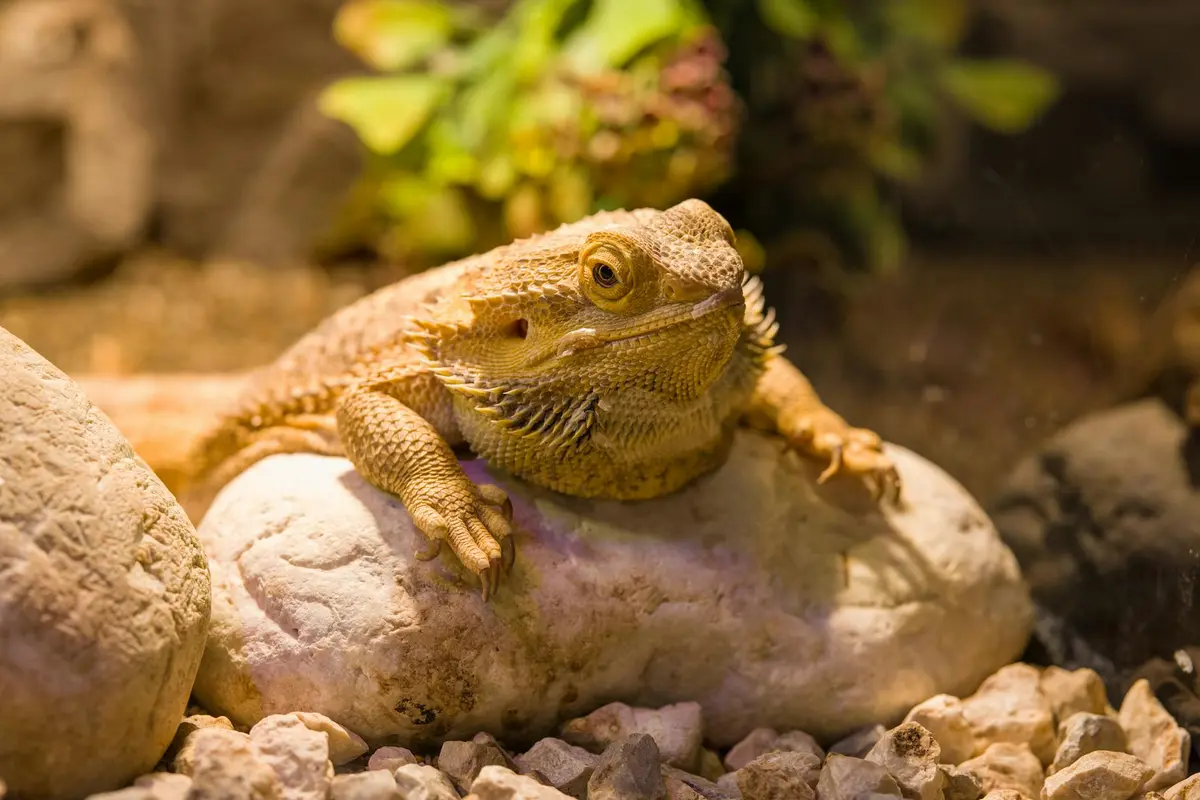
Think of watermelon as the candy of the bearded dragon world. It should never replace their core diet of staple greens and live insects. In my own feeding routine, a tiny piece of watermelon is an occasional “mix-in” to their regular salad of collard greens, dandelion greens, and butternut squash. This adds a splash of variety without compromising their nutrition. Within a squash-and-zucchini guide for bearded dragons, safe varieties like butternut squash and zucchini can be offered in moderation. Rotating these squash options helps keep their veggie intake varied and nutritious.
If you’re looking for fruit options that are a bit more nutritionally sound, consider these alternatives. These fruits still contain sugar and should be fed sparingly, but they have a slightly better nutritional profile than watermelon.
- Figs (high in calcium)
- Papaya (great for digestion)
- Berries like raspberries and blueberries (antioxidant-rich)
- Mango (rich in Vitamin A)
The golden rule for a healthy bearded dragon is variety and moderation. Sticking to a foundation of leafy greens and insects, with the occasional fruit treat, is the key to a long, healthy life for your scaled friend. To make choosing greens easier, I rely on a complete safe/unsafe greens list for bearded dragons. This helps me know which greens are OK to offer daily and which to avoid. I rotate my dragons’ greens daily and their treats weekly to keep their diet exciting and balanced. It is a system that has kept all of my pets thriving for years.
Frequently Asked Questions
Can bearded dragons eat other types of melon?
Yes, bearded dragons can eat other melons like cantaloupe or honeydew as occasional treats, but always remove seeds and rind, and serve in moderation due to high sugar content. For more information, check out this complete guide on safe fruits for bearded dragons.
Do all bearded dragons enjoy watermelon?
While most bearded dragons find watermelon highly palatable due to its sweetness, individual preferences vary, so offer a small piece first to gauge their interest. For a complete guide on safe foods for bearded dragons, check out our feeding guide. It covers what to include and what to avoid for a balanced diet.
Is it safe to give watermelon to a bearded dragon with health issues?
No, if your bearded dragon has health problems like obesity or digestive issues, avoid watermelon and consult a vet, as the high sugar can worsen their condition. Fruits that bearded dragons can eat vary, and a complete safe/unsafe list helps guide choices. Use it to decide which fruits are safe and how often to offer them.
The Final Slice
So, can bearded dragons eat watermelon? Yes, but think of it as a hydrating summer picnic treat, not a regular part of their salad. From my own experience, a small, seedless cube once or twice a month is a fun way to help them cool down. Just remember to skip the rind and always, always remove those seeds to keep your scaled friend safe. When you’re treating them, it’s important to know which fruits are safe for bearded dragons and which ones to avoid.
Your dragon’s main diet should always be built on nutritious greens and live insects, with juicy fruits like watermelon making only a rare, special appearance. Offering it this way ensures your pet gets the hydration boost without any of the nutritional downsides, keeping them happy and healthy for years to come. For bearded dragons, collard greens and mustard greens are good, safe greens to include as part of a balanced diet. Our safe greens guide explains which greens are safe and how to serve them.
Further Reading & Sources
- Can Bearded Dragons Eat Watermelon? It Could Be Dangerous – Dragon’s Diet
- r/aww on Reddit: My bearded dragon loves watermelon!
- Can i give my bearded Dragon Watermelon
Bearded Dragon Lair is the ultimate resource for bearded dragon enthusiasts, offering expert advice and practical tips to ensure the health and happiness of your scaly companion. With years of experience in reptile care, we are dedicated to providing accurate, up-to-date information to support your bearded dragon journey.
Feeding Guidelines