
Do Bearded Dragons Make Noise? A Guide to Their Sounds
Published on: April 15, 2026 | Last Updated: April 15, 2026
Written By: Beardie Joe
If you’re listening to your scaly friend’s tank and wondering about the silence, you’re not alone-many new owners are surprised by the subtle ways bearded dragons communicate.
As a long-time beardie owner, I’ve learned to understand their unique vocal language, and I’m here to help you decode what your pet is trying to tell you.
We’ll explore the common sounds like hissing and burping, uncover the meaning behind each one, and learn when a noise might signal a trip to the vet.
Introduction to Bearded Dragon Sounds
Many new owners are surprised to learn that bearded dragons do make various noises, contrary to the common belief that they are completely silent pets. This is a natural segue into a complete guide about their sleep behavior, including how day-night cycles influence activity and when they tend to rest. It also addresses whether bearded dragons are nocturnal.
I’ll never forget the first time I heard a soft hiss from my dragon, Smog. He was a juvenile, and the sound was so unexpected I actually jumped. I quickly learned it was his way of saying, “Hey, I’m not so sure about this new decoration you put in my tank.” Staring is another common cue they use. It can signal curiosity, caution, or a bid for attention, which helps explain why he might fix his gaze on you.
Learning to interpret these subtle sounds is one of the most rewarding parts of ownership, transforming your care from basic maintenance to true, empathetic companionship.
Why Bearded Dragons Vocalize: Communication Basics
Their sounds are not random; they are specific forms of communication rooted in instinct and need.
- Territorial Sounds: Hissing is the most common, used to assert dominance or express discomfort with a situation.
- Mating Calls: Males may perform a series of head bobs accompanied by a soft, guttural sound to attract a female.
- Stress Signals: A sharp, loud hiss or a frantic scratching at the glass are clear distress calls that require your immediate attention.
- Feeding Responses: You might hear a light clicking or smacking as they enthusiastically chase down crickets, a sound of pure focus.
A bearded dragon’s vocal repertoire is fundamentally different from a mammal’s. They don’t have vocal cords. Their sounds are created by pushing air rapidly through their glottis or by physical actions like rubbing scales together. Bearded dragons also puff their beards as a visual signal—often used with their sounds to communicate threat or dominance. A puffed beard usually means “back off” or “I’m ready to defend my territory.”
You will almost never get the full story from sound alone. Their noises must always be read in concert with their body language-the puff of a beard, the angle of their tail, the arch of their back-to understand their complete emotional state.
Common Bearded Dragon Sounds and Their Meanings
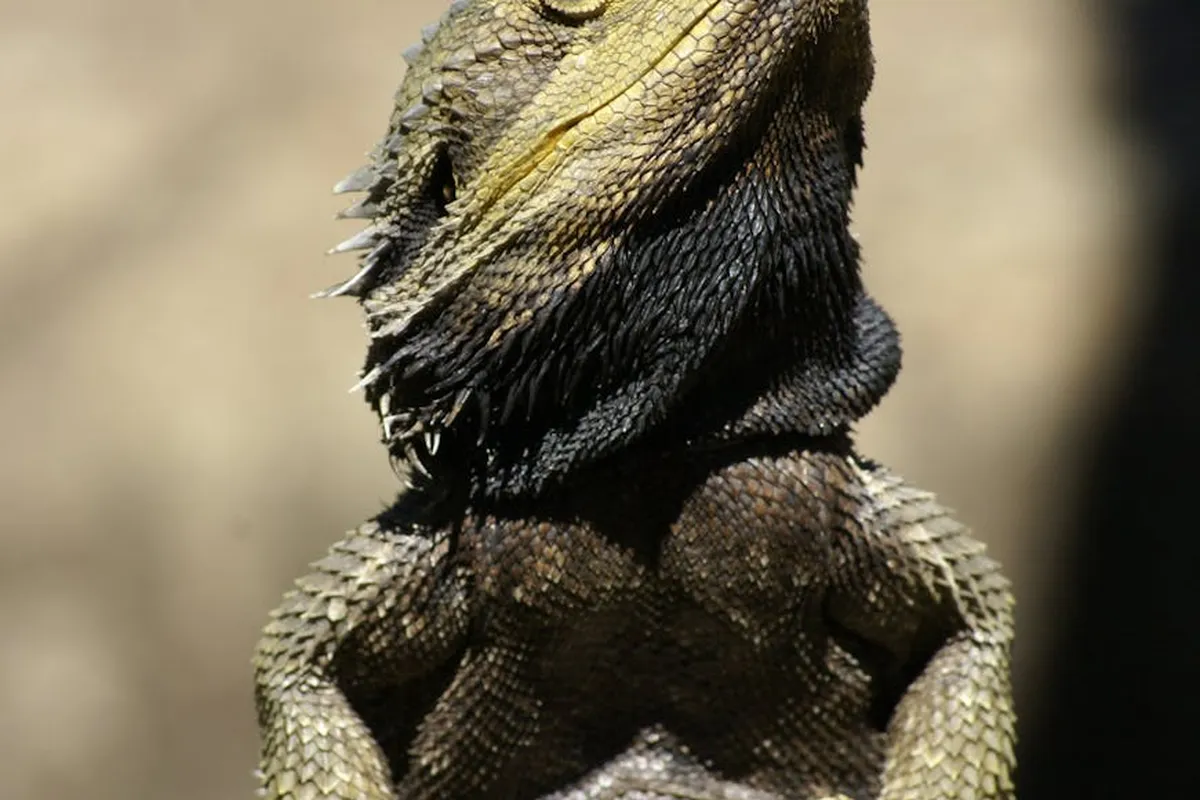
Hissing – Defensive or Fear Response
Hissing is a sharp, sudden sound, like air escaping a small puncture. I’ve heard it most when I first introduced a new dragon to my home or during an unexpected handling session. It’s their way of saying, “Back off, I’m scared!” Other noises—like low growls or quick chirps—also signal mood, and learning what they mean can help you interpret why the hissing happens and respond safely.
- You’ll typically hear this when they feel threatened by a new person, a sudden movement, or even their own reflection in the glass.
- To calm your dragon, first stop what you’re doing. Move slowly and speak in a soft, low voice to avoid seeming like a bigger threat. I always give my beardie a few hours of quiet time in their enclosure after a hissing episode before trying to interact again.
Chirping and Squeaking – Contentment or Mild Distress
These are softer, higher-pitched sounds. One of my dragons makes a little chirp when he successfully snags a cricket, a sound of pure triumph. But a similar squeak can also mean something is slightly bothering them.
- Happy chirps often happen during feeding, basking, or gentle exploration.
- Stress-related squeaks are more frantic and usually come with other signs. Look for a black beard, frantic glass surfing, or trying to hide to differentiate a distressed squeak from a happy chirp.
Clicking and Growling – Mating and Territorial Noises
Clicking is a rapid, soft sound, while growling is a deeper, guttural vibration. I hear this most during breeding season when my males see a female or even just their own reflection.
- These noises surface when they feel their territory is invaded by another dragon or when hormonal instincts kick in.
- To manage this, never house two male bearded dragons together, as it leads to constant stress and fighting. For a single dragon, you can reduce territorial stress by covering reflective glass and providing plenty of visual barriers and hides in their tank.
Purring and Croaking – Rare but Meaningful Vocalizations
True purring is exceptionally rare; it’s a very soft, vibrating hum. I’ve only heard a croak-like sound a handful of times in all my years of keeping them, usually during very relaxed handling.
- These subtle sounds might indicate a state of deep relaxation and contentment.
- However, a wet-sounding croak can sometimes point to the early stages of a respiratory infection. From my experience, context is everything-a relaxed dragon making a one-off sound is different from a lethargic one making repeated, wet noises.
Sounds That Signal Health Issues in Bearded Dragons
Whining and Croaking – Potential Respiratory Distress
This isn’t a normal sound. It’s often a wet, crackling noise when they breathe, sometimes accompanied by a wheeze or a whine. It sounds congested and labored.
- Watch for other symptoms like mucus around the nose and mouth, keeping their mouth open for long periods, and a general lack of energy.
- You need to seek immediate veterinary care. A respiratory infection will not get better on its own and requires prescription medication from an exotic vet. This is one of the few times a sound is a true emergency.
Growling and Barking – Alarm or Pain Indicators
While growling can be territorial, a pained growl or a sharp, unexpected “bark” is different. It’s more desperate and is often a reaction to being touched in a specific, painful spot.
- Differentiate this from territorial behavior by noting the context. A territorial growl happens when they see a rival. A pain growl happens when you pick them up or touch a part of their body.
- If you hear this, stop handling them immediately. Gently check for any visible injuries, swelling, or favoring of a limb. Also, review their habitat-are the basking temperatures correct? Could they have fallen? This sound means it’s time for a full health and habitat check-up.
Stress Signals and Body Language in Bearded Dragons
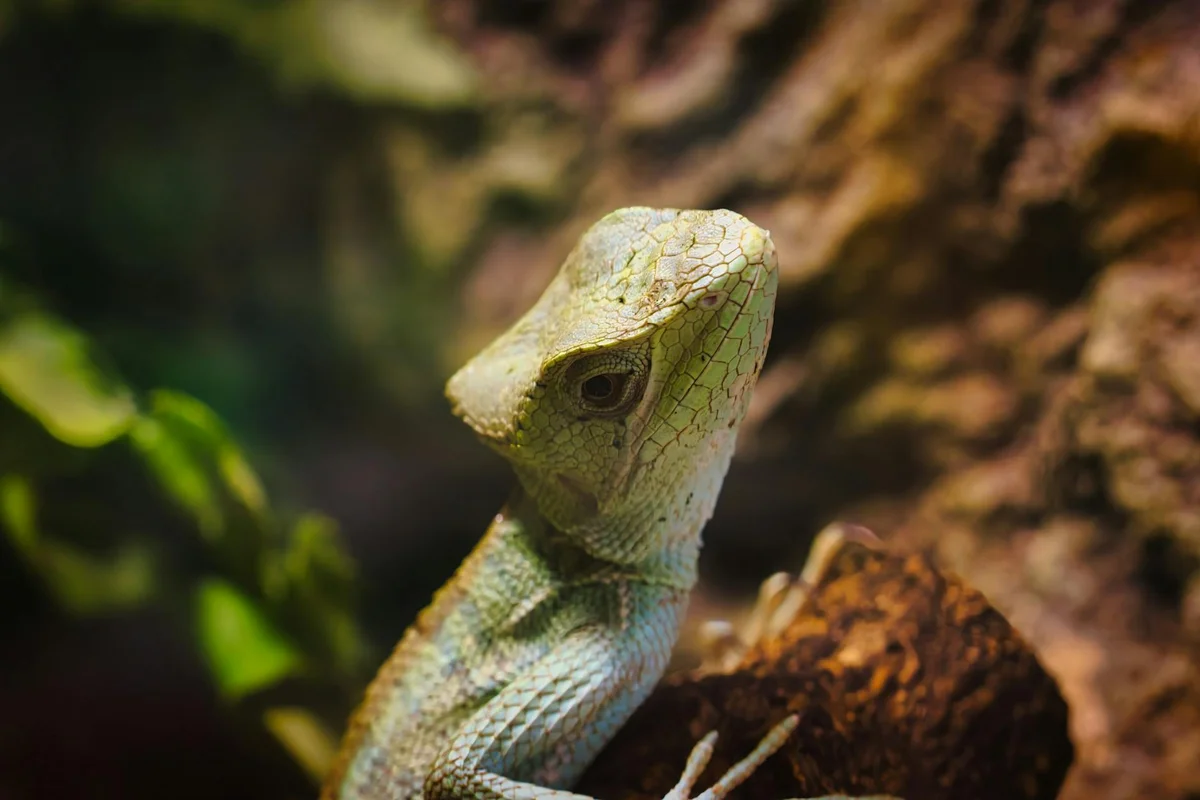
Puffing Throat and Beard Darkening
You’ll often see the visual drama before you hear the sound. A puffed-out, black beard is your dragon’s ultimate warning sign, a clear signal they feel threatened or agitated. This impressive display frequently comes with a low, menacing hiss, creating a full sensory package of “back off.” I’ve seen this most often when a new reflection suddenly appears on the glass tank wall, startling one of my dragons. If you’re wondering why your bearded dragon’s beard, neck, or tail turns black, it’s usually a stress-related warning signal. Understanding this can help you adjust handling and tank setup to prevent it.
To help your scaly friend feel safer, look for the stress source. It could be another pet, loud noises, or even their own reflection. Reducing these stressors is key and can be as simple as moving their enclosure to a calmer room or covering three sides of the tank to limit their field of view. Ensuring they have proper hiding spots gives them a place to retreat and decompress, which is vital for their well-being.
Withdrawn Posture and Hiding
Sometimes, the most telling sign of stress is complete silence. A dragon that is constantly hiding, flattened against the ground (what I call the “pancake” pose), or refusing to bask is communicating loudly through their body, not their voice. This lack of noise and active behavior can be just as concerning as any sound they might make. It often means they feel exposed and vulnerable.
To encourage a sense of security, focus on their habitat setup. Here are a few ways to make their tank a true home:
- Provide multiple hiding places on both the warm and cool sides of the enclosure.
- Use background posters on the tank walls to reduce reflections.
- Ensure the temperature gradient is correct so they can thermoregulate comfortably.
- Keep handling to a minimum until they seem more relaxed and curious.
How to Interpret and Respond to Your Dragon’s Noises
Learning your dragon’s language takes time and careful attention. The first and most crucial step is always to simply stop and observe the context surrounding the sound. I’ve spent countless hours just watching my dragons, and that patience has helped me understand their unique personalities and needs.
Follow this step-by-step guide when you hear a new or unusual noise:
- Identify the sound. Is it a hiss, a cough, a scratch, or a click?
- Check the immediate environment. What is happening around them right now? Is another pet nearby? Are you trying to handle them? Did something in the room change?
- Observe their body language. Are they puffing, flattening, glass surfing, or acting normally?
- Consider their routine. Is it feeding time? Is their light cycle about to change?
Once you’ve gathered this information, you can decide on the best response. For most behavioral sounds like hissing or glass surfing, you should adjust your care. This means reducing stressors, double-checking tank temperatures, or ensuring they have a consistent day/night cycle.
You should consult a reptile-savvy vet immediately if you hear any wet, raspy, or bubbly breathing sounds, as these can signal a potentially fatal respiratory infection. Likewise, persistent clicking or wheezing without an obvious cause warrants a professional opinion. Your vigilance is their first line of defense.
Essential Care for a Quiet and Happy Bearded Dragon

Creating a peaceful home for your beardie is the single best way to prevent most noise-related issues. A stressed or uncomfortable dragon is far more likely to hiss, glass surf, or make other concerning sounds. The foundation of a quiet dragon is a habitat that perfectly mimics their natural, comfortable conditions. If your dragon still seems tense, a calm stressed bearded dragon guide on de-stressing your pet can offer practical steps. With consistent routines and gentle reassurance, you can help keep your beardie calm and quieter.
Key Factors for a Serene Habitat
- Proper Tank Size: An adult bearded dragon needs a minimum of a 120-gallon (4x2x2 feet) enclosure. I learned this the hard way with my first dragon, Puff. In a smaller tank, he was constantly trying to escape. In his large, custom-built home, he is visibly more relaxed and content.
- Impeccable Cleanliness: A dirty tank is a breeding ground for bacteria and stress. Spot-clean feces daily and do a deep clean of the entire enclosure every month. A clean home prevents respiratory infections, which are a common cause of wheezing and other unusual noises.
- Precise Temperature Control: Your dragon’s tank needs a proper heat gradient. One end should have a basking spot of 95-110°F, while the cool end should be around 80-85°F. At night, temperatures can safely drop to the low 70s. Without this gradient, your dragon cannot properly regulate its body temperature, leading to stress and illness.
Health Checks Prevent Problems
Many sounds are a direct cry for help from a body that isn’t feeling well. I am a huge advocate for establishing a relationship with an exotic vet, not just for emergencies, but for annual check-ups. A vet can catch early signs of metabolic bone disease, respiratory infections, or parasites long before you might notice symptoms. Listen to your dragon with your eyes and ears. If you hear a persistent click or wheeze with no shed in sight, it’s time for a professional opinion.
My Personal Tips for a Stress-Free Dragon
- Establish a Routine: Beardies thrive on predictability. Feed them at roughly the same times each day and maintain a consistent light cycle (12 hours on, 12 hours off). This simple practice makes them feel secure.
- Offer Hiding Spots: Every dragon needs a place to feel completely safe and hidden. Provide at least one snug hide on both the warm and cool sides of the tank.
- Handle with Confidence and Care: Move slowly and deliberately when you interact with your pet. Sudden, jerky movements are frightening. Support their entire body when you hold them. A dragon that trusts you is a dragon that feels safe, and a safe dragon is a quiet, happy one.
Frequently Asked Questions
Is it normal for a bearded dragon to be completely silent most of the time?
Yes, this is often a sign of a content and stress-free dragon, as they are not naturally very vocal pets and may only make noise in specific situations like feeling threatened or during feeding. Bearded dragons can also show signs of sadness or boredom when kept in inadequate conditions. Recognizing these changes early—such as reduced activity or reluctance to explore—helps ensure they receive the enrichment and care they need.
At what age do bearded dragons typically start making recognizable sounds?
Juvenile bearded dragons can begin vocalizing with sounds like hissing shortly after hatching, as these behaviors are instinctual, but the frequency and variety may increase as they grow and experience more interactions, particularly when they respond to auditory stimuli from their environment, including human voices. Understanding their hearing and communication is key to interpreting these sounds.
Can shedding cause any unusual noises in bearded dragons?
Shedding itself doesn’t usually produce vocalizations, but you might hear soft scratching or rustling as they rub against surfaces to remove skin; if accompanied by distress sounds, check for stuck shed or irritation.
Final Thoughts
While your bearded dragon will never hold a conversation, they do have a voice. The vast majority of their communication is beautifully silent, relying on body language like arm-waving and head-bobbing. A quiet dragon is usually a content dragon, so don’t worry if yours isn’t a chatterbox. That’s why you might want to wave back when they wave—it’s their way of greeting and testing your reaction. Responding can reinforce positive communication and help your dragon feel safe around you.
When they do make noise-from a warning hiss to the more concerning sound of glass surfing-they are telling you something important. Learning to listen to these rare sounds, and pairing them with your pet’s behavior, is one of the most rewarding parts of being a reptile owner. Always trust your instincts; if a sound seems off, a check-up with a reptile-savvy vet is the best next step.
Further Reading & Sources
- r/BeardedDragons on Reddit: Do Bearded Dragons make noise?
- Do You Have A Bearded Dragon That Screams?-reptizoo – REPTI ZOO
- Hey everyone! My bearded dragon started doing this weird …
Bearded Dragon Lair is the ultimate resource for bearded dragon enthusiasts, offering expert advice and practical tips to ensure the health and happiness of your scaly companion. With years of experience in reptile care, we are dedicated to providing accurate, up-to-date information to support your bearded dragon journey.
Temperament Insights