
Does Your Bearded Dragon Have Mites? (How to Spot, Treat, and Prevent Them)
If your bearded dragon is scratching more than usual or seems unusually irritable, mites might be the hidden cause.
As a long-time bearded dragon owner who has personally dealt with mite outbreaks, I’m here to help you tackle this issue safely and effectively.
I’ll guide you through spotting the subtle signs, choosing the right treatment, and implementing simple prevention habits to protect your pet.
Understanding Bearded Dragon Mites and Their Risks
Let’s get straight to it: mites are tiny external parasites that feed on your dragon’s blood. The most common culprit you’ll encounter is the snake mite (Ophionyssus natricis), which, despite its name, absolutely loves bearded dragons. They look like moving specks of black or red pepper. These pests are more than just a nuisance; they are a genuine health emergency for your pet. Bearded dragons can indeed acquire parasites, including external mites and internal infestations. Prompt treatment and a solid prevention routine are essential to keep them healthy. From my own experience, an infestation can escalate from a few bugs to a full-blown crisis in a matter of days. The primary dangers include:
- Severe Anemia: Mites consume large amounts of blood relative to their size. A heavy infestation can drain a small dragon, leading to lethargy and even organ failure.
- Intense Stress: The constant irritation and discomfort put your dragon under immense psychological strain, weakening their entire immune system.
- Secondary Infections: Mite bites create tiny open wounds, creating perfect entry points for bacteria. This can lead to nasty scale rot or septicemia.
- Toxic Exposure: If mites travel from one reptile to another, they can inadvertently transmit diseases or expose your dragon to harmful chemicals if the previous owner used treatments incorrectly.
Spotting the Signs of a Mite Infestation
Catching mites early is your single best defense. I make it a habit to do a quick “mite check” every time I handle my dragons. Here is a simple checklist to run through if you’re suspicious.
- Excessive scratching or rubbing against decor
- Unusual skin flaking without a full shed
- Soaking in the water dish far more than usual
- Visible eye irritation or swelling
- Small black, white, or red crusts around the eyes, ears, or skin folds
- A sudden, patchy, or incomplete shed
Physical Symptoms to Watch For
You need to know exactly where to look. Mites are experts at hiding. I always start my inspection by gently examining the areas where their scales form tight folds and creases. Use a magnifying glass if you have one. Key physical signs include:
- Tiny Moving Specks: Look for black, red, or white dots crawling around the base of the tail, under the chin, in the armpits, and around the vent.
- Skin Crusting: You might see clusters of tiny white or black crusts. These are the mites themselves, their eggs, or their waste.
- Dull or Discolored Scales: Infested scales often lose their vibrant color and appear dingy or damaged from all the biting.
- Abnormal Shedding: Mites disrupt the natural shedding process, causing it to happen in odd patches or get stuck frequently.
Behavioral Changes That Signal Mites
Your dragon will tell you something is wrong long before you might see the mites themselves. I remember one of my dragons, Puff, became super reclusive and started black-bearding for no apparent reason – it was my first big clue. Bearded dragons often hide when they’re concerned or uncomfortable; their instinct is to retreat to a safe spot. This hiding, especially when paired with changes like black-bearding or reduced appetite, can be an early signal that something’s off. A sudden shift in personality is almost always a red flag that demands investigation. Watch for these behavioral shifts:
- Restlessness and Agitation: They can’t get comfortable and may pace or twitch frequently.
- Loss of Appetite: The stress and physical discomfort often cause them to stop eating.
- Hiding Constantly: They are trying to escape the irritation and may bury themselves or stay in their hide all day.
- Frequent Soaking: They will try to drown the mites by submerging themselves in their water bowl for hours.
- Black Beard Display: A persistent black beard, especially without a visible threat like another pet, is a classic sign of distress or illness.
How to Confirm a Mite Infestation
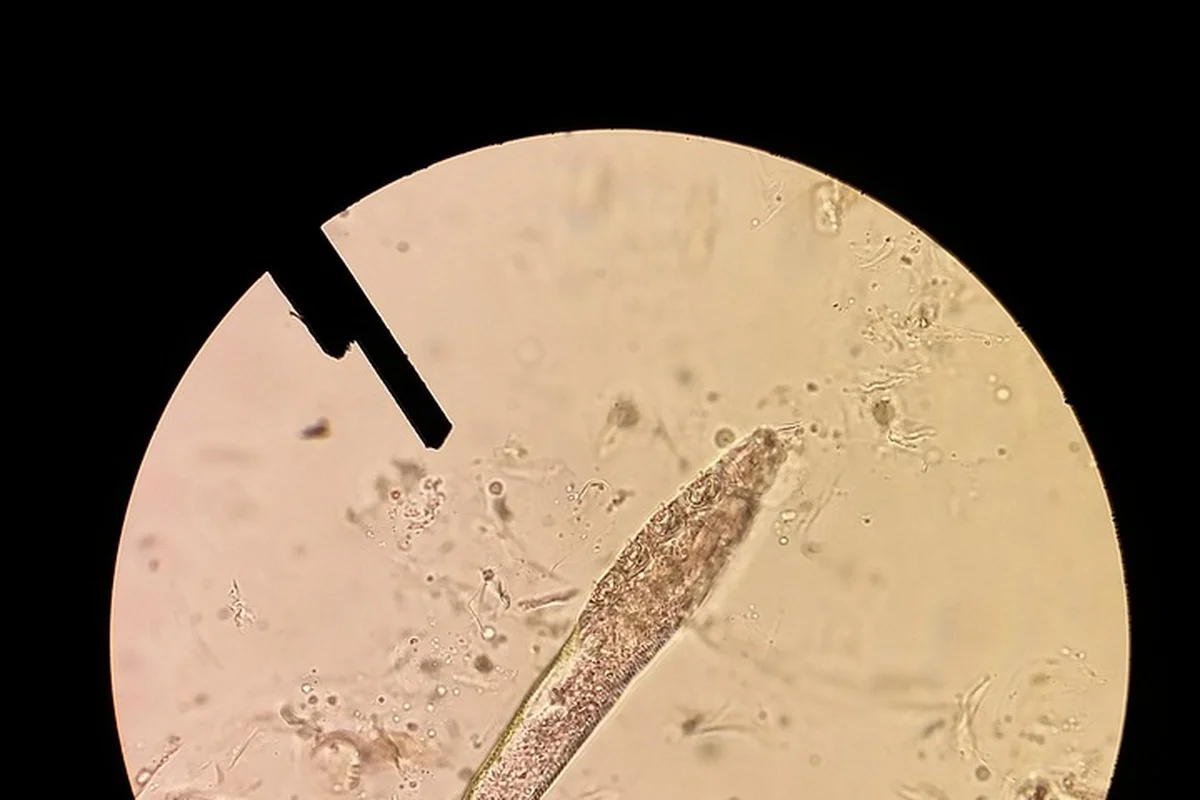
Before you start any treatment, you need to be sure you’re dealing with mites. I’ve been there, squinting at a tiny dark speck, wondering if it’s a piece of dirt or a pest. Here’s how you can check at home.
First, prepare a simple white paper towel. Gently hold your dragon and rub their scales, especially around the head, neck, armpits, and the folds near their legs. Mites or their tiny black and red feces will show up clearly against the white background. This setup also serves as a quick step in a healthy bearded dragon poop visual identification guide—helping you spot normal vs abnormal droppings. Regular observation of color, texture, and frequency is key to early health checks.
Next, do a visual inspection. Look closely at these areas:
- The skin folds around their legs and neck
- Under their chin and around their eyelids
- Between their toes and under their belly spikes
You’re looking for tiny moving specks, like poppy seeds. They might be black, red, or even tan. A gritty texture on their skin is another giveaway.
Now, check the enclosure. Wipe the corners and crevices of the tank with that same white paper towel. Pay close attention to the tight spaces around decor and under the substrate where mites love to hide and lay eggs.
If you see signs of mites, it’s time to call your reptile vet. They can confirm the diagnosis with a microscope. I always recommend a vet visit for a first-time infestation to get the right medication and dosage. It saves a lot of guesswork and stress for both of you.
Step-by-Step Treatment for Bearded Dragon Mites
Finding mites can feel overwhelming, but a step-by-step approach makes it manageable. I’ve had to do this a couple of times over the years, and being methodical is the key to success.
- Isolate and assess your bearded dragon.
- Perform a deep, thorough clean of the entire enclosure.
- Apply safe, vet-approved treatments to your dragon.
- Monitor closely and repeat the process as needed.
Isolating and Assessing Your Dragon
Your first move is to get your dragon out of its infested home. Set up a simple, temporary quarantine tank. All you need is a plastic tub or a spare tank with paper towel substrate, a single hide, and a heat source. This is the start of a bearded dragon quarantine procedure, isolating the dragon to prevent spreading any parasites or illness. During quarantine, keep this tank separate from others and monitor feeding, temperature, and any signs of distress.
This bare-bones setup prevents mites from hiding and makes monitoring your dragon’s condition much easier. It feels a bit sad to see them in such a plain space, but it’s temporary and for their own good.
While they are in the quarantine tub, assess the severity. A few mites on the paper towel after they’ve been sitting there is a mild case. If the paper towel is dotted with dozens of mites and feces, you have a more serious infestation on your hands. This will help you and your vet decide how aggressive the treatment needs to be.
Cleaning the Enclosure Thoroughly
This is the most labor-intensive part, but it’s non-negotiable. You must eliminate every mite and egg from the environment, or they will just come back.
Start by throwing away any loose substrate. Then, take all decor, dishes, and hides out. Everything that can withstand it needs to be sanitized. Here is what you’ll need for the deep clean:
- A reptile-safe disinfectant (like F10SC or a diluted chlorhexidine solution)
- A spray bottle
- Scrub brushes of various sizes
- Very hot water
- A large tub or sink for soaking
Spray down the entire empty tank and all items with your disinfectant. Let it sit for the recommended contact time. Scrub every inch, paying special attention to corners, vents, and any cracks or seams where eggs could be lurking. This is part of a bearded dragon tank cleaning guide‘s schedule, using safe solutions and proven methods. Following the schedule helps ensure a clean, safe enclosure for your bearded dragon. Rinse everything thoroughly with hot water and let it air dry completely.
Managing humidity and ventilation is also key. Mites thrive in stagnant, humid environments. After cleaning, ensure your tank has good airflow to help create an environment that’s less hospitable to future pests.
Treating Your Bearded Dragon Safely
This is where you must be very careful. Your dragon’s health is the top priority. Never use mite sprays or products made for other animals, like birds or mammals, as they can be highly toxic to reptiles. For soap-safe care of bearded dragons, and other common product questions answered, see our quick guide. It explains safe soaps and what to avoid.
Your best and safest option is a prescription parasiticide from your exotic vet. They might provide a diluted solution for a topical spray or a “spot-on” treatment applied to the back. Follow your vet’s dosage and application instructions to the absolute letter; more is not better when it comes to these medications.
Some owners use gentle home remedies for very mild cases or as a supportive measure. A shallow, lukewarm bath with a drop of gentle, reptile-safe betadine can help soothe the skin and drown some surface mites. I’ve done this, but it’s not a cure-all.
Remember, these treatments stress your dragon’s system. Keep them warm, hydrated, and well-fed with their favorite foods during this time. Your calm, careful handling will help them get through it. For more details, check out how to calm a stressed bearded dragon.
Preventing Future Mite Problems
After dealing with mites once, I became fanatical about prevention. A clean, well-managed habitat is your strongest shield against a repeat infestation. It’s far easier to stop mites from getting in than it is to evict them.
Build a Mite-Proof Routine
Consistency is everything. Here is the simple routine I follow for my dragons.
- Quarantine Every Newcomer: Any new reptile, decor, or even feeder insects from questionable sources should be isolated for at least 30-45 days. I keep a separate, simple enclosure in another room to observe for any signs of illness or pests.
- Wash Your Hands Religiously: I always wash and sanitize my hands before and after handling each of my bearded dragons. This prevents cross-contamination between habitats.
- Inspect Your Dragon Weekly: During handling, I quickly run my fingers over their scales, paying close attention to the skin folds around their legs, neck, and vent. I also check for any tiny moving dots.
- Deep Clean the Enclosure Monthly: This goes beyond spot-cleaning. I take everything out-substrate, decor, dishes-and scrub the entire tank with a reptile-safe disinfectant, rinsing it thoroughly.
Choose Your Substrate Wisely
Substrate choice is a hot topic, but for mite prevention, some options are much safer than others.
- Excellent Choices: Non-particulate substrates like slate or ceramic tile, reptile-safe shelf liner, and paper towel. These are easy to remove and disinfect, leaving nowhere for mites to hide.
- Use with Caution: Loose substrates like sand or soil mixes. While they allow for natural digging, they can also harbor mite eggs if contaminated. I only use these in bioactive setups with a robust clean-up crew.
- Avoid Entirely: Wood chips or shavings, especially cedar or pine, which are toxic and are a favorite hiding spot for mites.
When to Seek Veterinary Care
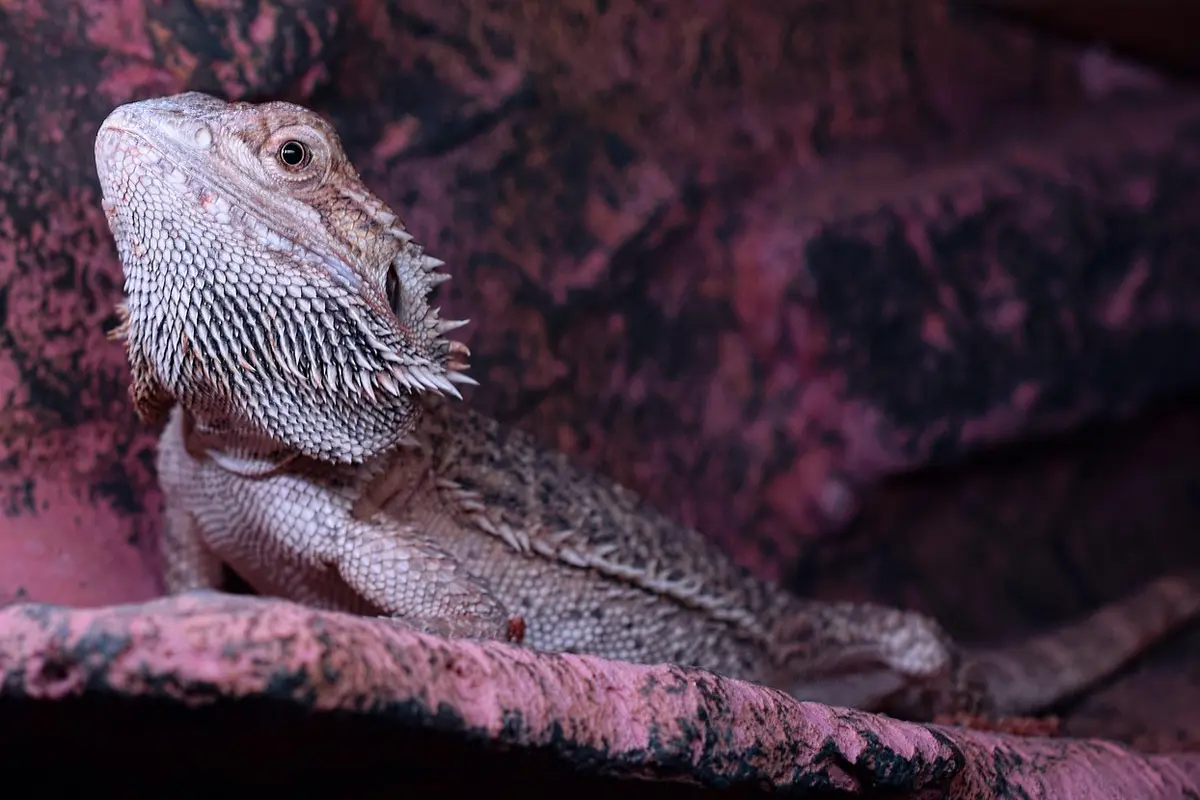
While many mite cases can be handled at home, some situations absolutely demand a professional. Your dragon’s health can decline rapidly, so don’t hesitate to call an exotic vet. I’ve had to make that call, and it was the right decision.
Recognize the Red Flags
You should schedule a vet appointment immediately if you notice any of the following.
- Your bearded dragon becomes extremely lethargic or refuses to eat for more than a couple of days.
- You see signs of a secondary bacterial infection, like swollen joints, pus, or open sores on the skin.
- The infestation is so severe that mites are visibly covering large areas of the body.
- Your dragon is having trouble shedding, and the retained skin is trapping mites and causing irritation.
- The home treatment you’ve tried for a week isn’t making any noticeable difference.
What to Expect at the Vet
Knowing what will happen can make the visit less stressful for both of you.
- The vet will perform a thorough physical exam, confirming the presence of mites, often with a magnifying glass.
- They may take a skin scraping to look at under a microscope to identify the exact type of mite.
- Your vet will likely prescribe a stronger, reptile-safe miticide than what is available over-the-counter.
- They will provide precise, weight-based dosing instructions for any medication.
- The vet might administer fluids or nutritional support if your dragon is dehydrated or weak.
- You will get detailed, tailored advice for treating the enclosure and preventing reinfection.
A good exotic vet is a partner in your dragon’s health, providing the expert backup you need for serious situations, especially when it’s time to take your bearded dragon for a checkup or emergency visit. The cost is an investment in your pet’s well-being and your own peace of mind.
Frequently Asked Questions
How long does it typically take to completely eliminate a mite infestation?
Full eradication usually takes 2-4 weeks, as you must repeatedly treat your dragon and disinfect the enclosure to break the mite life cycle. Consistent follow-up is essential to ensure no eggs or mites remain. Unlike when you bathe and let your bearded dragon bask for just a short duration, treating mites requires persistent effort over several weeks.
Can bearded dragon mites spread to other pets or humans?
Reptile mites rarely infest humans or non-reptile pets but can cause minor skin irritation; however, they easily spread to other reptiles, so isolate infected dragons immediately. Always practice good hygiene to prevent cross-contamination.
What is the average cost of treating a mite infestation, including vet care?
Costs typically range from $50 to $150, covering vet exams, prescribed miticides, and cleaning supplies, but can rise if complications like infections arise. Investing in prevention is far more economical than treating an outbreak.
Final Thoughts
Spotting mites early is your best defense for a quick and full recovery. A consistent, thorough cleaning routine for your dragon’s entire habitat is the single most effective way to prevent a future infestation. Remember, if you’re ever uncertain, a quick call to your reptile-savvy vet is always the right move. For beginners, the Bearded Dragon Beginners Guide offers a clear, step-by-step overview. It pairs well with these hygiene tips to keep your dragon healthy.
Dealing with mites can feel overwhelming, but with patience and the right steps, your scaly friend will be back to their happy, healthy self. Stay observant, act promptly, and always prioritize a clean environment to keep your dragon mite-free for good.
Further Reading & Sources
- Expert Answers on Bearded Dragon Mites and Treatment Options
- Bearded Dragon Mites: Symptoms, Causes, and Solutions | Expert Q&A
- Bearded Dragon Mites: Symptoms & How To Get Rid Of Them
Bearded Dragon Lair is the ultimate resource for bearded dragon enthusiasts, offering expert advice and practical tips to ensure the health and happiness of your scaly companion. With years of experience in reptile care, we are dedicated to providing accurate, up-to-date information to support your bearded dragon journey.
Common Diseases