
How Do You Cut a Bearded Dragon’s Nails? A Step-by-Step Guide
Published on: June 5, 2026 | Last Updated: June 5, 2026
Written By: Beardie Joe
Clipping your bearded dragon’s nails is a common worry, but it doesn’t have to be a scary experience for you or your pet.
As an owner of multiple bearded dragons, I’ve perfected a gentle technique over the years that prioritizes their comfort and safety.
I’ll show you the safe way to hold your dragon, the best tools to use, and exactly where to make the cut to avoid the quick.
Why Bearded Dragon Nail Trimming is Necessary
I used to think my beardie’s sharp little claws were just a sign of a healthy, wild spirit. Then I noticed the fine scratches on my hands and arms after every handling session. That scratching behavior often shows up on the walls, floor, or cage as they explore. Understanding why they scratch helps explain the behavior and how to address it. Regular nail trims are a fundamental part of responsible bearded dragon care, not just for your comfort, but for their well-being.
Those needle-like nails can easily get caught on fabrics, like your shirt or the carpet in their tank. I’ve had a young dragon panic because a nail snagged on a fleece blanket, and it was a stressful moment for both of us. A snagged nail can lead to a painful tear or even a broken toe if they pull away too hard.
Beyond the risk of injury, overgrown nails can start to curl, affecting how your dragon walks and rests on flat surfaces. Keeping their nails at a proper length ensures they can move comfortably and naturally without any foot discomfort. It’s a simple act of preventative care that makes life easier and safer for your scaly friend. Proper nail maintenance can also prevent issues related to stress or discomfort that may cause excessive digging.
Recognizing When Your Bearded Dragon Needs a Trim
You don’t need a strict calendar for this. Instead, get into the habit of giving their feet a quick check during handling. The most obvious sign is hearing a distinct “click, click, click” as they walk across a hard, smooth surface like tile or glass.
Visually, you’re looking for a small, sharp hook or curve at the very end of the nail. Here’s what to watch for:
- A pronounced hook: When the nail starts to look like a tiny talon and curls downward.
- Snagging on surfaces: If their nails constantly catch on soft furnishings, your clothes, or even the rough texture of their hammock.
- Difficulty walking: An unusual gait or seeming reluctance to walk on flat terrain can indicate overgrown nails are causing pressure.
- Scratches that draw blood: This is a clear signal from your own skin that a trim is overdue.
I also pay close attention to their behavior during handling. If they seem to grip my skin painfully tight and I find myself wincing, I know it’s time for a trim. Your own comfort during bonding time is a perfectly valid indicator that a nail-care session is in order.
Gathering Your Nail Clipping Supplies
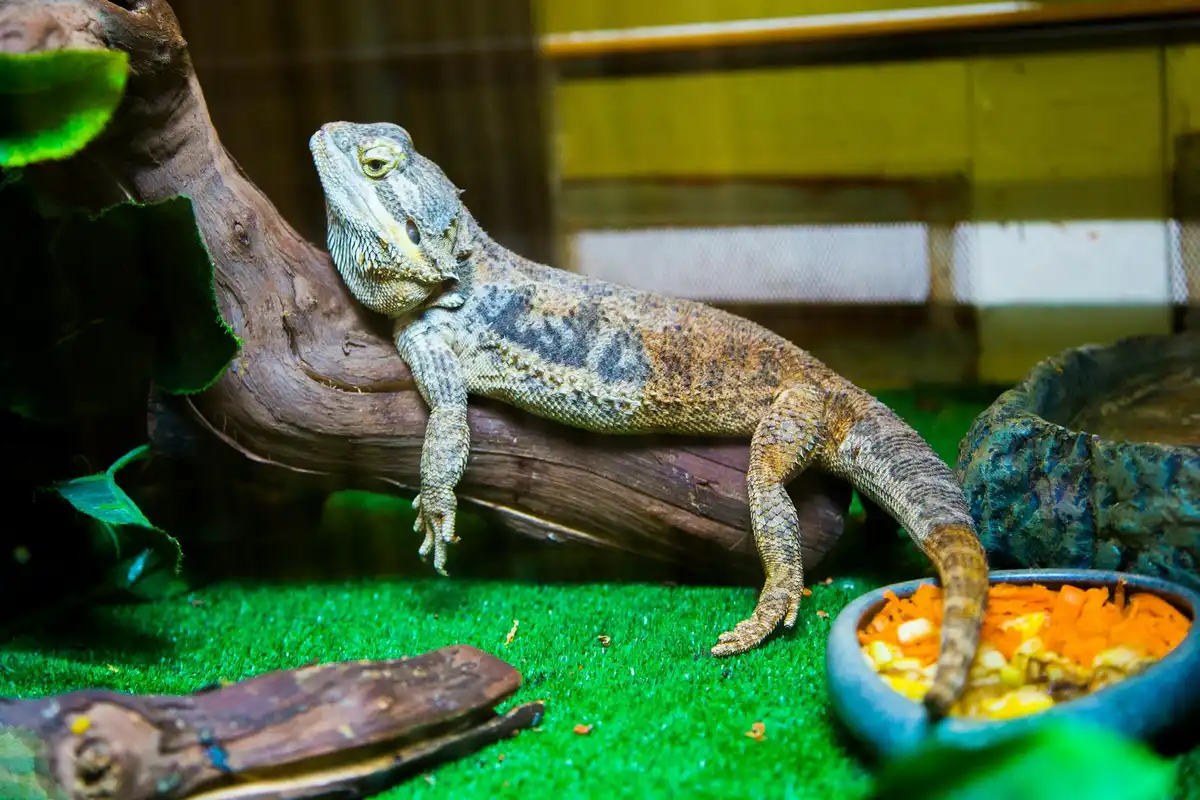
Getting everything ready before you even pick up your dragon is the secret to a stress-free experience for both of you. Having your tools within arm’s reach means you won’t be scrambling with a wiggly lizard in one hand. If your dragon is scared or aggressive, move slowly, let it sniff your hand, and lift from underneath with both hands to support its chest and hindquarters. With calm, patient handling, even a wary dragon can become more confident over time.
Choosing the Right Nail Clippers
You don’t need fancy, expensive tools. In my years of caring for my crew, I’ve found that simple is best.
- Human Nail Clippers: Standard human fingernail clippers are my top choice. They offer great control for small, precise cuts.
- Small Pet Nail Scissors: If you prefer scissors, opt for the small, curved ones made for cats or small birds.
- Guillotine-style Trimmers: I tend to avoid these. They can crush the nail if not used perfectly and offer less visibility.
The right tool feels comfortable in your hand and gives you a clear view of the nail you’re about to trim.
Your Step-by-Step Guide to a Safe Nail Trim
Take a deep breath. You’ve got this. Rushing is the enemy of a good nail trim session.
Safe Restraint and Handling for Nail Clipping
How you hold your bearded dragon is the most important part of the entire process. Their safety and comfort come first. Proper technique means supporting the chest and hind legs while keeping the dragon close to your body. To learn more about how to properly hold a bearded dragon, handle them in short, calm sessions and avoid excessive handling.
- Sit in a well-lit, quiet area with a towel on your lap.
- Gently place your bearded dragon on the towel, facing away from you.
- Use one hand to support their chest and front legs, letting their back legs and tail rest comfortably on your lap.
- With your other hand, you can now gently grasp one back foot to begin clipping.
I find that gently wrapping my dragons in a small “beardie burrito” with a towel helps calm them and prevents sudden scrambling. It makes them feel secure. Look for stress signs like a dark beard, puffed body, or rapid breathing. Use gentle, brief handling to help reduce their anxiety.
Identifying the Quick to Avoid Accidents
This is the part that makes most owners nervous, but it becomes second nature with practice. The “quick” is the pink blood vessel inside the nail.
- In nails with good light, the quick is easy to see as a pinkish-red line.
- For darker, opaque nails, shine a flashlight from behind or underneath the nail. The quick will often appear as a dark shadow.
- Your goal is to clip only the sharp, translucent tip of the nail, well before the quick begins.
When in doubt, clip less. It’s far better to take off a tiny bit and check again than to risk cutting too far. I always err on the side of caution with my own dragons.
What to Do If You Cut the Nail Too Short
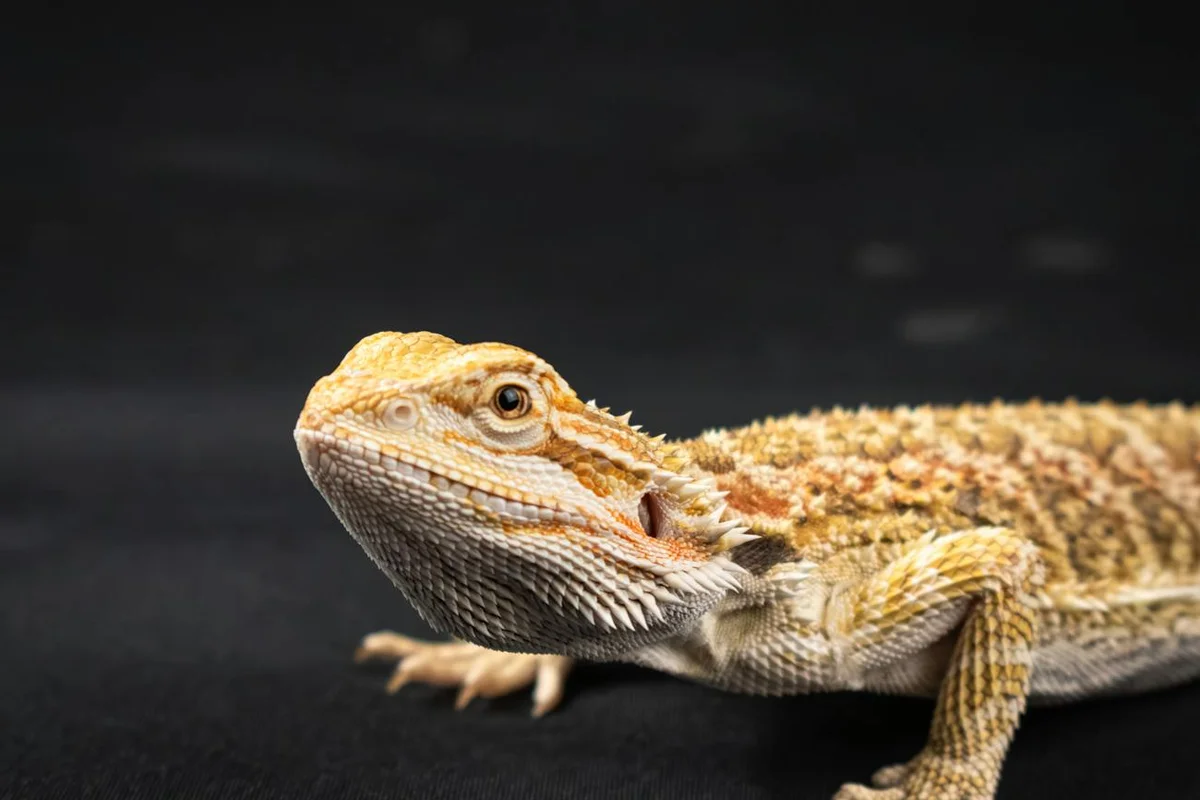
Even the most experienced owners can have an accident. Don’t panic. Your dragon will likely be more startled than seriously injured.
- Have styptic powder or a styptic pen on hand before you start. This is non-negotiable for animal welfare.
- If you nick the quick, immediately dip the bleeding nail into the styptic powder. Apply gentle pressure for about 30 seconds.
- Cornstarch or flour can work in a pinch if you have no styptic powder, but it’s not as effective.
- Comfort your dragon and give them a little space in their enclosure to de-stress afterward. A favorite treat like a hornworm can help smooth things over.
The bleeding should stop quickly, and the nail will heal, but the experience reminds us why careful identification of the quick is so vital.
Keeping Your Beardie Calm During the Process
I’ve found that a calm dragon starts long before the clippers come out. Handle your beardie gently for a few minutes before you even get your supplies ready. This helps them feel secure in your hands, not just associating you with a stressful event. This small routine is a core part of a calm-bearded dragon guide to de-stressing your pet. By making gentle, predictable handling a habit, you pave the way for calmer grooming sessions.
Choose a time when they are naturally more relaxed, like in the late afternoon after they’ve had a chance to bask and digest their food.
- Work on a flat, stable surface like a low table with a soft towel down.
- Dim the lights in the room slightly to create a more soothing atmosphere.
- Talk to them in a soft, reassuring voice throughout the process.
- If they start to struggle or puff up, stop immediately and just hold them until they relax.
For my particularly feisty dragon, I sometimes gently wrap him in a small “beardie burrito” with a towel, leaving one foot out at a time. It makes him feel snug and safe. With regular, gentle handling like this, you can tame a bearded dragon and build bonding through positive sessions. Over time, these calm sessions make handling easier and strengthen trust.
How Often Should You Trim Their Nails?
There’s no universal schedule that fits every bearded dragon. The frequency of nail trims depends almost entirely on their habitat and activity level. You have to become a nail detective. If your active bearded dragon isn’t acting like itself, start by checking its enclosure—temperature, UVB, and available enrichment. Then adjust to restore activity before you worry about nail maintenance.
My oldest beardie, who has a textured slate tile floor, rarely needs a trim. The tile files them down naturally. My younger one, who spends more time on smoother surfaces, needs attention every 3-4 weeks.
- Check their nails weekly. Do a quick visual inspection during handling.
- Listen for a “tick, tick, tick” sound as they walk on hard surfaces. This is a clear sign the nails are getting long.
- Look for a pronounced curve or hook at the end of the nail. A healthy nail should have a gentle curve, not a sharp hook that can catch on things.
- If you see the nail starting to curl back towards the toe pad, it is definitely time for a trim.
Overgrown nails can affect how they walk and even lead to foot injuries. Regular checks prevent minor maintenance from turning into a major ordeal.
Long-Term Strategies for Managing Nail Growth

You can make your life easier by creating an environment that helps maintain your dragon’s nails naturally. Think of your tank setup as your first line of defense against overgrown nails.
I’m a huge advocate for using rough, textured surfaces as a permanent part of their home.
- Slate or ceramic tile is my top choice for the main enclosure floor. It’s easy to clean, holds heat well, and acts like a giant nail file.
- Provide plenty of rough rocks and branches for climbing and basking. The constant contact with these abrasive surfaces wears down the nails.
- A dedicated sandstone slab placed under their basking light works wonders. It gets warm and is the perfect texture for natural filing.
Avoid consistently smooth substrates like newspaper or reptile carpet if nail management is a recurring issue. Following a bearded dragon substrate guide helps you pick safe options—like ceramic tile, paper towels, or reptile-friendly mats—and avoid unsafe loose substrates. By investing in the right tank furniture, you can significantly reduce how often you need to bring out the clippers. This is a win for both your stress levels and your bearded dragon’s welfare.
Frequently Asked Questions
Can I use a nail file instead of clippers for my bearded dragon’s nails?
Yes, a nail file can be used to gently file down the sharp tips, but it may take more time and patience than clipping. This method is ideal for smoothing edges after a trim or for dragons that are particularly skittish around clippers.
What should I do if I notice signs of infection after a nail trim?
If you observe redness, swelling, or discharge around the nail, contact a reptile veterinarian promptly for advice and treatment. Keeping the enclosure clean and monitoring the area can help prevent infections from worsening.
How can I help my bearded dragon get used to nail trimming if it’s their first time?
Begin by gently handling their feet during calm, positive interactions without clipping, and reward them with treats to build trust. Gradually introduce the clippers in short, stress-free sessions to acclimate them to the process over time.
Final Thoughts
Trimming your bearded dragon’s nails doesn’t have to be a stressful event for either of you. The key is using the right tool, like small cat clippers, and focusing only on the sharp, clear tip of the nail. With a calm approach and a tasty treat ready, you can turn a necessary chore into a quick, positive moment. If you’re new to bearded dragon care, this is a basic task. It’s covered in our bearded dragon complete beginners guide to help you get started confidently.
Remember, a little bit off the top is all it takes to protect your skin and your furniture. Always have styptic powder on hand just in case, and don’t be hard on yourself if you’re a bit nervous at first. You’ve got this!
Further Reading & Sources
- How to Clip Your Bearded Dragon’s Nails in 5 Easy Steps | Bearded Dragon Care
- r/BeardedDragons on Reddit: Does my bearded dragon need his nails trimmed? And if so, how?
- When to Trim or Cut My Bearded Dragon’s Nails? | Reptile Supply
Bearded Dragon Lair is the ultimate resource for bearded dragon enthusiasts, offering expert advice and practical tips to ensure the health and happiness of your scaly companion. With years of experience in reptile care, we are dedicated to providing accurate, up-to-date information to support your bearded dragon journey.
Handling Best Practices