Is Grass Safe for Bearded Dragons? A Guide to Wheatgrass and Outdoor Grass
Published on: November 20, 2026 | Last Updated: November 20, 2026
Written By: Beardie Joe
If you’ve ever watched your bearded dragon curiously eye a patch of grass, you’ve likely wondered if it’s a safe snack or a potential problem.
As a long-time owner of multiple beardies, I’ve navigated this exact question and I’m here to share what I’ve learned from both research and real-life experience to help you make the safest choice for your pet.
We’ll dive into the specific safety of wheatgrass versus common outdoor grass, highlight the main risks to watch for, and provide clear, actionable advice for your dragon’s diet.
Understanding Grass Safety for Bearded Dragons
The question of grass safety is a hot topic in the bearded dragon community. Grass itself isn’t inherently toxic, but the risks associated with it make it a highly debated food and play surface. I’ve seen many new owners assume that because it’s “natural,” it must be fine, but reptile care often requires a second, more critical look. To keep your dragon safe, rely on a vetted bearded dragon eat guide that highlights toxic foods to avoid. Remember, bearded dragons can’t safely eat everything that looks natural, so knowing what to skip is as important as what to offer.
Your bearded dragon’s diet should be primarily built around specific, gut-loaded insects and a selection of proven, safe leafy greens. Grass introduces two major concerns that can turn a healthy snack into a serious problem. To guide greens choices, a complete safe/unsafe greens list for bearded dragons shows which greens are safe to eat and which to avoid.
- Pesticide and Chemical Risk: This is the single biggest danger. Lawn grass and many commercially grown grasses are treated with herbicides, insecticides, and fertilizers that are highly toxic to reptiles, even in trace amounts.
- Digestion and Impaction Issues: Bearded dragons struggle to digest the high cellulose content in grass blades. Their digestive systems aren’t designed for it, which can lead to a dangerous bowel obstruction, or impaction.
Types of Grass: Wheatgrass vs. Outdoor Grass
Not all grass is created equal in the eyes of your bearded dragon. The source and type make all the difference between a risky experiment and a potentially safe, occasional enrichment. In our bearded dragon tank plants guide, you’ll find safe live plant options and reliable fake plant choices to suit every setup. We’ll also cover how to identify non-toxic varieties and keep basking areas clean and safe.
Wheatgrass for Bearded Dragons
Wheatgrass is often considered a safer alternative to random lawn grass. I’ve used organic wheatgrass mats in my own dragons’ enclosures as a clean, edible substrate for enrichment. They love nibbling on the young, soft blades during their exploration time.
From a nutritional standpoint, wheatgrass offers some benefits. It’s a good source of fiber, which can aid digestion when consumed in tiny amounts. It also contains Vitamin A, but you should never rely on it as a primary source.
- Wheatgrass Mats: These are my preferred method. They are typically grown in controlled, soil-free environments, drastically reducing the risk of parasites and chemicals.
- Fresh Wheatgrass: If you grow your own from organic seeds, it can be offered. Always wash it thoroughly and only provide a few tiny, finely chopped pieces mixed into their regular salad as a rare treat.
Remember, wheatgrass is a supplement, not a staple. It should never replace their core diet of insects and staple greens like collard or dandelion greens.
Outdoor Lawn Grass for Bearded Dragons
Let me be perfectly clear: letting your bearded dragon roam on or eat from a standard lawn is a game of Russian roulette with their health. The risks from pesticides, chemical fertilizers, and lurking parasites are simply too high to ignore. Bearded dragons can’t eat just any bug safely; some insects are harmless, while others carry pesticides or parasites. Knowing which bugs are safe to offer is essential. I would never do this with my own pets.
If you are determined to use outdoor grass, you must take extreme precautions to ensure it is safe.
- Confirm the area has been completely pesticide and herbicide-free for a minimum of three full years.
- Ensure no chemical fertilizers have been used. Organic, natural compost is the only safe option.
- Thoroughly wash the grass, including the roots and soil, to remove any potential parasites or contaminants.
You must also be a botanical detective and scan the area for common toxic plants that could be mixed in with the grass. Even a single nibble can be disastrous.
- Clover (often treated with chemicals)
- Dandelions (unless confirmed pesticide-free)
- Buttercups
- Ivy
- Any unknown flowering weeds
When in doubt, leave it out. The temporary enjoyment your dragon gets from exploring grass is not worth the potential vet emergency.
Nutritional Benefits and Risks of Grass
Health Benefits of Grass in the Diet
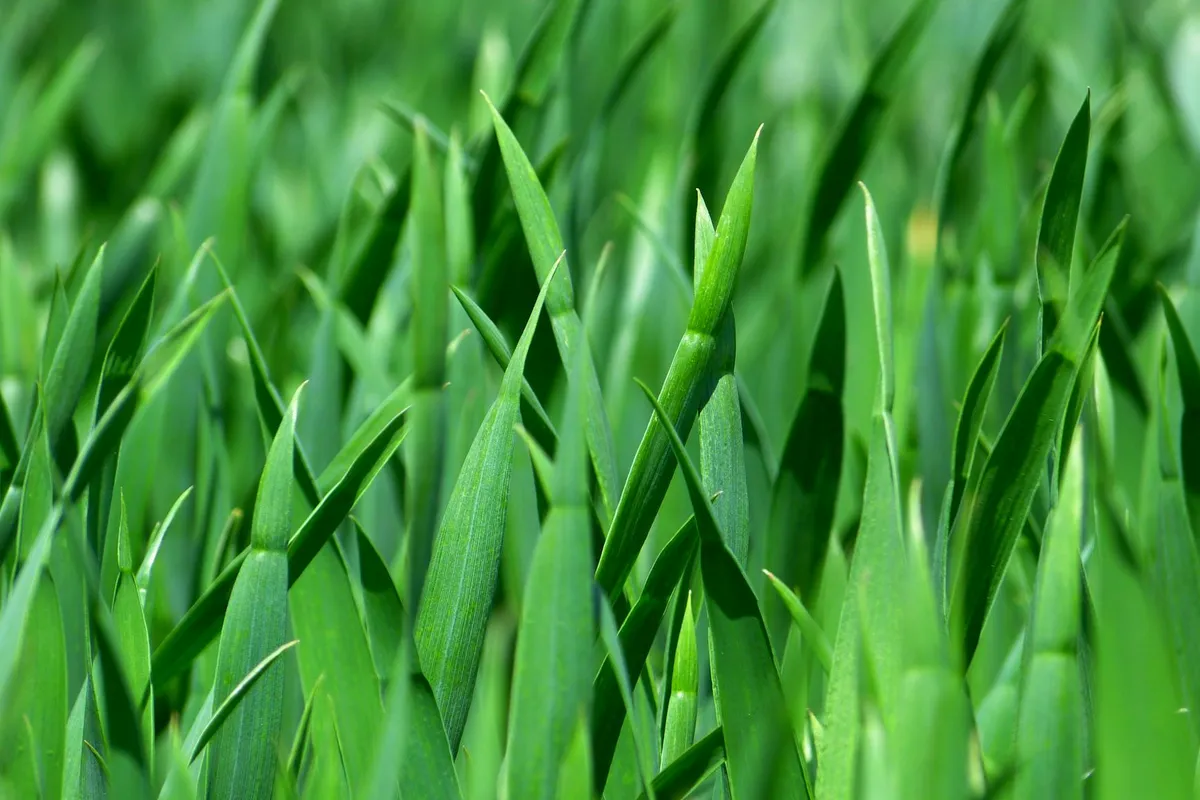
When we think of grass, we often picture a simple lawn, but for a bearded dragon, the right kind can offer some surprising perks. I’ve found that fresh, clean grass can be a decent source of dietary fiber, which is fantastic for keeping your dragon’s digestive system moving smoothly. A little bit can help prevent impaction, a common and scary issue. For a safe, bearded dragon-friendly setup, it’s smart to consult a guide on safe plants, woods, and substrates. That way your enclosure stays healthy and hazard-free.
Fresh grass blades also hold a lot of water, providing a subtle hydration boost. This is especially helpful if your dragon is a little stubborn about drinking from a water dish. The moisture content in fresh grass can be a clever way to supplement their water intake, especially on hotter days.
Now, let’s talk about the mineral content, which is where things get interesting. Not all grasses are created equal. You need to pay close attention to the calcium-to-phosphorus ratio.
- Wheatgrass: This is a standout. It typically has a favorable calcium-to-phosphorus ratio, often around 1:1, which is what we aim for. This means the calcium is readily available for your dragon to use for strong bones.
- Common Lawn Grasses (like Fescue or Ryegrass): These often have a less ideal ratio, sometimes skewed towards phosphorus. Too much phosphorus can actually block calcium absorption.
Offering a tiny amount of safe grass, like wheatgrass, adds to the variety of textures and flavors in their salad bowl. This variety is key for promoting a diverse and healthy gut microbiome, which supports their overall immune function. Think of it as one small component of a much larger, leafy green feast.
Potential Risks and How to Mitigate Them
While there are benefits, the risks of feeding the wrong grass are very real and something I take extremely seriously. The single biggest danger from outdoor grass is parasite contamination from wild animal feces, which can cause serious internal infections.
You must be vigilant for signs of illness if your dragon has ingested questionable grass. Watch for lethargy, a loss of appetite, runny or unusually smelly stools, or weight loss. If you see any of these, a vet visit is non-negotiable. Healthy bearded dragons typically show alertness and active behavior, with a normal appetite and stools. Distinguishing healthy signs from illness helps you act quickly.
Choosing safe grass is your first and most powerful line of defense. Here is my personal protocol for selecting edible grass:
- Source from a Safe Zone: I only use grass from my own enclosed, pesticide-free patio pots that I grow specifically for my dragons. I never, ever pick grass from public parks, roadside verges, or even untreated sections of my main lawn.
- Know What You’re Picking: Absolutely avoid any grass that has been treated with herbicides, pesticides, or chemical fertilizers. These toxins are lethal to reptiles.
- Wash Meticulously: Even my home-grown grass gets a thorough rinse under cool, running water to remove any dust or potential contaminants.
Advocating for their welfare means erring on the side of caution every single time; if you have any doubt about the grass’s cleanliness, just leave it out of their diet. Their health is not worth the gamble.
How to Safely Feed Grass to Your Bearded Dragon
Preparing and Serving Grass
Preparation is everything when introducing a new food. You can’t just toss a handful of lawn clippings into their terrarium. First, you must chop the grass finely with a clean knife or scissors into pieces small enough to be easily swallowed and digested. I aim for pieces no longer than the space between their eyes.
Always introduce grass gradually to prevent shocking their system. Follow these steps for a smooth transition:
- Week 1: Mix a tiny pinch of finely chopped, well-washed grass into their regular salad. We’re talking 4-5 tiny pieces.
- Week 2: If their droppings remain normal and they are acting fine, you can very slightly increase the amount.
- Ongoing: Even once they’re accustomed to it, grass should remain a minor component. My rule is that grass should never make up more than 5-10% of their overall vegetable and greens intake. It’s a supplement, not a staple.
For feeding frequency, offering a small amount once or twice a week is perfectly sufficient. This portion control ensures they get the benefits without the risks associated with overconsumption.
Feeding Grass to Babies vs. Adults
Their age dramatically changes how you should approach grass. I do not recommend offering any grass to baby bearded dragons, as their tiny digestive systems are much more sensitive and prone to impaction.
Their primary diet needs to be protein-rich insects to support their rapid growth. For safe greens for younger dragons, stick with the classics. Our bearded dragons eat lettuce guide highlights which greens are safe and how to serve them.
- Finely chopped collard greens
- Dandelion greens
- Butternut squash
- Small pieces of bell pepper
For adult bearded dragons, whose diet should be about 80% greens and 20% insects, a little bit of safe grass can be introduced. From my experience, adults handle the fiber in grass much better, but their slower metabolism means we still have to be cautious with portion sizes. It’s always better to offer too little than too much. Their main salad should always be built on a foundation of reliable, nutrient-dense greens like mustard, turnip, and dandelion greens, with grass acting as an occasional, interesting garnish. Turnip greens are a nutritious option in that mix, offering key vitamins and fiber. For safety, feed turnip greens in moderation, chop finely, and rotate with other greens to keep the diet balanced.
Alternative Safe Greens for Bearded Dragons
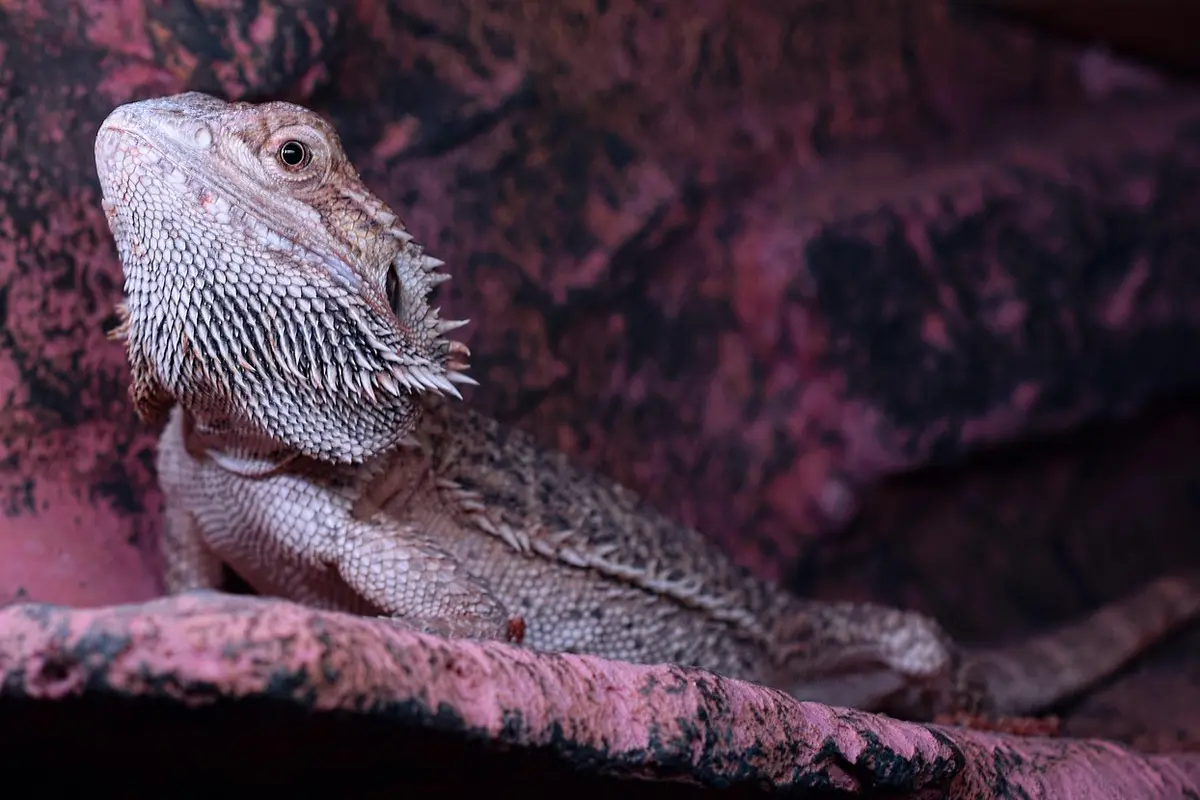
While a nibble of grass is okay, your dragon will thrive on a menu of more nutritious leafy greens. I always prioritize these greens over grass because they deliver the vitamins and minerals my dragons need without the digestive risk.
Here are my top picks that I regularly feed to my own bearded dragons.
- Collard Greens: A staple in my fridge. They are packed with calcium and have a great calcium-to-phosphorus ratio, which is vital for bone health.
- Dandelion Greens: Don’t weed them out! These are a fantastic, nutrient-dense option that my dragons go crazy for. Just be 100% sure they are pesticide-free.
- Mustard Greens: Another excellent choice, offering a good mix of vitamins A, C, and K to support their immune system and vision.
- Endive and Escarole: These are great for adding variety and hydration to their diet without being high in oxalates, which can bind to calcium.
Compared to regular grass, these greens are simply more bioavailable and easier for your dragon’s system to process. Think of grass as the empty-calorie snack and these greens as the power-packed superfoods.
If you do let your dragon munch on some safe, homegrown wheatgrass, you can think of it as a fun part of a varied diet. I sometimes offer it as a “salad topper” for enrichment, but it never replaces their core greens. Rotating through 3-4 different staple greens each week ensures they get a broad spectrum of nutrients and keeps mealtime interesting for them.
Growing and Using Safe Grass at Home

Choosing and Growing Wheatgrass
Growing your own wheatgrass is a simple and rewarding project. It gives you complete control, so you know it’s free from any harmful chemicals. Watching my dragons investigate a fresh pot of wheatgrass is one of my favorite forms of enrichment.
Follow these steps for a successful crop.
- Purchase organic wheatgrass seeds from a health food store or reputable online retailer.
- Soak the seeds in a bowl of clean water for 8-12 hours to kickstart germination.
- Fill a shallow tray with a couple of inches of organic potting soil. Moisten the soil until it’s damp but not soggy.
- Drain the seeds and spread them evenly over the soil surface. Press them down gently.
- Cover the tray with a damp paper towel or another tray to create a dark, humid environment for a few days.
- Once sprouts appear, remove the cover and place the tray in a spot with indirect sunlight.
- Keep the soil moist with a spray bottle. You should have a lush patch of wheatgrass ready for your dragon in about 7-10 days.
The key to maintaining a pesticide-free crop is to start with organic seeds and soil and only use water. I never use any fertilizers or plant food on anything I grow for my pets. The live plant itself provides fantastic mental stimulation as your dragon can forage and interact with it.
Incorporating Grass in the Habitat
You can use your homegrown wheatgrass in a couple of creative ways inside the enclosure.
One popular method is to place the entire growing tray directly into the habitat. This creates a naturalistic foraging area. My beardies love pushing through the grass blades and taking a casual bite as they explore. You can also snip a few blades and scatter them over their regular salad to encourage feeding.
While some owners use grass as a substrate, I advise caution. It can hold humidity and harbor bacteria if it gets soiled. I prefer to use it as a temporary “activity center” that I can remove and replace easily.
For a more permanent and calcium-rich habitat option, consider planting a patch of Sedum species like Stonecrop. Some are safe for dragons and can handle the arid environment better than grass. If you plan to offer leafy greens as part of your dragon’s diet, consult a bearded dragon leaves eating guide to distinguish safe from toxic varieties. For quick reference, keep a bearded dragon leaves eating guide handy to know which leaves are safe and which to avoid. Always supervise your dragon’s interaction with any live plant. Watch to ensure they are not overeating the grass or digging up the soil, and remove the plant if it starts to look worn out or dirty.
Frequently Asked Questions
Can bearded dragons safely eat grass from my backyard?
No, it is generally unsafe due to risks from pesticides, chemical fertilizers, and parasites that can be present on untreated lawns. Always opt for controlled sources like home-grown wheatgrass to minimize health hazards.
Is wheatgrass a nutritious staple for my bearded dragon’s diet?
No, wheatgrass should only serve as an occasional supplement and not a staple food. It provides some fiber and vitamins but lacks the comprehensive nutrients found in core greens like collard or dandelion greens.
What are the best safe greens to replace grass in my bearded dragon’s diet?
Focus on nutrient-rich staples such as collard greens, mustard greens, and dandelion greens, which are easier to digest and support overall health without the risks associated with grass.
Final Thoughts
When it comes to offering your bearded dragon grass, the choice is clear: wheatgrass grown indoors is the only truly safe option you should consider. It’s a fun, clean, and enriching treat that my own dragons occasionally enjoy nibbling on. Just remember to serve it fresh and in small, manageable amounts. Beyond wheatgrass, safe live plants—such as certain herbs and succulent greens—can fit into a varied, safe diet. Always choose pesticide-free varieties and verify they’re appropriate for bearded dragons as part of a plants-for-bearded-dragons guide.
Please, always avoid grass from your yard or public parks. You simply cannot know what pesticides, animal waste, or other harmful chemicals are on that outdoor grass, making it a significant health risk. Sticking to safe, controlled greens like wheatgrass ensures your scaly friend stays happy and healthy for years to come.
Further Reading & Sources
- Can Bearded Dragons Eat Grass? – Dragon’s Diet
- Can Bearded Dragons Eat Wheatgrass? Vet Approved Nutrition Facts & FAQ | Hepper
- Bearded Dragon Eating Wheatgrass – Safe Plants and Fun …
Bearded Dragon Lair is the ultimate resource for bearded dragon enthusiasts, offering expert advice and practical tips to ensure the health and happiness of your scaly companion. With years of experience in reptile care, we are dedicated to providing accurate, up-to-date information to support your bearded dragon journey.
Feeding Guidelines