
Prebiotics and Probiotics for Bearded Dragons: A Simple Guide
Published on: December 30, 2025 | Last Updated: December 30, 2025
Written By: Beardie Joe
Have you ever noticed your bearded dragon acting sluggish or having irregular digestion and wondered if their diet needs a boost? The secret might lie in the tiny world of gut bacteria.
As a long-time bearded dragon owner who’s navigated everything from picky eaters to sensitive stomachs, I’ll help you understand these supplements without the confusing science jargon.
We’ll cover what prebiotics and probiotics actually do, the safest sources for your dragon, and how to easily add them to their routine for better health.
What Are Prebiotics and Probiotics?
Think of your bearded dragon’s gut like a tiny, bustling garden. To keep it thriving, you need two things: the seeds (the probiotics) and the fertilizer (the prebiotics). They work as a team, and I’ve seen the difference this partnership makes with my own dragons. In a complete guide to safe foods for bearded dragons, you’ll learn which items are truly gut-friendly and safe to feed. From leafy greens to appropriately sized insects, these choices support that balance and help you apply probiotics and prebiotics confidently.
Probiotics: The Good Gut Bugs
Probiotics are live, beneficial bacteria that take up residence in your dragon’s digestive system. I like to call them the friendly neighborhood police for the gut, helping to crowd out the bad bacteria that can cause illness. You’re essentially adding more good soldiers to their internal army.
- They are living microorganisms.
- Common sources include specialized reptile supplements and some fermented foods like a tiny amount of plain, unsweetened yogurt (used sparingly and with vet guidance).
- They help break down food and absorb nutrients.
Prebiotics: Food for the Good Bugs
Prebiotics aren’t alive. They are special types of indigestible fiber that pass through the digestive system untouched until the good bacteria in the gut ferment them. Prebiotics are the dedicated fuel source that ensures the probiotics you introduce can actually survive and multiply. Without them, your probiotic efforts might be in vain.
- They are non-living, specialized fibers.
- Common sources are found in the cell walls of many vegetables, like dandelion greens, endive, and asparagus.
- They act as fertilizer for the beneficial gut bacteria.
| Probiotics | Prebiotics |
|---|---|
| Live bacteria | Non-living fiber |
| The “workers” in the gut | The “food” for the workers |
| Often supplemented | Found in healthy veggies |
Why Bearded Dragon Gut Health Is So Important
A healthy gut is the cornerstone of a healthy bearded dragon. It affects everything from their energy levels to their lifespan. I’ve nursed rescues back to health, and the first step was always fixing their gut to ensure they are not constipated.
Your dragon’s gut is responsible for the monumental task of breaking down the tough chitin in insects and the fibrous cellulose in plants. A balanced gut microbiome makes this process efficient, pulling every bit of nutrition out of their meals. When the gut is off, you’ll see undigested food in their stool—a clear sign things aren’t working right. This sets the stage for our bearded dragon poop visual guide, with clear images of what healthy stool should look like. Use it to spot red flags at a glance.
The Gut-Immune System Link
You might be surprised to learn that a huge portion of your bearded dragon’s immune system is located in their gastrointestinal tract. A flourishing community of good bacteria actively fights off pathogens, creating a first line of defense against disease. A dragon with poor gut health is a dragon that gets sick more often. Healthy dragons show a steady appetite, good activity, and regular stools, as detailed in this article on Healthy dragons show steady appetite. Changes in appetite, energy, shedding, or stool can signal illness.
Signs of an Unhealthy Gut
Watch for these red flags. Catching them early makes all the difference.
- Lethargy and lack of appetite.
- Runny, unusually smelly, or discolored stools.
- Weight loss despite eating.
- Bloating or a distended belly.
Providing a diet rich in prebiotic fibers and occasionally supplementing with probiotics, especially after antibiotic use or times of stress, is one of the most proactive things you can do for their long-term wellness. It’s a simple step with profound rewards.
Spotting Signs of Gut Imbalance in Bearded Dragons
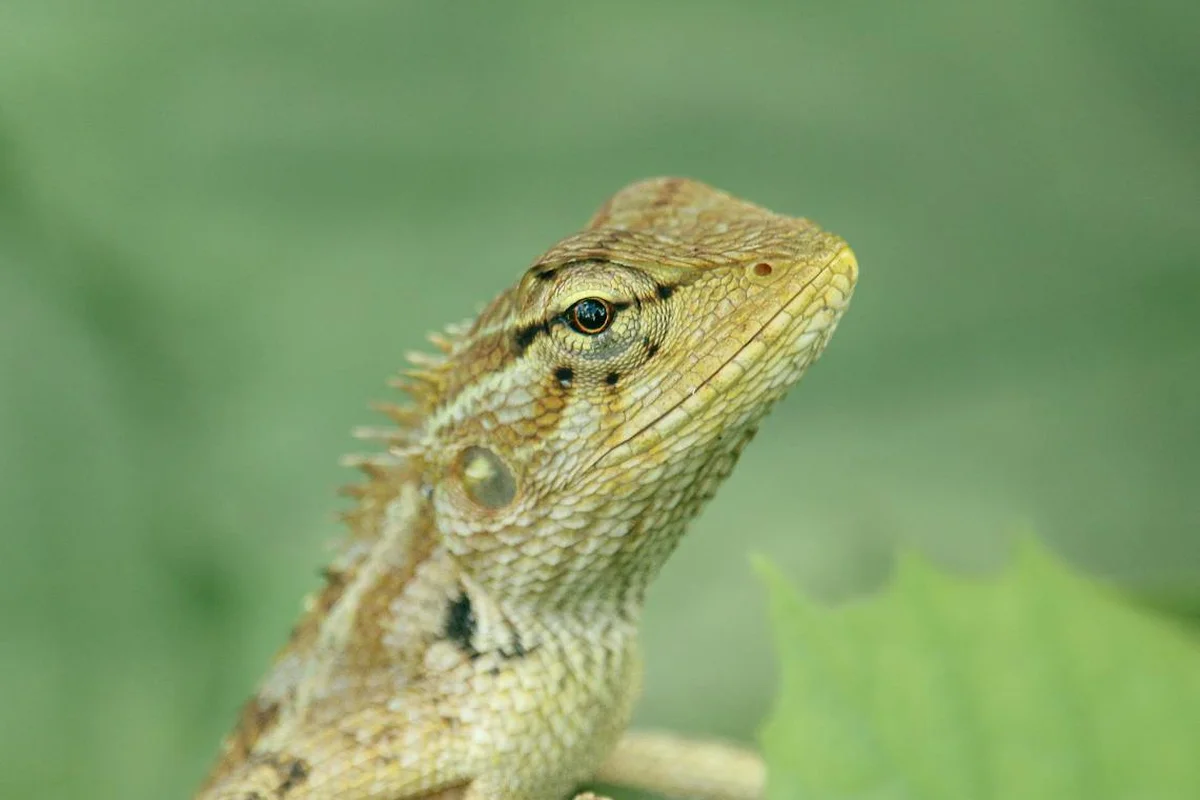
Your dragon can’t tell you when their tummy hurts, so you have to become a detective. I’ve learned to watch for subtle shifts in behavior and appearance that signal something is off internally. Early detection is your best tool for preventing a minor issue from becoming a major health crisis. For a practical, step-by-step way to tell if your bearded dragon is healthy, see our complete health check guide. It outlines the signs to look for and simple home checks you can perform.
Here are the key signs that your bearded dragon’s gut flora might be out of balance:
- Lethargy and Lack of Appetite: A sudden disinterest in food, especially their favorite bugs, is a huge red flag. A healthy dragon is a hungry dragon.
- Abnormal Stool: Runny, overly smelly, or irregular poops are a direct window into their digestive health. Undigested food particles in the stool are another clear warning sign.
- Weight Loss: Even if they are eating a little, an unhealthy gut can’t absorb nutrients properly, leading to a slow but steady drop in weight.
- Bloating or a Tense Abdomen: A puffy, hard-looking belly can indicate gas buildup or a slowdown in gut motility.
I once had a dragon, Pippin, who just seemed “off.” He wasn’t basking with his usual enthusiasm and left his roaches uneaten. Catching these small behavioral cues early allowed me to adjust his diet and support his gut before he got truly sick.
How Prebiotics and Probiotics Work in the Bearded Dragon Gut
Think of your dragon’s digestive system as a tiny, bustling garden. For it to thrive, you need both the seeds and the fertilizer. Probiotics are the beneficial seeds (good bacteria), and prebiotics are the fertilizer that helps them grow.
They work together in a beautiful, symbiotic dance inside your pet.
- Probiotics are the Live Beneficial Bacteria. When you provide a probiotic, you are directly adding reinforcements to the army of good microbes in the gut. These good guys help crowd out the harmful bacteria that can cause illness and poor digestion.
- Prebiotics are the Specialized Food for Good Bacteria. Prebiotics are non-digestible fibers that pass through the upper gut unchanged. When they reach the colon, they become a gourmet meal for your dragon’s probiotics. This process, called fermentation, produces short-chain fatty acids that nourish the gut lining itself.
You can’t have one work effectively without the other. Giving probiotics without prebiotics is like planting seeds in poor soil. This powerful combination supports a robust immune system, as a huge portion of their immune cells live in the gut wall.
Natural Food Sources of Prebiotics and Probiotics

You don’t always need a fancy supplement from the pet store. Some of the best gut-supporting foods are probably already in your kitchen. I love using these whole-food options to give my dragons a little extra boost. For bearded dragons, fruits and vegetables on the ultimate safe food list are great for gut health. I’ll share safe picks you can rely on.
Excellent Natural Prebiotic Sources
These foods contain the fibers that feed the good gut bacteria.
- Dandelion Greens: A powerhouse of inulin, a top-tier prebiotic fiber. This is a staple green in my house.
- Endive and Escarole: These slightly bitter greens are fantastic for promoting a diverse microbiome.
- Butternut Squash: Cooked and mashed, it’s a delicious and fiber-rich treat.
- Blueberries: Offer these sparingly as a treat, but they are packed with polyphenols that act as prebiotics.
Sources of Natural Probiotics
These foods introduce beneficial bacteria directly into the system.
- Organic, Non-Fat Plain Yogurt: A tiny dab (no bigger than the space between their eyes) once a week can offer a dose of Lactobacillus. Always choose a brand with live and active cultures and no added sugars or flavors.
- Gut-Loaded Feeder Insects: This is my preferred method. By feeding your crickets and roaches a nutritious, fibrous diet (like the prebiotic greens listed above), you pass those benefits directly to your dragon.
Remember, variety is key. Rotating these natural sources creates a more resilient and balanced gut ecosystem for your scaly friend.
Using Prebiotic and Probiotic Supplements Safely
Think of supplements not as a daily vitamin, but as a targeted tool for your dragon’s gut health. Getting the dosage and frequency right is the single most important factor for their safety and effectiveness. Overdoing it can cause more harm than good.
In my own colony, I only reach for a probiotic powder when I know my dragons need digestive support. Here’s how I do it safely:
- Always Follow Package Directions: More is not better. These products are concentrated, so adhere strictly to the manufacturer’s dosing guide based on your dragon’s weight.
- Start Slow and Observe: When introducing a new supplement, use a half-dose for the first few applications. Watch their stool and behavior closely for any changes.
- Dust, Don’t Drench: Lightly dust their feeder insects or a favorite moist food like squash. You want them to ingest the powder, not swim in it.
- Timing is Everything: I find it most effective to offer a probiotic supplement in the morning, giving their system the whole day to process it with their normal heat and light cycles.
- Proper Storage is Non-Negotiable: Keep these supplements in a cool, dark, and dry place. The live bacteria in probiotics are delicate and will die if exposed to heat or moisture, rendering the product useless.
Supplements are fantastic, but they can’t replace a balanced diet. The best prebiotics will always come from the fresh, fibrous veggies you already offer, like dandelion greens and bell peppers. Use these powders to supplement the gut flora, not to create it from scratch.
Risks and When to See a Veterinarian
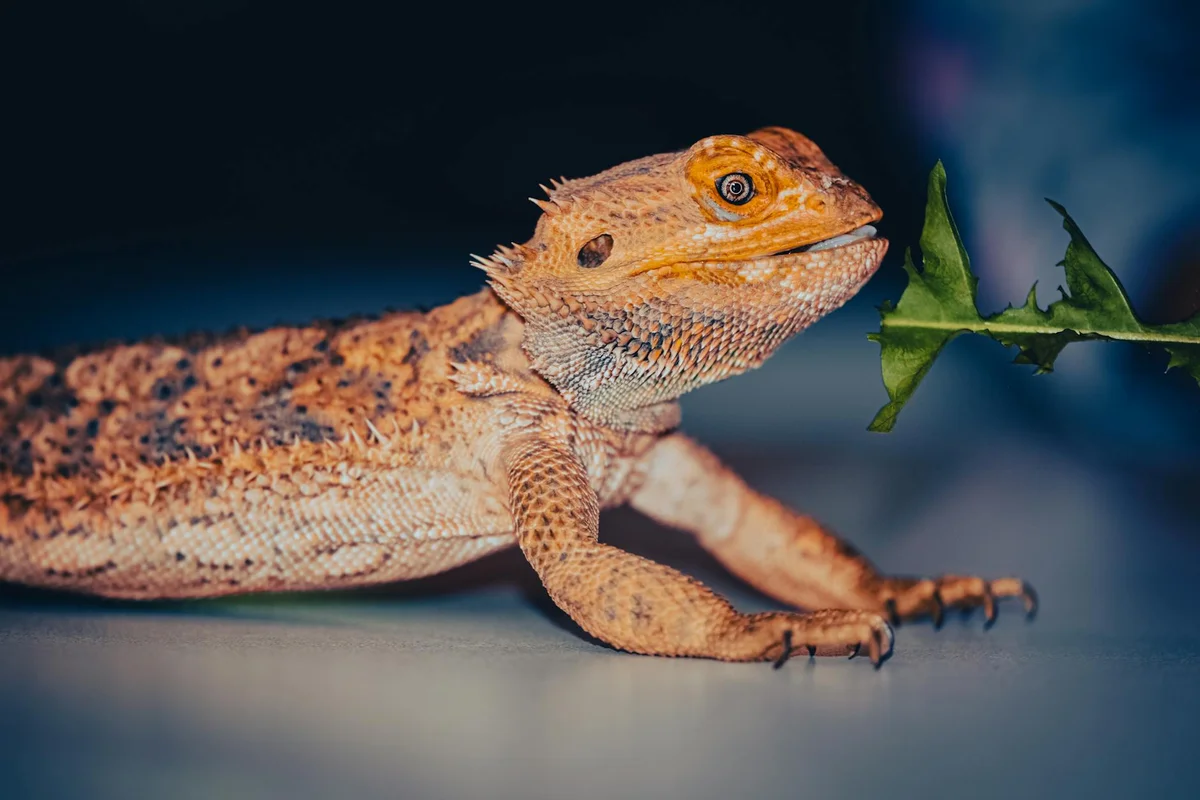
While generally safe for healthy dragons, there are risks every owner should recognize. An imbalanced gut can lead to serious health issues, and sometimes, our well-intentioned efforts can accidentally contribute.
Be on the lookout for these warning signs that something is off:
- Persistent loose, watery, or unusually smelly stools
- A noticeable loss of appetite for more than a day or two
- Lethargy or hiding more than usual
- Any signs of bloating or discomfort in their abdomen
If you see any of these symptoms, stop all supplements immediately and assess their core diet and habitat temperatures. Often, a simple husbandry fix is the solution. I’ve had a dragon with runny stools that was completely resolved by fixing a faulty basking lamp. Sometimes constipation is the issue, and it responds to the same basics: proper hydration and stable basking temperatures. This is how I help my constipated bearded dragon poop.
However, you must contact your veterinarian if symptoms are severe or do not resolve quickly. This includes:
- No bowel movement for over a week combined with a lack of appetite
- Blood or mucus in the stool
- Signs of pain, like a black, stressed beard that won’t go away
- Prolonged lethargy where your dragon isn’t moving to bask
Never try to diagnose and treat a serious parasitic infection or impaction yourself with over-the-counter supplements. This can mask the real problem and allow it to worsen. A qualified reptile vet can perform a fecal exam to identify the exact issue and prescribe the correct medication or a specific, professional-grade probiotic. Your dragon’s life is worth that expert visit.
Frequently Asked Questions
How often should I give my bearded dragon probiotic supplements?
Probiotic supplements are not for daily use; they should be administered occasionally, such as after antibiotic treatment, during times of stress, or when signs of gut imbalance appear, to avoid disrupting the natural gut flora.
Can probiotics help with specific digestive issues like impaction?
While probiotics support overall gut health by balancing bacteria, they are not a cure for impaction, which often requires veterinary care to address blockages and underlying causes.
When is it unsafe to use probiotics for my bearded dragon?
Avoid probiotics if your dragon shows severe symptoms like persistent diarrhea, blood in stool, or lethargy, as these could signal a serious health issue that needs a vet’s diagnosis and treatment first. Vomiting in a bearded dragon is a red flag and should prompt a vet visit. It can signal dehydration, infection, or a digestive issue that needs testing and treatment.
Final Thoughts
Supporting your dragon’s gut health is one of the simplest and most impactful things you can do for their overall well-being. A balanced gut helps them digest their food efficiently, absorb all the good nutrients, and maintain a robust immune system to fight off illness. It truly is the foundation of their health.
From my own experience, focusing on this has made my dragons more active and vibrant. Remember, a mix of probiotic-rich feeders and prebiotic-packed veggies creates a thriving internal ecosystem, mimicking what they would find in the wild. Your careful attention to their gut makes all the difference.
Further Reading & Sources
- Amazon.com : Nature Zone Bearded Dragon Vitamins & Probiotics 3 oz : Pet Habitat Supplies : Pet Supplies
- Nature Zone Bearded Dragon Probiotics & Prebiotics Supplement – Talis – Talis Us
- Reptile, Nature Zone Herp Pro Bearded Dragon Probiotics and Prebiotics (2.8 oz) | eBay
Bearded Dragon Lair is the ultimate resource for bearded dragon enthusiasts, offering expert advice and practical tips to ensure the health and happiness of your scaly companion. With years of experience in reptile care, we are dedicated to providing accurate, up-to-date information to support your bearded dragon journey.
Supplements and Vitamins