
Safe vs. Unsafe Wood for Your Bearded Dragon’s Home
Published on: December 30, 2025 | Last Updated: December 30, 2025
Written By: Beardie Joe
Choosing the wrong branch for your bearded dragon’s enclosure can turn a beautiful decoration into a hidden danger.
With years of experience caring for my own dragons, I’ll help you navigate this safely, because their welfare is the top priority.
We’ll cover which woods are completely safe, which are toxic and must be avoided, and the critical steps to prepare any wood before it goes into the tank.
Why Wood Choice Matters for Your Bearded Dragon’s Health
Choosing the wrong wood for your dragon’s home isn’t just a minor mistake; it can directly harm their delicate respiratory system. I learned this the hard way early on. A DIY bearded dragon enclosure building guide can help you choose safe materials and proper ventilation from the start.
Woods like pine and cedar are full of aromatic oils and phenols. These natural compounds release fumes that are highly toxic to reptiles, causing severe respiratory irritation and long-term health issues. You might notice your dragon wheezing or seeming lethargic, which was my first scary clue something was wrong. Lethargy can have many common causes, not just toxins. For more information on the causes of bearded dragon lethargy, if your dragon seems unusually sleepy, check its heat, hydration, and appetite, and consult a reptile vet if concerns persist.
In contrast, the right wood is a cornerstone of their well-being. It provides essential enrichment, encouraging natural climbing and exploring behaviors. A sturdy, safe branch gives them a perfect basking spot to properly digest their food and regulate their body temperature.
I remember swapping out a questionable piece of wood for a proper manzanita branch. The change in my dragon, Spike, was almost immediate-he became more active, curious, and spent his days happily clambering up and down his new perch. It was proof that their environment directly shapes their happiness.
Safe Wood Species for Bearded Dragon Vivariums
Stick to non-toxic, reptile-safe hardwoods that are dense and won’t easily splinter. These are the types I’ve trusted for years with my own pets.
- Manzanita: Incredibly hard and durable, with a smooth texture that’s perfect for climbing.
- Cork Bark: Lightweight with a great natural texture for gripping. It also makes a fantastic hide.
- Driftwood (properly prepared): Offers beautiful, gnarly shapes for exploration. Ensure it’s been thoroughly cleaned and dried.
- Other safe options include grapevine, cholla wood, and oak.
The golden rule is to only use wood that is completely untreated and has no strong odor. Any wood that smells strongly, even if it’s a “safe” species, could be a sign of contamination or decomposition and is best avoided.
You can use these woods in so many creative ways to build a stimulating habitat.
- Create a multi-level basking area with a sturdy branch positioned under the heat lamp.
- Use a large piece of cork bark flats to create a natural-looking hide on the cool side of the tank.
- Arrange driftwood to create climbing structures that encourage exercise and mental stimulation.
Always scrub new wood with a reptile-safe disinfectant and bake it in the oven at a low temperature (200-250°F) to kill any pests or mold before placing it in the enclosure. This extra step is non-negotiable for your dragon’s safety. For substrate, refer to a bearded dragon substrate guide for safe options, unsafe materials to avoid, and best practices to prevent impaction.
Unsafe Wood to Avoid in Reptile Enclosures
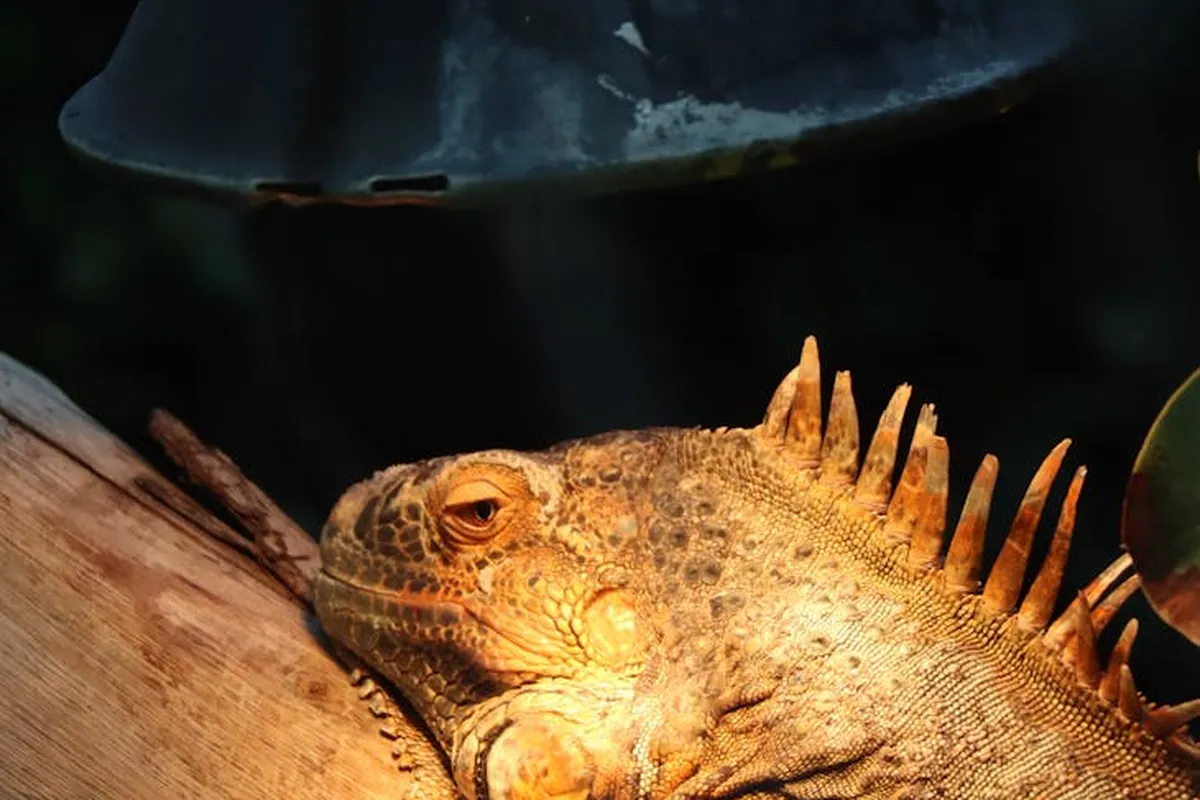
Knowing which woods to avoid is just as important as knowing which are safe. I learned this the hard way years ago when a well-meaning friend offered me a beautiful piece of wood that turned out to be a hidden danger.
- Toxic Woods
- Pine and Cedar: These are the biggest offenders. They contain high levels of aromatic oils and phenols. These natural compounds can cause severe respiratory distress and liver damage in bearded dragons. The “fresh” scent is actually a warning sign.
- Redwood: Similar to cedar, its natural oils and tannins are too harsh for your dragon’s sensitive system.
- Plywood and Particleboard: Never use these. They are bound together with glues and resins that release toxic formaldehyde fumes, especially when heated by a basking lamp.
- Specific Dangers
- The primary danger from woods like cedar is their volatile oils, which are inhaled and absorbed, leading to chronic health issues.
- Pressure-treated lumber, often used for outdoor decks, is soaked in arsenic and other copper-based chemicals to prevent rot. These chemicals are highly toxic if your dragon licks or chews on the wood.
- Common Mistakes
- Using wood found in your yard or from a fireplace pile without proper identification and sanitization is a huge risk. Firewood is often stored in a way that promotes mold, fungus, and pest infestations.
- Assuming all wood from a pet store is instantly safe. I always give even store-bought wood a thorough inspection and cleaning before it goes near my pets.
How to Prepare and Sanitize Wood for Enclosure Use
Proper preparation is non-negotiable. It turns a potentially hazardous natural item into a safe and enriching part of your dragon’s home. This process has become a weekend ritual for me. For a bearded dragon tank cleaning guide, a regular schedule, reliable methods, and safe solutions keep the enclosure healthy. These steps turn routine maintenance into a predictable, low-stress process.
- Step-by-Step Sanitization
- Sourcing: Select hard, dry wood without signs of mold, sap, or pests. I prefer woods like oak or maple from my own chemical-free yard.
- Scrubbing: Use a stiff brush and hot water to scrub off all dirt, loose bark, and debris. This is the most physically demanding part!
- Bleach Soak: Submerge the wood in a solution of 1 part bleach to 10 parts water for at least 30 minutes. This step kills bacteria, viruses, and fungal spores that could make your dragon sick.
- Rinsing and Drying: Rinse the wood thoroughly with clean water until you can no longer smell any bleach. Let it air dry completely in the sun.
- Baking: Place the dry wood in your oven at 200-250°F (93-121°C) for 30-60 minutes. This heat treatment is the final blow to any lingering mites, eggs, or other tiny pests. Watch it closely to prevent fire.
- Moisture and Sealant
- If the wood will be in a humid part of the enclosure, consider a reptile-safe sealant like Polycrylic. Apply several thin coats, allowing full curing time as per the product instructions.
- Sealants are not always necessary for dry, hardwoods, but they make the wood easier to clean and dramatically extend its life by preventing moisture absorption.
- Personal Tip: Curing to Prevent Mold
- For wood I collect myself, I use a longer curing process. After the initial scrub, I let the wood sit in a dry, well-ventilated garage for several weeks. This slow, natural drying helps prevent the internal moisture that leads to mold later on. Patience here saves a lot of trouble down the road.
Creative Uses of Wood in Bearded Dragon Habitats

One of my favorite weekend projects is transforming a simple piece of driftwood into a multi-level basking spot. By selecting a piece with a sturdy, flat top and angling a sturdy branch up to it, you create a fantastic climbing gym that doubles as a perfect sunning platform. For readers following a bearded dragon complete beginners setup guide, this kind of setup is exactly the kind of starter project it recommends. I’ve watched my own dragons spend hours navigating these structures, which is great for their physical and mental health.
Cork bark is a superstar for DIY hides because it’s naturally hollow and very easy to work with. I often take a large tube of cork bark, bury one end slightly in the substrate, and instantly have a perfect, secure cave that also helps with shedding. You can even stack flat pieces of cork or wood to create a layered “condo” effect, giving your beardie multiple options for privacy and temperature regulation.
Wood vs. Rock: Choosing the Right Material
While smooth, flat rocks are excellent for retaining heat and filing down nails, wood brings unique advantages to the table. Wood is generally lighter and easier to rearrange, allowing you to refresh the habitat’s layout regularly to prevent boredom. It also provides a much more varied texture for climbing, from the rough bark of grapevine to the smooth surface of manzanita.
Rocks are fantastic, but they don’t offer the same gnarly, branching complexity that encourages natural climbing behaviors. I find a habitat feels most complete and enriching when it uses a mix of both materials, leveraging the best qualities of each. A large basking rock under the heat lamp, surrounded by climbing branches, is a setup my dragons absolutely thrive in. They particularly enjoy climbing natural branches over smooth surfaces, as detailed in this guide on whether bearded dragons can climb glass or artificial structures.
Arranging Wood for Climbing and Security
When placing wood, always prioritize stability. A wobbly branch isn’t just scary for your pet; it’s a tipping hazard that can lead to injury. I secure larger pieces against the side of the enclosure or bury their bases slightly to ensure they don’t shift under your dragon’s weight.
- Create climbing pathways that lead to key areas, like the basking spot and the food dish.
- Angle branches to provide both horizontal walkways and more challenging vertical climbs.
- Always position at least one piece of wood or a hide in the cooler end of the tank to offer a secure retreat away from the heat.
Think about the sightlines from your dragon’s perspective. Arranging wood to create visual barriers can make a large, open tank feel much safer and more secure for your pet. A well-placed piece of driftwood can break up the space, giving them a sense of having their own separate “rooms” for different activities. Integrating the right equipment, decor, and safety considerations is part of a complete bearded dragon tank setup guide. Keeping safety in mind during layout helps your dragon stay healthy and stress-free.
Frequently Asked Questions
How does Florida’s humid climate impact wood selection for bearded dragon enclosures?
Florida’s high humidity can accelerate mold growth and wood decay, so opt for dense, rot-resistant woods like manzanita and ensure thorough sealing and regular inspections to maintain a safe environment.
If I have dogs at home, how can I prevent them from affecting the wood in my bearded dragon’s enclosure?
Keep the enclosure securely elevated or enclosed to avoid dog access, and routinely check the wood for chew marks or contamination, as dog saliva or debris could introduce harmful bacteria.
Is it safe to use wood from my home or garden in a bearded dragon enclosure?
Only if the wood is from a confirmed non-toxic species and undergoes rigorous sanitization, including scrubbing and baking, to remove pesticides, pests, or mold that could harm your dragon. Bearded dragons can’t eat everything, and our eating guide highlights toxic foods to avoid to keep them safe.
Final Thoughts
Your dragon’s home should be a sanctuary, not a source of hidden danger. Sticking to known-safe woods like oak, maple, or grapevine is the single most reliable way to protect your pet from harm. I always bake or boil any new branch I find, a simple habit that gives me complete peace of mind. This approach fits into a broader safe bearded dragon guide that also covers plants, woods, and substrates. Choosing non-toxic plants, safe woods, and inert substrates helps keep the enclosure healthy and hazard-free.
When you choose the right wood, you’re doing more than just decorating. You are providing essential enrichment that keeps your bearded dragon active, engaged, and truly thriving. Seeing my own dragons bask and climb on their safe structures is a daily reminder that a little research upfront makes all the difference. If you’re looking for bearded dragon enrichment ideas, start with safe, climbable branches, tunnels, and hides. Small, varied textures and basking spots help keep them curious and active.
Further Reading & Sources
- Types of Wood That Are Safe For Beardies? | DIY
- What Wood Is Safe For Bearded Dragons?
- Wood in the Viv for a Bearded Dragon | Reptile Forums
Bearded Dragon Lair is the ultimate resource for bearded dragon enthusiasts, offering expert advice and practical tips to ensure the health and happiness of your scaly companion. With years of experience in reptile care, we are dedicated to providing accurate, up-to-date information to support your bearded dragon journey.
Substrate Options