
What Flowers Can Bearded Dragons Eat? A Safety Guide to Rose Petals, Hibiscus, and More
Published on: January 26, 2026 | Last Updated: January 26, 2026
Written By: Beardie Joe
If you’re wondering which colorful blooms are safe for your bearded dragon to nibble on, you’ve come to the right place.
As a longtime owner of multiple bearded dragons with qualifications in reptile care, I’ve personally tested and researched safe flower options to prioritize animal welfare.
I’ll walk you through the safety of rose petals, hibiscus, and other common flowers, plus how to prepare them properly for your scaly friend.
Why Add Flowers to Your Bearded Dragon’s Diet?
Think of flowers not as a staple food, but as the special, colorful confetti you sprinkle on top of an already healthy diet. Flowers are fantastic, low-calorie enrichment tools that break the monotony of daily greens. They should only be a small part of their overall vegetable and fruit intake, offered maybe once or twice a week.
The benefits go far beyond just a pretty plate. Flowers can be a hidden source of hydration, especially on warm days. Many are packed with vitamins, particularly Vitamin A, which is vital for your dragon’s vision, skin health, and immune system. They also encourage natural foraging behaviors, which is great for mental stimulation.
I’ll never forget the first time I offered my bearded dragon, Ember, a bright yellow dandelion flower from my chemical-free yard. She didn’t just eat it; she investigated it, nudged it with her nose, and then deliberately picked it up. Watching that deliberate, curious interaction was a clear sign that this was more than just food—it was an activity. It’s a small moment that truly connects you to their wild instincts. Some owners wonder if bearded dragons bond with their people. When Ember recognizes your presence and seeks you out, that can feel like attachment.
Safe Flower Varieties Your Bearded Dragon Can Enjoy
Not all flowers are created equal, and sourcing is everything. You must only use flowers grown without pesticides, herbicides, or chemical fertilizers. Never pick flowers from the side of the road or from a florist, as these are often treated with toxic chemicals. Your best bet is growing your own or buying edible, organic flowers from a reputable source.
Here is a list of beautiful and safe flowers you can offer:
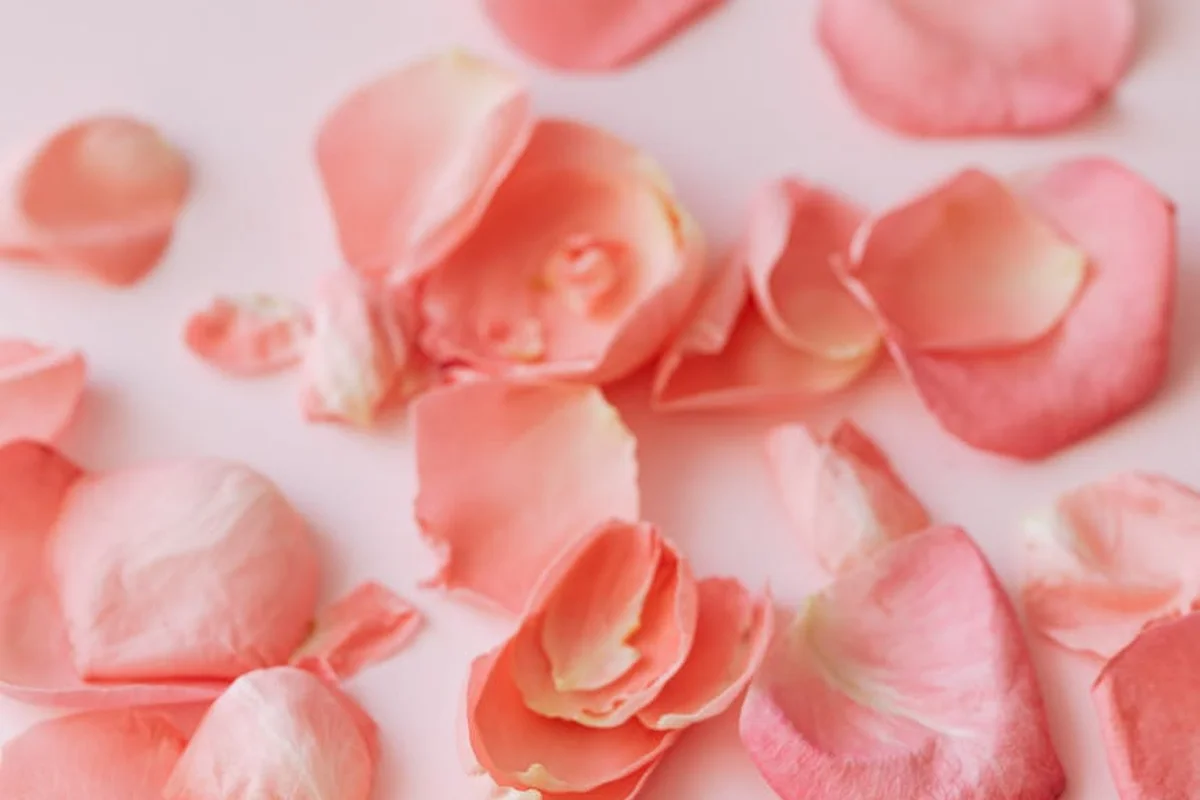
- Rose Petals: A favorite in my house! They are rich in Vitamin C and can be a hydrating treat. Just make sure to remove the bitter white base of the petal and any thorns, of course.
- Hibiscus: These vibrant flowers are a powerhouse of Vitamin C and antioxidants. My dragons go crazy for the bright red ones. You can offer the whole flower.
- Dandelion Flowers: An easy-to-find weed for you, a delicious delicacy for them. They are a great source of Vitamin A and calcium. Offer the entire yellow head.
- Nasturtium: Both the leaves and flowers are edible and have a slight peppery taste. They contain vitamin C and can act as a natural antimicrobial. A wonderful, easy-to-grow option.
- Calendula: Often called “pot marigold,” these orange and yellow petals are known for their anti-inflammatory properties. They make a lovely, gentle addition to a salad.
- Violet Petals: These delicate flowers are safe and contain Vitamin C and A. They are a soft, easy-to-eat option, especially for younger dragons.
- Chamomile Flowers: The same flowers used for your tea can be a soothing, occasional treat for your beardie. They are known for their calming properties.
- Pansy Petals: With their mild, fresh flavor and beautiful colors, pansies are perfectly safe. They add a great visual pop to mealtime and are fun for your dragon to investigate.
Always wash any flower thoroughly with water right before serving, even if you grew it yourself. Start with a very small piece to see how your dragon’s system handles it, just like you would with any new food. This variety makes their diet so much more interesting and nutritious. If you’re wondering how often to feed your bearded dragon, a complete daily feeding guide can help you determine the right balance of staples, greens, and occasional treats. It explains whether daily feeding is appropriate for your dragon and how to adjust portions as it grows.
Flowers That Are Toxic and Must Be Avoided
When you’re looking to add a pop of color to your dragon’s salad, you must be absolutely certain about what you’re picking. Many common garden and florist flowers contain compounds that are highly toxic to reptiles and can cause serious illness or worse. I am very strict about this with my own pets, and I urge you to be, too.
- Hydrangea: Every part of this plant is dangerous. It contains cyanogenic glycosides, which can release cyanide when ingested. This can lead to severe digestive upset, lethargy, and breathing difficulties.
- Foxglove: This beautiful flower is deceptively deadly. It contains digitalis, a powerful compound that affects the heart. Ingestion can cause cardiac arrhythmia, vomiting, and even death.
- Azalea and Rhododendron: Even a few leaves or petals can be a problem. They contain grayanotoxins which disrupt sodium channels, leading to drooling, weakness, seizures, and a dangerously slow heart rate.
- Buttercups: These cheerful yellow flowers contain protoanemonin, a substance that can cause blistering in the mouth, intense salivation, and bloody diarrhea.
- Lily of the Valley: Similar to foxglove, this plant has cardiac glycosides. It causes vomiting, a drop in heart rate, and potential cardiac arrest.
- Daffodils and Narcissus: The bulbs are the most toxic part, but the flowers and leaves also contain lycorine, which induces violent vomiting, diarrhea, and abdominal pain.
My rule of thumb is simple: if I didn’t grow it myself from a known-safe source or I’m not 100% positive of its identity, it doesn’t go near my dragons. When in doubt, always leave it out of their enclosure. In a bearded dragon substrate guide, I highlight safe options like reptile carpet, ceramic tile, or paper towels and caution against loose sands. Always follow best practices—avoid unsafe materials, choose easy-to-clean substrates, and monitor ingestion risks.
How to Safely Prepare and Feed Flowers
Finding a safe flower is only half the battle. How you prepare it is just as important for your bearded dragon’s health. I have a specific routine I follow for my own crew to make sure their floral treats are both safe and enjoyable. Specifically, clover safety for bearded dragons can be ensured when prepared correctly. This safety guide covers how to wash, trim, and portion clover to keep your dragon healthy and free from pesticides.
Washing and Preparation
You must always assume that store-bought or garden flowers have been treated with pesticides or herbicides, even if they are labeled “organic.”
- Source Carefully: The absolute best flowers come from your own pesticide-free garden. Otherwise, seek out reputable sources that specifically grow flowers for human or animal consumption.
- Rinse Thoroughly: Hold the flower under cool, running water. Gently rub the petals and other parts to dislodge any dirt, tiny bugs, or chemical residues.
- Soak (Optional but Recommended): For an extra level of cleanliness, I like to do a quick soak. Submerge the flowers for 5-10 minutes in a mixture of cold water and a small splash of white vinegar or a commercial produce wash.
- Dry Completely: Pat the flowers gently with a paper towel or let them air dry on a clean surface. A damp flower can get soggy and unappetizing in the salad bowl.
Portion Size and Frequency
Flowers are a treat, not a staple. Think of them as the occasional dessert, not the main course. Overfeeding can lead to an unbalanced diet or digestive issues.
- For an adult bearded dragon, a few petals or one small flower 1-2 times per week is a perfect amount.
- For juveniles, keep it to a tiny taste once a week or less, as their primary focus needs to be on growth-promoting proteins and greens.
- Always remove any uneaten flowers from the enclosure within a few hours to prevent spoilage.
Mixing with Greens for a Varied Diet
The best way to offer flowers is by incorporating them into a well-balanced salad. This prevents your dragon from filling up on just one thing and ensures they get a range of nutrients.
- Start with a base of staple greens like collard greens, dandelion greens, or mustard greens.
- Add a few other safe veggies for texture and variety, such as finely chopped bell pepper or shredded squash.
- Finally, sprinkle a few rose petals or hibiscus flowers on top as the “icing on the cake.” This makes the entire salad more enticing and provides a fun, sensory experience for your pet.
I love watching my dragons hunt for the flower pieces amongst their greens. This method of mixing encourages them to eat their entire nutritious meal while enjoying a special treat.
Nutritional and Behavioral Benefits of Flower Treats
When I first offered my bearded dragon, Puff, a hibiscus flower, his focused curiosity was a joy to watch. Flowers are more than just a colorful snack; they’re a functional part of a varied diet that supports physical health.
Many edible flowers, like dandelions and hibiscus, are surprisingly rich in calcium. This is a big deal for bearded dragons, who need a proper calcium-to-phosphorus ratio to prevent metabolic bone disease. Incorporating these calcium-boosting petals can be a natural aid in maintaining strong bones and joints. Knowing the right amount of calcium to provide is crucial.
The soft, fibrous material in flower petals also provides roughage. This gentle fiber helps keep your dragon’s digestive system moving smoothly, preventing uncomfortable impactions. Think of it as a natural digestive aid that’s far more exciting than plain greens.
Beyond the internal benefits, flowers are fantastic for your dragon’s mind. In the wild, they would spend hours foraging. Placing a few brightly colored flowers around their enclosure encourages this natural foraging behavior, turning mealtime into an engaging activity. I often hide them under a piece of cork bark to give Puff a fun challenge. Bearded dragon enrichment ideas like this can keep Puff mentally stimulated. Mix in hidden treats, scent trails, and climbing challenges to add variety to enrichment routines.
Just like we enjoy seasonal produce, your dragon can enjoy seasonal variety. Rotating through safe, seasonal flowers like pansies in the spring or marigolds in the summer prevents dietary boredom and ensures a wider spectrum of nutrients. This simple change keeps their meals interesting and nutritionally dynamic, especially when they’re less active and eating less during the winter.
Essential Sourcing and Safety Checks for Edible Flowers
Where you get your flowers is just as important as which flowers you choose. The absolute safest source is your own homegrown garden, where you have complete control over the environment. I grow a dedicated patch of organic hibiscus and nasturtiums just for my reptiles, and it gives me total peace of mind.
If you don’t have a garden, you must be very selective. Only purchase flowers from trusted suppliers that explicitly market them as “organic” and “safe for consumption.” Never, ever pick flowers from roadside ditches, public parks, or nursery centers, as these are almost always treated with pesticides and herbicides that are toxic to reptiles.
The rule against chemicals is non-negotiable. You must ensure every flower is unsprayed, as even small amounts of chemical residue can cause serious health issues for your pet. Their small bodies are incredibly sensitive to toxins we might consider harmless.
Before any flower goes into the terrarium, give it a thorough check. Always wash the flower gently under cool, running water to remove any dust, dirt, or tiny insects that might be hiding in the petals. I do this even with flowers from my own garden.
Your final safety step is a close visual inspection. Look over each petal for signs of mildew, rot, or damage from other pests, and only offer fresh, vibrant-looking flowers. If it doesn’t look fresh enough for you to eat, it’s not fresh enough for your dragon. This diligent process ensures their treat is both safe and enjoyable. This same care extends to selecting safe plants, woods, and substrates for your dragon. Following the bearded dragon guide helps keep your enclosure safe and toxin-free.
Frequently Asked Questions
What is a flower topper and how do I use it for my bearded dragon?
A flower topper is a small amount of safe, edible flowers sprinkled over your bearded dragon’s regular greens to add color, variety, and encourage natural foraging behaviors. Simply wash and place a few petals or whole flowers on top of their salad to make meals more enticing without overfeeding. If you’re considering basil leaves or edible flowers, consult a safety guide for bearded dragons to ensure they’re safe and introduced gradually. Always wash thoroughly, start with small amounts, and monitor your pet for any signs of digestive upset.
Can I create a homemade flower mix for my bearded dragon’s diet?
Yes, you can make a homemade flower mix by combining dried, pesticide-free safe flowers like rose petals, hibiscus, and nasturtiums for easy storage and occasional use. Always ensure the flowers are thoroughly cleaned and introduced gradually to monitor your dragon’s response and prevent digestive issues.
Are there flower-based treats or foods I can prepare for my bearded dragon?
You can incorporate edible flowers into simple treats by mixing finely chopped petals with hydrating foods like pureed fruits or vegetables, but always serve these sparingly as occasional supplements. Avoid using flowers as a primary food source to maintain a balanced diet focused on staple greens and proteins.
The Final Bloom
So, the floral menu for your bearded dragon can be both beautiful and nutritious. Stick to the safe, vibrant options like rose petals, hibiscus, and dandelions from chemical-free sources. Dandelions can provide greens, flowers, and even stems that bearded dragons can eat in moderation, making them a versatile addition to their diet. I always feel a little burst of joy watching my dragons curiously investigate a fresh flower—it’s a wonderful way to enrich their diet and their day. A quick guide explains how to include dandelions safely.
Remember, flowers are a treat, not a staple. This simple rule keeps the experience positive and prevents any potential digestive upset. Offering a variety of safe petals in moderation is a fantastic way to show your scaly friend some extra, colorful care.
Further Reading & Sources
- r/BeardedDragons on Reddit: What are some safe flowers for bearded dragons to eat? I have heard that bearded dragon can eat flowers and wanted to try it with mine.
- Top Bearded Dragon Safe Plants: What They Can and Can’t Eat
- Looking for list of edible plants that can be foraged and or grown for Food or to add to there food | Bearded Dragon Forum
Bearded Dragon Lair is the ultimate resource for bearded dragon enthusiasts, offering expert advice and practical tips to ensure the health and happiness of your scaly companion. With years of experience in reptile care, we are dedicated to providing accurate, up-to-date information to support your bearded dragon journey.
Feeding Guidelines