Can Bearded Dragons Eat Basil? (Leaves, Flowers & Safety Guide)
Published on: January 4, 2026 | Last Updated: January 4, 2026
Written By: Beardie Joe
You’re probably eyeing that fresh basil in your kitchen and wondering if it’s a safe, tasty treat for your scaly friend.
I’ve cared for multiple bearded dragons for years and will give you the straightforward, expert advice you need for their well-being.
We’ll cover the safety of basil leaves and flowers, how much to feed, and the crucial steps to keep your pet thriving.
Is Basil Safe for Your Bearded Dragon?
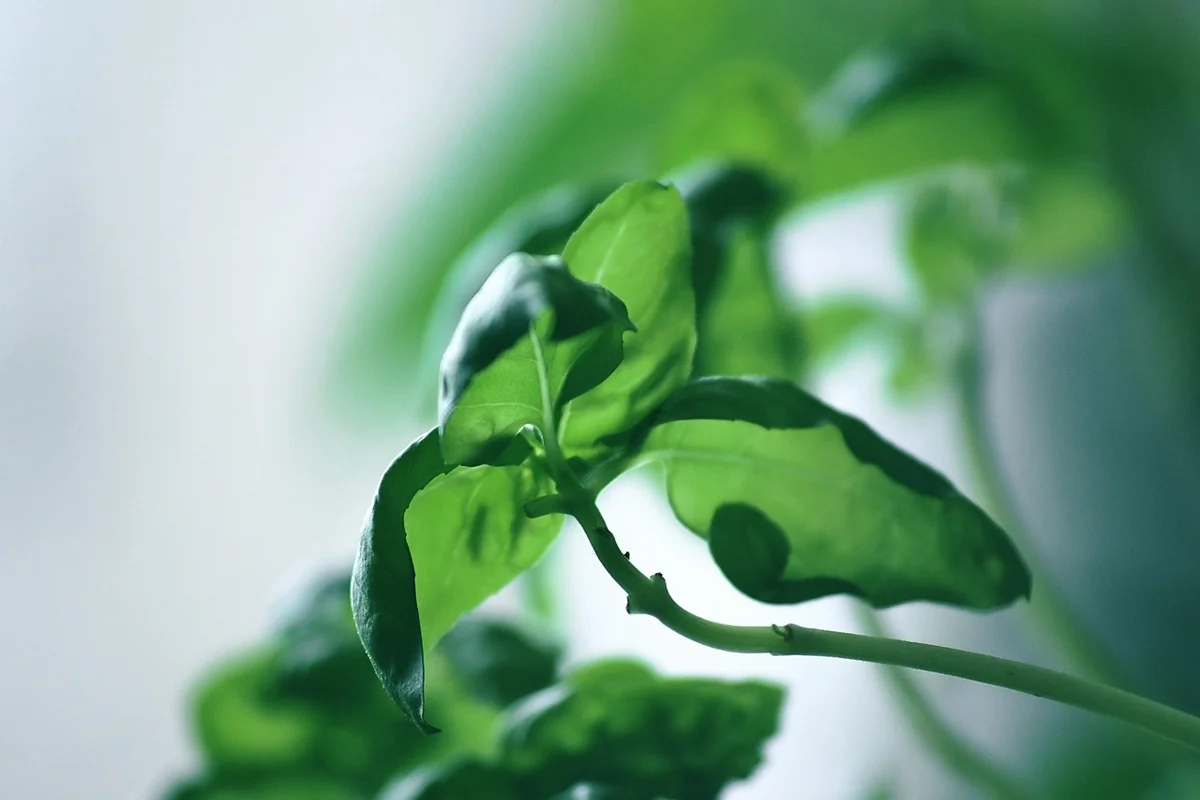
Yes, basil is generally safe for your bearded dragon to eat. I’ve fed it to my own dragons for years as a tasty, aromatic treat. The key to safety lies entirely in moderation and frequency. Basil should never become a daily staple in their salad bowl. In a complete bearded dragon eating guide, you’ll find which foods to avoid due to toxicity. Always stick to a varied, safe lineup and keep basil as an occasional treat rather than a daily option.
Like many leafy greens, basil contains compounds called oxalates. In large, consistent amounts, oxalates can bind to calcium and prevent your dragon from absorbing it properly. This is why we treat basil as an occasional “herb sprinkle” rather than a main course. A little bit is a wonderful, safe variety; too much can lead to nutritional problems over time.
Breaking Down Basil’s Nutrition for Reptiles
Let’s look at what’s actually inside those fragrant green leaves. Understanding the nutrition helps us make the best choices for our pets.
Here is a basic breakdown of the key nutrients in basil that matter for your bearded dragon:
| Nutrient | Benefit for Your Bearded Dragon |
|---|---|
| Vitamin K | Supports healthy blood clotting and bone metabolism. |
| Vitamin A | Crucial for good vision, skin health, and a strong immune system. |
| Manganese | Aids in bone development and supports metabolic functions. |
| Antioxidants | Helps combat cellular damage and supports overall health. |
| Calcium | Absolutely vital for preventing Metabolic Bone Disease (MBD). |
While that calcium content is great, we have to consider it alongside the phosphorus level. For a complete safe/unsafe greens list for bearded dragons, you can reference a trusted guide. The ideal calcium-to-phosphorus ratio for a bearded dragon is 2:1 or higher. Basil has a decent ratio, but it’s not perfect, which is another reason we use it as a supplement and not a primary green.
From my experience, my dragons always get excited by the smell of fresh basil. It’s a powerful sensory enrichment that makes their meal more interesting. Just remember, we’re using its nutrition to complement a balanced diet, not replace its core components.
Potential Risks of Feeding Basil
Understanding Oxalates and Gut Health
While basil is not toxic, it contains compounds that require moderation. The primary concern for reptile keepers like us is the presence of oxalates, or oxalic acid. These are natural compounds found in many plants.
In a dragon’s digestive system, oxalates have a strong tendency to bind with calcium. This process creates calcium oxalate, a compound your pet cannot absorb. I’ve seen the effects of this firsthand; a dragon fed too many high-oxalate greens, like spinach, can develop a calcium deficiency, even with proper dusting. This can lead to metabolic bone disease (MBD), a serious and painful condition.
Beyond calcium binding, overfeeding basil can cause other digestive troubles. Its strong essential oils and flavor can be a bit overwhelming for their system in large amounts.
- Calcium Binding: Oxalates lock away dietary calcium, making it unavailable for your dragon’s bone health.
- Digestive Upset: Too much can lead to loose stools or a general upset stomach.
- Appetite Issues: The potent taste might cause a picky dragon to refuse their more nutritious staple greens.
Your Practical Basil Feeding Guide
Determining the Right Portion Size
Getting the portion right is the key to safely offering this herb. I always treat basil as a flavor enhancer, not a food group. Think of basil as a garnish, not a green, to keep your dragon’s diet on track.
For an adult bearded dragon, a single large basil leaf or two to three smaller leaves, finely chopped, is a perfect serving. I mix this tiny amount thoroughly into their regular salad of collard, mustard, or dandelion greens along with some spring mix. This method gives them the novel taste without letting it dominate the meal.
For baby and juvenile dragons, whose bodies are prioritizing rapid growth and bone development, I am even more conservative. A tiny piece of a leaf, about the size of their nail, once in a great while is more than enough. Their primary focus should be on calcium-rich staples.
Here is a simple frequency guide I follow with my own dragons:
| Dragon Life Stage | Recommended Serving | Frequency |
|---|---|---|
| Baby/Juvenile | A tiny piece of one leaf | Once a month at most |
| Adult | 1-2 leaves, chopped | A few times a month |
Can Bearded Dragons Eat Different Basil Varieties?

You might be staring at the herb section of the grocery store, wondering if all those little pots of basil are created equal for your dragon. I’ve been there, and the answer is mostly yes, but with a few notes from my own experience.
The common types you’ll encounter are generally safe, but their intensity can vary.
Sweet Basil (The Common One)
This is the classic basil you find in most stores and use in your own cooking. Sweet basil is perfectly safe for your bearded dragon and is the variety I use most often for my own crew. Its flavor is mild and it’s widely available, making it a convenient choice. Beyond basil, bearded dragon owners often wonder about celery. This celery guide for bearded dragons covers which parts are safe (leaves vs stalks), how to prep them, and safety notes.
Thai Basil
Thai basil has a stronger, more anise-like flavor and purple stems. While Thai basil is not toxic, its potent flavor profile might be a bit too intense for some picky dragons. I offered it to my bearded dragon, Smaug, once and he gave it a suspicious side-eye before ignoring it completely. It’s safe to try, but don’t be surprised if they turn their nose up at it.
Holy Basil (Tulsi)
This variety is often used in herbal medicine and has a very distinct, spicy, and clove-like scent. I recommend avoiding Holy Basil for your bearded dragon. Its chemical composition is different and more potent than culinary basils, and it’s simply not worth the potential risk when safer options abound. For the best bearded dragon diet, focus on safe staples like leafy greens and squash, with occasional treats such as insects. This approach keeps nutrition balanced and avoids risky herbs.
Lemon or Lime Basil
These are cultivars of sweet basil that have been bred for a citrusy twist. Lemon and lime basil are safe for an occasional treat, just like the common sweet basil. My advice is to use them sparingly to add a little variety to their diet without introducing too many new variables at once.
Beyond Basil: Other Safe Herbs & Greens
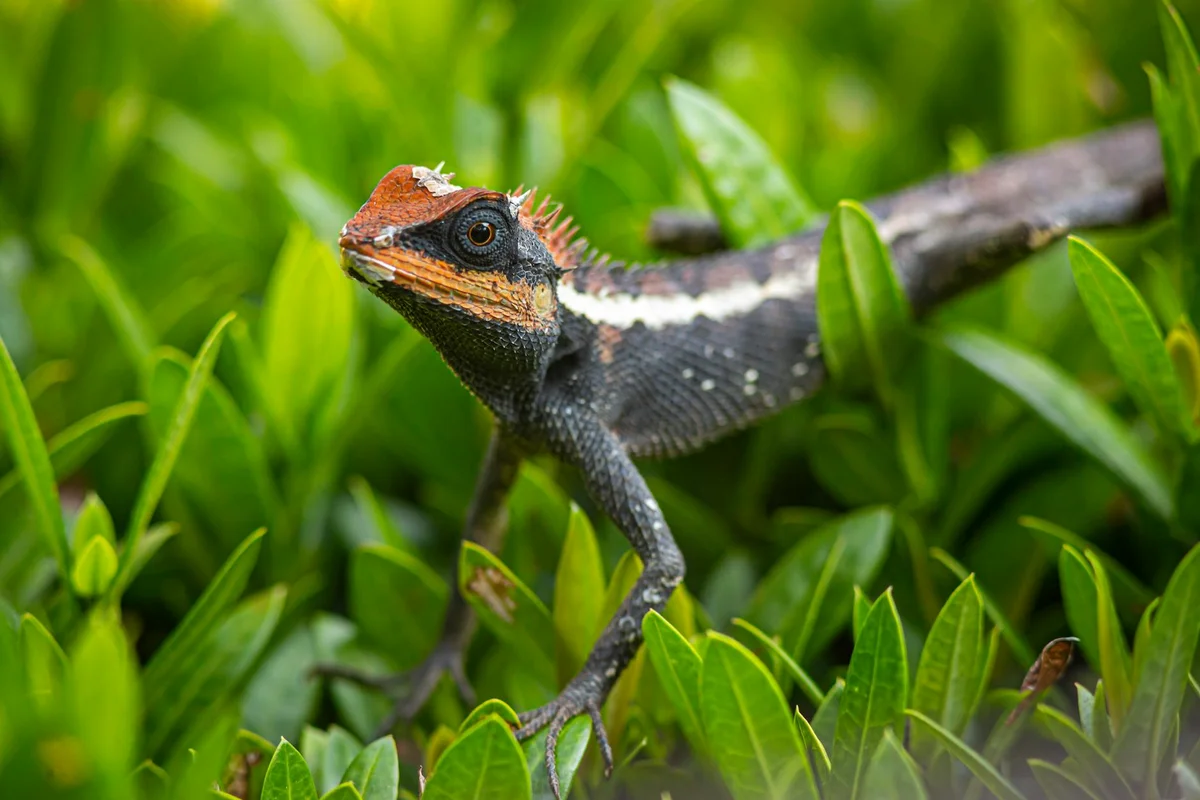
While basil is a fun treat, a bearded dragon’s diet needs to be built on a foundation of reliable, nutrient-rich staples. Variety is the spice of life, and it’s crucial for their health, too. A complete feeding guide for bearded dragons helps translate what they eat in the wild into safe, balanced meals for pets. It shows how to combine staples with greens and insects to mimic a natural diet without overdoing any one component.
I always think of their salad bowl in terms of staples, regular additions, and occasional treats. This system has never failed me.
Excellent Staple Greens (Feed Daily)
These are the backbone of your dragon’s veggie intake. They are low in goitrogens and oxalates, which can interfere with nutrient absorption in large amounts.
- Collard Greens
- Mustard Greens
- Dandelion Greens (just ensure they are pesticide-free!)
- Endive / Escarole
- Turnip Greens
Safe Herbs & Occasional Add-Ins
These can be mixed in with their staples a few times a week to keep things interesting and add different nutrients.
- Mint: A safe and fragrant herb. My dragons love the smell, but it should be given in small amounts due to its strong essential oils.
- Cilantro (Coriander): Another great, safe herb that is low in oxalates. It’s a good source of antioxidants.
- Parsley (Flat-Leaf or Curly): This one is a bit of a debate. It’s very high in oxalates and Vitamin A. I only offer a tiny, tiny sprinkle of parsley once in a blue moon as a flavor booster, not a real food item.
- Clover: The leaves and flowers are safe and a nice forage-style treat if you can find a chemical-free source.
Herbs & Greens to Actively Avoid
Animal welfare means knowing what not to feed just as much as knowing what to feed. Some common kitchen herbs are dangerous for reptiles.
- Chives, Leeks, Onions, Garlic: All members of the allium family are toxic and can cause severe digestive and blood cell issues.
- Oregano, Thyme, Sage, Rosemary: These common cooking herbs are far too pungent and potent for a bearded dragon’s sensitive system. Their high concentrations of essential oils can cause digestive upset.
- Spinach and Beet Greens: These are notoriously high in oxalates, which bind to calcium and can prevent your dragon from absorbing it, leading to metabolic bone disease.
- Iceberg Lettuce: It’s basically crunchy water with zero nutritional value and can cause runny stools.
Frequently Asked Questions
Can Bearded Dragons Eat Basil Flowers?
Yes, basil flowers are safe for bearded dragons to eat in moderation, just like the leaves. Ensure they are thoroughly washed and offered as an occasional treat to avoid overconsumption of oxalates. This is part of a complete guide on safe foods for bearded dragons. Basil is listed as an occasional safe herb in that guide.
How Should I Prepare Basil for My Bearded Dragon?
Always wash basil leaves and flowers under running water to remove pesticides or dirt, then chop them finely to prevent choking. Mix a small amount into their regular salad for a varied and safe meal.
Is Thai Basil Safe for Bearded Dragons?
Yes, Thai basil is safe for bearded dragons, but its strong, anise-like flavor may not appeal to all dragons. Offer it sparingly as an occasional treat, similar to sweet basil, to avoid digestive issues. It’s also part of the broader, ultimate safe food list that includes safe fruits, vegetables, and select herbs for bearded dragons. Use it only as a small addition to ensure a balanced diet.
Final Thoughts
So, can bearded dragons eat basil? Yes, this fragrant herb is a safe and nutritious occasional treat for your scaled friend. In my experience, my own dragons get visibly excited by the fresh scent. Just remember its role as a supplement, not a staple food. A few leaves once a week adds wonderful variety without overdoing it, similar to parsley or other herbs.
Always wash the basil thoroughly to remove any pesticides. Offer the tender leaves and even the pretty flowers, but skip the tough stems. This simple approach lets you safely share a bit of your kitchen herb garden, enriching your dragon’s diet and your bond with them.
Further Reading & Sources
- Can Bearded Dragons Eat Basil? – Dragon’s Diet
- r/BeardedDragons on Reddit: Finally found greens that Fang likes! Basil 💚
- What Herbs Can Bearded Dragons Eat? – Dragon’s Diet
Bearded Dragon Lair is the ultimate resource for bearded dragon enthusiasts, offering expert advice and practical tips to ensure the health and happiness of your scaly companion. With years of experience in reptile care, we are dedicated to providing accurate, up-to-date information to support your bearded dragon journey.
Feeding Guidelines