Where Do Bearded Dragons Live in the Wild? (And Are They Native to the US?)
Published on: August 22, 2026 | Last Updated: August 22, 2026
Written By: Beardie Joe
If you’ve ever gazed at your pet bearded dragon and pictured it in its natural home, you’re asking the right question.
I care for several bearded dragons myself and have studied their wild behaviors, so I can guide you through the facts with real-life experience.
We’ll explore the specific regions they inhabit across Australia and give a clear answer on whether you can find them in the United States.
The Natural Habitats of Wild Bearded Dragons
When I picture my own dragons napping under their heat lamps, I’m seeing a direct reflection of their life in the wild. These incredible reptiles are true Australians, native exclusively to that continent’s sun-baked heart. They thrive in arid and semi-arid environments, from sprawling deserts and dry scrublands to open, rocky woodlands.
Imagine the feeling of coarse, red sand underfoot and the dry, eucalyptus-scented air. The landscape is dotted with hardy spinifex grass and gnarled acacia trees. This is their home. You’ll often find them perched on fallen logs, nestled amongst sun-warmed rock piles, or even low on tree branches. These rocky outcrops and elevated perches are vital, acting as prime basking spots to soak up the morning sun. As ectotherms, they rely completely on this external heat to get their bodies going for the day.
Their habitats share a few key features that are crucial for their survival:
- **Sandy and rocky terrain** that holds heat and allows for easy digging.
- **Sparse vegetation** that offers some shade and hiding spots from predators like birds of prey.
- **Extreme temperature swings** from very hot days to surprisingly cool nights.
- **Low rainfall** and an overall dry climate, meaning they are built to conserve water.
Bearded Dragon Species and Their Native Distributions
Not all bearded dragons live in the exact same pocket of the outback. Australia is a massive continent with diverse landscapes, and different species have carved out their own unique territories. Understanding where each species comes from helps explain their specific behaviors and even the slight physical differences you might see. Bearded dragons are native to Australia, and uncovering their Australian origins and evolution helps explain why populations differ across regions. That evolutionary backdrop also clarifies how their behaviors adapt to different habitats. From my experience, knowing their origins makes you a much more attentive and empathetic owner.
Here’s a quick guide to the main species and where you’d find them:
- Pogona vitticeps (Central or Inland Bearded Dragon): This is the most common species in the pet trade, and for good reason-they are wonderfully adaptable. Their range covers the arid interior of Australia. Think the red deserts of the Northern Territory, the dry woodlands of South Australia, and parts of Queensland and New South Wales.
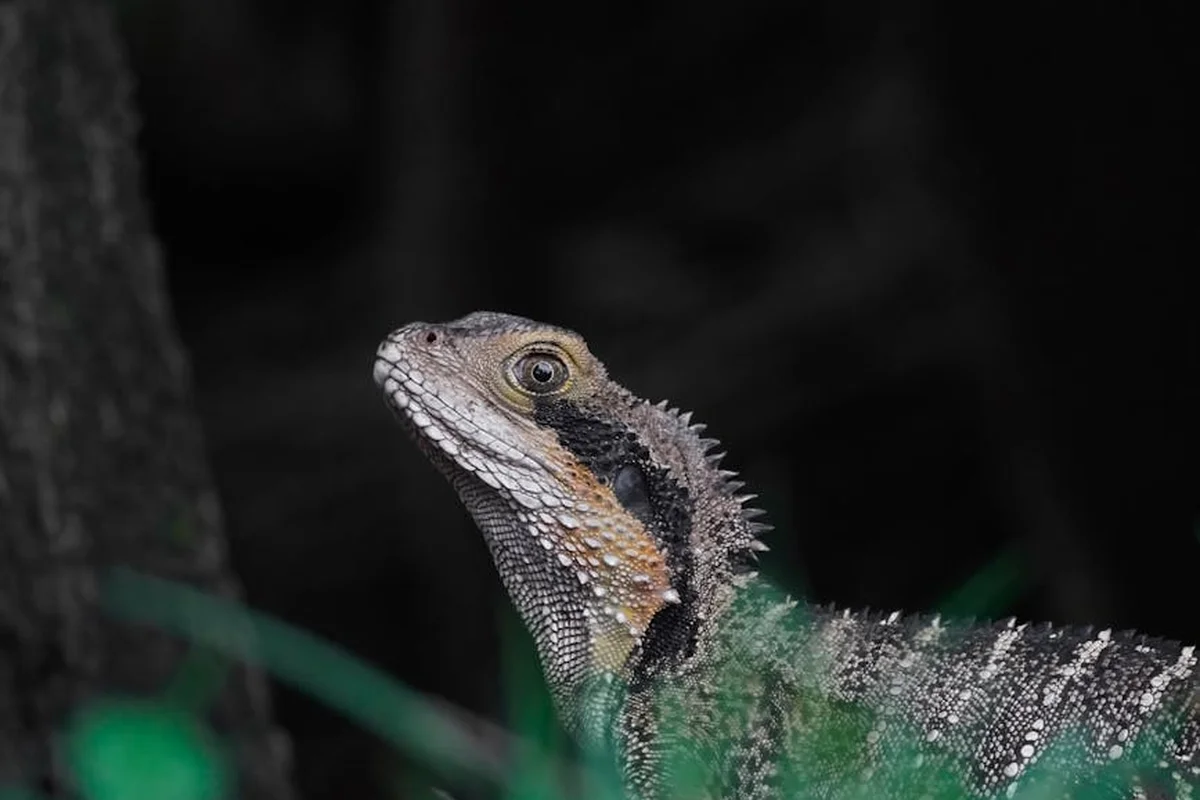
- Pogona barbata (Eastern Bearded Dragon): As the name suggests, this larger, darker species inhabits the eastern parts of the continent. You’ll find them in a wider variety of habitats, from dry woodlands to coastal heathlands, all the way down into Victoria.
- Pogona minor (Dwarf Bearded Dragon): This smaller species calls Western Australia home. They prefer the arid and semi-arid shrublands and are masters of hiding amongst the dense, low vegetation.
- Pogona nullarbor (Nullarbor Bearded Dragon): This one has a very restricted range on the Nullarbor Plain. Their habitat is characterized by flat, limestone bedrock with low saltbush scrub, which is quite different from the sandy homes of their relatives.
This distribution across Australia’s harsh interior shows just how resilient and specialized these lizards are. They have evolved to not just survive, but to truly flourish in some of the most challenging environments on the planet.
Are Bearded Dragons Native to the United States?
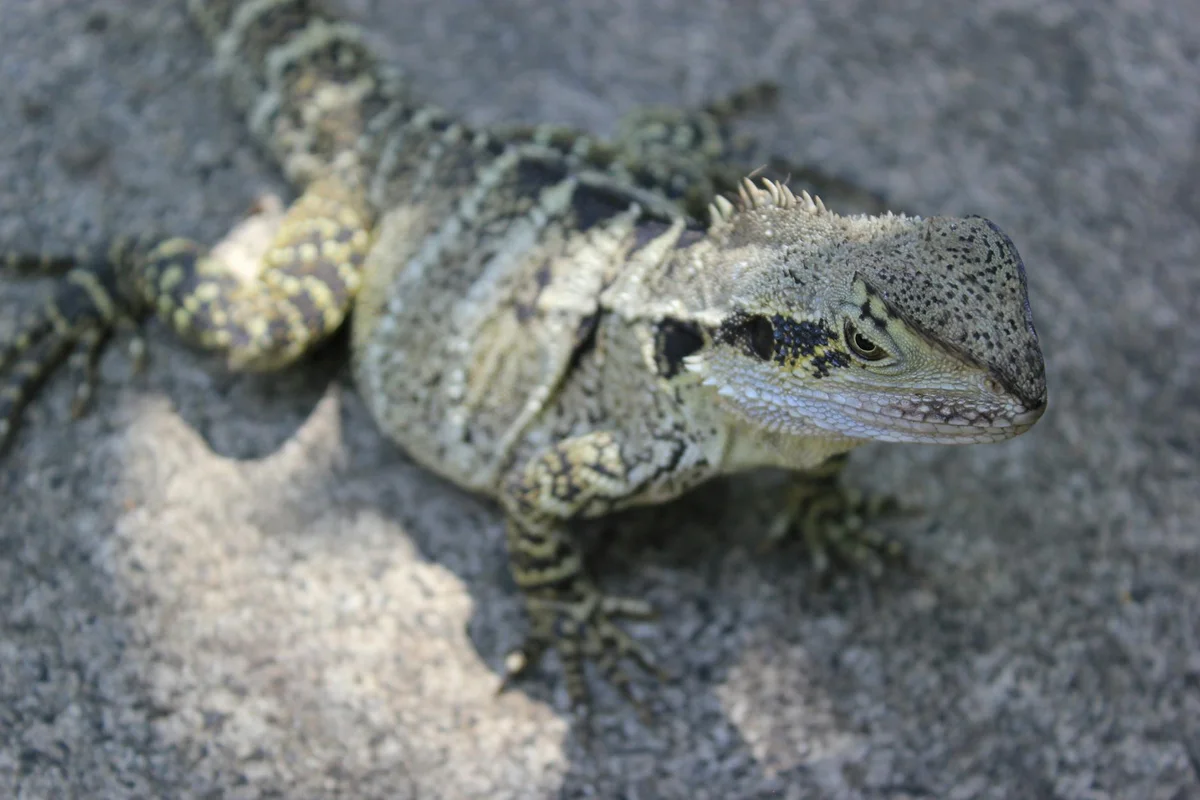
Let’s get this out of the way right now: bearded dragons are absolutely not native to the United States. I’ve heard this myth pop up in pet stores and online forums, usually from folks who see our Arizona or Nevada deserts and think, “Hey, that looks just like a beardie’s home!” While the landscapes can look similar, the wildlife is completely different. So, are bearded dragons exotic pets, and what does ownership entail? Here’s a complete guide to ownership and what you should know before getting one.
The confusion likely comes from the pet trade. Bearded dragons are one of the most popular reptile pets in the US, so it’s easy to assume they’re local. The truth is, every bearded dragon in the American pet trade can trace its lineage back to Australia, where export of native wildlife is strictly prohibited. All our pets are descendants of dragons that were legally exported before the ban or bred in captivity right here. If you’re wondering about the legality surrounding their ownership, it’s essential to familiarize yourself with state and international regulations.
You will not find wild colonies of bearded dragons roaming our national parks. On very rare occasions, a lost or released pet might be found, but these are isolated incidents. They cannot establish breeding populations in places like Florida or California because our ecosystems, while sometimes superficially similar, are not their true home. Their entire evolutionary history is tied to the unique Australian outback. Sometimes a lost bearded dragon wanders into yards or homes. If you find one inside or outside your house, contact local animal control or a wildlife rehabilitator for safe handling.
| Native Regions (Australia) | Non-Native Regions (Examples) |
|---|---|
| Eastern & Central Australia’s arid woodlands | United States (all states) |
| Deserts & scrublands | Europe |
| Dry, rocky environments | Canada |
How Wild Habitats Inform Bearded Dragon Pet Care
Understanding where they come from is the single most important thing you can do for your pet’s health. I’ve set up countless enclosures, and the ones that truly thrive are those that mirror the Australian outback as closely as possible. Your goal isn’t just to keep a reptile alive in a box; it’s to recreate a slice of its homeland.
Replicating the Native Range in Your Home
Think about their wild day: bask on a sun-drenched rock, scamper across hard-packed earth, climb a low tree to survey for food, and retreat to a cool, dark crevice. We can build that.
- Basking is Non-Negotiable: In the wild, they spend hours soaking up intense sun. You need a high-quality basking lamp that creates a precise “sun spot” between 95-110°F. The rest of the tank should have a cooler gradient down to about 80°F.
- UVB Lighting is Their Life Force: The Australian sun is brutal and provides immense UVB, which they need to process calcium. Without a proper, full-spectrum UVB tube light, your dragon will develop metabolic bone disease, a painful and preventable condition.
- Humidity Must Be Just Right: Their native land is dry. I aim for a humidity level between 30-40%. Too much moisture leads to nasty respiratory infections. A good digital hygrometer is your best friend here.
Enclosure Setup Based on Natural Instincts
Look at pictures of the Australian outback-it’s not a flat, featureless desert. It’s full of texture and opportunities for engagement.
- Climbing Structures: Provide sturdy branches, logs, and rock piles. My dragons love climbing up to a high perch to survey their domain, just like they would a tree or rocky outcrop in the wild.
- Secure Hiding Spots: Every dragon needs a place to feel completely safe. Use half-log hides or stack flat rocks to create a cool, dark cave. This reduces stress immensely.
- The Right Flooring: Avoid loose substrates like sand for beginners. I use a solid substrate like slate tile or reptile carpet, which mimics hard-packed earth and is easy to clean.
Diet and Enrichment from the Wild
In Australia, they are opportunistic omnivores, meaning they eat whatever they can find. This variety is key to their health in captivity.
- Live Insect Prey: This triggers their hunting instinct. I offer a mix of dubia roaches, crickets, and black soldier fly larvae. Gut-loading your insects with nutritious veggies before feeding is like giving your dragon a multivitamin.
- Fresh Leafy Greens & Veggies: Their diet should be about 80% veggies as adults. Offer collard greens, dandelion greens, and butternut squash. I always say, feed the bugs well, and they’ll feed your dragon well.
- Encourage Natural Behaviors: Let them chase their crickets. Place food in different areas of the enclosure to make them “forage.” This little bit of mental work keeps them sharp and active, just like in the wild.
Legal and Ethical Considerations for Bearded Dragon Owners
When I first got into beardies, I was so excited I didn’t think much about where they came from. Now, after years of caring for them, I know that being a responsible owner starts long before you bring your pet home. If you’re wondering what you need to know about owning a bearded dragon before getting one, a first-time owner’s guide can help you get started. This preparation sets you up for success. Understanding the legal and ethical landscape is a non-negotiable part of reptile guardianship.
Key Legal Points to Know
- In the United States, bearded dragons are not protected by federal law, making them legal to own in most states without a permit.
- Some counties or cities may have specific ordinances restricting reptile ownership, so always check your local laws.
- The Lacey Act is a crucial federal law that prohibits the import, export, and interstate transport of wildlife taken or possessed illegally. This is the primary law preventing the illegal pet trade from impacting other countries.
- It is illegal to import wild-caught Australian reptiles, including bearded dragons, into the US due to Australia’s strict export laws.
Your Ethical Responsibilities
Legality is one thing; ethics is another. My personal rule is simple: I only support breeders who prioritize the health and well-being of their animals.
- Always choose captive-bred bearded dragons over wild-caught. Wild-caught individuals are often stressed, carry a heavy parasite load, and struggle to adapt to captivity.
- Support reputable breeders who practice ethical breeding. You can usually tell by their transparency about lineage, housing conditions, and animal health.
- Be a responsible owner for the entire life of the animal. Bearded dragons can live over 10 years, so this is a long-term commitment to their welfare.
- Never release a pet bearded dragon into the wild. This is both cruel to the animal and potentially ecologically damaging, as they are an invasive species outside Australia.
Conservation Status of Wild Bearded Dragon Populations
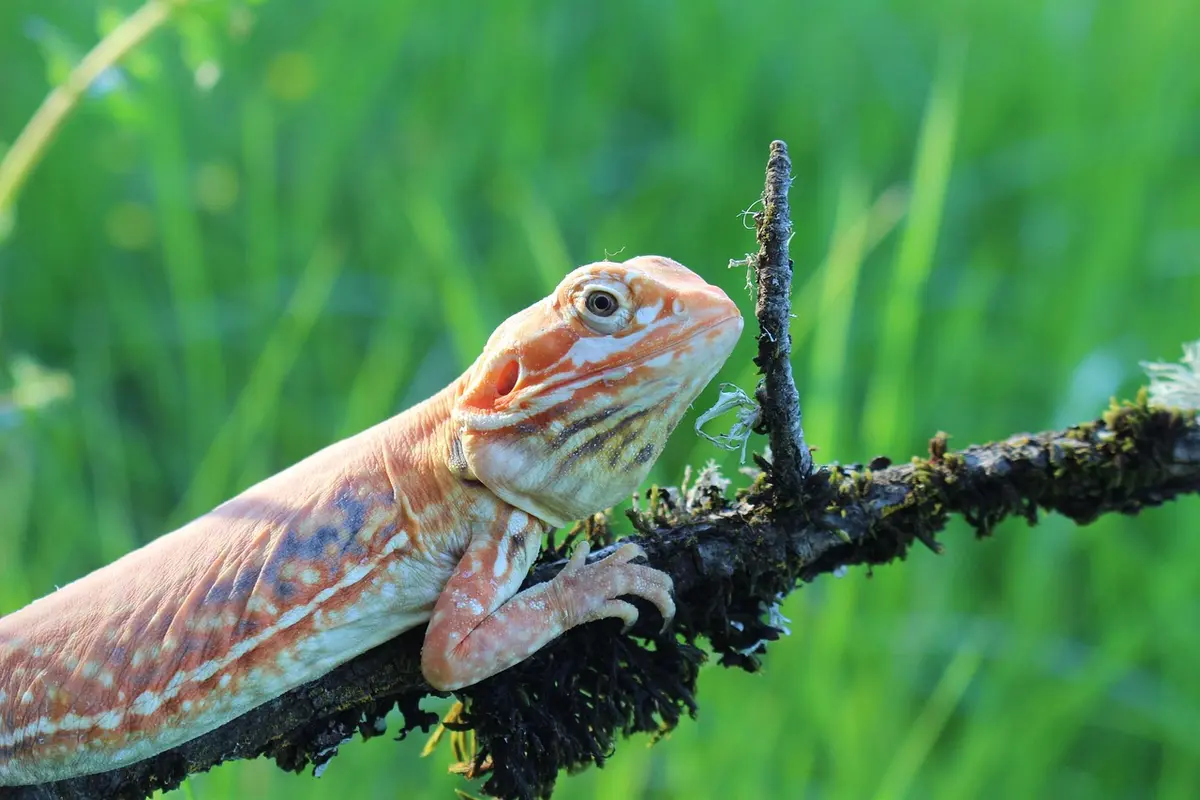
Looking at my own beardies basking under their lamps, it’s easy to forget they have wild cousins facing real challenges. Fortunately, their wild situation is currently stable, but it’s not without pressure.
The most common pet species, the Central Bearded Dragon (Pogona vitticeps), is listed as Least Concern by the IUCN. This means their population in the Australian wild is currently healthy and widespread. However, other species, like the Dwarf Bearded Dragon, have more vulnerable habitats. The primary threat to all wild populations is habitat loss and fragmentation due to human development and agriculture. While the pet trade has a minimal direct impact thanks to Australia’s export bans, the illegal collection of wildlife is always a concern. For anyone considering a bearded dragon as a pet, its candid look and engaging demeanor are appealing. Weighing the pros and cons of ownership helps determine if it’s the right fit for your home.
How You Can Support Wild Reptiles
Even from thousands of miles away, your choices as a pet owner can make a positive difference for conservation.
- Donate to or volunteer with organizations dedicated to Australian wildlife and habitat conservation, like the Australian Wildlife Conservancy.
- Choose to buy your pet supplies from companies that donate a portion of profits to conservation efforts.
- Educate others about the importance of buying captive-bred reptiles and the ecological role these animals play in their native environments.
- Be a vocal advocate for protecting wild habitats. Healthy ecosystems in Australia mean secure futures for the wild relatives of our beloved pets.
- Share your knowledge and passion responsibly on social media, always emphasizing animal welfare and conservation over novelty or impulse buying.
Frequently Asked Questions
Do bearded dragons brumate in the wild?
Yes, bearded dragons enter a state of brumation during cooler months in Australia, slowing their metabolism to conserve energy when temperatures drop and food becomes scarce. This natural behavior helps them survive harsh seasonal changes in their arid habitats. Common seasonal timing questions include when bearded dragons brumate, how long it lasts, and how to manage it if kept as a pet.
What is the average lifespan of a wild bearded dragon?
In the wild, bearded dragons typically live 5 to 8 years due to predators, environmental challenges, and limited resources. In contrast, captive bearded dragons often reach 10 to 15 years with proper care and a controlled environment. Understanding their lifespan in captivity and the wild helps owners provide the best care.
How do bearded dragons defend themselves from predators?
Bearded dragons use tactics like puffing out their “beard” to appear larger, hissing, and gaping their mouth to deter threats. They may also darken their skin color and rely on quick bursts of speed to escape to rocky crevices or burrows. These displays are part of how they defend themselves against predators. Bearded dragons are also predators themselves, feeding on insects and other small prey in their habitat.
Final Thoughts
So, to answer the question directly: wild bearded dragons live exclusively in the arid, rocky woodlands and deserts of Australia. They are not native to the United States or anywhere else in the world. Every bearded dragon you see in a pet store originally traces its lineage back to that incredible continent. If you’re considering bringing one home, you can look for reputable pet stores—local reptile shops or online breeders—that specialize in captive-bred bearded dragons and provide health guarantees. Always verify sourcing and care standards before purchasing.
Knowing this changes how I see my own pets. I try to replicate that warm, dry, and complex environment in their enclosures because it’s in their DNA. Understanding their wild origins is the first step to giving them a truly wonderful life in our care.
Further Reading & Sources
- Pogona – Wikipedia
- Where Do Bearded Dragons Live in the Wild? – A-Z Animals
- Four Reasons Bearded Dragons Aren’t Pets
Bearded Dragon Lair is the ultimate resource for bearded dragon enthusiasts, offering expert advice and practical tips to ensure the health and happiness of your scaly companion. With years of experience in reptile care, we are dedicated to providing accurate, up-to-date information to support your bearded dragon journey.
Wild vs. Domesticated