Why Is My Bearded Dragon in His Water Bowl? (Laying, Sleeping, and Drinking Explained)
If you’ve spotted your bearded dragon lounging in his water bowl, you’re likely scratching your head. This is a common sight that can mean several different things.
I’ve cared for many bearded dragons over the years, and I’m here to share my personal insights to help you figure out what’s going on with your pet.
We’ll cover the key reasons-from normal drinking and cooling off to more serious health signals-so you can respond with confidence.
Common Reasons for Water Bowl Behavior
Hydration and Drinking Habits
You might see your bearded dragon sitting in his water bowl because he’s thirsty. While they get a lot of moisture from their greens, many will still drink standing water. I’ve noticed my own dragons often prefer to step into the bowl before taking a drink. This behavior can be perfectly normal, especially after a meal of dry insects or on a particularly warm day. Always ensure the water is fresh and changed daily to encourage this healthy habit.
Soaking and Bathing Instincts
Think of the water bowl as a mini spa. Bearded dragons will sometimes soak to help with shedding. The water softens the old skin, making it easier to rub off. One of my dragons, Puff, always heads for his bowl a day or two before a big shed starts. A soak in their bowl is a natural and instinctive way for them to manage the discomfort of shedding skin. It’s a good sign they are taking care of themselves. If you’re wondering how often to bathe your bearded dragon, a complete soaking guide can help you plan a safe, effective schedule. It covers how long to soak and other safety tips.
Reproductive Behaviors like Egg Laying
For female bearded dragons, the water bowl can become a nesting site. Even without a male present, females can produce infertile eggs. They might dig in the water or just sit there, looking restless. I remember frantically researching this the first time I saw it! This is a clear signal she needs a proper lay box filled with damp soil or sand to safely deposit her eggs (learn more about infertile vs. fertile eggs).
Resting or Sleeping in the Water
Finding your beardie asleep in his water dish can be alarming. This often points to a tank temperature issue. If the basking spot is too hot, they might seek the coolest place in the enclosure to rest. Consistently sleeping in the water bowl is a strong indicator that your temperature gradients need to be checked and adjusted. Double-check your thermometers to make sure the cool end is truly cool enough for comfortable rest.
Signs of Potential Health Issues
Dehydration Symptoms
A dragon sitting in his water bowl could be desperately trying to tell you he’s dehydrated. Look for these other signs:
- Wrinkled or loose skin that doesn’t snap back quickly when gently pinched.
- Sunken eyes that look dull.
- Thick, stringy saliva rather than thin drool.
- Loss of appetite and unusual lethargy.
If you suspect dehydration, hydrate your bearded dragon by offering fresh water and a shallow soak. If symptoms persist or worsen, consult a reptile-savvy veterinarian. Prolonged dehydration is dangerous and requires immediate attention to their water intake and potentially a vet visit.
Indicators of Stress or Discomfort
Stress can drive a bearded dragon to seek refuge in his water bowl. Watch for these accompanying behaviors:
- Dark beard, especially if it’s almost black.
- Frantic glass surfing or constant scratching at the tank walls.
- Hiding more than usual and avoiding the basking spot.
Noting these bearded dragon stress signs gives you a cue to take action and reduce their anxiety. By addressing the stressors and providing a secure hide, stable temperatures, and a predictable routine, you can calm your dragon and prevent chronic stress. Chronic stress weakens their immune system, so identifying and removing the stressor is vital for their long-term health. Common culprits are loud noises, other pets, or an incorrect tank setup.
Warning Signs of Impaction or Parasites
This is where water bowl behavior becomes a major red flag. A dragon with a gut impaction (a blockage) or a heavy parasite load may sit in water trying to find relief.
- No bowel movements for more than a few days.
- A swollen, hard abdomen that feels tense to the touch.
- Dragging their back legs or showing a lack of coordination.
- Lethargy and a total refusal of food.
If you suspect impaction or a severe parasitic infection, this is a veterinary emergency that cannot wait. These conditions can be fatal without proper treatment.
Health Conditions That Prompt Soaking
Dehydration and Its Causes
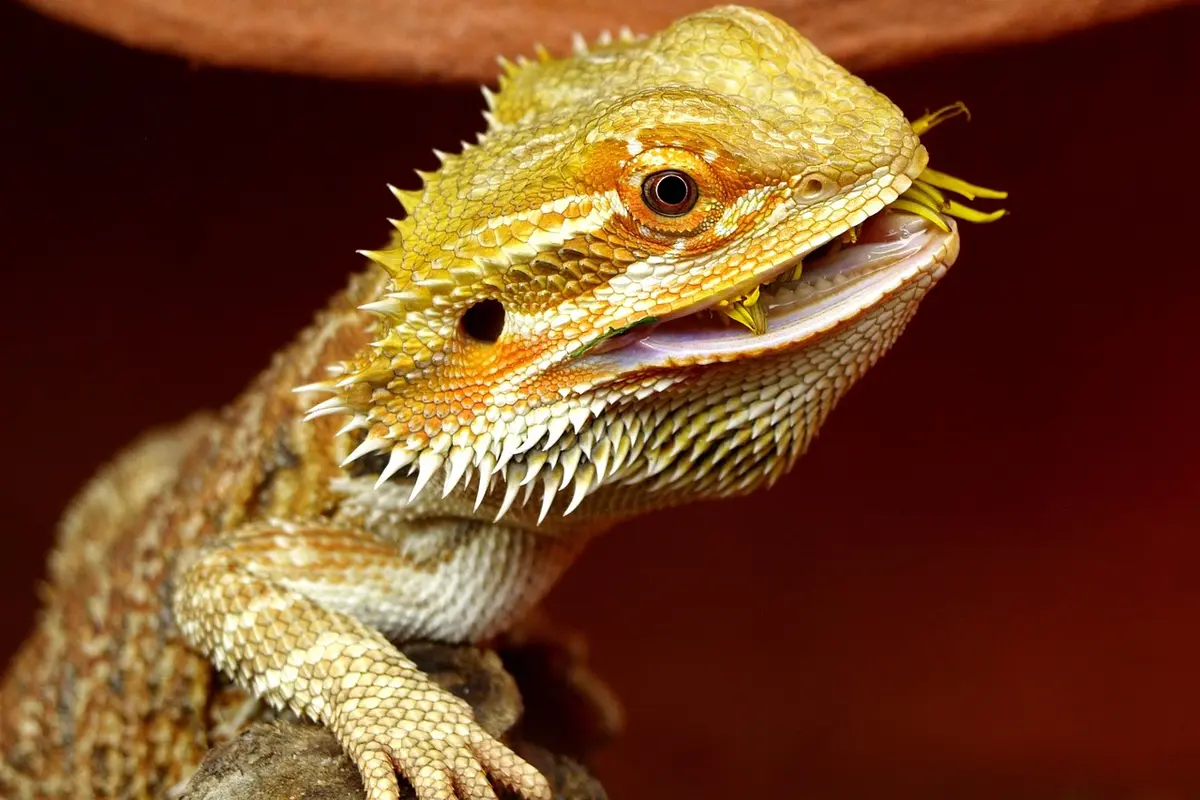
If your bearded dragon is spending a lot of time in the water bowl, dehydration is a common culprit. I’ve noticed this behavior in my own dragons when their environment was too dry. Dehydration can happen if the humidity in the enclosure is too low or if they aren’t drinking enough from their bowl. Watch for signs like sunken eyes, loose skin, or a lack of energy.
Common causes of dehydration include inadequate water access or a diet low in moisture-rich foods like leafy greens. In my experience, offering a shallow water dish and misting veggies can make a big difference in their hydration levels. Always ensure fresh water is available daily.
Impaction from Substrate or Diet
Impaction is a serious blockage in the digestive tract that can cause your dragon to seek relief in the water bowl. I’ve dealt with this when one of my dragons ingested loose substrate. Impaction often stems from improper substrates like sand or from feeding large, hard-to-digest insects. Symptoms include a swollen belly, lethargy, and no bowel movements.
To prevent this, avoid loose substrates and opt for tile or reptile carpet. If you suspect impaction, a warm bath can sometimes help, but a vet visit is crucial for severe cases. I always check my dragon’s poop for consistency-it’s a simple way to catch issues early.
Parasitic Infections
Parasites like pinworms or coccidia can make your bearded dragon feel awful, leading them to soak frequently. I’ve seen this in rescues I’ve cared for. Parasitic infections cause symptoms such as weight loss, diarrhea, and general weakness, which might drive them to the water for comfort. It’s a sign they’re trying to self-soothe. If you’re worried your bearded dragon is lethargic, that concern is valid because lethargy often signals a treatable issue. Alongside parasites, dehydration and improper husbandry (heat, UVB, and nutrition) are common causes to check.
Regular fecal tests from a vet are key to diagnosis and treatment. Maintaining a clean enclosure and quarantining new reptiles helps prevent the spread of parasites. I make it a habit to sanitize bowls and surfaces weekly to keep my dragons healthy.
Action Steps for Excessive Water Bowl Use
Assess Hydration and Health
Start by checking your bearded dragon’s hydration and overall health. Gently pinch the skin on their back—if it doesn’t snap back quickly, they might be dehydrated. This is part of the “dehydrated 7 critical signs” framework I use to spot dehydration early. This checklist helps you act quickly and seek care if needed. Look for other red flags like changes in appetite, behavior, or poop quality. I always keep a health journal for each of my dragons to track any patterns.
If you’re unsure, consult a reptile vet for a professional assessment. A quick vet visit can rule out underlying issues and give you peace of mind. I’ve learned that early intervention often prevents bigger problems down the road.
Adjust Enclosure Conditions
Temperature and Basking Setup
Improper temperatures can stress your dragon, leading to excessive soaking. Ensure the basking spot is between 95-110°F and the cool side stays around 80°F. Use a digital thermometer to monitor these zones accurately, as guesswork can harm your pet. I’ve found that a ceramic heat emitter or a proper basking bulb works best.
If the heat is too high or low, adjust the wattage or placement of lamps. Providing a gradient lets your dragon regulate their body temperature naturally, reducing the need to cool off in water. I check my setup weekly to make sure everything is running smoothly.
Humidity and Substrate Choices
Humidity levels should stay between 30-40% for bearded dragons. Too much humidity can cause respiratory issues, while too little leads to dehydration. Use a hygrometer to keep tabs on humidity, and adjust with a dehumidifier or misting as needed. In my enclosures, I avoid damp substrates that spike humidity. It’s important to maintain proper humidity levels for the health of your pet.
Choose substrates like slate tile or paper towel instead of loose materials. Safe substrates minimize impaction risks and help maintain ideal humidity, creating a healthier home for your dragon. I’ve switched all my tanks to tile because it’s easy to clean and safe for curious eaters.
Implement a Bathing Routine
Setting up a regular bathing schedule can address hydration needs without over-reliance on the water bowl. Aim for a shallow, lukewarm bath once or twice a week. Bathing helps with hydration, shedding, and can encourage bowel movements if they’re constipated. If you’re new to bathing bearded dragons, a quick step-by-step guide can help you do it safely. This also covers drying to keep them comfortable after a soak. I always supervise my dragons during bath time to ensure they’re safe and comfortable.
Keep baths short-about 10-15 minutes-and use a container they can’t slip in. This routine not only supports their health but also strengthens your bond through positive interaction. I’ve noticed my dragons become more relaxed and trusting with consistent, gentle handling.
Prevention and Optimal Care Practices
Seeing your bearded dragon constantly in their water bowl is a sign that something in their world is off. The good news is that with a few thoughtful adjustments, you can often resolve the underlying issues and get them back to their happy, basking selves. If you’re wondering, ‘do I make my bearded dragon happy?’ there are 10 clear signs of a content pet to watch for. These cues can help you validate your care and guide any tweaks you might need. I’ve had to tweak my own setups over the years, and it’s always rewarding to see the positive change in their behavior.
Enclosure Setup for Comfort
Your dragon’s tank is their entire universe, so getting the environment right is the single most impactful thing you can do. A proper setup prevents stress and eliminates the need for them to seek out the water bowl for relief.
- Master the Temperature Gradient: One side needs a warm basking spot (95-110°F for adults), while the cool side should sit around 80-85°F. Without this gradient, your dragon has no way to self-regulate their body temperature except by sitting in water. I use two digital thermometers, one on each end, to keep a constant check.
- Choose the Right Substrate: Loose substrates like sand can be risky if ingested and might irritate their skin. I’m a big fan of a simpler, safer approach. Slate tiles are my top choice; they hold heat beautifully, are easy to clean, and keep nails trimmed. Reptile carpet or paper towel are also excellent, stress-free options.
- Provide Ample Hiding Spots: Your beardie needs to feel secure. Place at least one snug hide on the warm side and another on the cool side. A hiding spot on the cool end gives them a dark, private place to cool down without resorting to the water dish.
Monitoring and Maintenance
Setting up the perfect tank is just the beginning. Consistent monitoring and cleaning are what keep your dragon thriving and prevent problems from sneaking up on you.
- Check Temperatures Daily: Before you even feed them, take a quick glance at your thermometers. A drop of just a few degrees can trigger a search for warmth, while excessive heat sends them scrambling for a cool-down.
- Clean the Enclosure Weekly: Spot clean feces daily and do a full substrate change or deep clean weekly. A dirty tank is a breeding ground for bacteria and stress, two major reasons a dragon might soak excessively. I find a consistent weekend routine works best for me and my dragons.
- Observe Their Behavior: Spend a few minutes just watching them. Are they active? Are their eyes bright? Noticing small changes in their daily habits is your first and best defense against health issues. A dragon that only hangs out in the water bowl is trying to tell you something.
Enrichment to Reduce Stress
Boredom and stress are silent enemies for a captive reptile. An enriched environment keeps their mind active and their body healthy, reducing the anxious behaviors that lead to constant soaking.
- Create a Climbing Gym: Bearded dragons are semi-arboreal and love to climb. Adding sturdy branches, rocks, and ramps encourages natural behavior and provides essential exercise. Watching my dragon, Spike, navigate his branch network is a daily joy.
- Introduce a “Dig Box”: Especially for females, the urge to dig can be powerful. A small box filled with organic soil or flaxseed gives them a safe outlet for this instinct, which can prevent egg-binding and related stress.
- Offer Varied Food and Foraging: Instead of always placing food in a bowl, sometimes hide greens around the enclosure or use a feeding ball for bugs. Foraging stimulates their brain and mimics the work they’d do in the wild to find a meal.
- Schedule Supervised Exploration: Letting your dragon out for supervised time in a secure, beardie-proofed room does wonders. This change of scenery provides mental stimulation and strengthens your bond with them. Just always keep a watchful eye!
Frequently Asked Questions
How often should I clean my bearded dragon’s water bowl?
Clean the water bowl daily with a reptile-safe disinfectant and rinse thoroughly to prevent bacterial growth and ensure your dragon has access to fresh, clean water at all times.
Is it safe for my bearded dragon to sleep in the water bowl regularly?
No, frequent sleeping in the water bowl often signals an issue with tank temperatures or humidity, so check your gradients and provide a proper cool hide to encourage healthier resting spots.
What type of water is best for my bearded dragon’s bowl?
Use dechlorinated or filtered water to avoid exposing your dragon to harmful chemicals, as tap water can contain chlorine and contaminants that may affect their health over time.
Final Thoughts
Seeing your bearded dragon in its water bowl is usually a simple act of hydration or temperature control. Most of the time, this behavior is completely normal and a sign your dragon is simply taking care of itself. From my own experience, a quick soak often means they’ve found the perfect spot to cool down after basking.
Keep a watchful eye on their overall behavior and habitat. Trust your gut-if something seems off, like lethargy or a loss of appetite, a vet visit is the safest and most caring choice. You know your scaly friend best, and your attentive care is what keeps them thriving.
Further Reading & Sources
- r/BeardedDragons on Reddit: Should I give her a water bowl?
- Amazon.com: Bearded Dragon Water Dish
- Water bowl vs no water bowl | Bearded Dragon Forum
Bearded Dragon Lair is the ultimate resource for bearded dragon enthusiasts, offering expert advice and practical tips to ensure the health and happiness of your scaly companion. With years of experience in reptile care, we are dedicated to providing accurate, up-to-date information to support your bearded dragon journey.
Hydration Needs