
Why Is My Bearded Dragon Puffing Up?
Seeing your bearded dragon suddenly inflate like a spiky balloon can be a startling sight for any owner.
With years of experience caring for my own dragons, I’m here to help you decode this peculiar behavior and know exactly when to act.
We’ll explore the common reasons, from temperature regulation to signs of stress, and I’ll share my personal tips for ensuring your scaly friend is happy and healthy.
Understanding the Puff: It’s Not Just One Thing
When your beardie suddenly looks like a spiky balloon, your first thought might be panic. I’ve been there many times. Puffing up is a completely normal form of bearded dragon communication, and context is everything for understanding what they’re trying to say. It’s their way of adjusting their body, responding to their environment, or just going about their daily business.
Common and Harmless Reasons for Puffing Up
Most of the time, a puffy dragon is just a dragon being a dragon. I’ve spent countless hours watching my own crew, and their puffing is usually a sign of simple, everyday needs. Learning to recognize these harmless contexts will save you a lot of unnecessary worry.
Getting Comfortable: Basking and Temperature Control
This is, by far, the most common reason I see my dragons puff up. You’ll often spot this first thing in the morning or after a cool-down period.
- They puff their bodies to increase their surface area, allowing them to absorb more heat from their basking lamp.
- Think of it like you stretching out on a warm beach towel to catch more sun.
- It’s a sure sign they are actively regulating their body temperature to get their digestion and metabolism going.
A bearded dragon puffing out under the heat lamp is typically a very content and comfortable dragon. Just double-check your tank temperatures to make sure their basking spot is adequately warm. And at night, make sure the tank doesn’t get too cold—offer a warm retreat if needed.
A Simple Stretch: Shedding and Skin Comfort
Shedding can be an itchy, uncomfortable process for them. I’ve noticed my dragons will puff up dramatically right before and during a shed. If shedding gets sticky, I help my bearded dragons shed by giving a warm soak and gently rubbing the stuck areas. If it still won’t loosen, I consult a vet.
- The act of stretching their skin tight by puffing can help to loosen the old layer.
- It relieves that tight, itchy feeling as the new skin develops underneath.
- You might see them puff, then immediately start rubbing against a rough rock or branch.
This type of puffing is a temporary relief mechanism and a clear signal that a shed is on the way. Providing a rough surface for them to rub against is a great way to support them during this time.
Processing a Meal: The Digestion Assist
Have you ever noticed your dragon puffing up after a large meal, especially a big bug feast? I certainly have.
- Puffing their belly stretches their stomach and abdominal skin, creating more room for the food.
- This internal expansion can help them process and digest a larger meal more comfortably.
- It’s often accompanied by a very visible, rounded belly that looks like a little food coma in the making.
This post-meal puff is a sign of a happy, full dragon and is usually nothing to be concerned about. Just ensure they have proper heat to aid that digestion process along.
When Puffing Signals a Problem: Stress and Defense
Reading the Room: Identifying Stress Triggers
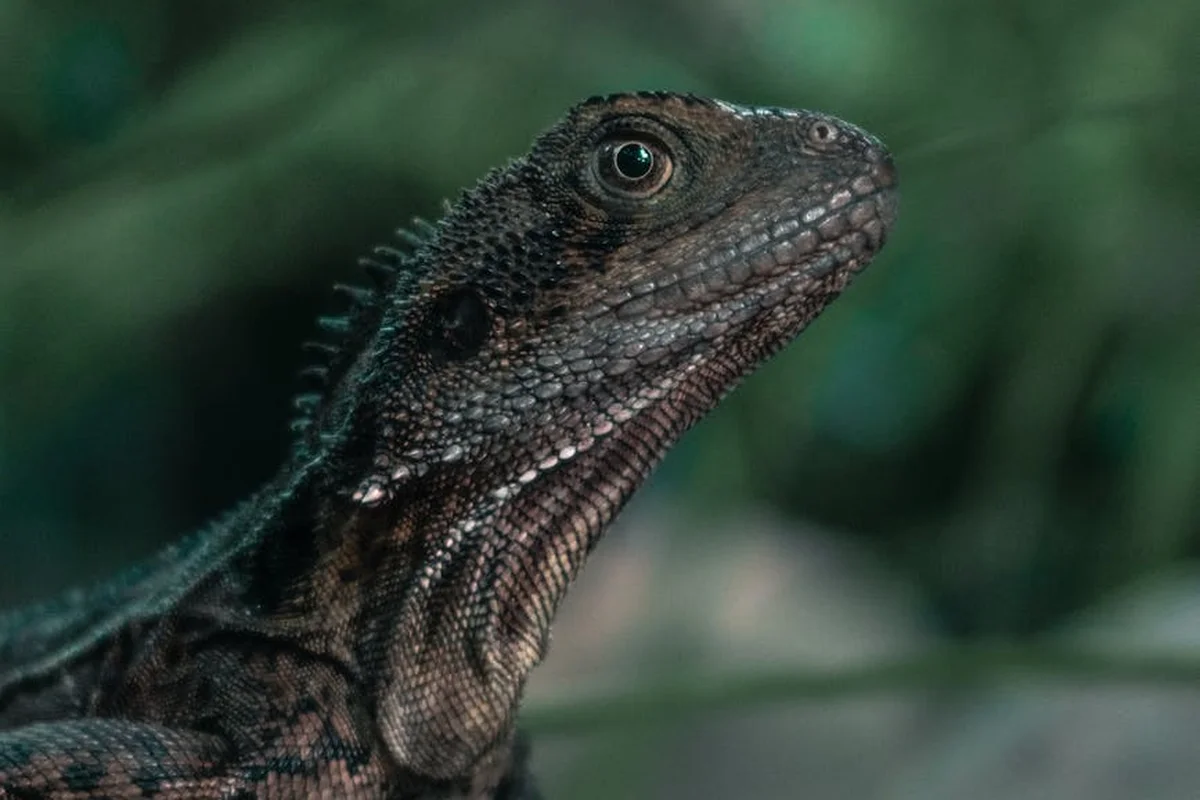
Think of puffing up as your bearded dragon’s first, loudest way of saying, “I am not comfortable right now.” I’ve seen this with my own dragons when their environment feels off. The triggers are often things we can easily fix. Watch for stressed-spot signs—puffing up, gaping, or sudden stillness—that signal anxiety. Addressing the triggers in their environment—temperature, lighting, hiding spots, and handling—can help reduce their anxiety.
- Temperature Troubles: Is their basking spot hot enough? Is the cool side too warm? An incorrect temperature gradient is a huge, common stressor.
- Handling Hiccups: Too much handling, especially with new or young dragons, can be overwhelming. Let them settle in at their own pace.
- Reflection Rivalry: A shiny surface on the tank walls can make them see a “rival” dragon. They’ll puff up to look bigger and scare the intruder away.
- Loud Noises and Vibrations: Constant loud music, slamming doors, or a rumbling subwoofer can make them feel like their world is shaking.
- New Environment Jitters: A recent tank move, new decor, or even a change in your room’s layout can temporarily unsettle them.
The key is to play detective and observe what changed right before the puffing started. Your dragon is counting on you to notice and correct their discomfort. Watch for bearded dragon choking signs like coughing, gulping, or mouth-gaping. If you notice any of these, contact a reptile veterinarian promptly.
Back Off, Buddy: The Defensive Posture and Threat Display
This is where puffing escalates into a full-blown “leave me alone” signal. It’s a dramatic sight, and it’s vital you respect it. I’ve had a rescue dragon do this every time I approached for weeks.
Look for this combination of behaviors.
- The Classic Puff: Their body inflates to make them appear larger and more formidable to a perceived threat.
- Beard Blackening: This is a major sign. Their beard, or the skin under their chin, will turn a dark black or very dark grey.
- Gaping Mouth: They’ll open their mouth wide in a silent hiss, showing you the inside. It’s a clear warning to back off.
- Body Flattening: They press their body flat and wide against a surface, maximizing their apparent size.
When you see this full defensive display, the best thing you can do is give them space immediately. Forcing interaction during a threat display will only destroy their trust in you. Let them calm down on their own terms.
Is It Sick? Health Red Flags to Watch For
Beyond the Puff: Spotting Signs of Respiratory Infection
Sometimes, puffing isn’t about behavior at all-it’s a symptom of illness. A Respiratory Infection (RI) is serious and needs a vet. I learned this the hard way with my first dragon, Puff.
- Mucus and Bubbles: Look for stringy saliva, mucus around the nostrils or mouth, or small bubbles coming from the nose. This is a big red flag.
- Labored Breathing: You might see their sides moving heavily or their breathing seems rapid and shallow.
- Lethargy and Loss of Appetite: If the puffing is paired with a sudden lack of energy and no interest in food, it’s time for serious concern.
Wheezing or Clicking Sounds: Listen closely when they breathe. Any audible noise, like a faint wheeze or click, is not normal.
A respiratory infection will not get better on its own and requires prescription medication from an exotic vet. Delaying a visit can have tragic consequences for your scaly friend.
The Silent Threat: Calcium Deficiency and MBD
Metabolic Bone Disease (MBD) is a devastating, preventable condition caused by a lack of calcium. The puffing here is subtle but part of a larger, heartbreaking picture.
- Soft or Rubbery Jaw: Gently feel their jawline. In early stages, it may feel less rigid than it should. This is called “rubber jaw.”
- Swollen Limbs or Twitching: Look for slight tremors in their toes or legs. Their limbs might appear puffy or swollen.
- Difficulty Moving: They may seem stiff, have trouble walking, or struggle to climb as they used to.
- Curved Spine or Limbs: In advanced cases, you might notice a kink in their tail or a bowing in their legs.
Preventing MBD is a three-part job: proper UVB lighting to process calcium, calcium powder on their food, and a balanced diet. If you suspect MBD, a vet visit is non-negotiable to stop the progression and manage pain.
Your Action Plan: What to Do When Your Dragon Puffs
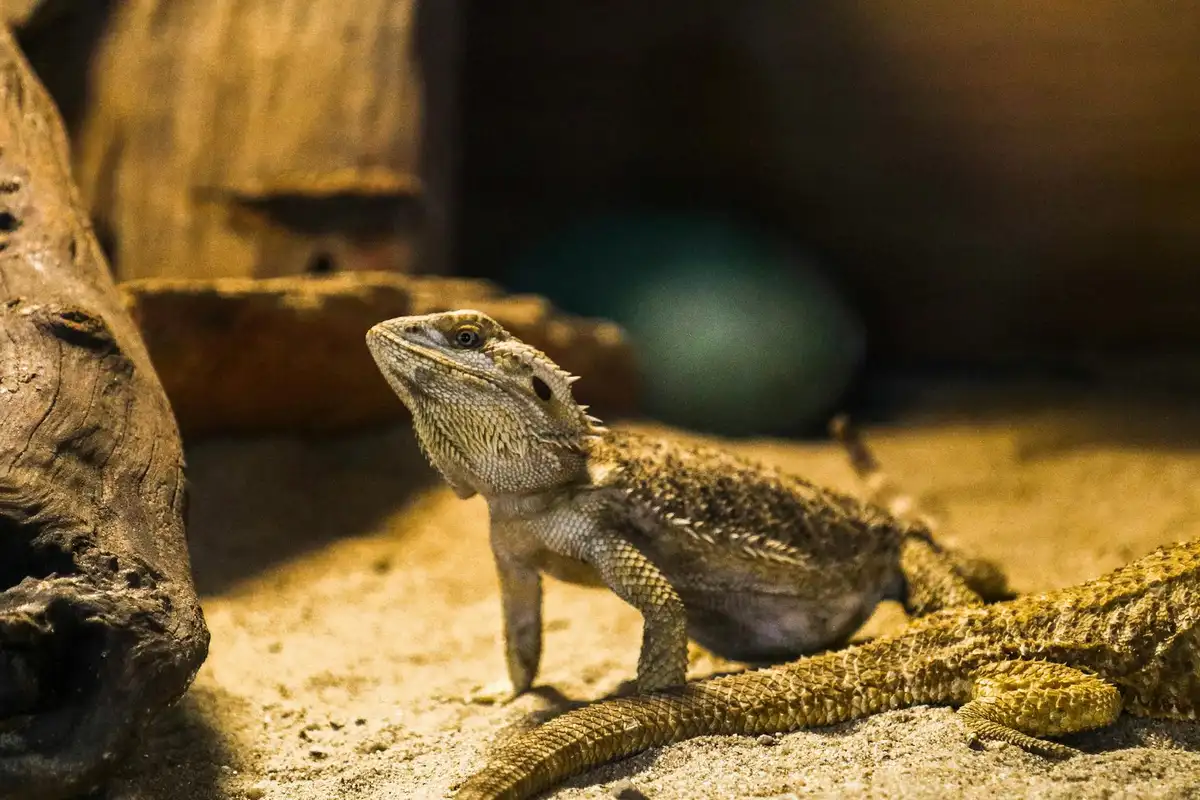
Seeing your dragon inflate can be startling, but don’t panic. Your reaction sets the tone for the entire situation. Staying calm is your number one priority because your dragon will pick up on your energy. I’ve learned this through many years of sharing my home with these expressive reptiles.
Follow these steps to assess the situation safely:
- Pause and Observe: Freeze your movements and take a mental snapshot of the environment. What just changed? Is there a new reflection, a loud noise, or another pet in the room?
- Check for Black Beard: Quickly glance at their beard. A puffed-up body with a jet-black beard is a much more serious sign of stress or aggression than puffing alone.
- Speak Softly: Use a low, soothing voice. I often just talk to mine in a calm tone, saying something simple like, “Hey buddy, it’s just me.” This familiar sound can be very grounding.
- Give Them Space: If the puffing continues, back away and give them a visual break. Sometimes, the best thing you can do is simply stop being a perceived threat.
- Re-evaluate the Habitat: Once they’ve calmed down, do a quick check of their tank temperatures and look for any new stressors you might have missed.
Creating a Calm Home to Reduce Puffing
A peaceful enclosure is the foundation of a confident, relaxed bearded dragon. Most defensive puffing stems from a dragon feeling insecure in its own territory. My goal has always been to make my dragons feel like their tank is their impenetrable castle. In this bearded dragon enclosure building guide, I’ll show you how to craft that secure habitat. From choosing safe materials to proper layout, it’s all about creating a castle your dragon can trust.
Dialing in the Perfect Enclosure Setup
Getting the environment right solves a huge percentage of behavior issues. It’s not just about survival; it’s about helping them thrive.
- Temperature is Everything: A dragon that is too cold will puff up to trap warmth. Ensure your basking spot surface temperature is a toasty 95-110°F for adults, and the cool end stays around 80-85°F.
- Lighting Matters Deeply: They need a high-output UVB tube light that spans about half the tank. Without proper UVB for 10-12 hours a day, they can develop metabolic bone disease, feel weak, and become more easily stressed.
- Mind the Reflections: Glass walls can be confusing. If your dragon frequently puffs at its own reflection, consider adding a scenic background poster to the outside of three tank walls.
- Choose Substrate Wisely: I am a strong advocate for using non-particle substrates like slate tile or reptile-safe liner. Loose substrates can be accidentally ingested and cause impaction, leading to a very sick, stressed dragon.
Building Trust Through Proper Handling
Trust isn’t built overnight. It’s a slow, rewarding process that requires immense patience and respect for your dragon’s boundaries. With gentle handling and daily positive interactions, you can get your bearded dragon to like you and build trust. Pay attention to its cues and maintain a calm, steady routine.
- Always Approach from the Front: Never swoop in from above like a predator. Come from the front and below their line of sight so they can see you clearly.
- Start with Hand-Feeding: Offer tasty treats like small pieces of squash or a hornworm from your open palm. This creates a positive association with your presence.
- Respect the “No”: If they puff up when you reach in, abort the mission. Try again later. Forcing interaction destroys trust. I’ve had dragons that took months to willingly come onto my hand, and that’s perfectly okay.
- Keep Initial Sessions Short: Once they are comfortable, limit handling to 5-10 minutes at first. Gradually increase the time as they show more curiosity and less stress.
The Importance of Hides and Safe Spaces
Every creature needs a place to retreat and feel completely safe. This is non-negotiable for their mental well-being.
- Offer Multiple Hides: Provide at least two hides-one on the warm end and one on the cool end. This gives them control over their environment and temperature.
- Consider the “Feel” of the Hide: Some dragons prefer dark, enclosed caves, while others like half-log hides where they can see out. Providing options lets your dragon choose what makes them feel most secure.
- Add Visual Barriers: Use strategically placed rocks, branches, or fake plants to break up the line of sight in the tank. This creates little “rooms” and makes the space feel larger and more complex, which can reduce boredom and stress.
Time for the Vet? Making the Call
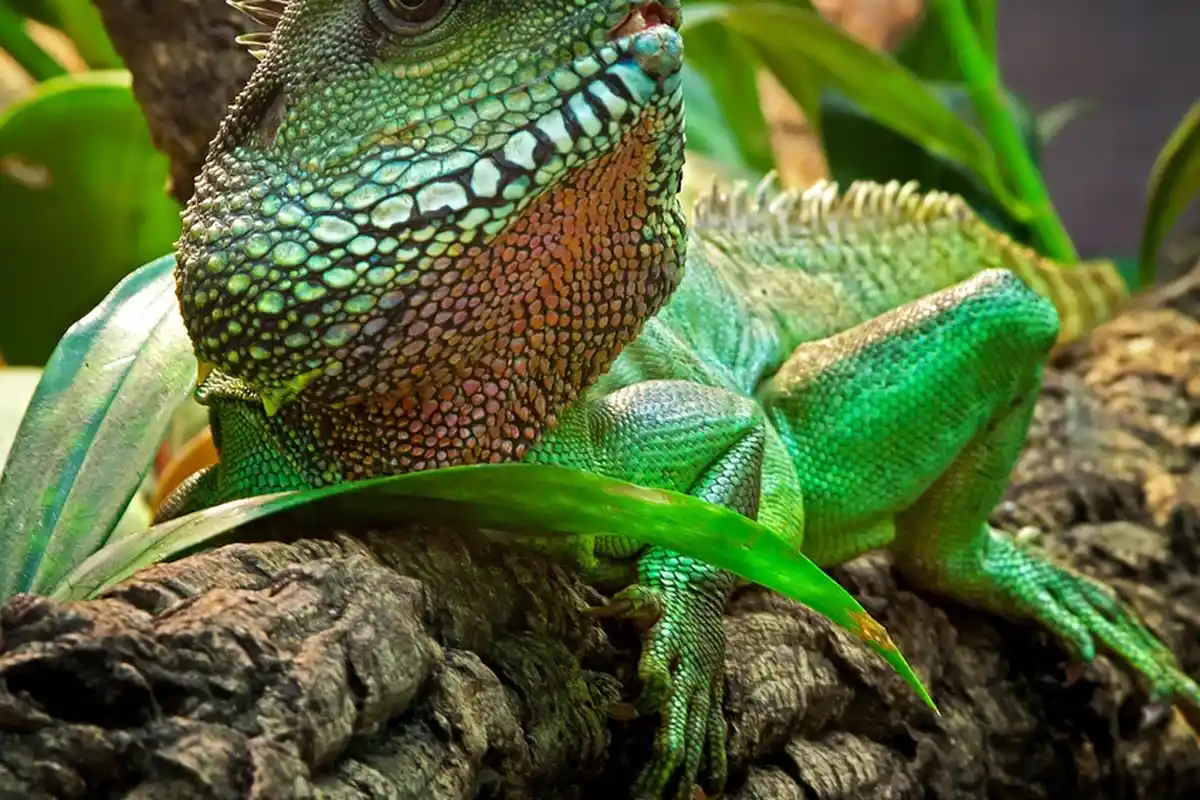
Seeing your dragon puffed up can be startling. I remember the first time my boy, Gus, did it; my heart jumped into my throat. While it’s often a harmless display, you need to know when it crosses the line from quirky behavior to a cry for help. Heavy breathing can be a sign of stress or overheating, and understanding why it happens helps you decide when to worry.
Trust your gut feeling-if your dragon’s puffing seems off or is paired with other worrying signs, it’s always better to be safe and make that call. You are their first and most important line of defense.
Red Flags That Signal a Vet Visit
Puffing up becomes a major concern when it’s not just a temporary reaction. Watch for these specific symptoms that often accompany serious health issues.
- Persistent, unexplained puffing that lasts for hours.
- Labored breathing, wheezing, or you can hear a clicking sound when they breathe.
- Puffing is accompanied by a gaping mouth and lethargy, not just during basking.
- Loss of appetite or refusing their favorite bugs.
- Any discoloration in their mouth, like a yellow, cheesy substance, which can indicate a mouth infection.
What Could Be Wrong? Common Medical Causes
When the puffing is a symptom, it’s usually related to their respiratory system or internal discomfort. Here’s what a vet might investigate.
- Respiratory Infection: This is a big one. Think of it like a bad chest cold for your dragon, which can quickly become serious without treatment. Symptoms include mucus in the mouth or nostrils, and that tell-tale wheezing.
- Impaction: If they’ve eaten something they can’t pass, like a large insect or loose substrate, it can cause a dangerous blockage. The pressure and pain can make them puff up.
- Metabolic Bone Disease (MBD): In advanced cases, weakened muscles can make breathing difficult, causing them to puff out their beard to try and get more air.
Your Action Plan Before the Appointment
While you’re waiting to see the vet, there are a few things you can do to help your scaly friend and gather useful information for the doctor.
- Double-check your tank’s temperature and humidity levels with a reliable digital gauge. Incorrect conditions are a common culprit.
- Offer a warm bath (not hot) to help with hydration and potentially ease any mild constipation.
- Take clear photos or a short video of the behavior to show the vet, as your dragon might not perform on cue in the clinic.
- Note down any recent changes in their diet, behavior, or bowel movements.
Having these details ready will help your vet diagnose the issue much faster and more accurately. Your careful observation is a powerful tool for your pet’s health.
Frequently Asked Questions
How can I distinguish between normal puffing and a sign of illness?
Normal puffing is brief and occurs in harmless contexts like basking or shedding, while illness-related puffing is persistent and paired with symptoms like lethargy, mucus, or labored breathing.
Should I be concerned if my bearded dragon puffs up when I approach its tank?
This is often a defensive response to perceived threats; approach slowly and calmly to avoid stressing your dragon, and give them space if they show a black beard or open mouth. If you’re wondering why your bearded dragon’s mouth opens, there are seven common reasons linked to worry and stress to consider.
Can diet affect how often my bearded dragon puffs up?
Yes, puffing after meals aids digestion, but a poor diet can lead to issues like impaction, which may cause stress-related puffing; always provide balanced nutrition and proper hydration.
Final Thoughts
Seeing your bearded dragon puff up can be startling, but now you know it’s simply their way of communicating. This balloon-like behavior is usually a sign of temperature regulation, a defensive display, or part of a healthy shedding process. Staring is another common cue they use, and interpreting that gaze alongside puffing up helps explain why your bearded dragon stares at you. By calmly observing the context—checking their basking spot, looking for perceived threats, or noting their shed cycle—you can usually figure out what your scaly friend is trying to say.
My own dragons have taught me that patience and a watchful eye are your best tools. Trust your gut; if the puffing is constant or paired with other worrying signs like lethargy or a lack of appetite, a quick call to your reptile vet is the safest move. Understanding these behaviors helps you provide a more secure and comfortable home for your pet.
Further Reading & Sources
- 8 Common Reasons Your Bearded Dragon Is Puffing Up – A-Z Animals
- r/BeardedDragons on Reddit: Beard puffing when basking normal?
- r/BeardedDragons on Reddit: Bearded Dragon puffing up beard and deflates it continuously.
Bearded Dragon Lair is the ultimate resource for bearded dragon enthusiasts, offering expert advice and practical tips to ensure the health and happiness of your scaly companion. With years of experience in reptile care, we are dedicated to providing accurate, up-to-date information to support your bearded dragon journey.
Signs of Illness