Why Is My Bearded Dragon’s Mouth Open? (7 Reasons & When to Worry)
Seeing your bearded dragon sitting with its mouth wide open can be a little startling the first time you notice it.
As an owner of several beardies, I’ve learned this common behavior usually has a simple, harmless explanation, but it’s smart to know the difference.
We’ll explore the 7 most common reasons, from normal thermoregulation to potential signs of illness, so you’ll know exactly when it’s time to relax and when to call your vet.
Is It Normal for Bearded Dragons to Open Their Mouths?
Seeing your bearded dragon sitting there with its mouth wide open can be a little startling the first time. I remember doing a double-take with my first dragon, Darwin. Rest assured, this behavior, often called gaping, is frequently completely normal and is just part of how they manage their body temperature. You might also notice your dragon staring at you—this is another common behavior that can help you interpret what they’re thinking or feeling. Learning what these stares and other movements mean can make it easier to read their needs and moods.
What Is Gaping and Why Do They Do It?
Gaping is the reptile version of a dog panting. Bearded dragons don’t sweat, so they have to release excess body heat another way. By opening their mouth, they allow heat and moisture to evaporate from their mouth and throat. Think of it as their built-in, biological air conditioning system kicking in. You’ll most often see this when they are basking directly under their heat lamp, perfectly content.
Common Situations Where Mouth Opening Is Harmless
In many everyday scenarios, an open mouth is no cause for alarm. From my experience, you’ll typically see this during:
- Basking: This is the most common reason. They are simply thermoregulating.
- After Eating: Sometimes they’ll sit with their mouth open for a minute after a big meal, almost like they’re catching their breath.
- Handling: Occasionally, a dragon might hold its mouth open when you first pick it up. This is often a brief sign of surprise or mild stress that subsides quickly as they settle in.
7 Common Reasons for a Bearded Dragon’s Open Mouth
While often harmless, an open mouth can sometimes signal an underlying issue. It’s all about observing the context and looking for other clues. Knowing the difference between a happy basker and a sick dragon is the key to being a great pet owner.
Thermoregulation and Overheating
As we discussed, this is the number one normal reason. The key is location. If they are gaping on their basking spot, it’s fine. You should worry about overheating if they are gaping constantly, anywhere in the tank, and trying to hide in cool corners. Check your tank temperatures immediately with a reliable digital thermometer. The basking spot should be between 95-110°F for adults.
Respiratory Infection
This is a serious condition that needs a vet. A respiratory infection makes it hard for them to breathe. Look for an open mouth accompanied by audible wheezing, clicking sounds, or mucus bubbles around the nostrils. They may also seem lethargic and have a loss of appetite. This often stems from a habitat that is too cold or humid.
Mouth Rot (Stomatitis)
Mouth rot is a nasty bacterial infection inside the mouth. It’s painful and won’t go away on its own. An open mouth caused by mouth rot will look very different-you’ll often see cheesy, yellow or grey pus, redness, or swelling along the gumline. Their mouth might also seem stuck open, not just held open. This requires immediate veterinary care and antibiotics.
Stress or Aggression
Bearded dragons will open their mouths wide as a defensive display. This is the classic “beardie” behavior. If their beard is also jet-black and puffed out, they are feeling threatened or territorial. This can be triggered by seeing their own reflection, another pet, or even sudden movements. It’s their way of saying, “Back off!” If you’re wondering why they puff their beard, it really means they’re signaling a threat, as explained in this article about Puffing beard signals threat or trying to assert dominance. It’s a clear warning to give them space.
Dehydration
A dehydrated dragon might sit with its mouth open, almost looking lethargic. If you’re worried your bearded dragon is dehydrated, here are 7 critical signs of dehydration to look for. This quick checklist can help you assess hydration at a glance. Other signs of dehydration include sunken eyes, loose skin that doesn’t snap back quickly when gently pinched, and a lack of appetite. Make sure you are providing a fresh water bowl daily and regularly offering water-rich veggies like bell peppers and occasional hornworms.
Parasitic Infection
A heavy load of internal parasites can make a dragon feel generally unwell and cause respiratory distress. Symptoms often overlap with a respiratory infection, including gaping, lethargy, and weight loss despite a good appetite. The only way to diagnose this is through a fecal test performed by your exotic vet.
Shedding Discomfort
When the skin around their face and jaws is ready to shed, it can get very tight. You might see your dragon stretching its mouth open wide to help loosen and crack the old skin around its lips and snout. This is usually temporary and stops once the shed is complete. Just make sure their humidity is appropriate to help the shed come off easily. If shedding seems stuck, try a gentle warm soak and soft rubbing around the affected areas to loosen the skin. For more information on how to assist with stuck sheds, you can visit this guide. If it doesn’t loosen after a short try, consult a reptile veterinarian for safe assistance.
When to Worry: Serious Warning Signs
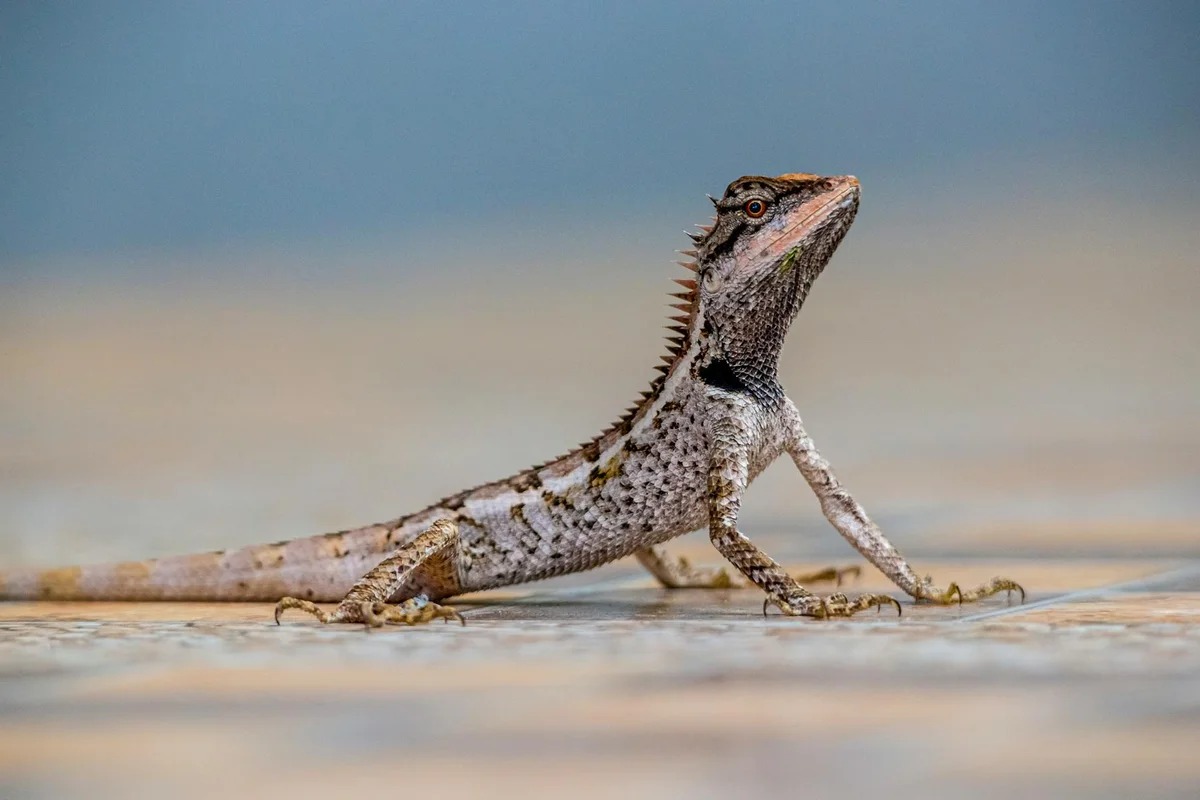
Seeing your bearded dragon’s mouth open can be perfectly normal, but some signs scream for your attention. Trust your gut—if something feels off, it probably is. I’ve learned over the years that subtle changes are often the first whispers of a bigger issue. When a bearded dragon is hiding, it’s often because they’re feeling concerned or unsafe. Noticing that behavior early can help you pinpoint what needs checking.
Abnormal Sounds and Breathing Patterns
Listen closely. A healthy, gaping beardie is a quiet beardie. You should not be hearing anything.
- Wheezing, Clicking, or Gurgling: This is the biggest red flag. These sounds often mean a respiratory infection, where fluid is in the lungs or airways. It’s an urgent situation.
- Labored Breathing: Look for heavy, forced movements in their chest and shoulders. Breathing should look effortless.
- Open-Mouth Breathing for Extended Periods: If the mouth stays open even in a cool spot and they seem to be struggling for air, it’s a major concern.
Visible Physical Changes in the Mouth
Gently hold your dragon and take a good look inside if you can. Do this calmly when they are already gaping.
- Yellow, Cheesy-Looking Pus: This is a classic sign of infectious stomatitis, or mouth rot. It’s a painful bacterial infection that won’t go away on its own.
- Excessive, Ropy Saliva or Bubbles: A little moisture is fine, but long, stringy saliva or bubbles can indicate a respiratory issue.
- Swollen Gums or Jaw: Any asymmetry or puffiness around the face or jawline is abnormal.
- Red, Inflamed Tissue: The inside of the mouth should be a healthy pink, not bright red or bloody.
Behavioral Shifts Paired with Mouth Opening
The mouth opening itself isn’t always the problem; it’s the company it keeps.
- Lethargy and Weakness: If your normally active dragon is just sitting with its mouth open and has no energy, it’s a sign of illness.
- Loss of Appetite: Refusing food for more than a day or two, especially when combined with other symptoms, is a clear cry for help.
- Hiding More Than Usual: Bearded dragons are good at hiding sickness. If they are constantly hiding and gaping, they are trying to cope with discomfort.
How to Respond to Mouth Open Behavior
Don’t panic. A calm, observant owner is a dragon’s best advocate. Your first job is to be a detective, not a doctor. Gather information before you jump to conclusions.
Quick Health Check You Can Do at Home
Before you call the vet, run through this simple checklist. It takes five minutes and gives you valuable info.
- Check the Thermometer: What is the basking spot temperature? Is it too hot? Is the cool end cool enough?
- Observe Their Posture: Are they sitting upright and alert, or are they flattened and lethargic?
- Offer a Favorite Treat: This is my go-to test for appetite. A healthy dragon rarely turns down a tasty worm.
- Do a Visual Mouth Inspection: When they gape, look for the warning signs we discussed-no pus, no bubbles, no swelling.
When and How to Contact a Reptile Vet
If your home check reveals any of the serious warning signs, it’s time to make the call.
- Contact a vet immediately if you hear any respiratory noises like wheezing or see pus in the mouth. These conditions deteriorate quickly.
- If your dragon is lethargic and hasn’t eaten for 48 hours with a consistently open mouth, schedule an appointment within 24 hours.
When you call, be ready to tell the vet exactly what you’ve observed. I always write a few notes down. Mention the behavior, the tank temperatures, when it started, and anything else that seems relevant. Finding a vet who specializes in reptiles is non-negotiable for situations like this. They have the right knowledge and equipment to help your scaly friend.
Preventing Mouth Open Health Issues
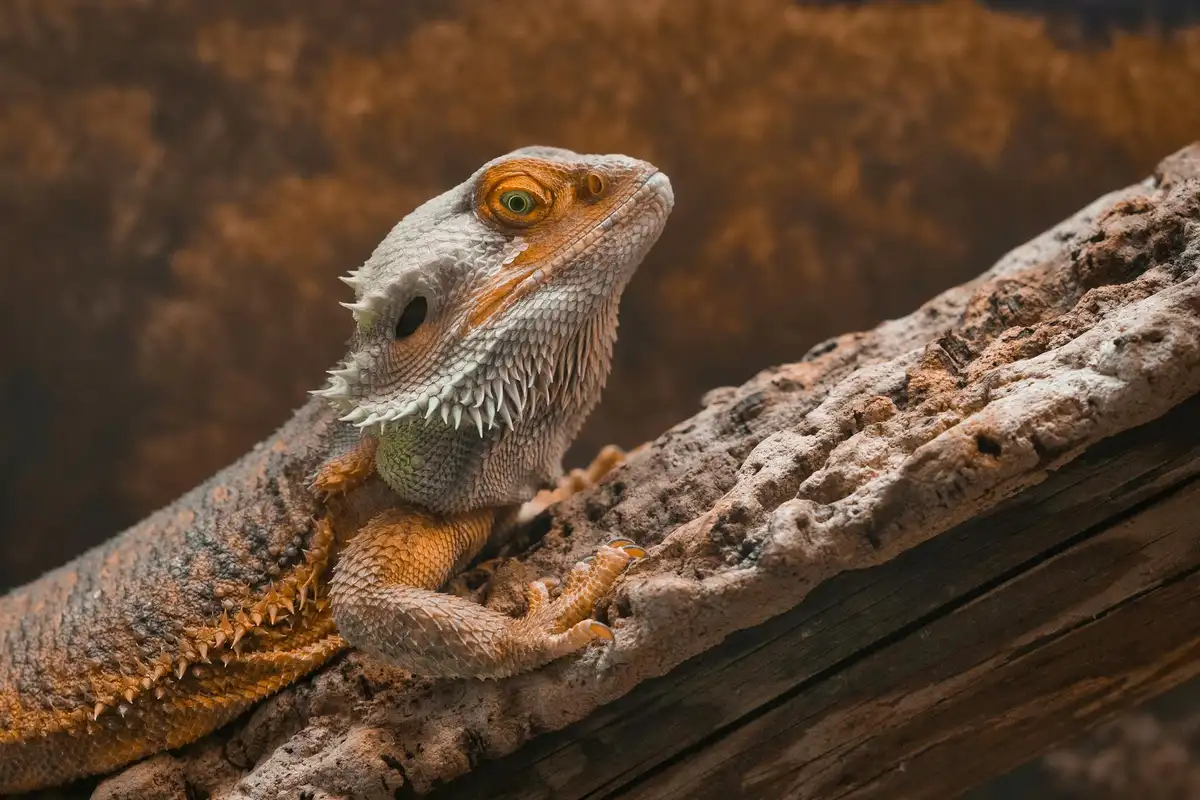
Seeing your bearded dragon with its mouth open can be startling, but many causes are preventable with the right setup and daily habits. Proactive care is your best tool for keeping your dragon healthy and stress-free. I’ve learned through years of keeping these amazing reptiles that consistency is everything. For beginners, a complete beginners guide to taking care of a bearded dragon can make all the difference. This guide covers enclosure setup, lighting, feeding, and daily wellness so you can enjoy your new pet with confidence.
Optimal Habitat Setup to Avoid Problems
A proper enclosure is the foundation of your bearded dragon’s health. Getting this right solves so many potential issues before they even start. In our DIY bearded dragon enclosure building guide, we’ll walk you through choosing materials, sizing, ventilation, and safe setup to prevent common problems. We’ll also share practical step-by-step building tips you can follow to create a sturdy, escape-proof habitat.
- Master the Temperature Gradient: One side of the tank needs a basking spot between 95-110°F, while the cool side should sit around 80-85°F. This gradient lets your dragon regulate its body temperature effectively, reducing the need for gaping. I use a digital thermometer with probes at both ends because those stick-on dials are often inaccurate.
- Provide High-Quality UVB Lighting: Your dragon needs a long, tube-style UVB light that covers at least half the tank’s length. This light is non-negotiable for their calcium metabolism and overall well-being. Replace the bulb every six months, even if it still looks fine, because its UV output diminishes over time.
- Control the Humidity: Aim for a humidity level between 30% and 40%. Keeping humidity in this range is critical for preventing respiratory infections, a common cause of open-mouth breathing. A simple digital hygrometer takes the guesswork out of monitoring.
- Choose the Right Substrate: For adult bearded dragons, I’m a big fan of slate or ceramic tile. It’s easy to clean, files down their nails, and presents zero risk of impaction. Loose substrates like sand or walnut shell can cause serious intestinal blockages if ingested.
Daily Care Routines for a Healthy Beardie
Your daily interactions are just as important as the tank itself. Small, consistent habits build a lifetime of health.
- Observe Before You Act: Spend a few quiet moments each day just watching your dragon’s normal behavior from outside the tank. Knowing their unique “normal” helps you spot subtle changes that signal a problem early. You’ll learn their favorite basking spots and their typical activity level.
- Handle with Gentle Confidence: Regular, calm handling helps build trust and reduces stress. A relaxed dragon is far less likely to display stress-related behaviors like constant mouth gaping. Support their entire body and let them set the pace for interaction.
- Serve a Varied Diet: Rotate through different gut-loaded insects like dubia roaches, crickets, and black soldier fly larvae. A diverse diet ensures they get a full spectrum of nutrients and prevents picky eating. For my adults, I aim for a salad every day and insects every other day.
- Keep Their Home Clean: Spot-clean feces and uneaten food immediately. A clean habitat prevents the buildup of harmful bacteria and reduces overall stress on your dragon’s system. I do a full tank deep-clean with a reptile-safe disinfectant once a month.
- Always Provide Fresh Water: Even though they get most of their moisture from food, a shallow dish of clean water should always be available. Hydration supports every bodily function, from digestion to shedding. I notice my dragons will sometimes sit in their water dish to help with a tough shed.
Frequently Asked Questions
Is it normal for a bearded dragon to keep its mouth open while sleeping?
No, it is not typical for bearded dragons to sleep with their mouths open. If you notice this, it could signal a respiratory issue or discomfort, so watch for other signs like wheezing or lethargy and consult a vet if concerned. If you’re worried about why your bearded dragon is sleeping so much, excessive rest can signal stress or illness. Pay attention to appetite, activity, and environmental factors, and consult a vet if the sleepiness persists.
Can a bearded dragon’s diet cause them to gape more often?
Diet itself doesn’t directly cause gaping, but dehydration from poor hydration or low humidity can contribute. Always provide fresh water and include moisture-rich foods like leafy greens to support overall health.
How can I differentiate between stress-related gaping and illness-related gaping?
Stress-related gaping usually involves a black beard and puffing, and stops once the stressor is gone. Illness-related gaping is persistent, often includes symptoms like labored breathing or loss of appetite, and requires veterinary attention.
Final Thoughts
Seeing your bearded dragon’s mouth hanging open can be startling, but now you know it’s often just a normal part of their behavior, like thermoregulating or simply relaxing. From my own experience, recognizing the difference between a calm, basking dragon and one in distress brings immense peace of mind.
The real takeaway is to trust your gut and look at the whole picture. If that open mouth comes with other worrying signs like lethargy, noise, or a lack of appetite, it’s time to act. You are your dragon’s best advocate, and a quick vet visit can make all the difference for their wellbeing.
Further Reading & Sources
- What does it mean when their mouth is open, is it to hot? …
- Why Bearded Dragon Sitting With Mouth Open? – REPTI ZOO
- Bearded Dragon Basking Open Mouth – Reptiles Magazine
Bearded Dragon Lair is the ultimate resource for bearded dragon enthusiasts, offering expert advice and practical tips to ensure the health and happiness of your scaly companion. With years of experience in reptile care, we are dedicated to providing accurate, up-to-date information to support your bearded dragon journey.
Signs of Illness