Is My Bearded Dragon Brumating? 12 Key Signs to Look For
Published on: March 5, 2026 | Last Updated: March 5, 2026
Written By: Beardie Joe
If your bearded dragon has suddenly slowed down, stopped eating, or is acting unlike their usual self, you might be wondering if they’re starting to brumate.
After years of caring for my own dragons, I’ve learned how to spot the subtle differences between normal behavior and this deep sleep-like state, and I’m here to help you do the same.
I’ll share the 12 most common signs of brumation, explain what’s normal and what’s a red flag, and give you my best tips for supporting your pet through this natural cycle.
What Is Brumation in Bearded Dragons?
Think of brumation as a reptile’s version of hibernation. It’s a deep, energy-saving sleep state triggered by cooler temperatures and shorter daylight hours in the wild. This is a completely natural and instinctual process for a healthy adult bearded dragon, not a sign of illness. Do all bearded dragons brumate? Not every dragon does. If they do brumate, you can expect a slowed appetite, reduced activity, and longer periods of rest, with normal activity returning as temperatures and daylight increase. In my own experience, my oldest dragon, Spike, goes through this every winter like clockwork. His entire routine changes, and it used to worry me sick until I learned it was his innate way of conserving energy through the “colder” months, even in our climate-controlled home.
12 Key Brumating Signs in Bearded Dragons
Reduced Appetite or Food Refusal
This is often the very first clue. Your voracious eater might start picking at their salad or ignoring live feeders entirely. A sudden, complete loss of appetite is one of the most common and telling signs that brumation is starting. I’ve watched dragons who would normally chase down every cricket simply turn their head away as if the bug was an insult.
Increased Sleep and Lethargy
Your active, alert buddy begins to nap more often and for longer periods. They might sleep in unusual spots or seem difficult to rouse. This profound lethargy is their body’s primary method of slowing its metabolism to preserve energy. Don’t be alarmed if they look like a scaly, sleepy statue for days on end.
Hiding or Burrowing Behavior
You may find your dragon crammed into the darkest corner of their enclosure or trying to dig under their substrate. This instinct to find a secure, secluded spot is a powerful drive to protect themselves while in a vulnerable state. I always make sure my dragons have a good hide available when I see this behavior start.
Lower Body Temperature and Cooler Skin
When you pick them up, they will feel noticeably cooler to the touch, especially their belly and limbs. Their internal thermostat is dialing way down, so they no longer seek out or require the intense heat of their basking spot. This is a key physiological change.
Slowed Movements and Responsiveness
Their usual quick, jerky movements become slow and deliberate. They might not react as quickly to your presence or to food. Everything, from their breathing to their blink rate, seems to happen in slow motion. It’s a stark contrast to their normal, busy behavior.
Changes in Hydration Needs
They will drink very little, if any, water. Since their digestive system is essentially shutting down, their need for fluids plummets along with their metabolism. I still offer a shallow bath once a week to help with hydration and encourage a bowel movement, but I don’t force it if they seem stressed.
Altered Shedding Patterns
Brumation can significantly delay a shed. The process requires energy and resources that their body is now conserving. It’s very normal for a scheduled shed to simply pause until they become active again. You might see a half-finished shed just stop in its tracks.
Weight Fluctuations
A small amount of weight loss is expected as they live off their fat reserves. The critical thing is to ensure they enter brumation at a healthy weight, as a skinny dragon lacks the necessary energy stores. I always do a quick visual check and feel their fat pads on the head before the season begins.
Darker or Duller Coloration
Their vibrant yellows and oranges may appear muted or darker. This is partly because they aren’t basking as much to “show off” their colors and partly a visual signal of their dormant state. Their color typically pops right back once they wake up.
Reduced Basking Time
You’ll find them spending less and less time under their heat lamp. They prefer the cooler end of the tank. This is a conscious choice to keep their body temperature low and maintain their slowed metabolic state. It’s a clear behavioral signal that their needs have changed.
Irregular Bowel Movements
With no food intake and a frozen digestive tract, they will stop pooping. It is absolutely vital to ensure they has a final, clear-out bowel movement before brumation begins to prevent food from rotting inside them. This is a non-negotiable step for their safety.
Seasonal Timing and Duration Clues
Brumation typically occurs during the fall and winter months. The duration can vary wildly from a few weeks to four months, depending on the individual dragon’s age, health, and even their unique genetics. My first dragon brumated for six weeks, while my current one sleeps for a solid three months every year. People often ask when bearded dragons brumate—do they only brumate in winter, or can timing vary by season and region? In practice, seasonal timing tends to follow cooler, shorter days, but exact timing can vary by individual and climate.
How to Care for a Brumating Bearded Dragon
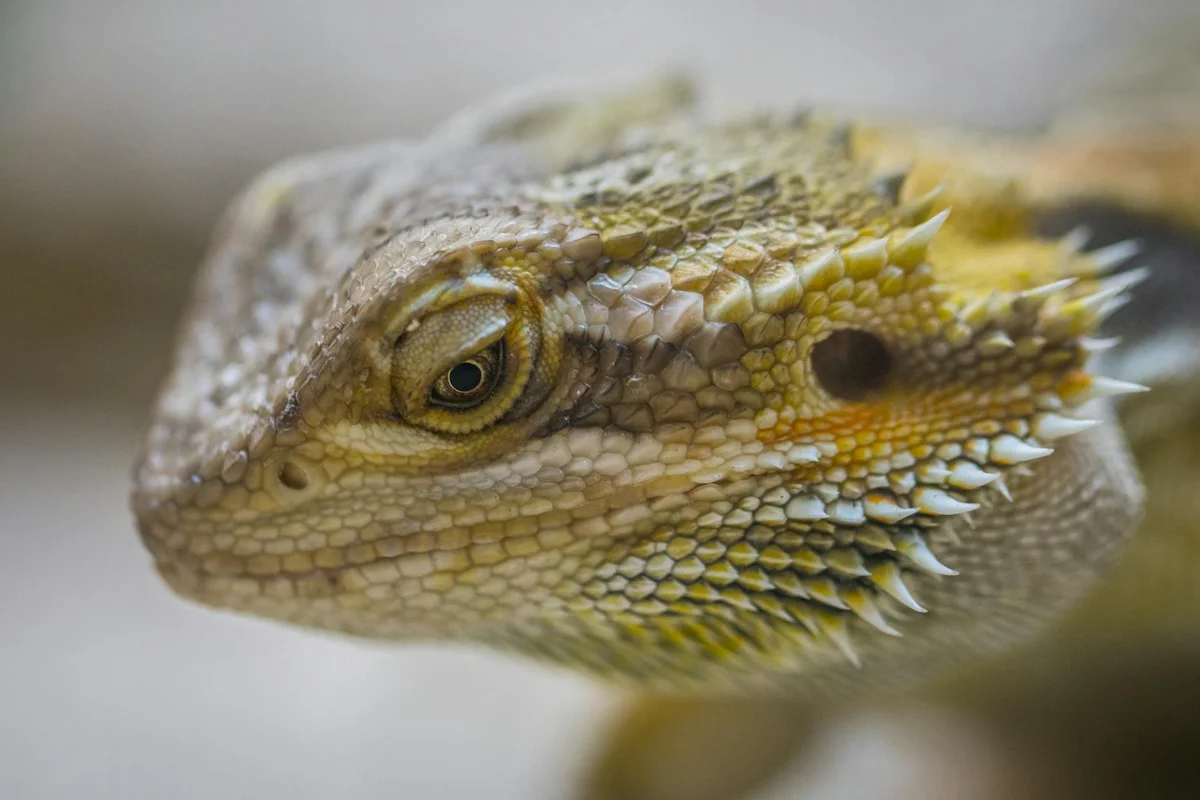
When you’re sure your dragon is brumating, your care routine needs a gentle shift. I’ve found the goal is to support their natural cycle, not fight it. Your main job during this time is to be a quiet, observant guardian, especially when it comes to feeding them during brumation.
Adjusting Enclosure Temperature and Lighting
You don’t need to completely shut off their world. In my enclosures, I create a cooler, more natural winter environment. Here is what I do:
- Keep the basking light on for a standard 10-12 hour day/night cycle.
- Lower the basking spot temperature to around 85-90°F (29-32°C).
- Allow the cool side of the tank to drop into the low 70s°F (around 21-23°C).
- Continue to provide UVB lighting. Their bodies may still need to process what’s already in their system.
Managing Food and Hydration
This is the part that worries most owners, but trust me, it’s normal. A brumating dragon has a digestive system that is essentially paused.
- Do not offer food. Offering insects to a dragon in deep brumation can lead to serious impaction as the food will rot inside them.
- I gently offer water once a week. I use a small dropper to place a bead of water on the tip of their snout. If they are interested, they will lap it up.
- Some of my dragons will wake up briefly for a quick drink. Others sleep straight through. Both are normal.
Providing Safe Hiding Spots
Your dragon is seeking security above all else. They want a dark, snug, and quiet place to rest undisturbed.
- Ensure they have a proper hide on the cool side of the enclosure. I prefer solid, enclosed hides over half-log styles for brumation.
- You might even drape a light towel over part of the tank’s front to reduce activity and light.
- Resist the urge to dig them out or handle them frequently. I only handle mine for quick health checks or if they wake up on their own and seem alert.
How Long Does Brumation Typically Last?
There is no single answer, and this variability is completely normal. I’ve had dragons brumate for different lengths of time in different years. Bearded dragons can show longer sleep periods, especially during brumation or as babies adjust their sleep patterns. Tracking how many hours they sleep can help you understand normal variation and identify potential concerns.
- The duration can range from a few weeks to a solid four months.
- Most commonly, you’re looking at a period of one to three months.
- Younger dragons, under a year old, often have shorter, more intermittent brumation periods.
- My oldest dragon once slept for almost the entire winter, from late November to early March. It felt like forever, but he emerged healthy and hungry.
The key is to be patient. They will wake up when their body is ready.
Brumation vs. Illness: When to Be Concerned
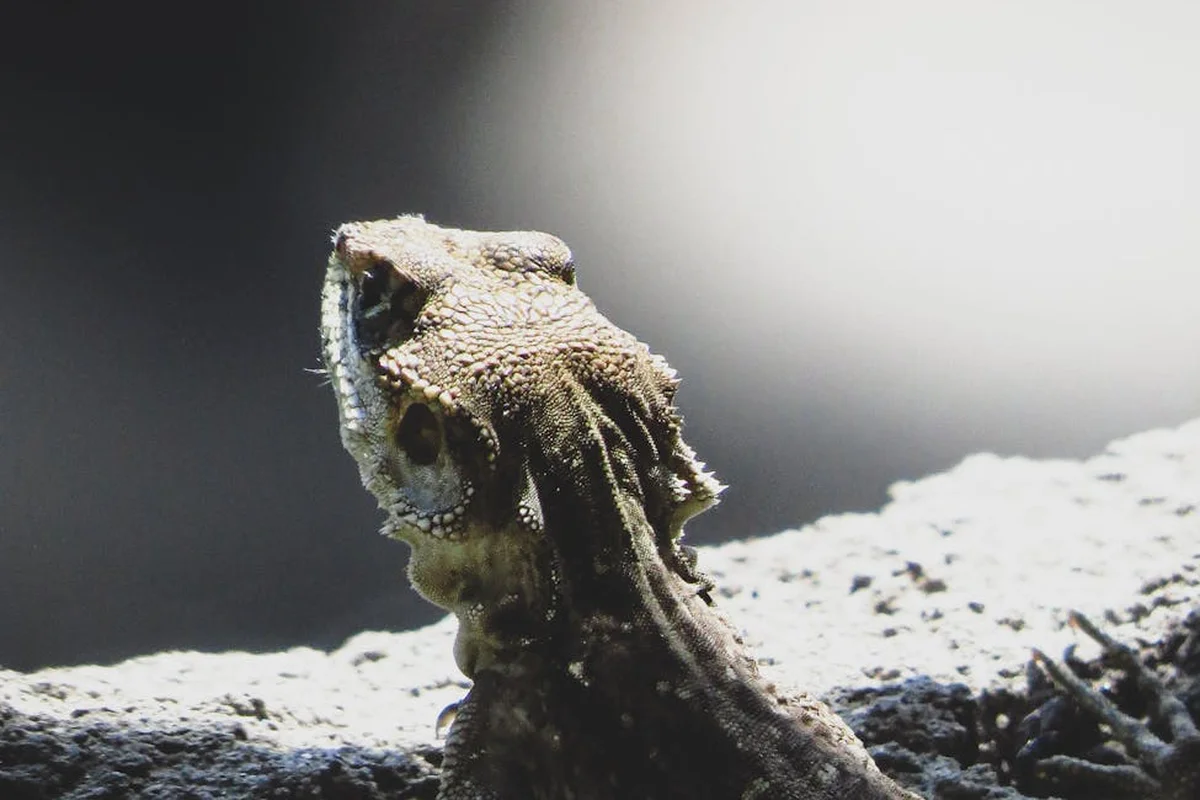
Seeing your dragon slow down can be nerve-wracking. Is this normal brumation, or is my pet sick? This is the question I’ve asked myself many times over the years. The line can seem thin, but there are clear distinctions. A healthy brumating dragon is simply resting, while a sick one is showing signs of a body under stress.
Let’s break down the key differences. A brumating dragon, even if sleepy, should still look fundamentally healthy when they are awake. Bearded dragons are diurnal, not nocturnal, so their sleep behavior follows day-night cycles rather than nighttime activity. This is a key part of a complete guide to understanding bearded dragon sleep behavior.
| Healthy Brumation Signs | Concerning Illness Signs |
|---|---|
| Sleeping deeply but moves if disturbed | Complete lethargy; unresponsive to touch or sound |
| Clear, bright eyes with no discharge | Sunken eyes or sticky, crusty residue |
| Skin is supple and well-hydrated | Wrinkled, loose skin indicating dehydration |
| Minimal, but some, interest in food/water | Total refusal of all food and water for extended periods |
Monitoring Health and Weight
Staying on top of your dragon’s physical condition is your best tool. I make it a weekly ritual, even during deep sleep phases.
Regular weigh-ins are non-negotiable for tracking their health during this period. Use a small digital kitchen scale. A slight weight loss is expected, but a sharp, rapid drop is a major red flag.
- Weigh your dragon once a week at the same time of day.
- Keep a simple log to track the trend.
- A loss of more than 10% of their body weight means it’s time for a vet visit.
Hydration is another critical area to watch. A brumating dragon won’t drink much, but they shouldn’t become dehydrated. If you suspect dehydration, do hydrate the bearded dragon—offer water droplets on the snout or a shallow dish and monitor for signs of improvement. If dehydration persists, consult a veterinarian promptly.
- Gently pinch the skin on their side. It should snap back quickly.
- Check their gums; they should be pink and moist, not pale or sticky.
- Offer water by dripping it slowly on their snout with a dropper once a week.
Signs That Warrant a Vet Visit
Trust your instincts. You know your pet better than anyone. If something feels off, it probably is. From my experience, these specific symptoms always justify a call to your reptile vet.
- Wheezing, popping, or open-mouth breathing: This can indicate a serious respiratory infection.
- Runny stools or discolored urates: Their waste should be firm. Diarrhea or bright yellow/orange urates signal internal issues.
- Lethargy combined with a black, stressed beard: A sleepy dragon with a black beard is often a sick dragon.
- Visible lumps, bumps, or swelling on their body: This could be anything from an abscess to a tumor.
- Discharge from the eyes, nose, or mouth: Any discharge is a sign of infection.
- Difficulty moving, dragging limbs, or tremors: These are neurological symptoms that need immediate attention.
When in doubt, a vet check-up provides peace of mind and could save your dragon’s life. It’s always better to be cautious than to regret inaction later.
Frequently Asked Questions
Can juvenile bearded dragons go into brumation?
While brumation is more common in healthy adult bearded dragons, juveniles under a year old may exhibit shorter or intermittent brumation-like behavior. However, it’s essential to monitor them closely, as significant lethargy or appetite loss in young dragons could indicate illness rather than natural brumation. Knowing how long brumation should last and when to be concerned can help you make informed decisions about your pet’s health.
Is it safe to wake a bearded dragon from brumation?
It is generally not recommended to forcibly wake a bearded dragon from brumation, as this can cause stress and disrupt their natural cycle. Instead, allow them to wake on their own, and only handle them for brief health checks or if they show signs of alertness. Learn more about waking a bearded dragon safely.
What should I do if my bearded dragon doesn’t show signs of brumation?
If your bearded dragon doesn’t brumate, it’s not necessarily a cause for concern, as some individuals may skip it due to factors like consistent lighting or individual health. Brumation is a normal seasonal behavior for many bearded dragons. If your dragon doesn’t brumate, it’s not necessarily a bad sign and can be perfectly normal for some individuals. Ensure their enclosure conditions are optimal and monitor for any unusual behavior that might indicate an underlying issue.
Final Thoughts on Your Bearded Dragon’s Big Sleep
Brumation is a natural, healthy process for many adult bearded dragons, but it can be a worrying time for a first-time owner. Trust that the signs—like decreased appetite, lots of hiding, and general lethargy—are normal parts of this cycle. In my years of keeping beardies, I’ve found that the best thing you can do is provide a quiet, safe space and let nature take its course. When your bearded dragon is brumating, you should keep the enclosure undisturbed, offer a shallow water dish, and maintain a comfortable, slightly cooler daytime temperature range. If brumation lasts beyond several weeks or you notice significant weight loss or dehydration, consult a reptile veterinarian.
Always keep a close watch on their physical condition and weight. When in any doubt, a quick check-in with a reptile-savvy vet is the most responsible and loving choice you can make for your scaly friend. You’ve got this.
Further Reading & Sources
- Bearded dragon brumation – how to identify and deal with it
- r/BeardedDragons on Reddit: How to tell is bearded dragon is brumating?
- Bearded Dragon Brumation: Everything You Need to Know – Dragon’s Diet
Bearded Dragon Lair is the ultimate resource for bearded dragon enthusiasts, offering expert advice and practical tips to ensure the health and happiness of your scaly companion. With years of experience in reptile care, we are dedicated to providing accurate, up-to-date information to support your bearded dragon journey.
Temperature Control Devices