
Can Bearded Dragons See Color?
Published on: March 12, 2026 | Last Updated: March 12, 2026
Written By: Beardie Joe
Have you ever noticed your bearded dragon tilting its head, seemingly fascinated by your bright red shirt or a colorful toy? That’s its incredible color vision at work.
As an owner of multiple beardies, I’ve spent years observing their behavior and researching reptile vision to give you a clear, practical answer.
We’ll explore the full spectrum of colors they can detect and how this knowledge impacts their habitat setup, food response, and overall well-being.
The Science Behind Bearded Dragon Color Vision
When you look into your bearded dragon’s eyes, you’re peering into a visual system far more complex than many realize. Bearded dragons have a retina packed with specialized photoreceptors, including rods for low-light vision and four types of cone cells that detect specific color wavelengths. This tetrachromatic vision means they see the world in a richer color palette than we do, with cones sensitive to ultraviolet (UV), blue, green, and red light. In addition to this, bearded dragons have a parietal or “third” eye on the top of their head that detects light intensity to help regulate daily rhythms. It does not form images.
Comparing their sight to human vision highlights some fascinating differences. While humans are trichromatic, relying on three cone types for red, green, and blue, bearded dragons add a fourth cone for UV light, expanding their perceptual range. I’ve noticed in my own pets that they often react to subtle visual cues I completely miss, like slight UV reflections on surfaces. Their stare isn’t just curiosity—it’s a way they monitor our movements, posture, and even UV cues. Interpreting why they fixate on you can help you read whether they’re curious, hungry, or feeling territorial.
- Bearded dragons possess UV-sensitive cones, allowing them to see patterns and signals invisible to humans.
- Their eyes have a higher density of cones relative to rods, enhancing color detection even in bright light.
- Reptile retinas process light faster, making them adept at detecting movement and color changes in their environment.
- They lack a fovea like humans, so their color vision is more evenly distributed across the retina.
Which Colors Can Bearded Dragons Actually See?
Bearded dragons experience a vibrant world where blues, greens, and yellows stand out vividly. Research shows they have peak sensitivity in the blue and green spectra, making these colors highly noticeable and often influencing their behavior. In my care, I’ve seen dragons consistently choose blue food dishes or green decor, suggesting these hues are more appealing or easier to distinguish. This contrasts with the natural colors they display on their own bodies, which serve different purposes.
There’s a common myth that bearded dragons can’t see red or pink, but that’s not entirely accurate. They do perceive red wavelengths, but it may appear as a duller, less distinct shade compared to how we see it, which is why red heat lamps can disrupt their natural cycles. I always advise against using colored bulbs because they can cause stress or confusion, aligning with animal welfare best practices. Pair this with a UVB bulb and a regulated basking heat lamp. Keep a stable daily light cycle, typically about 12 hours of light and 12 of darkness, to support their circadian rhythm.
| Color | Sensitivity Level | Typical Behavioral Response |
|---|---|---|
| Blue | High | Attracted to objects; may indicate food or water sources |
| Green | High | Associated with vegetation; often sparks exploration |
| Yellow | Medium | Can signal ripe fruits or flowers; may draw interest |
| Red | Low to Medium | Less engaging; might be ignored or cause mild stress |
| UV Patterns | Very High | Used for social cues and locating prey; critical for well-being |
UV Vision: How Bearded Dragons Perceive Ultraviolet Light
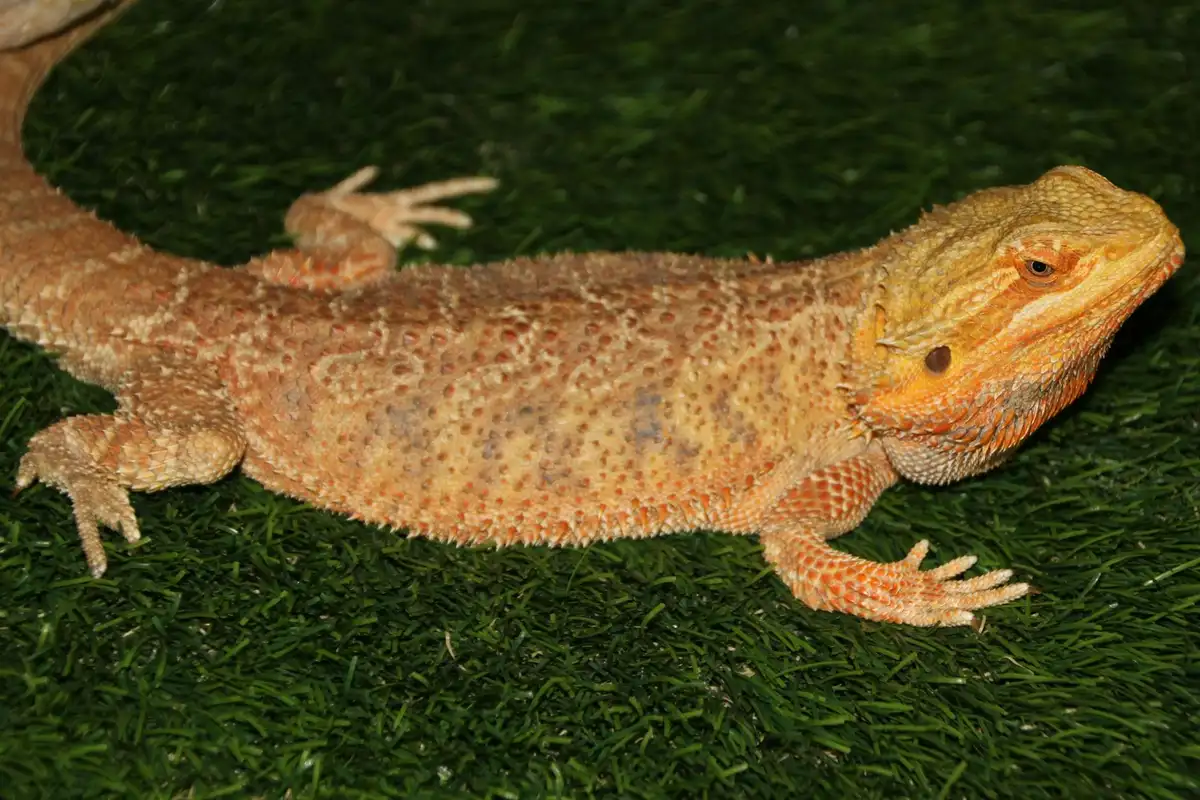
Bearded dragons see a world invisible to us, one painted in ultraviolet light. Their fourth cone type lets them perceive UV light as a distinct color, fundamentally changing how they interact with their environment. This isn’t just a visual trick; it’s vital for their physical and mental health. Proper UV exposure ensures their skin maintains healthy coloration.
UVB light is necessary for synthesizing Vitamin D3, which allows them to absorb calcium. Without it, they develop Metabolic Bone Disease, a tragic and painful condition. But their UV vision also directly guides their natural behaviors, from finding food to choosing the perfect basking spot. They use these visual cues to assess the health of other dragons and even to locate water sources.
Choosing the Right UV Lighting for Your Pet
Getting their lighting wrong is one of the biggest mistakes I see new owners make. Based on my years of keeping these lizards, here is my simple guide to choosing proper UV lighting.
- Select a Linear Fluorescent UVB Bulb: Avoid the compact, coil bulbs. They do not provide an adequate gradient of UV and can cause eye problems and poor health.
- Check the Strength: For most enclosures, a 10.0 or 12% UVB T5 tube is perfect. This replicates the strong Australian sun they evolved under.
- Position it Correctly: Place the bulb alongside your heat lamp over the basking area. There should be no glass or plastic between the bulb and your dragon, as these block UV rays.
- Follow a Distance Chart: The bulb’s strength determines how far your dragon should be from it. Follow the manufacturer’s distance guidelines to ensure they get enough UV without overexposure.
- Replace it Regularly: UVB output degrades over time, even if the bulb still emits light. Replace T5 bulbs every 12 months and T8 bulbs every 6 months to guarantee effectiveness.
How Color Vision Affects Bearded Dragon Behavior
Seeing in full color shapes every part of a bearded dragon’s life. This vibrant perception directly influences their hunting success, social interactions, and even their stress levels in your home. I’ve watched my own dragons react completely differently to various colored objects, food, and even my clothing. These color changes often reflect stress, shedding, or aging, not just aesthetics. Explaining why they shift helps you interpret their mood and tailor care accordingly.
One of my beardies, Spike, has a clear preference for my bright red shirt. He becomes more active and alert when I wear it. Another, Puff, will actively avoid a dark blue towel. Paying attention to these small cues helps you create a more comfortable and enriching life for your pet. Their world is visually complex, and we can use that to their benefit.
Color-Based Hunting and Feeding Responses
In the wild, a bearded dragon’s survival depends on spotting food against a complex background. Their color vision is their primary hunting tool. As both predator and prey, they hunt insects and defend themselves with warning displays like puffing up their beard when threatened.
- They are particularly attuned to the colors of their natural prey. Greens and yellows often signal moving, edible insects like crickets or phoenix worms.
- I’ve noticed my dragons consistently go for brightly colored veggies first. A bowl of food with orange bell peppers and deep green dandelion greens is always investigated before the plain greens.
- This is why offering a “salad” with a variety of colors isn’t just good nutrition-it’s more visually stimulating and encourages a better appetite.
Social and Environmental Cues
Color isn’t just about food; it’s a language of mood and territory for these reptiles.
- Dark, dull colors can sometimes indicate stress or submission. A bearded dragon’s beard turning black is the most famous example of this color-based communication.
- Bright, warm colors in their environment can sometimes be stimulating, while cooler tones might be more calming. I avoid using bright red hides in my enclosures as it can sometimes cause agitation.
You can use color to create a more zen-like habitat for your dragon.
- Choose substrate and background décor in natural, earthy tones like tans, browns, and soft greens.
- Provide hides that are dark and enclosed on the inside, offering a secure, color-neutral retreat.
- Observe your dragon’s behavior when you introduce new, colored items. If they seem stressed or avoid it, simply remove it.
Common Vision Problems in Bearded Dragons
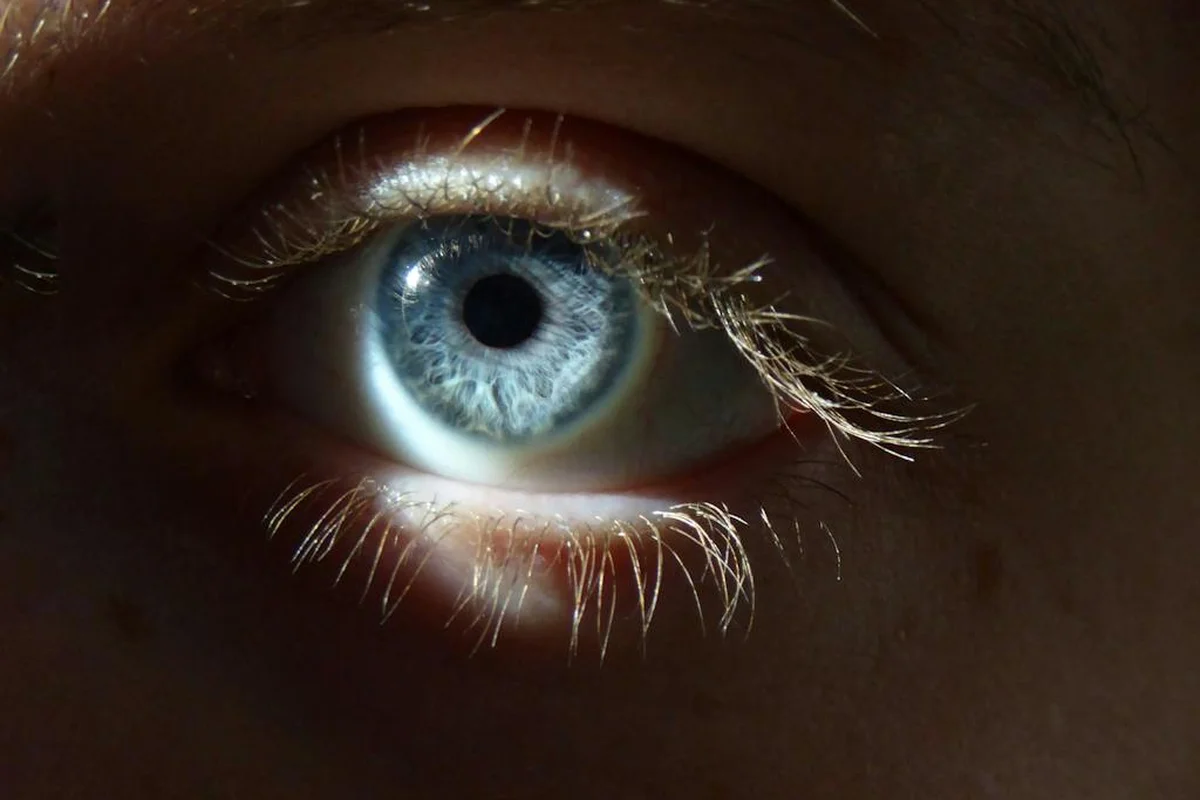
Even with their fantastic color vision, a bearded dragon’s eyes are surprisingly delicate. I’ve learned through caring for my own dragons that eye issues can creep up quietly. Catching a problem early is the single most important thing you can do to protect their sight. If you notice your bearded dragon closing one eye or squinting, that’s a common early sign. Understanding why this happens helps you know what to do next.
Identifying Symptoms of Poor Vision
Your dragon won’t tell you their vision is blurry, so you have to become a detective. Watch for small changes in their daily habits that signal something is wrong.
- Consistently missing their prey when striking for insects.
- Bumping into the glass walls of their enclosure or familiar decor.
- Seeming startled when you approach, even from the front.
- A general lack of alertness or not tracking movement in their room.
- One eye staying closed or being rubbed frequently on rocks.
- Noticeable swelling, cloudiness, or discharge around the eye.
If you spot any of these signs, especially swelling or discharge, it’s time for a vet visit. Reptile veterinarians have specialized tools to properly diagnose eye conditions that we can easily miss at home.
Steps for Regular Health Checks and Early Detection
I do a quick “eye check” every time I handle my dragons. It takes less than a minute and gives me huge peace of mind.
- Gently hold your dragon securely but comfortably.
- Look at both eyes in good light. They should be clear, bright, and equal in size.
- Watch for a healthy, rounded shape without any sunken appearance.
- Check that there’s no crusty build-up or wetness on the lids or snout.
- Move your finger slowly from side to side in their field of view; they should track it.
Care Tips for Maintaining Good Eye Health
Great eye health starts with a great habitat. Most vision problems are actually linked to husbandry mistakes, not genetics.
- Dust substrates are a major culprit for eye irritation and infections; I always use a solid substrate like tile or a non-particulate liner.
- Ensure all branches and decor are sanded smooth to prevent accidental scratches.
- Provide a proper humidity level (30-40%) to prevent the eyes from drying out.
- Never use coiled UVB bulbs; they can cause photokeratitis, essentially a sunburn on the eyes.
- Offer a varied, vitamin-rich diet. A Vitamin A deficiency can directly lead to eye problems.
Practical Tips for Owners Based on Color Vision
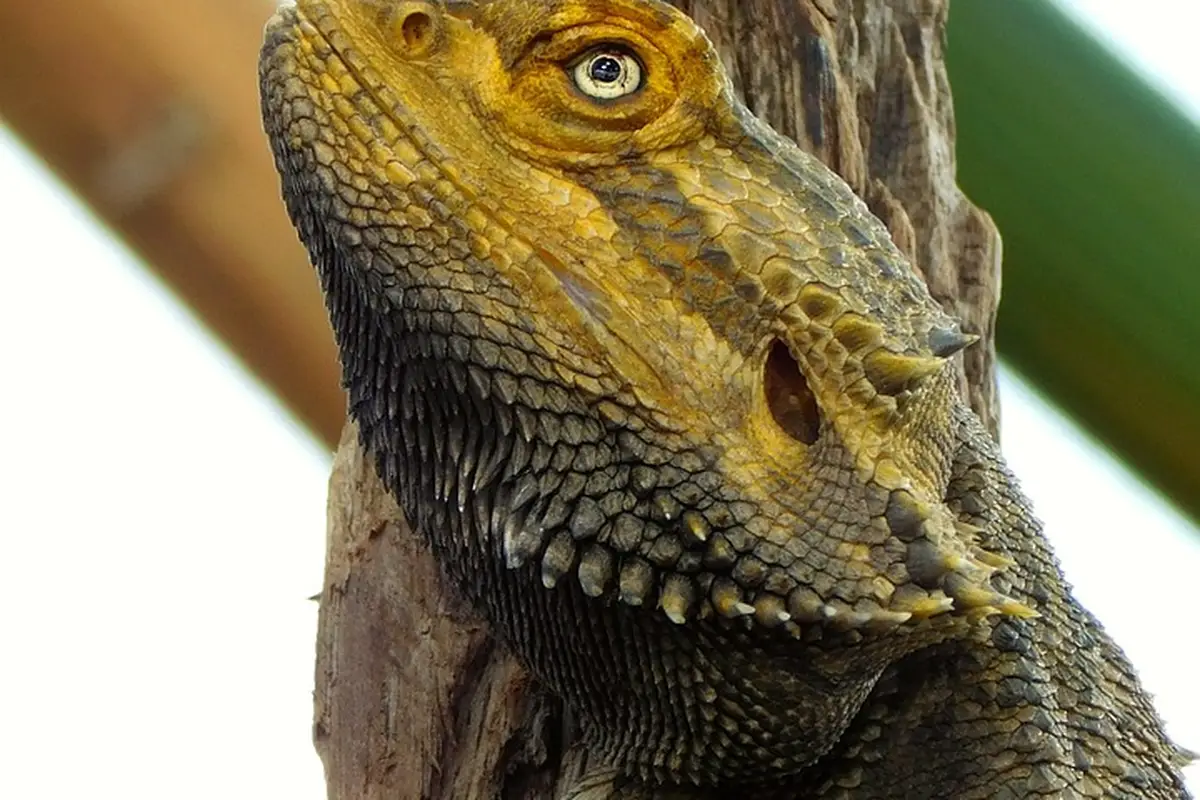
Knowing they see color so well lets us design a habitat that is not just safe, but truly engaging for them. It’s about working with their biology, not against it.
- Choose food bowls in a contrasting color to the substrate. A white bowl on a dark tile floor is much easier for them to spot.
- Incorporate toys and climbing structures in shades of red, orange, and blue to stimulate natural curiosity.
- Avoid an overwhelming amount of bright, reflective white decor, which can be stressful.
- Use darker colored hides to create a genuine feeling of security and darkness for rest.
- I once swapped my dragon’s green food bowl for a bright orange one, and he started eating his greens more reliably almost immediately.
Selecting Habitat Colors and Lighting
Think of their tank like their entire world. The colors and light you choose set the mood for their entire day.
For a calming environment that encourages natural behaviors, lean into earthy tones. I use a background with a mix of browns and tans, which makes my dragons feel camouflaged and secure. This contrasts nicely with their food and basking spots, making those areas pop visually. For lighting, you need a two-part system. A full-spectrum UVB light is non-negotiable for their physical health, including calcium absorption. Pair this with a bright white basking bulb for heat and visible light. This combination most closely mimics the bright, color-rich light of the Australian outback and keeps their visual world sharp and vibrant.
Frequently Asked Questions
Can bearded dragons see in the dark?
Bearded dragons are diurnal reptiles and have poor night vision, relying more on other senses in low light, so they benefit from a regular day-night cycle without artificial light at night. To learn more about how bearded dragons see in the dark, check out our complete guide to their vision.
Do bearded dragons recognize their owners by color?
They may associate specific colors with their owners, but recognition is primarily based on movement, shape, and scent rather than color alone.
Does a bearded dragon’s color vision change as they age?
Color vision generally stays consistent, but overall eyesight can decline due to age-related health issues, so monitor for changes and consult a vet if needed.
Final Thoughts
So, can bearded dragons see color? Absolutely, and their world is likely even more vibrant than our own. Their tetrachromatic vision means they perceive a rich spectrum of color, including UV light, which is fundamental to their health and behavior. This incredible ability influences everything from their appetite to their mood. This also ties into common questions about bearded dragon morphs and colors. Do certain morphs appear brighter under UV light, and how do lighting and genetics shape these hues?
Use this knowledge to create a more engaging and comfortable home for your pet. Choosing decor, food bowls, and even your clothing with their color perception in mind can make a real, positive difference in their daily life. I always consider the colors in my own dragons’ enclosures, and seeing them respond so positively is one of the great joys of caring for these remarkable animals.
Further Reading & Sources
- Do Bearded Dragons Have Good Vision? Color & Darkness
- How bearded dragons see: Enhance their care! – Total Bearded Dragon
- A Bearded Dragon’s Vision – An Interesting Set of Eyes | Atomic Lizard Ranch
Bearded Dragon Lair is the ultimate resource for bearded dragon enthusiasts, offering expert advice and practical tips to ensure the health and happiness of your scaly companion. With years of experience in reptile care, we are dedicated to providing accurate, up-to-date information to support your bearded dragon journey.
Heating and Lighting