
Can You Leave a Bearded Dragon Alone for a Weekend?
Published on: March 15, 2026 | Last Updated: March 15, 2026
Written By: Beardie Joe
Planning a short trip and wondering if your bearded dragon can handle a couple of days solo is a common worry for any reptile owner.
As someone who has cared for multiple beardies for years, I will share my firsthand setup tips and safety checks to ensure your pet stays healthy and stress-free.
We will explore essential prep steps, feeding and hydration solutions, and the clear signs that your dragon should never be left alone.
Is Your Bearded Dragon Suited for Solo Time?
Not every bearded dragon is a good candidate for a weekend alone. You must honestly assess your pet’s age, health, and unique personality before making this decision. A candid look at the pros and cons can help you decide if a bearded dragon is the right pet. Weigh these factors against your lifestyle and time for care. I’ve had dragons that were laid-back champions and others who needed daily interaction to stay happy.
Use this quick checklist to see if your dragon might handle a short absence:
- Is your dragon a healthy adult (over 18 months old)?
- Does it have a consistent, healthy appetite and regular bowel movements?
- Is its current weight stable and within a normal range?
- Is its behavior generally calm and not easily stressed by changes?
- Is its enclosure setup completely reliable with no recent equipment issues?
If you checked “no” to any of these, leaving your dragon alone is a much riskier choice.
Age and Life Stage Factors
A dragon’s age is one of the biggest factors in this equation. Juvenile bearded dragons (under 10 months) should never be left alone for a weekend. Their tiny bodies are growing factories that need constant fuel. This is especially important since young dragons are still in the growing phase and require more care compared to adults.
- Juveniles/Babies: They require multiple feedings of live insects every single day. Missing even one or two meals can impact their growth and health. Their hydration needs are also more frequent.
- Adults: A healthy adult dragon can technically go a weekend without eating. Their metabolisms are slower. This does not mean it’s ideal, but it is far less dangerous than for a baby. I would only ever consider leaving a robust, well-established adult alone.
Health and Temperament Check
Some health conditions automatically rule out a solo weekend. A sick dragon is a vulnerable dragon, and their condition can deteriorate with shocking speed.
Common health issues that make solo care too risky include:
- Respiratory infections
- Parasites
- Impaction or other digestive issues
- Injury or trouble moving
- Recent weight loss or refusal to eat
Personality matters, too. I’ve cared for a dragon that would glass-surf and stress if I was just an hour late with dinner. A naturally anxious or high-strung dragon will not handle your absence well and may stop eating out of stress. A mellow, predictable dragon is a much better candidate.
Understanding the Risks of Leaving Your Dragon Unattended
Going into a weekend alone without a plan is gambling with your pet’s welfare. The primary dangers are often silent and can become critical before you even return home.
- Critical Temperature Drop: Without heat, their digestion stops and their immune system crashes.
- Dehydration: These desert animals still need water, and dehydration happens fast.
- Missed UVB Exposure: Lack of UVB leads to Metabolic Bone Disease (MBD), a painful and crippling condition.
- Power or Equipment Failure: A blown bulb or tripped circuit can be a death sentence.
- Injury or Illness Onset: They could get hurt or sick with no one there to notice or help.
Temperature and Lighting Failures
Heat and UVB are not just comforts for your bearded dragon; they are biological necessities. Your dragon relies on you to recreate the desert sun, and that sun cannot set for two days. In our bearded dragon lighting guide, you’ll learn the right UVB requirements, heat lamp setup, and daily light cycles. A consistent day-night schedule supports healthy metabolism and activity.
The basking spot must stay at the correct temperature (around 95-110°F for adults) to allow for proper digestion of food. If the heat lamp fails and the tank drops to room temperature, undigested food can rot in their gut, leading to a life-threatening impaction. Similarly, without UVB light, they cannot synthesize vitamin D3, which is essential for calcium absorption. MBD can begin to develop in a surprisingly short time.
Hydration and Nutrition Gaps
While a healthy adult bearded dragon can survive a weekend without food, we should aim for more than just survival. Going 48 hours without fresh greens or insects is a significant stress on their system. For adults, a regular daily feeding routine helps prevent stress and maintain energy. Aim to feed daily with a balanced mix of greens and insects, adjusting portions to their size and activity level.
Dehydration is a more immediate threat. They get hydration from their fresh vegetables and from drinking water. A water bowl can evaporate quickly in a warm tank, leaving them with nothing to drink. Signs of dehydration, like sunken eyes or wrinkled skin, can appear within a day or two — even for a dragon already not eating. Dehydration compounds the problem severely.
Essential Weekend Prep: Your Bearded Dragon’s Survival Kit
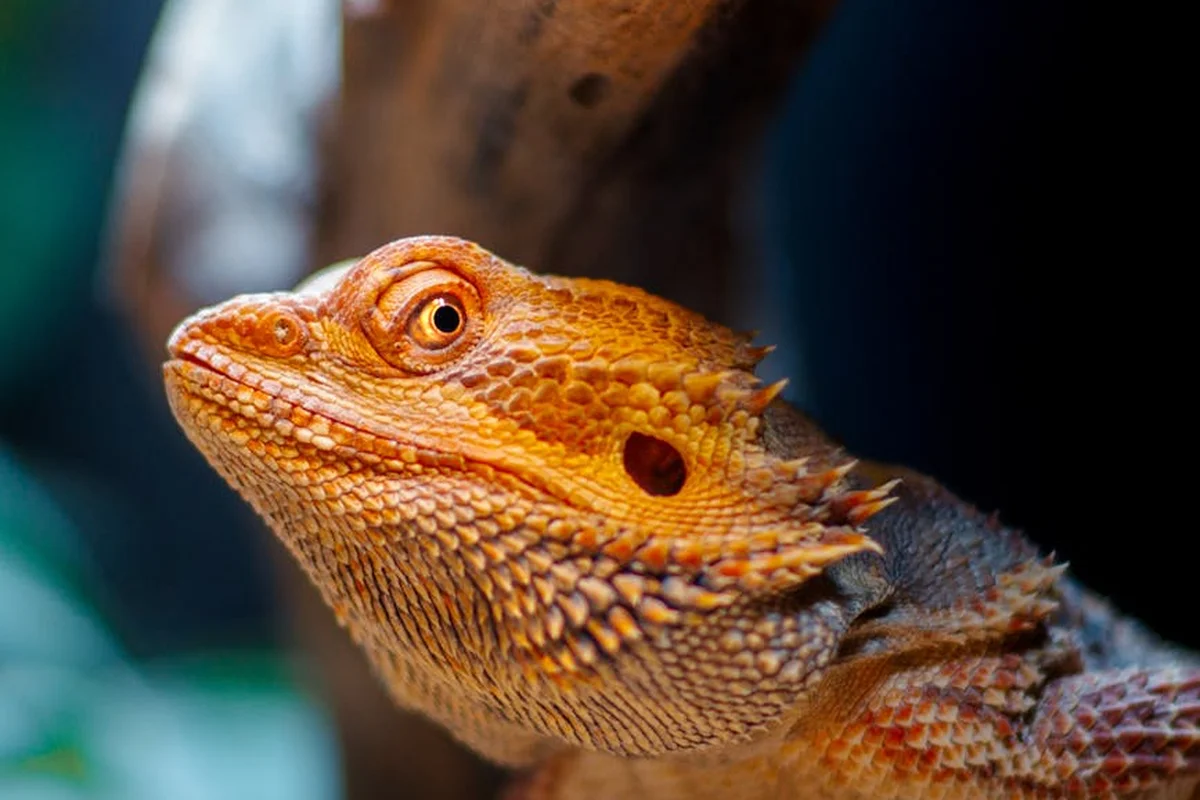
Getting ready for a weekend away isn’t just about packing your own bag. I always block out time 1-2 days before I leave to run through this exact checklist. This proactive routine ensures my dragons are safe and eliminates that last-minute panic.
- Perform a full, deep clean of the enclosure.
- Test all automatic timers for lights and heat sources.
- Set up and test-run any automatic feeders.
- Prepare and place a fresh, long-lasting salad.
- Double-check that all water dishes are clean and full.
- Secure all cage doors and lids to prevent any escapes.
Enclosure Setup and Cleanliness
A clean tank is a healthy tank, especially when you won’t be there to spot-clean. I take everything out-substrate, decor, the works. A thorough scrub down prevents harmful bacteria from growing while you’re gone.
- Remove and replace loose substrate like sand or completely clean non-loose liners.
- Scrub all tank walls, hides, and permanent decor with a reptile-safe disinfectant.
- Rinse everything thoroughly and let it dry completely to avoid fumes or dampness.
- Once dry, put back only the essential items: a secure hide, basking platform, and water dish.
- Remove any extra clutter that could tip over, trap your dragon, or just get soiled.
Timers for Lights and Heat
I learned the hard way that you can’t rely on manually turning lights on and off. A power outage once threw my schedule off and stressed my dragon for a day. Investing in reliable digital timers is non-negotiable for their day/night cycle and digestion.
- Use a separate timer for both the basking lamp and the UVB light.
- Set them to provide 12-14 hours of consistent light and heat each day.
- Plug the timers into a surge protector to guard against power spikes.
- Do a full 24-hour test run before you leave to ensure everything clicks on and off perfectly.
Food and Water Solutions
Keeping food and water fresh is one of the biggest hurdles for a weekend trip. I use a simple automatic feeder for greens, but I’m very picky about which one. Choose a feeder with a cool, dark compartment to keep veggies from wilting in the heat of the tank.
- For water, use a heavy, tip-proof ceramic bowl to prevent spills that raise humidity.
- Only fill the water dish with enough fresh water to last the weekend; stagnant water grows bacteria quickly.
- If your tank is very dry, a quick light mist on some salad greens can provide hydration without a full water bowl.
Feeding Strategies for Short-Term Absence
You have two main paths for feeding: relying on live insects or focusing on a vegetable platter. I’ve tried both over the years. Your best choice often depends on your dragon’s age, as juveniles need more protein than adults. If you’re wondering should I feed my bearded dragon daily, a complete feeding guide can help you plan a balanced daily menu. It walks you through portions by age and what to rotate each day.
- Live Insect Route: Good for younger dragons. Requires careful planning to prevent insects from hiding or bothering your pet.
- Vegetable-Only Route: Ideal for most adult dragons for a 2-3 day period. It’s safer and less messy.
- Automatic Feeders: Great for dispensing greens. I don’t recommend them for live insects due to escape and spoilage risks.
Live Insect Feeding Plans
If you must leave live insects, dubia roaches are your safest bet. They are less likely to bite or stress your beardie than crickets. Never dump a large quantity of insects into the tank; it can overwhelm and even injure your pet.
- Use a dedicated, escape-proof feeding dish with slick, vertical sides.
- Place only enough gut-loaded insects for one meal right before you leave.
- Do not leave more than a single serving. Hungry crickets can nibble on a sleeping dragon.
- Remove any uneaten insects when you return to clean up the enclosure.
Vegetable and Greens Preparation
For a weekend trip, a well-made salad is the most stress-free option for you and your dragon. The key is choosing veggies that hold moisture without getting slimy. A hearty mix of collard greens, dandelion greens, and shredded squash will stay fresh and appealing for days.
- Start with a base of sturdy greens like collard, mustard, or turnip greens.
- Add in hydrating but firm items like bell pepper strips or zucchini coins.
- Avoid watery items like lettuce or tomatoes, which spoil quickly.
- Lightly spray the salad with water before placing it in a cool spot in the tank to provide hydration.
Emergency Readiness and Safety Precautions
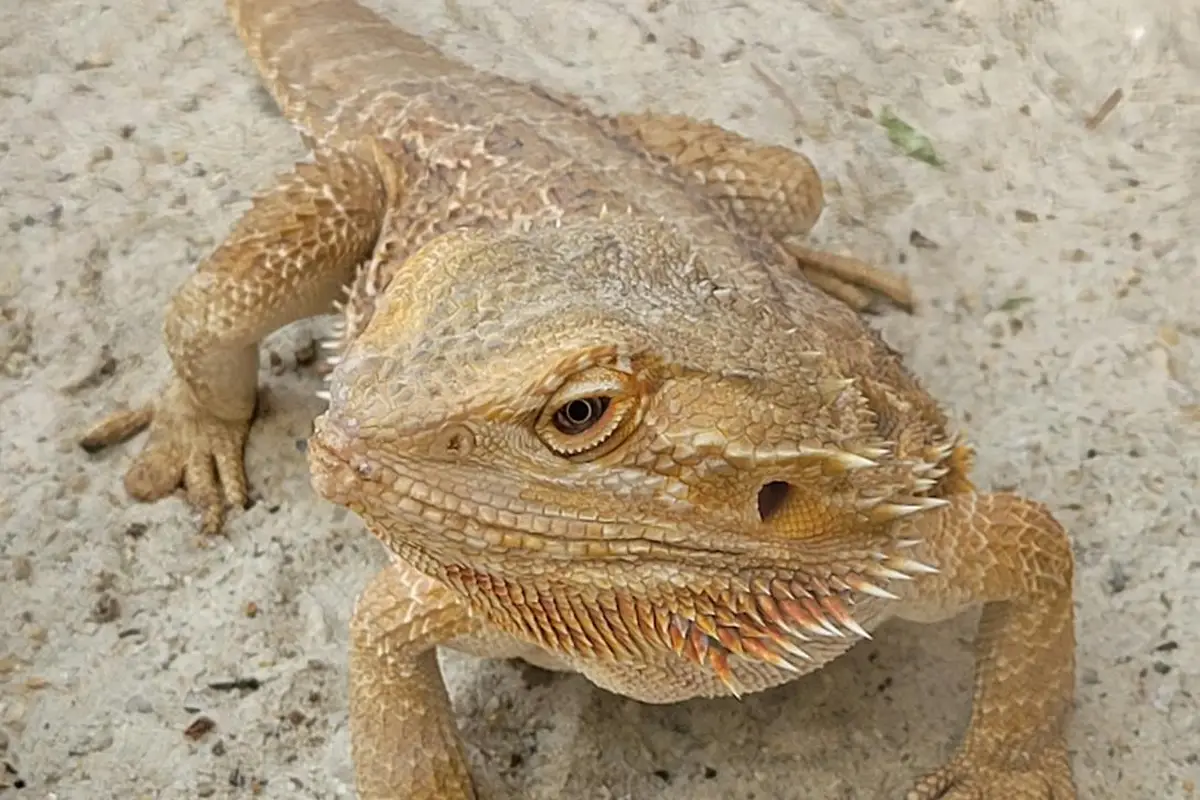
Planning for the worst is the best way to ensure your bearded dragon’s safety while you’re away. A solid emergency plan isn’t just a good idea-it’s a non-negotiable part of responsible pet ownership. I keep a brightly colored folder on my fridge with everything a responder would need.
- Your primary veterinarian’s phone number, address, and after-hours emergency contact.
- A trusted friend or neighbor’s contact information who has a key and basic instructions.
- A list of approved backup heat sources, like battery-operated heat packs.
- A signed note authorizing emergency veterinary care for your dragon, including a spending limit.
Power Outage and Backup Heat
I’ve experienced a few brief power scares, and the panic is real. Bearded dragons rely on external heat to digest their food and stay healthy. Losing your primary heat source is the single biggest risk during a weekend absence. Prepare with these steps. When temperatures dip below safe levels, a bearded dragon can become seriously at risk. For that reason, the bearded dragon critical temperature guide outlines safe temperature ranges and quick actions to take.
- Invest in uninterruptible power supply (UPS) units for your dragon’s main heat lamp and thermostat. This provides a short-term buffer.
- Purchase reptile-specific, long-lasting heat packs. These are the kind used for shipping reptiles and can provide warmth for 24-48 hours.
- Place the heat packs on the *outside* of the tank glass, on the warm side, and monitor the temperature with a reliable thermometer you can check remotely.
- Insulate the tank by draping blankets over three sides and the top (while ensuring ventilation) to help retain ambient heat.
Stress Signs and Health Monitoring
Even with perfect setup, dragons can get stressed by the change in routine. Knowing how to spot stress signs remotely can help you intervene before a small issue becomes a big problem. Ask your pet sitter or watch your cameras for these behaviors. Spotting these signs early can also help you reduce your bearded dragon’s anxiety by adjusting their routine and surroundings. Being proactive keeps them calmer and easier to care for.
- Glass Surfing: Frantically scratching at the glass walls. This indicates stress or a desire to escape an uncomfortable environment.
- Lethargy: Unusual lack of movement or failure to bask. This can signal a temperature problem or illness.
- Loss of Appetite: Refusing food for more than a day or two is a major red flag.
- Black Beard: A beard that turns dark black, even when not puffed out, is a clear sign of stress, discomfort, or illness.
If your dragon shows any of these signs, your emergency contact or vet should be notified immediately.
Alternatives to Leaving Your Dragon Alone
Sometimes, the safest choice is to not leave them alone at all. Exploring alternatives gives you peace of mind and ensures your dragon’s well-being is never compromised. Here’s a quick comparison of your main options.
| Option | Pros | Cons |
|---|---|---|
| Reptile-Savvy Pet Sitter | Dragon stays in its familiar home. One-on-one attention. Can follow specific routines. | Can be expensive. Requires trust and thorough vetting. May not be available last-minute. |
| Professional Boarding | Staffed by experts. Built-in emergency protocols. All equipment provided. | Transportation stress for your dragon. Exposure to other animals’ germs. Can be costly. |
| Remote Monitoring | Allows you to check in visually. Less intrusive than a sitter. Good for very short trips. | No physical help if something goes wrong. Relies on technology that can fail. |
Using a Reptile-Savvy Pet Sitter
Finding the right person is key. I don’t use a general pet sitter; I look for someone with specific reptile experience. A proper briefing is what separates a good pet sitter from a great one. Create a simple care sheet for them.
- Feeding: Exactly what to feed, how much, and when. Note any supplements.
- Lighting: A simple schedule for when lights should be on and off.
- Temperature Checks: Show them how to read the thermometers and what the ideal ranges are.
- Emergency Contacts: Your number, the vet’s number, and your backup contact.
- Behavior Notes: What’s normal for your dragon and what is a sign of trouble.
Boarding and Professional Care
Many exotic vet clinics and specialized reptile stores offer boarding services. A high-quality boarding facility will welcome a pre-visit inspection and answer all your questions confidently. Always do your homework before you book.
- Ask about their cleaning and quarantine protocols to prevent disease spread.
- Confirm they can accommodate your specific setup needs, like UVB lighting.
- Check online reviews and ask for references from other bearded dragon owners.
- Understand the costs upfront, which can range from $20 to $50 per night depending on the level of care.
- Ensure they have a veterinarian on call or a direct relationship with a nearby animal hospital.
Remote Monitoring and Daily Checks
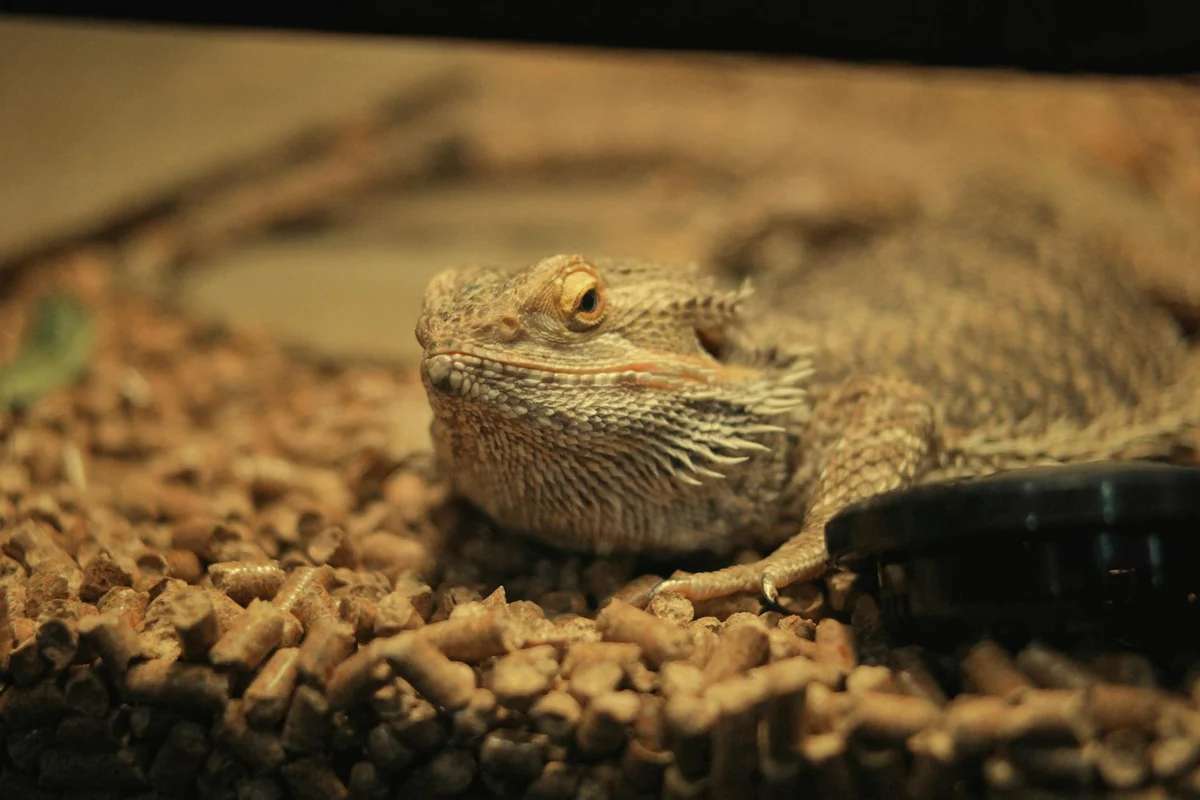
When I have to step out for a weekend, I rely on technology to keep an eye on my bearded dragons. Installing a security camera is my go-to method for quick visual checks without disturbing their routine. It lets me spot any issues early and ensures they’re safe while I’m away.
Set up a simple daily routine for remote observation to stay connected:
- Check the live feed first thing in the morning and right before bed.
- Scan for any sudden changes in behavior or environment.
- Note if your dragon is active during their usual basking times.
- Keep an eye on food and water levels to gauge their well-being.
Setting Up a Security Camera
Proper camera placement makes all the difference in monitoring your pet effectively. I always position my camera to capture both the basking spot and the food dish, giving me a full view of key areas. This setup helps me catch problems like a burned-out bulb or uneaten meals quickly.
- Mount the camera at an angle that covers the entire enclosure, avoiding glare from heat lamps.
- Choose a model with wide-angle lenses to minimize blind spots.
- Use apps like Wyze or Blink for motion alerts and live streaming on your phone.
- Test the camera’s night vision to monitor your dragon during their sleep cycle.
Virtual Daily Inspection Routine
Each day, I spend a few minutes reviewing the camera feed to ensure everything is normal. Focus on three main areas: activity, eating habits, and habitat conditions to spot red flags fast. This routine has saved me from emergencies more than once.
- Activity Levels: Watch for normal movement like climbing or basking; lethargy can signal health issues.
- Food Consumption: Look for evidence of eating, such as empty food dishes or leftover greens.
- Enclosure Conditions: Verify temperatures are stable, lights are on schedule, and no hazards like spilled water are present.
Frequently Asked Questions
How long can a bearded dragon safely be left alone without supervision?
A healthy adult bearded dragon can typically handle a weekend alone with proper preparation, but any longer requires a pet sitter or boarding to avoid risks like dehydration or equipment failure. Always assess your dragon’s health and setup before deciding, especially considering how long they can be out of their cage and left alone.
What are the key elements of a bearded dragon’s emergency kit?
An emergency kit should include backup heat sources like reptile-safe heat packs, your veterinarian’s contact information, and a clear care sheet for any responders. This ensures quick action if issues like power outages or health problems arise.
How do I choose the right automatic feeder for my bearded dragon?
Select an automatic feeder with a cool, dark compartment to keep greens fresh, and avoid models for live insects due to escape and spoilage risks. Test it before use to ensure it dispenses food reliably without malfunctions.
The Final Verdict
So, can you leave a bearded dragon alone for a weekend? Yes, a healthy adult bearded dragon can typically manage a two-night, three-day weekend with the right preparation. I’ve done this myself with my own dragons, and the peace of mind comes from knowing you’ve set up a failsafe environment. The key is ensuring their heat, light, and hydration are completely sorted before you walk out the door. A complete feeding schedule should be part of that plan—knowing how often to feed your bearded dragon (and what to offer) helps keep nutrition steady while you’re away. For many adults, meals are typically given every 2-3 days, so you can pre-portion ahead of time.
For any trip longer than a weekend, arranging for a pet sitter is non-negotiable. Their well-being always comes first, and a quick check-in from a responsible person can prevent a minor issue from becoming an emergency. With a solid plan, you can enjoy your time away, confident your scaly friend is safe and sound.
Further Reading & Sources
- How Long You Can Leave Your Bearded Dragon Alone and How to Do It – Beardie Bungalow
- HOW TO LEAVE YOUR BEARDED DRAGON HOME ALONE | or with sitter! – YouTube
- How Long Can You Leave a Bearded Dragon Alone? | PetMojo
Bearded Dragon Lair is the ultimate resource for bearded dragon enthusiasts, offering expert advice and practical tips to ensure the health and happiness of your scaly companion. With years of experience in reptile care, we are dedicated to providing accurate, up-to-date information to support your bearded dragon journey.
Temperature Control Devices