
Are Bearded Dragons Dangerous? Understanding Bites, Risks, and Safety
Published on: March 17, 2026 | Last Updated: March 17, 2026
Written By: Beardie Joe
If you’re considering a bearded dragon, you might be asking yourself if they’re truly safe pets-I had the exact same worry when I brought my first one home.
With years of hands-on care for my own bearded dragons and a deep focus on reptile welfare, I’m here to give you the honest, experience-backed answers you need.
We’ll break down the real story behind bearded dragon bites, uncover the actual risks involved, and share my top safety practices for peaceful cohabitation.
Understanding Bearded Dragon Temperament and Bite Risk
In all my years of sharing my home with these incredible reptiles, their default setting is overwhelmingly calm and tolerant. Bearded dragons are naturally docile creatures that prefer a peaceful existence over any form of confrontation. They are the couch potatoes of the lizard world, more interested in basking under their heat lamp than picking a fight.
A bite is never their first, or even second, option. It is a final, desperate signal that they feel threatened and see no other way out. Biting is a last-resort defensive behavior, not an act of true aggression. Think of it as their way of yelling “stop” when all their other quiet whispers have been ignored.
They give you plenty of warnings if you know what to look for. Paying attention to these stress signals is the key to preventing a bite entirely.
- A black, expanded “beard,” even when not puffing it out fully.
- Gaping their mouth open in a defensive posture while flattening their body.
- A rapid, side-to-side arm wave, which is a submissive “I’m no threat” gesture.
- Hissing, a clear auditory cue that they are feeling defensive.
- Attempting to flee or hide from your hand when you reach in.
Why Bearded Dragons Bite and What It Feels Like
Understanding the ‘why’ helps you see the situation from their perspective. Bites almost always stem from a simple misunderstanding or a moment of panic.
- Fear or Self-Defense: This is the most common reason, especially in new or poorly socialized dragons. A sudden grab or a looming shadow can trigger their instinct to protect themselves.
- Mistaken Identity (Food Response): If you’ve just handled feeder insects like crickets or worms, your fingers can smell like lunch. A quick-moving digit can look an awful lot like a wiggly worm to a hungry dragon.
- Hormonal Territoriality: During breeding season, mature males can become more territorial and may nip to assert dominance.
So, what does it feel like if they do bite? Most owners are surprised by how underwhelming it is. The sensation is far less severe than a dog or cat bite and is best described as a strong, sudden pinch. It’s more shocking than it is painful.
You might feel a bit of pressure and a quick sting. There is rarely any significant bleeding, just perhaps a small mark or two. From my experience, the biggest risk isn’t the pain, but the instinct to jerk your hand away, which could accidentally hurt your dragon.
This is because of their mouth structure. Bearded dragons have a row of small, sharp teeth that are fused to their jawbone. They are not designed for tearing flesh. Their teeth are meant for gripping and crushing the hard shells of insects and fibrous plants. Unlike animals with specialized teeth for predation, they lack the long canines or powerful jaw muscles of a predator that bites to inflict damage.
Essential Safety and Handling for a Happy Pet
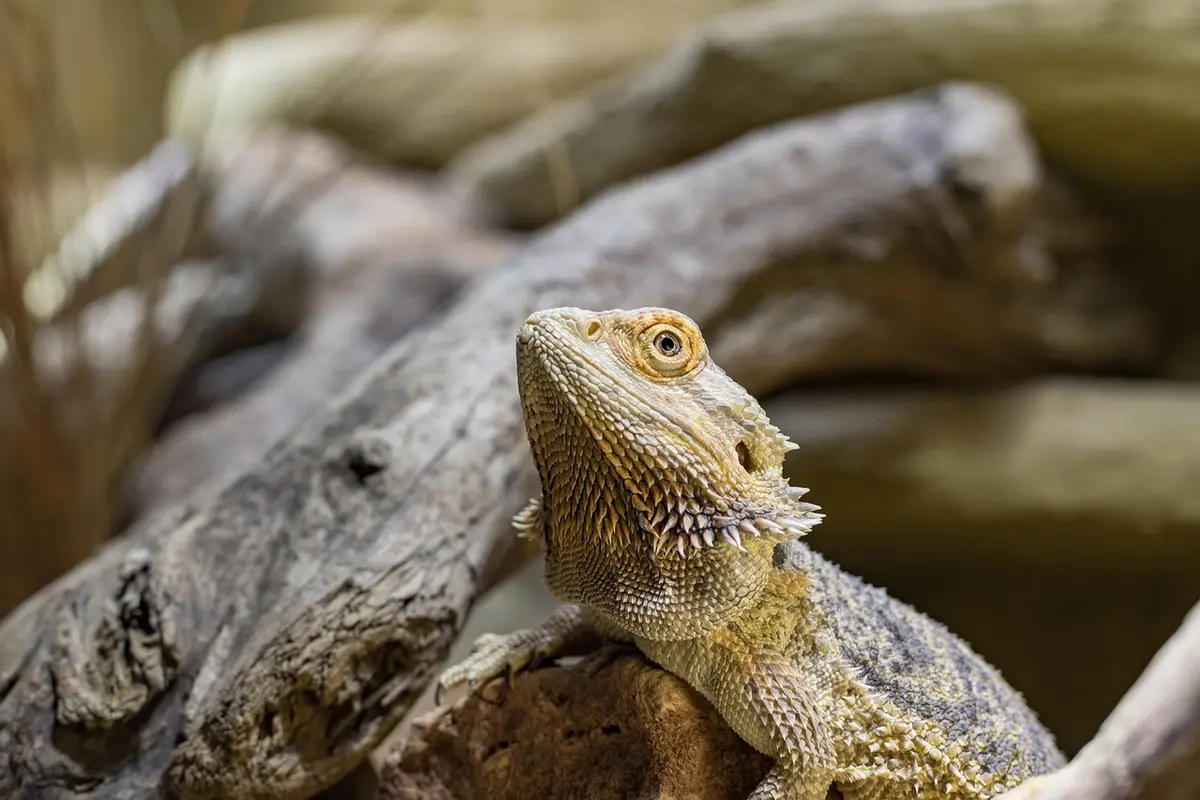
Building a bond with your bearded dragon is one of the most rewarding parts of ownership. Proper handling isn’t just about your safety; it’s about making your scaly friend feel secure and trusting of you. I’ve spent years building trust with my dragons, and it always starts with patience and respect for their space.
Your Step-by-Step Guide to Safe Handling
Follow these steps every time you interact with your dragon to build a positive association with your hands.
- Move slowly and deliberately when you approach the enclosure. Sudden, fast movements look like a predator attack to them.
- Place your hand in the tank, palm down, and let them see you for a moment. Don’t reach from above, as that can also mimic a bird of prey.
- Gently slide your hand under their chest and front legs, using your fingers to support their body.
- Lift with a smooth, confident motion, always supporting their entire body and letting their tail rest along your arm.
- Hold them close to your body or sit down with them on your lap. The warmth and stability are comforting.
How the Right Home Prevents Stress
A stressed dragon is more likely to be a defensive dragon. Getting the enclosure basics right is your first and most powerful line of defense against fearful behavior, including biting. I learned this the hard way with my first beardie, whose stress levels plummeted after I fixed his lighting.
- UVB Lighting: This is non-negotiable. Without proper UVB, they cannot metabolize calcium, leading to Metabolic Bone Disease (MBD), a painful condition that can make them irritable.
- Correct Heat Gradient: They need a hot basking spot (around 95-110°F) and a cooler side (around 80-85°F). Being unable to properly thermoregulate causes immense stress.
- Secure Hides: Provide at least one good hide on each end of the tank. Having a safe place to retreat makes them feel in control of their environment.
Taming Your New or Skittish Dragon
If your dragon is new or particularly nervous, these techniques can work wonders.
- Hand Feeding: Offer favorite treats like blueberries or small pieces of squash from your fingertips. This builds a positive connection with your presence.
- The Shirt Method: Place a recently worn t-shirt (one you don’t mind getting a little dirty) in their enclosure. This helps them get used to your unique scent in a non-threatening way.
- Short, Positive Sessions: Keep handling sessions brief at first-just 5 to 10 minutes. End on a good note, perhaps with a small treat, before they start to struggle.
First Aid and When to Seek Veterinary Care
Even with the best handling, a bite can sometimes happen. It’s usually more shocking than it is harmful, but you should always take it seriously.
Immediate First Aid for a Bite
If you do get nipped, don’t panic. Follow these steps right away.
- Remain calm and gently encourage your dragon to release, if they haven’t already. Don’t pull away sharply.
- Wash the wound thoroughly with warm water and soap for at least two full minutes.
- Apply an antibiotic ointment like Neosporin (one without pain reliever) to the area.
- Cover the bite with a clean bandage or adhesive strip.
Thorough cleaning is the single most important step to prevent infection from any animal bite. I keep a small reptile first-aid kit in the same cabinet as my dragon’s supplies, so it’s always on hand.
Signs of Infection to Watch For
Monitor the bite site closely over the next few days. You should call a doctor if you notice any of these signs.
- Increasing redness, swelling, or warmth around the wound.
- Pus or discharge that is yellow or green.
- Red streaks spreading from the bite area.
- Throbbing pain that gets worse instead of better.
- You develop a fever or chills.
When Your Bearded Dragon Needs the Vet
Sometimes, a new habit of biting is a cry for help from your pet. A sudden change in behavior is often the first and only sign that your bearded dragon is sick or in pain. These changes can also reflect stress, fear, or environmental issues, which can lead to odd behavior, escape attempts, or aggression. We’ll explain the common causes and responses appropriately.
You should schedule a veterinary appointment if the biting is a new, persistent behavior, especially if it’s accompanied by other symptoms like lethargy, lack of appetite, black bearding for long periods, or hiding constantly. A reptile-savvy vet can check for underlying health issues like impaction, parasites, or injury that are causing your normally calm dragon to act out.
Zoonotic Risks and Household Hygiene
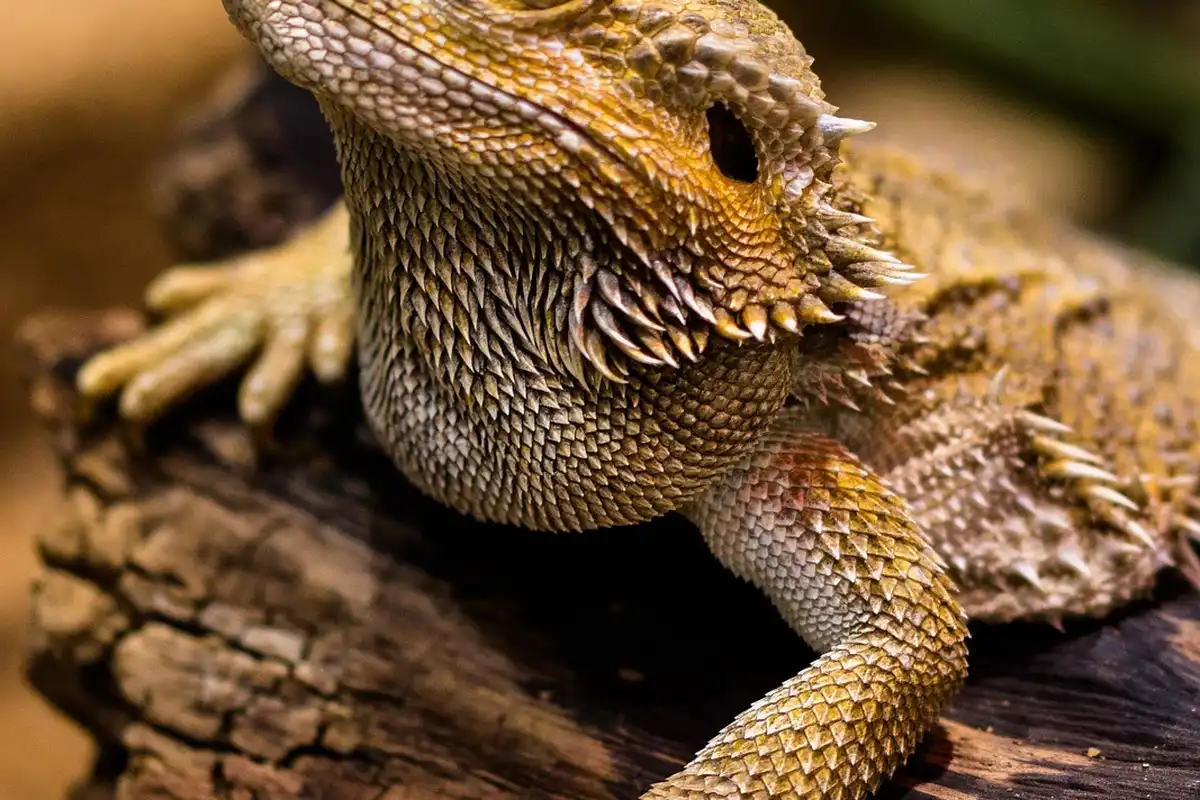
Many new owners are surprised to learn that bearded dragons can carry Salmonella, a type of bacteria, even when they appear perfectly healthy. This bacteria lives harmlessly in their gut but can be present in their droppings and on their skin, posing a risk to humans. To stay safe from Salmonella, practice thorough handwashing after handling your bearded dragon or cleaning its enclosure. Avoid touching your face or food until you’ve washed. I’ve had my own scare years ago when a family member fell ill after handling one of my dragons without washing up, which really drove home the importance of simple hygiene. Transmission happens through the fecal-oral route, meaning you can accidentally ingest the bacteria if you touch a contaminated surface or your pet and then touch your mouth or food.
Protecting your household is straightforward with consistent habits. Always make handwashing the non-negotiable final step of any dragon interaction. Here is my go-to list of practices that have kept my home safe for over a decade.
- Wash your hands thoroughly with soap and warm water for at least 20 seconds after you handle your dragon or clean its enclosure.
- Use a dedicated sink for washing reptile-related items, not the kitchen sink where you prepare food.
- Clean and disinfect the habitat and decorations weekly with a reptile-safe cleaner or a diluted bleach solution.
- Never allow your bearded dragon to roam freely in kitchens, dining areas, or on countertops.
- Avoid kissing your pet or letting it touch your face.
While anyone can get sick, certain groups are far more vulnerable to severe infection. Young children under five, the elderly, pregnant individuals, and people with compromised immune systems must take extra precautions or avoid handling the animal altogether. In my home, we have a strict rule that my young niece only looks and never touches unless she is directly supervised and washes her hands immediately after.
Child Safety and Injury Prevention in the Home
Bearded dragons are generally docile, but mixing them with the boundless energy of children requires a careful approach. Constant, direct adult supervision is the single most important factor in preventing accidents and ensuring positive interactions for both the child and the animal. I never leave my dragons alone with kids, not even for a moment, because a sudden grab or a fall can happen in a flash.
Setting clear, simple rules helps children understand how to behave. Teach your kids these basic guidelines to follow every time they are near your pet.
- Always sit on the floor when holding the dragon to minimize the distance of a potential fall.
- Use slow, gentle movements and avoid loud noises that could startle it.
- Keep all fingers away from the dragon’s mouth and head.
- Let the dragon walk onto an open hand instead of picking it up from above, which can feel like a predator attack.
- Wash hands with soap and water immediately after any contact.
Where and how you house your dragon’s enclosure is a major part of safety. Place the tank on a low, sturdy piece of furniture that is unlikely to tip over, like a solid wood stand. I learned this the hard way when an old, wobbly table nearly sent a tank crashing. Make sure the enclosure has secure, lockable doors or a heavy, well-fitted screen top to prevent any clever escape attempts. Keep it out of high-traffic hallways and away from edges where it could be accidentally bumped.
Is a Bearded Dragon the Right Pet For Your Home?
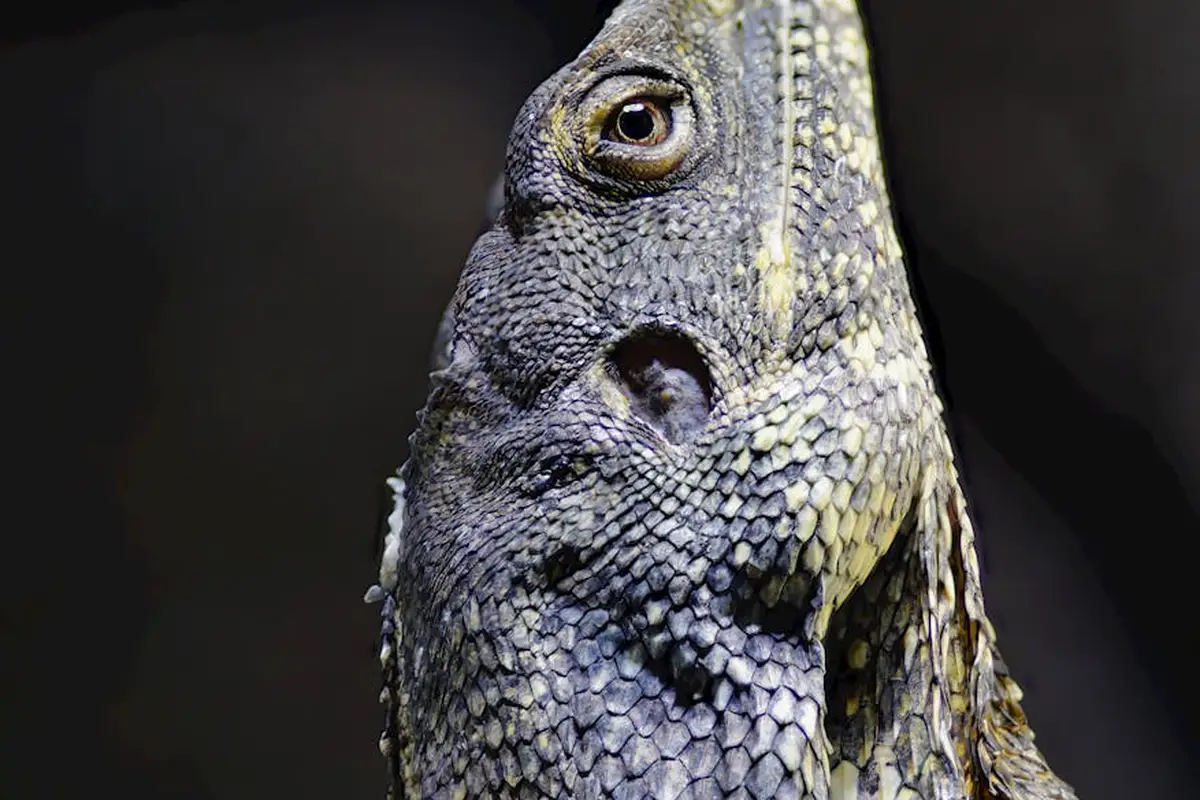
Before you bring home that adorable little dragon, it’s worth taking a quiet moment to look at your own life. I’ve made the mistake of impulsive pet purchases before, and it’s not fair to the animal. Bearded dragons are wonderful, but they thrive in the right environment, not every environment. A candid look at the bearded dragon’s needs helps you weigh the pros and cons of making it your pet. Is a bearded dragon the right pet for your family?
Assessing Your Lifestyle and Home
Think about your daily routine. Beardies are diurnal, meaning they’re awake during the day, just like us. This is great for interaction! But they also require a strict schedule of light, heat, and feeding.
- Do you work long, unpredictable hours? A bearded dragon’s habitat needs consistent daily maintenance.
- Is your home generally quiet and calm? While not overly skittish, they do best without constant loud noises or chaos.
- Do you have young children? With supervision and teaching, kids can learn gentle handling. Without it, the dragon can get stressed.
- Do you travel frequently? You’ll need a reliable and knowledgeable pet sitter who understands reptile care, which can be harder to find than a dog sitter.
The Long-Term Commitment: Size and Lifespan
That tiny, palm-sized baby at the pet store won’t stay small for long. This is a commitment I remind every prospective owner about.
- Adult Size: A healthy adult bearded dragon will grow to a solid 16 to 24 inches long. You need a tank that is a minimum of 4 feet long by 2 feet wide to house an adult comfortably. This is a substantial piece of furniture.
- Lifespan: This is the big one. With proper care, a bearded dragon can live 10 to 12 years, sometimes even longer. I’ve had my oldest, Gimli, for over a decade. You are making a decade-long promise to care for a living creature. Consider your life plans-moving, career changes, starting a family-and how a dragon fits into that long-term picture.
Weighing the Personality and Care Needs
Let’s be real about what life with a beardie is actually like. They have a unique charm and a set of specific demands.
The Pros (The Good Stuff!)
- They are famously docile and often enjoy human interaction once they’re comfortable.
- Their personalities are delightful. Watching them “arm wave” or head bob is endlessly entertaining.
- They are relatively quiet pets, making them great for apartments.
- They are hardy reptiles, which makes them a good first reptile for a dedicated beginner.
The Cons (The Reality Check)
- The initial and ongoing costs are significant. The tank, lighting, heating, and decor are a major upfront investment. Then there’s the cost of fresh greens and live insects.
- Their diet is specific and requires effort. You need a reliable source for live feeder insects like crickets and dubia roaches.
- They need specialized veterinary care. A regular cat-and-dog vet won’t do; you need an exotic animal vet, which can be more expensive and harder to find.
- Their habitat requires daily spot-cleaning and a deep clean regularly. It’s a commitment to hygiene.
From my experience, the joy of sharing your life with a bearded dragon comes from embracing the entire package. They are not a low-maintenance pet, but for the right person, they are an incredibly rewarding one. Be honest with yourself about the responsibility, and you’ll know if your home is the right one. If you’re a complete beginner, a take-care bearded dragon complete beginners guide can help you cover the basics of setup, lighting, and daily care. It’s a practical resource to get you started on a healthy, happy bearded dragon.
Frequently Asked Questions
Are bearded dragons safe for households with young children?
Yes, with constant adult supervision and proper hygiene, bearded dragons can be safe around children. Teach kids to handle them gently and wash hands immediately after contact to prevent any risks.
Can bearded dragons live with other pets like cats or dogs?
It’s not advisable to house bearded dragons with other pets unsupervised, as they can stress each other or cause injuries. Always monitor interactions closely between different pets and keep them separated when not directly supervised.
Are there any common allergies to bearded dragons?
Allergies to bearded dragons are rare, but some people might react to their dander or shed skin. Bearded dragon allergies can show up as itchy eyes, sneezing, or skin reactions in sensitive individuals. If you have allergies, spend time with one before committing and consult a doctor if concerns arise.
Final Thoughts
After years of caring for these spiky companions, I can confidently say a well-cared-for bearded dragon is one of the safest reptile pets you can welcome into your home. The greatest danger they pose is not from aggression, but from the potential for minor, accidental nips that are almost always our own fault. Their gentle, curious nature shines through when they feel secure and are handled with respect. Even when a dragon seems scared or a bit aggressive, properly picking it up—supporting the chest and hind legs and keeping it close to your body—can prevent nips and stress. With patience and calm, you can safely handle even wary bearded dragons, turning handling into trust.
Ultimately, the safety of your relationship with your bearded dragon rests in your hands. By providing a proper habitat, learning to read their unique body language, and handling them with gentle confidence, you build a bond of trust that makes the idea of them being ‘dangerous’ simply laughable. They are not predators to be feared, but unique personalities to be understood and cherished.
Further Reading & Sources
- Do Bearded Dragons Bite? Is It Dangerous? – A-Z Animals
- Understanding Bearded Dragon Bites: How Painful Are They? – GotFeeders
- Bearded Dragons Bite: How Hard and What It Means for You
Bearded Dragon Lair is the ultimate resource for bearded dragon enthusiasts, offering expert advice and practical tips to ensure the health and happiness of your scaly companion. With years of experience in reptile care, we are dedicated to providing accurate, up-to-date information to support your bearded dragon journey.
Handling Best Practices