What to Do When Your Bearded Dragon Is Brumating
Published on: March 21, 2026 | Last Updated: March 21, 2026
Written By: Beardie Joe
If your bearded dragon has suddenly become a sleepy, inactive lump, you’re likely witnessing brumation.
As an experienced owner of multiple bearded dragons, I’ve guided many pets through this natural cycle and I’m here to help you do the same.
We’ll cover how to confirm it’s brumation, the essential setup changes to make, and the key health signs to watch for.
Understanding Bearded Dragon Brumation
Brumation is a natural, dormant state that bearded dragons enter, typically during the cooler months. It’s their version of a long, deep rest. This is not the same as a mammal’s hibernation, as their sleep is not continuous and they will occasionally wake for water or to shift position. It’s normal and healthy for them. I’ve observed my own dragons during this period, and it’s a fascinating, instinct-driven process.
In the wild, this cycle is a survival strategy for when food becomes scarce and temperatures drop. For our captive pets, it’s a deeply ingrained biological rhythm. Allowing a healthy dragon to brumate supports their long-term health by honoring their natural instincts. Think of it as their body’s way of hitting the reset button for the coming active season. During brumation, feeding is generally paused. After brumation, reintroduce food gradually with small, easily digestible meals.
You’ll usually notice the signs as days grow shorter in the fall or early winter. Brumation can last from a few weeks to several months, varying greatly from one dragon to the next. My first dragon, Boris, would start slowing down like clockwork every October, while another of my rescues has a much less predictable schedule.
Recognizing the Signs of Brumation
Your dragon’s behavior will give you the first clues. The most common signs are a significant drop in energy and a desire to hide.
- Sleeping for much longer periods or appearing lethargic when awake.
- Choosing to stay in their hide or a dark corner of the enclosure for days on end.
- A clear and often sudden disinterest in exploring or basking.
The physical changes are just as telling. A dramatic loss of appetite is one of the most consistent signs, so don’t be alarmed if they refuse their favorite bugs or greens. You might also see them moving very little, and their bowel movements will slow down or stop entirely as their digestive system grinds to a halt.
It’s vital to distinguish this from other common issues. A dragon that is shedding may also be grumpy and hide, but they will not completely stop eating for weeks. Normal sleep happens daily, but a brumating dragon’s lethargy is persistent and profound. If you see other symptoms like weight loss while actively eating, labored breathing, or signs of weakness, that’s likely illness, not brumation, and requires a vet. Make sure to check for physical signs and symptoms to differentiate between health issues and natural brumation.
How Long Brumation Lasts and What to Expect
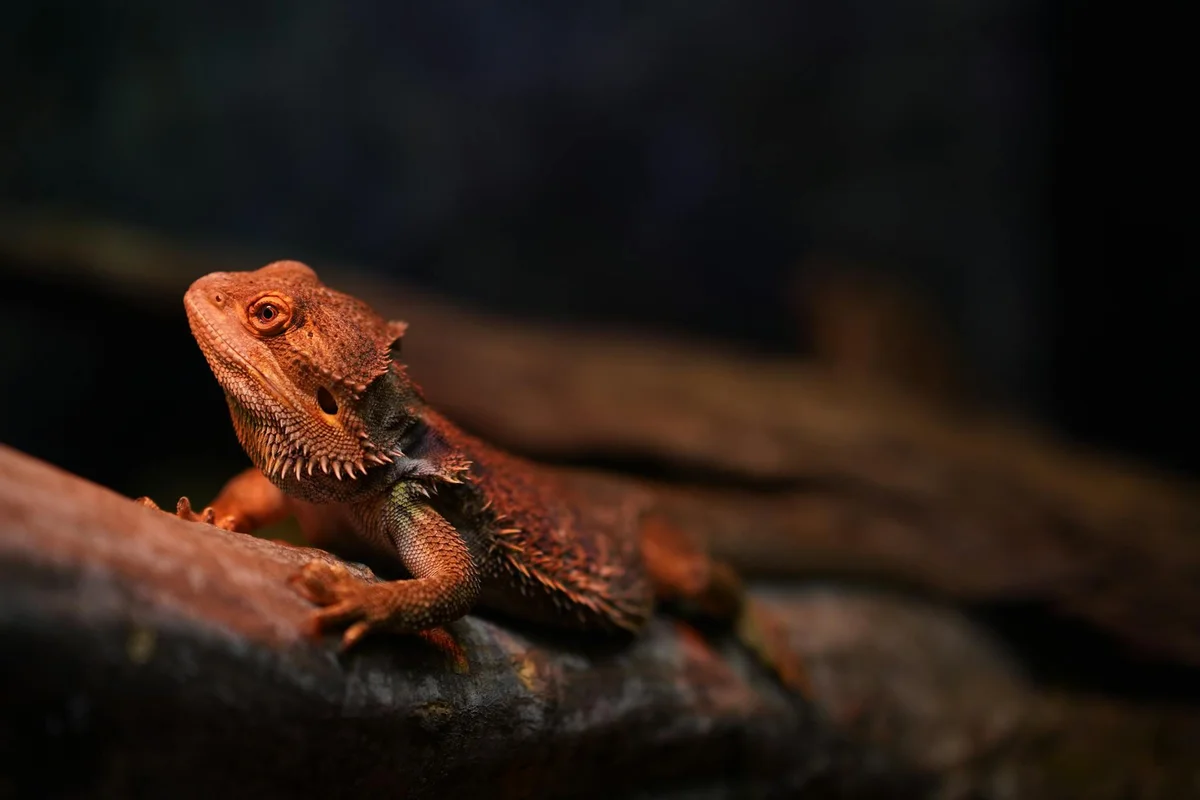
Brumation isn’t a one-size-fits-all nap. It can last anywhere from a few weeks to a solid four or five months. I’ve had one dragon sleep for a breezy three weeks and another who decided to clock out for almost the entire winter. Some bearded dragons, especially babies, show longer or more variable sleep hours as they grow and prep for brumation. Tracking these patterns can help you understand whether their sleep is normal or a sign of a problem.
- Duration Ranges: You can expect this period of reduced activity to last between 3 to 5 weeks on the shorter end, and 3 to 4 months on the longer, more typical end.
- Influencing Factors: The length is heavily influenced by your dragon’s age, health, and even the local climate where you live. An older, healthy dragon might brumate longer than a younger one. Colder room temperatures can also trigger a deeper, longer state of brumation.
- Individual Variability: Every bearded dragon is an individual, and their brumation habits are as unique as their personalities. Don’t be alarmed if your friend’s dragon is up and running after a month while yours is still snoozing two months in. This is perfectly normal.
Essential Care Adjustments During Brumation
Temperature, Lighting, and Day Length Changes
Your dragon’s metabolism is slowing way down, so their environment needs to reflect that. We’re aiming for a cooler, quieter setup that mimics the natural off-season.
- Adjust Temperatures: Lower the basking spot temperature to around 80-85°F (27-29°C). The cool side of the enclosure can safely drop to the low 70s°F (around 22°C). You can achieve this by raising the lamp, using a lower-wattage bulb, or putting the heat lamp on a timer for shorter periods.
- Manage UVB Lighting: You have two good options for their UVB light. You can turn it off completely for the duration, or you can provide it for a shorter period each day, say 4-6 hours. I personally lean towards turning it off to fully simulate the natural seasonal shift.
- Simulate Shorter Days: Put all lights, including the heat and UVB, on a timer. Reducing total daylight hours to 8-10 hours helps reinforce their natural biological clock. This gradual change is less stressful than suddenly shutting everything off.
- Monitor Humidity: Keep a simple digital hygrometer in the tank. Aim for a humidity level between 30-40%. Too much moisture in a cooler tank can lead to respiratory infections, which is the last thing a sleeping dragon needs.
Hydration and Feeding Practices
This is where many new owners get nervous, but trust the process. Their bodies are designed for this fasting period.
- Offer Water Regularly: Even though they’re asleep, dehydration is a risk. I make it a weekly habit to gently offer water by placing a drop on their snout with a dropper or by giving them a very shallow, lukewarm bath. They might lap it up without even fully waking.
- The Feeding Pause: You must stop offering food once you are sure they have entered brumation. Their digestive system has virtually shut down, and food will sit and rot in their gut, leading to a serious and often fatal condition called impaction.
- Check for Weight Loss: Weigh your dragon every 2-3 weeks on a small kitchen scale. A small, gradual weight loss is normal. If you notice rapid or significant weight loss, it’s time to consult a reptile vet, as this may signal an underlying health issue and not true brumation.
Handling and Enclosure Setup
Think of their enclosure as their winter den. It should be a safe, undisturbed, and clean space where they can rest peacefully.
- Minimal Handling: Resist the urge to check on them constantly. Limit handling to only what is necessary for hydration checks or weighing. Unnecessary disturbance causes stress and can disrupt their natural cycle.
- Safe Setup: Ensure they have a comfortable place to hide and sleep. I avoid loose substrates like sand during this time and opt for simple paper towel or tile. You can add a soft cloth or burrow box for them to snuggle into. Keep enrichment very low-key.
- Maintain a Clean Home: Even though waste production will be minimal, spot-clean the enclosure as needed. A clean environment prevents the growth of bacteria and mold, which is crucial when your pet’s immune system is also running in low-power mode.
Monitoring Health and Identifying Risks
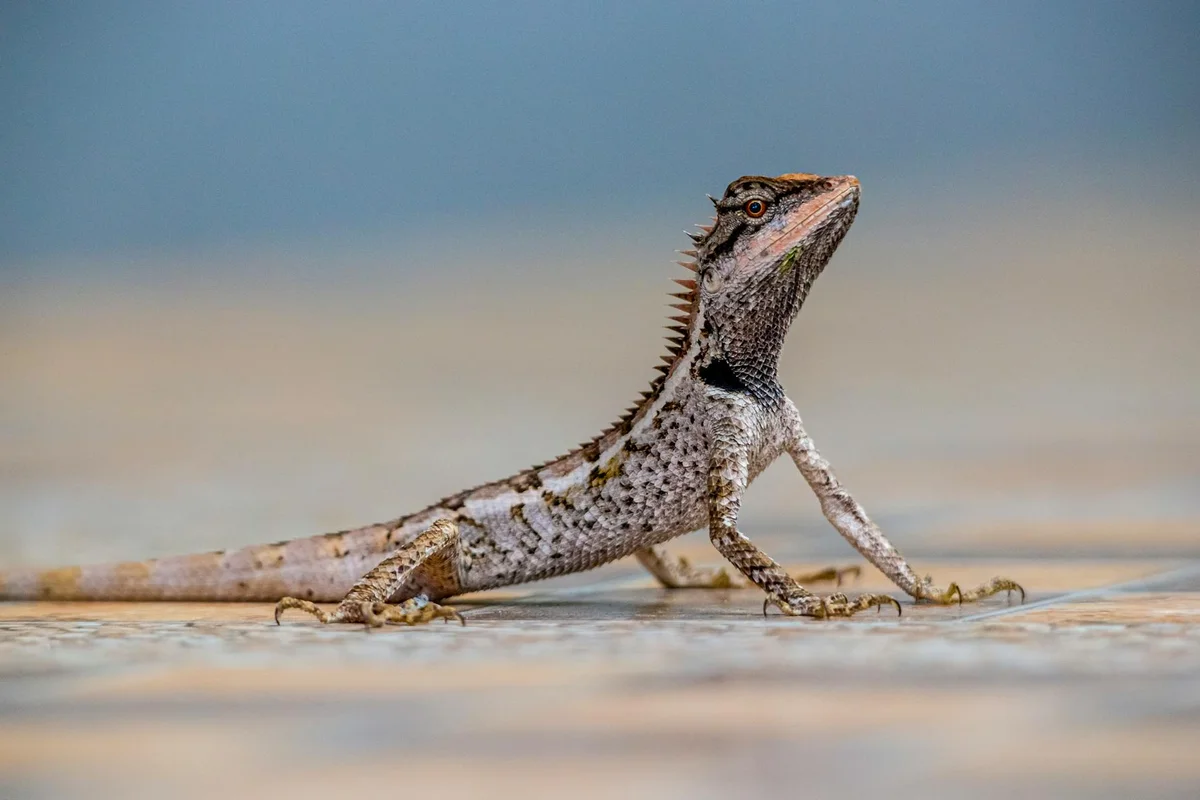
Even during their long nap, you need to keep a quiet eye on your dragon’s well-being. I make it a point to do a quick, visual check on my brumating dragons every few days without disturbing their hide. Do all bearded dragons brumate? Not all do, and when they do, you can expect variations in duration and activity. This regular observation is your first line of defense against potential health issues that can be mistaken for normal brumation.
Stay alert for these specific warning signs that something is wrong:
- Rapid Weight Loss: A little weight loss is normal, but you should not see their hip bones or spine becoming sharply defined.
- Labored Breathing: Listen for any wheezing, popping sounds, or seeing them breathe with an open mouth.
- Discharge: Look for mucus around the nose or mouth, or any stuck-on bodily fluids around the vent.
- Sunken eyes or a complete lack of response to gentle handling.
- A noticeable, foul smell coming from their enclosure.
Seeing any of these signs means it’s time to call your reptile veterinarian. A vet check is absolutely necessary to rule out underlying illnesses like respiratory infections or parasites, which can become serious when their system is slowed down. I’ve had to make that call before, and it’s always better to be safe and get a professional opinion.
Ending Brumation and Post-Brumation Care
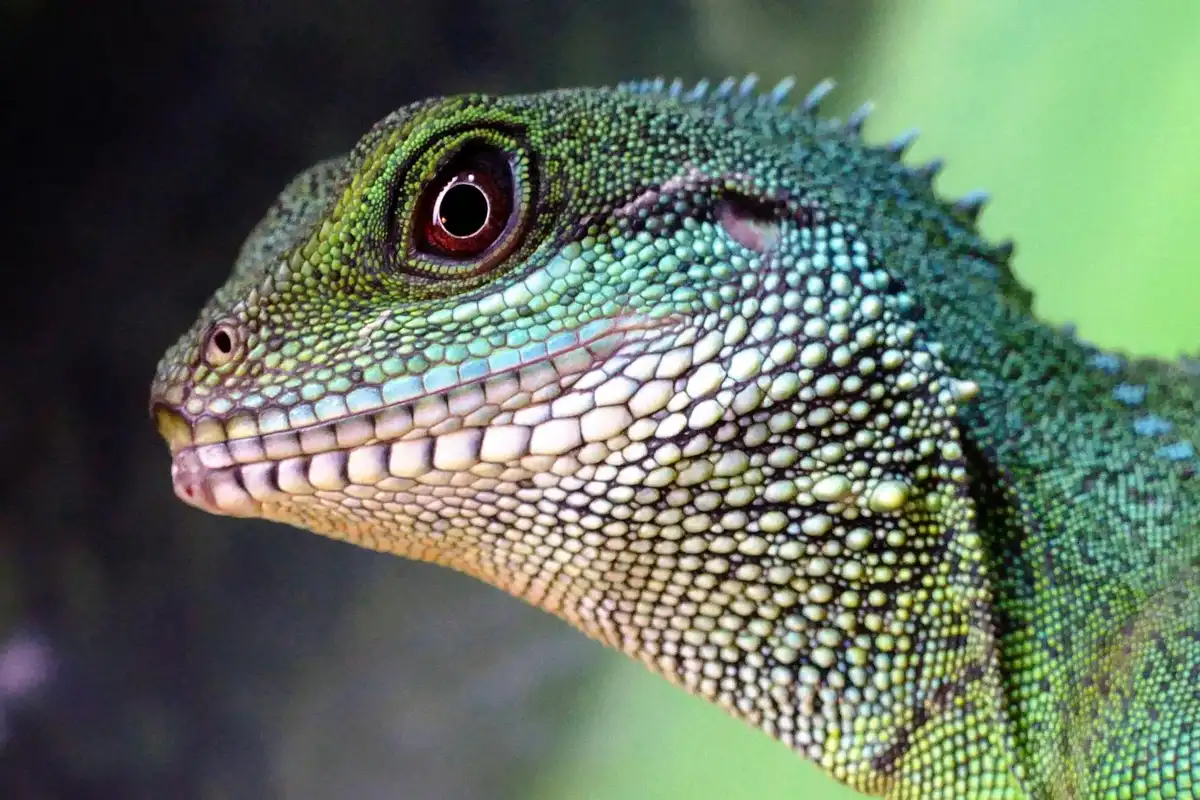
When you notice your bearded dragon starting to become more active on their own, perhaps peeking out of their hide, it’s time to gently help them wake up. This process should be as gradual as their entry into brumation. If you’re considering waking them, do it safely and gradually, following guidelines for a gentle brumation wake. Monitor their response and avoid forcing activity. Rushing this transition can cause significant stress and digestive upset.
Follow these steps to gradually wake your dragon:
- Slowly increase their photoperiod back to a standard 12 hours of light and 12 hours of darkness over the course of a week.
- Simultaneously, ramp their basking spot temperature back up to its normal range (typically around 100-110°F).
- Offer a shallow, lukewarm bath for 15-20 minutes to encourage hydration and help them pass any remaining waste.
- Place a fresh salad in their enclosure, but don’t be concerned if they don’t eat it immediately.
Resuming feeding requires patience. Their digestive system needs to restart. Begin with small, easily digestible meals like soft greens and moistened pellets before introducing live insects. I always offer a small salad first. Once they are consistently eating their greens and pooping normally, you can reintroduce insects, starting with just a few at a time.
This period also marks a seasonal care transition. With their metabolism back online, they will need full-spectrum UVB light and consistent heat. Safe enrichment reintroduction is key-start by simply rearranging a few decor items in their tank to provide gentle mental stimulation. Hold off on handling sessions outside the enclosure until they are eating regularly and appear bright and alert.
Frequently Asked Questions
How often should I check on my bearded dragon during brumation?
Perform a quick visual check every few days without disturbing their rest, and weigh them every 2-3 weeks to monitor for any rapid or significant weight loss that could indicate a health issue.
Is it normal for my bearded dragon to wake up occasionally during brumation?
Yes, this is normal as brumation is not a continuous sleep; they may wake briefly to drink water or adjust their position before returning to rest.
What should I do if my bearded dragon doesn’t brumate?
If your dragon is healthy and skips brumation, simply continue with their standard care routine, ensuring proper lighting, temperature, and diet, as not all dragons brumate every year. Brumation is seasonal, and timing varies with climate, age, and health. Many owners also ask common questions about when brumation typically starts, how long it lasts, and how to tell that your dragon is entering or exiting brumation.
Final Thoughts
Seeing your dragon enter brumation can be unsettling at first, but I’ve learned it’s a sign of a healthy, instinct-driven pet. The best thing you can do is trust their natural rhythm and provide a safe, quiet environment for their long rest. Your role shifts from active keeper to a quiet guardian during this time. Learning the signs of brumation can help you feel more confident in caring for your pet during this period.
Focus on observation over intervention, and remember that this quiet phase is temporary. Before you know it, they’ll be back to their bright-eyed, hungry selves, and you’ll have successfully supported them through a vital biological process. It’s one of the most profound experiences of sharing your life with a bearded dragon. If you’re following the bearded dragon complete beginners guide, this phase is exactly what it teaches—practice patience and steady observation. Stay patient and rely on trusted guidance to support your dragon through it.
Further Reading & Sources
- r/BeardedDragons on Reddit: First time brumating, i’m so scared
- Bearded dragon brumation – how to identify and deal with it
- Bearded Dragons and Brumation | What to Do – Zen Habitats
Bearded Dragon Lair is the ultimate resource for bearded dragon enthusiasts, offering expert advice and practical tips to ensure the health and happiness of your scaly companion. With years of experience in reptile care, we are dedicated to providing accurate, up-to-date information to support your bearded dragon journey.
Heating and Lighting