Is My Bearded Dragon Constipated? How to Help and What to Do
Seeing your bearded dragon struggle to poop is a stressful and common worry for many reptile owners.
As a long-time owner of multiple beardies, I’ve personally navigated this issue and can offer clear, compassionate advice to get your scaly friend feeling better.
We’ll cover the key signs of constipation, safe at-home remedies you can try immediately, and when it’s time to call the vet.
Recognizing the Signs of Bearded Dragon Constipation
You know your dragon’s usual routine better than anyone. When that routine gets disrupted, it’s a signal to pay close attention. A healthy, well-hydrated adult bearded dragon might poop anywhere from daily to once a week, while juveniles eat and poop more frequently. That’s exactly the kind of guide for all ages that helps you track what’s normal. It breaks down poop frequency for babies, juveniles, and adults so you know when to worry.
Here are the key physical and behavioral symptoms that tell you something is off.
- A visibly swollen, firm, or hard belly. Gently feel their lower abdomen; it should be soft, not like a tight little balloon.
- A complete lack of stool for a period longer than their normal schedule, especially if they are still eating.
- Straining or appearing to push without producing anything. You might see them arch their back uncomfortably.
- Lethargy and a sudden lack of appetite. A constipated dragon often feels too full or uncomfortable to eat.
- Dragging their back legs or showing weakness in their hindquarters, which can signal a more serious impaction pressing on nerves.
It’s vital to differentiate a slow digestive system from a true, dangerous impaction. A normal, healthy stool is firm, well-formed, and has a white urate (the solid pee part). Concerning signs of impaction involve hard, rock-like masses you can feel in the belly, paired with paralysis or extreme lethargy. Impaction is a veterinary emergency.
Use this quick checklist to assess your dragon’s condition right now:
- Last Bowel Movement: More than 7 days ago?
- Belly Feel: Hard or tender to a gentle touch?
- Behavior: Less active or dragging back legs?
- Appetite: Refusing favorite foods?
- Posture: Arching back or straining frequently?
If you check multiple boxes, it’s time to take action. I’ve had a dragon, Pippin, give me a scare like this, and catching it early made all the difference.
Common Causes of Constipation in Bearded Dragons
Constipation doesn’t just happen on its own. It’s almost always a symptom of another issue in their care. Figuring out the ‘why’ is the first step to getting them healthy again.
A diet low in fiber and hydration is a primary culprit. Bearded dragons need moisture from their fresh greens and veggies, like collard greens and bell peppers. If your bearded dragon won’t eat greens, try offering small, finely chopped high-moisture greens first thing in the morning and pairing them with a few insects to entice appetite. The fix is often consistent, varied greens and proper hydration. Feeding only dry, pellet-based diets or insects without fresh greens is a direct path to digestive trouble. I always make sure a good portion of my dragons’ salads are high-moisture foods.
Environmental factors play a massive role that many new owners overlook. Your dragon’s gut is powered by external heat.
- Incorrect Basking Temperature: The basking spot must be between 95-110°F (35-43°C) for adults to properly digest their food. If it’s too cool, their metabolism slows to a crawl.
- Poor UVB Lighting: Without proper UVB light, their body cannot metabolize calcium or function correctly, leading to overall system slowdown, including digestion. Replace your UVB bulb every 6-12 months, even if it still lights up.
Other risks can create a physical blockage or compound the problem.
- Substrate Ingestion: Loose substrates like sand, walnut shell, or wood chips are a huge risk. Dragons often lick their environment and can accidentally eat it, causing a literal gut jam. I only use non-particle substrates like slate tile or reptile carpet for this very reason.
- Feeding Large Prey: Insects should never be wider than the space between your dragon’s eyes. A too-large cricket or worm is hard to digest and can cause a blockage.
- Underlying Health Problems: Sometimes, constipation is a sign of something deeper, like kidney disease, parasitic infections, or neurological issues. This is why a vet visit is so important for persistent problems.
Immediate Home Remedies to Relieve Constipation
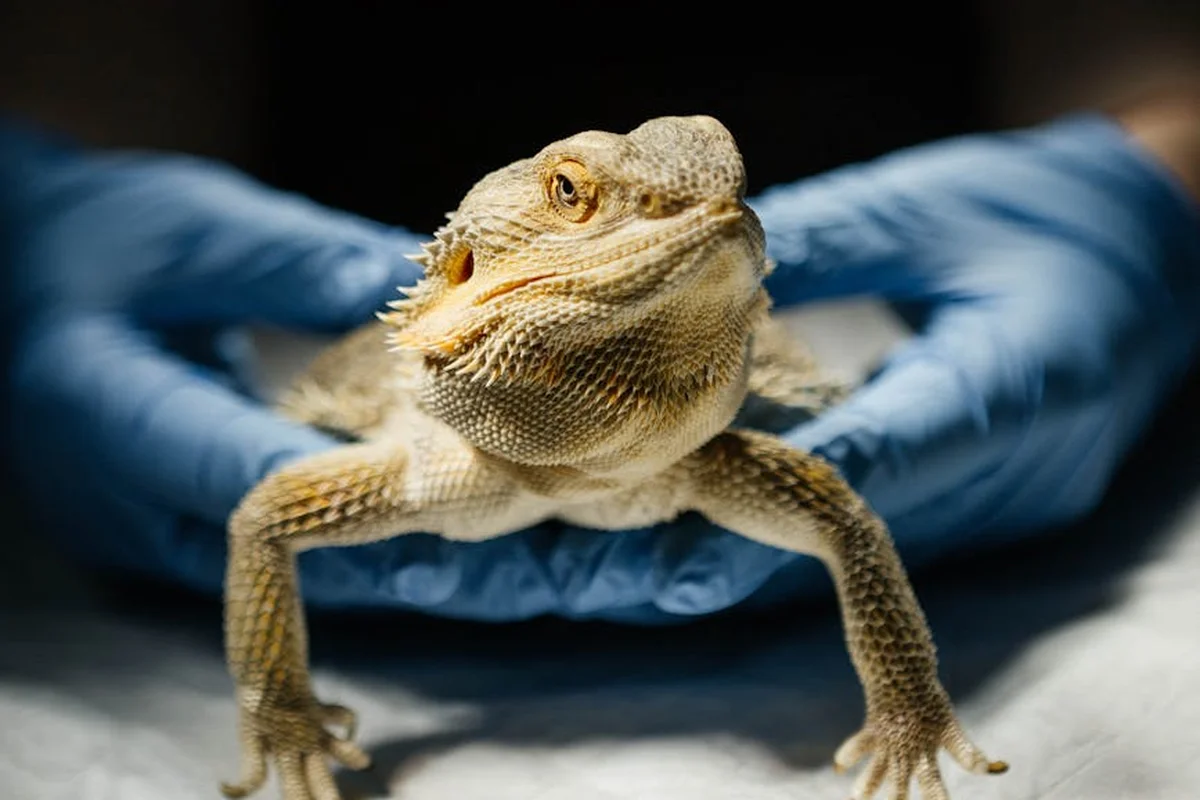
Seeing your dragon struggle is tough. I’ve been there with my own beardie, Thor. The good news is you can often help them get things moving again right at home. These gentle, at-home methods are your first line of defense for a mildly constipated beardie. If your bearded dragon isn’t active, gently encourage movement with a warm soak and light handling. If there’s no improvement, consult a reptile veterinarian.
The Warm Bath Soak
This is my go-to method and it works wonders. The warm water relaxes their muscles and can stimulate their digestive tract.
- Fill a clean tub or sink with lukewarm water. Test it on your wrist-it should feel warm, not hot.
- The water level should only come up to your dragon’s shoulders, never over their head.
- Let them soak for about 15 to 20 minutes. I usually sit with Thor to make sure he’s safe.
- Gently splash a little water over their back to keep them warm. You might even see them “poop in the bath,” which is a great sign!
- After the bath, gently pat them dry with a soft towel. A chilly dragon can get stressed.
Safe Dietary Adjustments
What goes in directly affects what comes out. A simple tweak to their menu can provide the necessary push.
- High-Fiber Greens: Temporarily offer more fibrous veggies like pumpkin, squash, or a few drops of pure olive oil on their greens.
- Hydrating Foods: Offer watery vegetables like cucumber or bell peppers to help soften things up from the inside.
- Fruit as a Laxative: A tiny amount of pureed prunes or a few bits of papaya can act as a natural laxative. Use this sparingly.
I always check that any new food is safe for bearded dragons before offering it, even as a remedy. This is part of our complete guide to safe foods for bearded dragons. It covers safe options, portions, and common hazards.
Other Gentle Methods
Sometimes, a little extra effort is all they need. Combine these with the methods above for the best results.
- Abdominal Massage: With a single finger, apply very gentle pressure and make small, circular motions along their lower belly, moving towards their vent. Stop immediately if they seem uncomfortable.
- Increase Activity: Encourage them to move around outside their enclosure. The exercise helps stimulate their gut. Let them climb on a safe couch or explore a room.
- Recheck Enclosure Temps: Double-check your basking spot temperature is correct. Inadequate heat is a common, hidden cause of slow digestion.
When to Seek Emergency Veterinary Care
We all want to fix things ourselves, but knowing when to call a professional is a critical part of responsible pet ownership. Your dragon’s life could depend on you recognizing these red flags.
Red Flag Symptoms
If you see any of these signs, it’s time to put down the home remedies and call your reptile vet immediately.
- Lethargy that lasts more than a day. A dragon that won’t move or lift its head is a major concern.
- No bowel movement for over two weeks, especially if they’ve stopped eating.
- Visible straining or signs of pain, like a black, stressed beard that won’t go away.
- A hard, swollen abdomen that feels tense to the touch.
- Regurgitation or vomiting.
- Dragging their back legs or any sign of paralysis.
Prolonged lethargy is one of the most telling signs that this is more than simple constipation.
What to Expect at the Vet
It can feel scary, but knowing what happens at the clinic can ease your mind. Your vet is there to help.
- The vet will perform a physical exam, gently feeling your dragon’s abdomen.
- They might take an X-ray to confirm if it’s a serious impaction and see where the blockage is.
- For dehydration, they may administer fluids, either orally or through a small injection.
- In cases of impaction, the vet might give a special enema or prescribe a reptile-safe laxative.
- In severe cases, surgery may be needed to remove the blockage. This is rare but possible.
When Home Care Isn’t Enough
You’ve tried the warm baths and the pumpkin. You’ve done the gentle massages. If there’s still no improvement after 24-48 hours of diligent home care, it’s time for the vet. Trust your gut – if you feel something is seriously wrong, it’s always better to be safe and get a professional opinion. Impaction can be fatal if left untreated, so never hesitate when your dragon’s well-being is on the line. If you’re worried about an impacted spot, talk to your vet about safe spot-treat options and prevention. Staying hydrated and offering the right fiber-rich foods can also help reduce the risk of impaction in the future.
Preventing Constipation for a Healthy Bearded Dragon
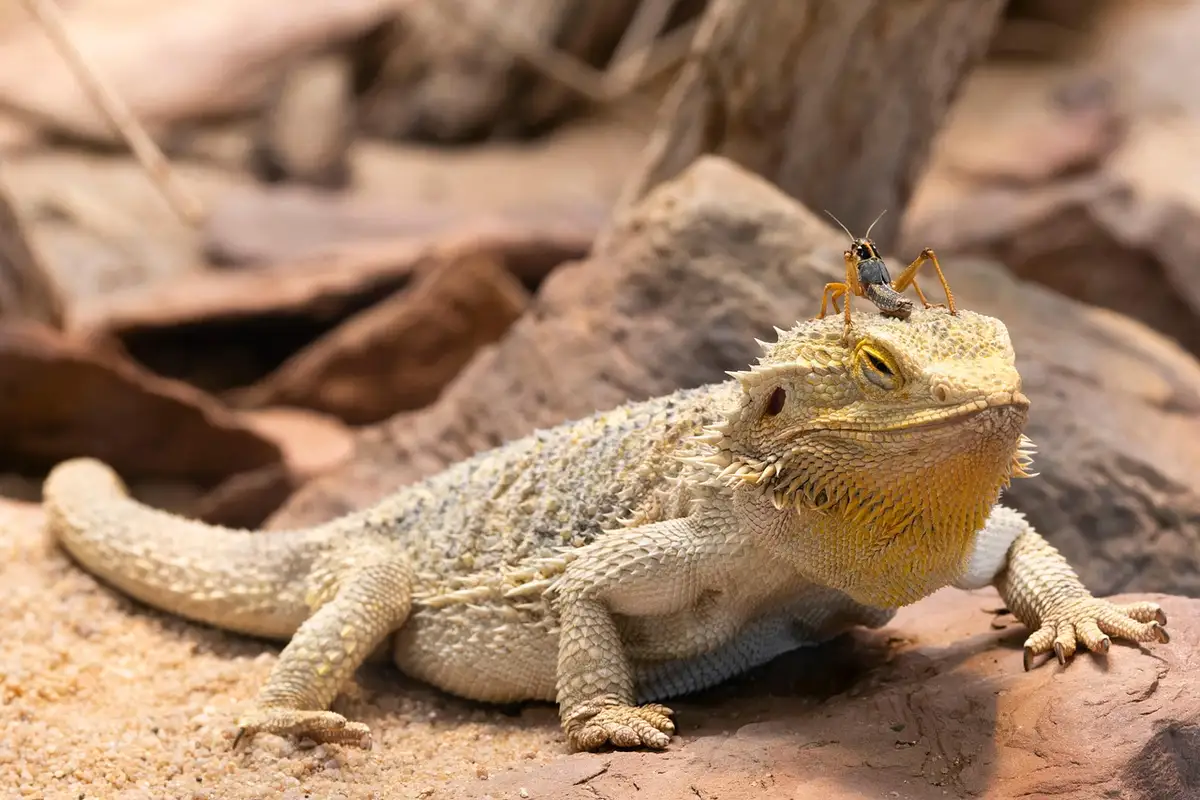
Keeping your bearded dragon’s digestive system running smoothly is far easier than dealing with a full-blown blockage. A proactive approach centered on diet, habitat, and routine is your best defense against constipation. I’ve found that a few simple, consistent habits make all the difference for my dragons’ daily comfort. If constipation pops up, I help my constipated bearded dragon poop by keeping hydration steady and meals regular. These small steps keep things moving and support overall digestive health.
Optimal Diet for Smooth Digestion
What goes in directly affects what comes out. A balanced diet is non-negotiable.
- Prioritize Fiber-Rich Greens: Staple vegetables like collard greens, dandelion greens, and butternut squash are fantastic for adding bulk and moisture to their stool. I always have a fresh mix ready.
- Hydrate Through Food: Many dragons won’t drink from a water bowl. Offer water-rich foods like bell peppers and cucumber slices a few times a week to boost their fluid intake effortlessly.
- Limit Binding Insects: Feeder insects like mealworms and superworms have tougher exoskeletons. Offer these as occasional treats, not daily staples, to prevent chitin buildup.
- Proper Supplementation: A light dusting of calcium powder on their salads and insects supports not just bone health, but overall muscle function, including the intestinal muscles that push waste along.
Perfecting the Environment for Digestion
Your dragon’s tank setup is their internal engine. If the environment is wrong, their whole body, including their gut, can shut down.
- Basking Spot Temperature is Key: The basking surface temperature should be between 95-110°F for adults. I use a digital thermometer with a probe to check this daily. This heat is essential for them to metabolize food and pass waste.
- Don’t Skimp on UVB: A high-quality, linear UVB tube light is critical. It should span about half to two-thirds of the enclosure and be replaced every 6-12 months. Proper UVB allows them to synthesize the calcium that powers their digestive muscles.
- Encourage Natural Movement: A larger enclosure with branches and rocks to climb encourages physical activity. This movement helps stimulate the bowels naturally.
Establish a Simple Health Monitoring Routine
Catching a small issue early prevents a big problem later. This takes me just five minutes a day.
- Track Poop Schedule: Note the frequency, size, and consistency of their droppings. A healthy adult dragon typically poops every 1-2 days, but this can vary.
- Weekly Weigh-Ins: Use a small kitchen scale to track their weight. A sudden drop can be a sign of impaction or other health issues, even before you see symptoms.
- Observe Bathroom Behavior: Watch them when they are trying to pass stool. If they are straining excessively or seem distressed, it’s a clear sign something is off.
Frequently Asked Questions
Can stress cause constipation in bearded dragons?
Yes, stress from environmental changes, excessive handling, or new pets can slow digestion and contribute to constipation. Maintaining a consistent, calm habitat helps support regular bowel movements.
How can I encourage my bearded dragon to drink more water?
Offer a shallow water dish and mist their greens to increase moisture intake. You can also gently drip water onto their snout with a dropper to stimulate drinking behavior. This is part of a bearded dragon hydration guide that covers misting, water bowls, and spraying. Using these practices helps keep your pet properly hydrated.
Is it safe to use over-the-counter laxatives for my bearded dragon?
No, avoid human or non-prescription pet laxatives, as they can be harmful. Vomiting in bearded dragons can signal dehydration, infection, or digestive problems that need professional evaluation. If your dragon throws up, seeing a reptile veterinarian promptly helps determine the cause and prevent serious complications. Always consult a reptile veterinarian for safe, appropriate treatments tailored to your dragon’s needs.
Final Thoughts on Your Dragon’s Digestion
Seeing your bearded dragon struggle is stressful, but you now have the tools to help. Warm baths, gentle belly massages, and a proper diet are your first line of defense for getting things moving again. Remember, these simple at-home remedies resolve most mild cases of constipation. For a full beginner’s overview, check out our bearded dragon complete beginners guide. It covers habitat setup, diet, lighting, and daily care to help your dragon thrive.
Trust your gut as a pet parent. If your dragon shows signs of pain, hasn’t passed anything in over a week, or you feel something isn’t right, don’t hesitate to contact your reptile veterinarian. From my own experience, it’s always better to get a professional opinion and have peace of mind for your scaly friend.
Further Reading & Sources
- Constipation in Reptiles
- r/BeardedDragons on Reddit: Anything to help with constipation?
- Constipation/Obstipation in Bearded Dragons | Arizona Exotics | -Lizards Resources
Bearded Dragon Lair is the ultimate resource for bearded dragon enthusiasts, offering expert advice and practical tips to ensure the health and happiness of your scaly companion. With years of experience in reptile care, we are dedicated to providing accurate, up-to-date information to support your bearded dragon journey.
First Aid Tips