
Why Is My Bearded Dragon Sleeping So Much? (And When To Worry)
If your bearded dragon seems to be dozing off more often than not, that quiet worry in your gut is completely normal for a caring owner.
I’ve raised multiple bearded dragons myself, and with my background in reptile care, I’m here to help you figure this out from a place of real experience and animal welfare focus.
We’ll cover the common reasons for extra sleep, distinguish normal behavior from warning signs, and give you a clear action plan.
Normal Bearded Dragon Sleep Patterns
Your bearded dragon’s internal clock is tuned to the sun. In their natural Australian habitat, they are diurnal, meaning they are active during the day and sleep when it gets dark. This predictable daily rhythm is a key sign of a healthy, happy dragon. In captivity, we need to mimic this cycle to keep them on track. If they’re not active, start by checking their enclosure—UVB, basking heat, and daylight cycle. If activity doesn’t improve, consult a reptile veterinarian.
Their sleep needs change as they grow. Juvenile bearded dragons are like tiny, scaly toddlers—they experience rapid growth spurts and spend a lot of energy. You might notice your young dragon taking short naps, but they should still be alert and hungry during their wakeful periods. During growth spurts and seasonal changes, younger dragons may sleep longer and some may enter brief brumation-like torpor in cooler months. Baby bearded dragons also have distinct sleep patterns, often taking short naps and gradually extending wakeful periods as they mature. Adult dragons, on the other hand, often have more settled and consistent sleep patterns, usually clocking a solid 8-12 hours of uninterrupted sleep at night.
The single most important factor for their sleep-wake cycle is light. Providing a consistent 12-14 hours of light followed by 10-12 hours of complete darkness and quiet is non-negotiable for regulating their circadian rhythm. I use a simple plug-in timer for my dragons’ lights; it eliminates any guesswork and gives them the stability they crave. It’s especially important for nighttime care, including heating, lighting, and temperature management.
Common Causes of Excessive Sleeping
When your dragon starts sleeping more than usual, it’s their way of telling you something is off. It’s our job to figure out what they’re trying to say. From my years of caring for these wonderful reptiles, I’ve found the causes usually fall into a few key areas. Understanding their sleep behavior can be a great starting point.
- Brumation: This is a reptile’s version of hibernation and is a perfectly normal, instinctual behavior, especially in adults as winter approaches. They may sleep for days or even weeks, eating very little.
- Incorrect Temperatures: If their tank is too cold, their metabolism slows to a crawl. They become lethargic and sleep constantly because they can’t generate the energy to be active.
- Insufficient UVB Light: UVB is essential for them to synthesize vitamin D3 and absorb calcium. Without it, they can develop Metabolic Bone Disease (MBD), which causes extreme weakness and lethargy.
- Illness or Parasites: Underlying health issues are a major concern. A dragon fighting off an infection or a heavy parasite load will use all its energy just to get by, leaving none for being awake.
- Dehydration: A dragon that isn’t getting enough fluids will become sluggish. This is one I check first because it’s often easy to remedy.
- Stress: Recent changes in their environment-a new tank, a new pet in the house, loud noises-can cause stress that manifests as hiding and excessive sleeping.
- Poor Diet: A lack of proper nutrients, or food that is too large for them to digest easily, can sap their energy and make them want to rest all the time.
Always start by checking your husbandry-temperature, UVB, and diet are the most common culprits I see. Getting these right often solves the problem and saves you an expensive trip to the vet.
Brumation vs Regular Sleep: Key Differences
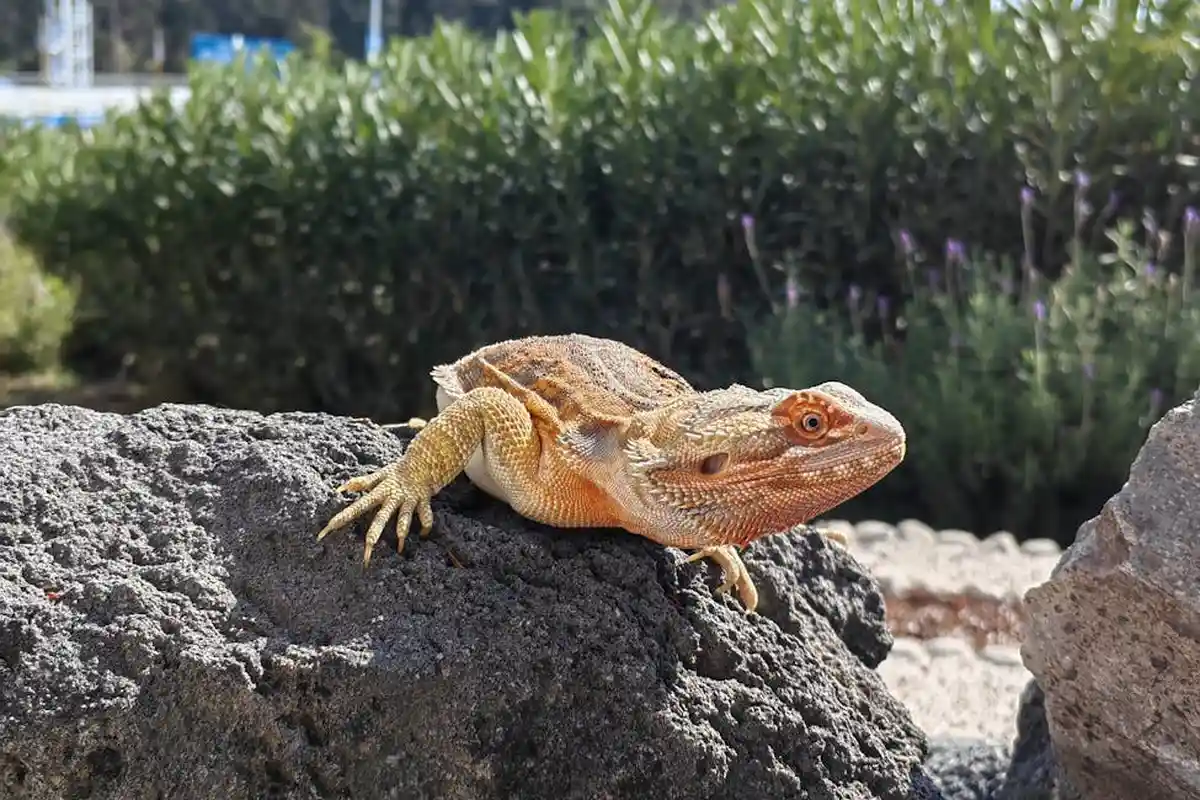
Many new owners see their dragon sleeping a lot and immediately panic. I’ve been there. The key is figuring out if it’s just a lazy day, a serious health issue, or a completely natural process called brumation. Also, if your dragon seems unusually lethargic, check common causes like temperature, hydration, and lighting. When in doubt, consult a reptile-savvy veterinarian.
What is Brumation?
Brumation is like reptile hibernation. It’s a deep, seasonal slowdown driven by instinct, not sickness. During regular sleep, your dragon is just dozing and will wake up easily for food or handling, but brumation is different; it’s a prolonged state of inactivity where their entire metabolism downshifts.
Signs Your Dragon is Brumating
- Sleeping for days or weeks at a time, often in a hide.
- A significant drop or complete loss of appetite.
- They might wake occasionally for a quick sip of water.
- General lethargy and a lack of interest in their surroundings.
Normal Brumation vs. A Red Flag
Brumation is normal for healthy, adult dragons, usually triggered by cooler temperatures and shorter days. You should only worry if brumation-like symptoms are paired with signs of illness. In my experience, a dragon that’s losing a dramatic amount of weight, has sunken eyes, or shows signs of a respiratory infection isn’t brumating-it’s sick and needs a vet.
Environmental Factors That Affect Sleep
If your dragon isn’t brumating, its sleepiness is often a direct message about its home. Their enclosure is their whole world, and small imbalances can cause big problems. During brumation, keep the enclosure stable and minimize handling. Focus on a quiet, low-stress routine and monitor your dragon for any signs of trouble.
The Role of Temperature and Light
Bearded dragons are solar-powered. They need specific heat and light to function.
- Basking Spot: This area must be around 95-110°F. If it’s too cool, they can’t digest food and become lethargic.
- Heat Gradient: The enclosure must have a cooler end (around 75-85°F). Without this temperature drop, they can’t regulate their body and become stressed.
- UVB Lighting: This is non-negotiable. UVB helps them produce vitamin D3 to absorb calcium. Without a proper UVB tube light, they can develop Metabolic Bone Disease, a primary cause of weakness and lethargy.
Enclosure Setup and Light Cycles
Imagine trying to sleep with a bright light on 24/7. That’s your dragon without a proper day/night cycle.
- Ensure all lights are on a timer for 12-14 hours during the day.
- The enclosure must be completely dark and quiet at night. Covering the tank can help.
- Provide multiple hiding spots so they feel secure enough to rest properly.
Steps to Optimize the Habitat
If your dragon is sleepy, run through this checklist. I do this routinely with my own pets.
- Use digital thermometers to verify basking and cool side temperatures.
- Check the manufacture date on your UVB bulb. They need replacing every 6-12 months, even if they still look bright.
- Ensure the UVB bulb spans about 2/3 of the enclosure’s length.
- Confirm there are no loud noises or heavy foot traffic stressing them, especially at night.
Signs Your Bearded Dragon Might Be Ill
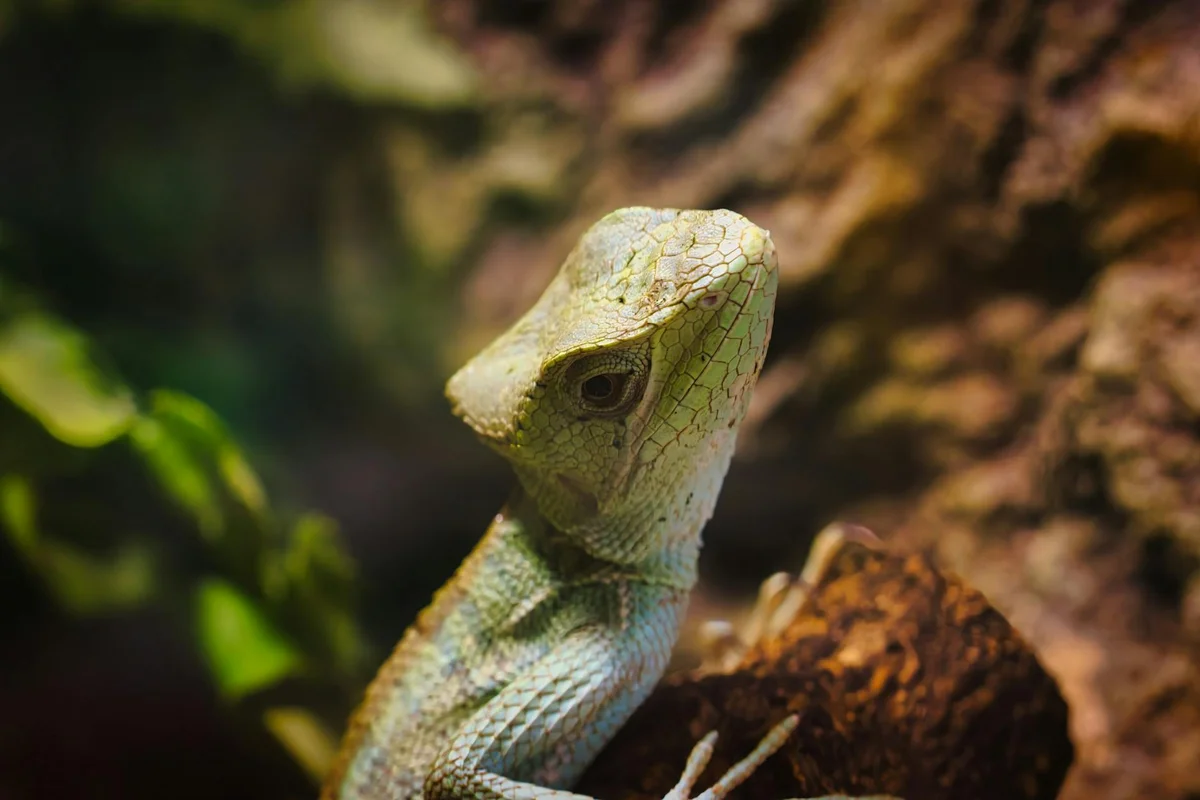
While extra sleep can be normal, it’s often the first whisper of a bigger problem. I’ve learned to look for the other clues that tag along with the napping.
- Drastic weight loss or a complete loss of appetite. A sleepy dragon who also isn’t eating is a major red flag.
- Unusual lethargy, even during their normal awake hours. They feel limp or lack their usual strength when you handle them.
- Swollen joints or a soft, flexible jaw, which can point directly to Metabolic Bone Disease from a lack of calcium.
- Visible physical changes like sunken eyes, a lack of bright coloration, or a constantly black beard.
- Problems with shedding, where patches of old skin stick around for weeks. This can signal poor health or incorrect habitat humidity.
- Hiding constantly and avoiding their basking spot entirely, which disrupts their ability to digest food properly.
- Irregular or runny stools, or a noticeable lack of droppings.
When to Worry and Seek Veterinary Care
It’s one thing to note a symptom; it’s another to know when it’s an emergency. Trust your gut-you know your scaly friend better than anyone. If their behavior feels off, it probably is.
You should contact an exotic vet urgently if you see any of these red flags:
- Your dragon has been sleeping excessively for more than two full days.
- They are refusing all food, including their favorite treats.
- You notice any signs of labored breathing, wheezing, or mucus around their nose and mouth.
- They cannot support their own body or are dragging their limbs.
- They have not passed any stool for over a week and look bloated.
- They have experienced a fall or other physical trauma.
To help your vet, become a detective at home. I always keep a small notebook for each of my reptiles. Before you call the vet, note down the following:
- The exact temperatures of the basking spot and cool side of the enclosure.
- The type and schedule of their UVB light (including the last time it was replaced).
- Their most recent diet and the last time they ate and pooped.
- When the excessive sleeping started and any other symptoms you’ve spotted.
This information gives your vet a huge head start and can lead to a faster, more accurate diagnosis for your pet.
How to Care for a Sleepy Bearded Dragon
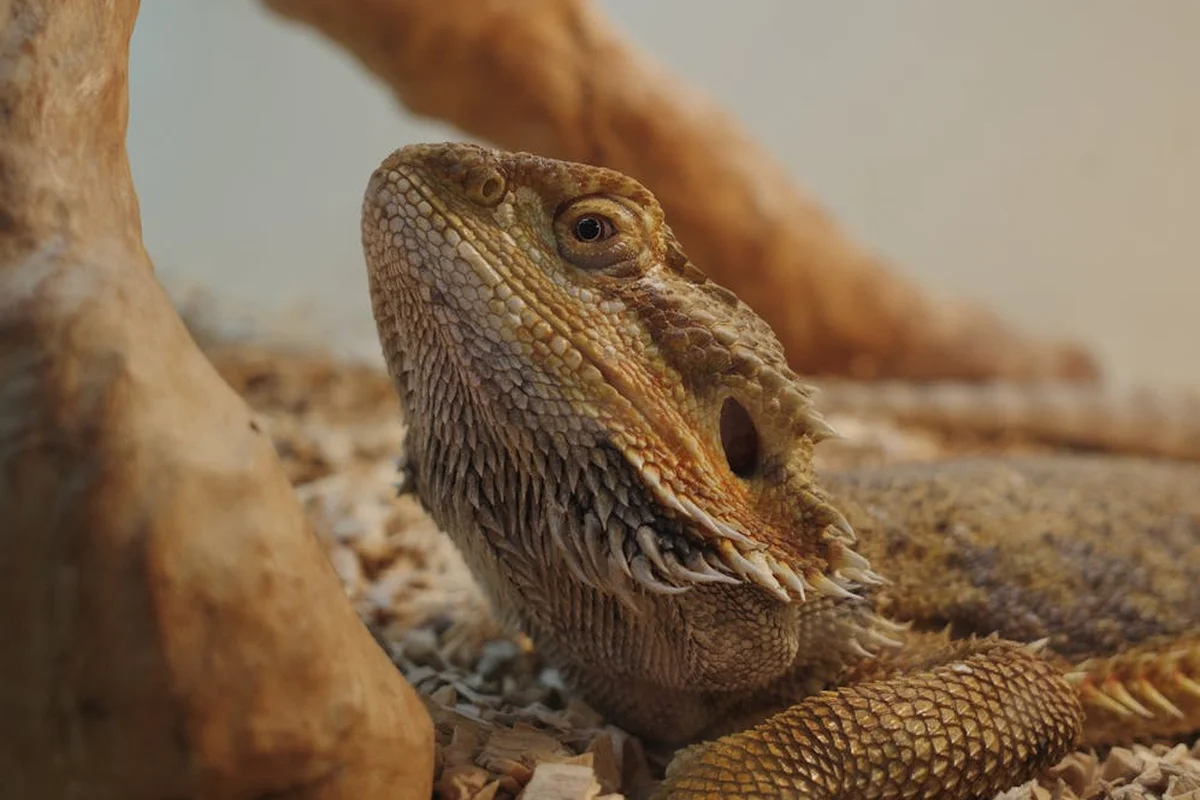
When your scaly friend is logging extra hours, your care routine needs a gentle shift. I’ve found the key is to support their natural rhythms without disrupting their much-needed rest. Think of it as tiptoeing around a napping family member.
Supporting Sleep Phases and Brumation
If your dragon is in a deep sleep phase or brumation, your main job is monitoring, not meddling.
- Keep their enclosure in a quiet, low-traffic part of your home.
- Do not offer food. Their digestive system has shut down and food will rot inside them, making them very sick.
- Resist the urge to wake them for handling or baths. Let them sleep.
- Check on them once a day for any concerning changes, but do it quietly.
Prioritizing Hydration and Temperature
Even in sleep, their environment is everything. I make a quick daily check of these two things a non-negotiable habit.
- Hydration: A sleeping dragon won’t run to a water bowl. I gently offer water with a dropper or spray bottle by placing a droplet on the tip of their snout once or twice a week. They might lap it up without fully waking.
- Temperature: Their basking spot should still be at the correct temperature during the day, even if they aren’t using it. A digital thermometer with a probe is your best friend here. At night, a slight, natural temperature drop is fine and expected.
Creating a Low-Stress Environment
Stress is a huge energy drainer. A calm dragon is a dragon that can rest properly and recover.
- Limit handling to only what is necessary for health checks.
- Ensure their hide is a proper, snug fit where they feel completely secure and hidden.
- If you have other pets, especially cats or dogs, make sure the dragon’s space is not a source of anxiety for them.
- Keep a consistent day/night light cycle. Don’t leave lights on at night for “just a little longer.”
When to Adjust Care vs. When to Call the Vet
This is the most critical part. Knowing the difference can save your pet’s life.
Adjust your care at home if:
- Your dragon is sleeping more but is alert, has clear eyes, and a strong body condition when awake.
- Their sleep pattern coincides with seasonal changes or a recent habitat adjustment.
- They are in a confirmed brumation state (no eating, prolonged sleep).
Seek professional veterinary help immediately if you notice any of these red flags:
- Your dragon is lethargic and weak when awake, unable to support their own body.
- You see significant, rapid weight loss. I weigh mine weekly during sleepy periods to track this.
- There are signs of illness like mucus around the mouth or nose, sunken eyes, or labored breathing.
- They have not defecated for a very long time and their abdomen appears swollen.
- They are trying to sleep but seem restless, uncomfortable, or are sleeping in an unnatural, strained position.
Frequently Asked Questions
How long can a bearded dragon safely go without eating during brumation?
During brumation, a healthy adult bearded dragon can go several weeks to a few months without eating, as their metabolism slows significantly. However, monitor for rapid weight loss or other illness signs, and ensure they stay hydrated with occasional water offers. If how long brumation lasts longer than a couple of months or you notice ongoing weight loss, lethargy, or dehydration, seek veterinary advice.
What are the specific signs of dehydration in a bearded dragon?
Look for loose, wrinkled skin that doesn’t snap back quickly when gently pinched, sunken eyes, and a lack of energy or appetite. Offering water via a dropper or bath can help, but persistent symptoms may require a vet visit.
How can I ensure my bearded dragon’s enclosure is optimal for restful sleep?
Provide a consistent day/night cycle with 12-14 hours of light and complete darkness at night, along with hiding spots for security. Avoid loud noises and maintain proper temperatures to prevent stress disruptions to their sleep.
Final Thoughts
Seeing your bearded dragon sleep a lot can be unsettling, but remember, a long nap is often just a normal part of their rhythm. The key is to distinguish between a natural slow-down, like brumation, and a sign of a potential health problem. Trust your gut; you know your scaly friend’s usual personality and routines better than anyone.
My best advice is to become a keen observer of their overall condition. If you notice persistent lethargy combined with other red flags like weight loss or labored breathing, it’s time to call your reptile vet. I’ve made that call myself, and it always brings peace of mind, confirming that you’re putting your pet’s welfare first.
Further Reading & Sources
- Why Is My Bearded Dragon Sleeping So Much? Vet-Reviewed Reasons | Hepper Pet Resources
- r/BeardedDragons on Reddit: My bearded dragon has been sleeping most of the day for quite a while now, is anything wrong?
- Why does my bearded dragon stay in one spot and sleep all day? – Quora
Bearded Dragon Lair is the ultimate resource for bearded dragon enthusiasts, offering expert advice and practical tips to ensure the health and happiness of your scaly companion. With years of experience in reptile care, we are dedicated to providing accurate, up-to-date information to support your bearded dragon journey.
Signs of Illness