
Why Is My Bearded Dragon Acting Weird?
Published on: April 8, 2026 | Last Updated: April 8, 2026
Written By: Beardie Joe
If your bearded dragon is suddenly trying to escape its tank or showing signs of aggression, you’re not alone-and it’s definitely a sign that something is off.
With years of hands-on experience caring for my own group of bearded dragons, I can guide you through the common causes and solutions for these puzzling behaviors.
We’ll explore the reasons behind escaping, aggression, and other odd actions, giving you clear steps to help your pet feel safe and healthy again.
Understanding Normal Versus Weird Bearded Dragon Behavior
Knowing what’s normal for your bearded dragon is the first step to spotting a problem. A happy, healthy dragon has a predictable daily rhythm. You should see them actively basking under their heat lamp for several hours, eagerly eating their regular meals, and being alert to their surroundings. When you approach the tank, a content dragon might perk up, expecting food or interaction. To learn more about identifying healthy behavior, check out this complete health check guide.
Now, let’s contrast that with abnormal signs. Weird behavior is any significant shift from their normal routine. This includes hiding all day and refusing to come out for basking, a complete lack of appetite for more than a day or two, or sudden, unprovoked aggression like constant hissing and puffing up. Any drastic change in their energy level, from frantic pacing to unusual lethargy, is a red flag that something is wrong.
It’s also vital to recognize natural cycles that mimic weird behavior. During brumation (a reptile’s version of hibernation), your dragon may sleep for weeks and refuse food, which is normal. The shedding process also makes them itchy and grumpy, often reducing their appetite. Knowing the difference between a natural phase and a genuine health crisis will save you and your dragon a lot of stress. I’ve learned to keep a simple log of my dragons’ habits, which helps me spot real problems faster.
Common Causes of Strange Bearded Dragon Behavior
Environmental Stressors
Your dragon’s tank is their entire world, and when it’s out of balance, they will absolutely let you know through their behavior. Getting the fundamentals wrong is a fast track to a stressed-out pet.
- Temperature & Lighting: Incorrect tank temperatures are a huge culprit. If the basking spot isn’t hot enough (around 95-110°F for adults), they can’t digest their food properly. If it’s too hot, they’ll try to escape the heat. Inadequate UVB lighting prevents them from absorbing calcium, leading to metabolic bone disease, which causes weakness and twitching.
- Humidity: Humidity that is too high or too low can cause respiratory infections and difficult sheds. Aim for 30-40%.
- Enclosure Issues: A tank that is too small doesn’t provide a proper heat gradient. A lack of secure hiding spots makes them feel exposed and vulnerable. Reflections in the glass or seeing their own reflection can trigger “glass surfing,” where they frantically scrape at the walls. I solved a persistent surfing issue with one of my dragons simply by adding a background to three sides of the tank, making him feel more secure.
Health and Wellness Issues
When a bearded dragon is sick or in pain, they can’t tell you—they can only show you. Their behavior is your biggest clue, but it’s also important to look for physical signs and symptoms.
- Symptoms of Illness: Look for persistent lethargy (not just a lazy afternoon), closed or puffy eyes, a swollen jaw or limbs, and dramatic changes in their droppings. Runny, foul-smelling, or discolored poop can indicate parasites or other internal issues.
- Shedding & Dehydration: Shedding is uncomfortable and can make them refuse food temporarily. Dehydration, often visible in sunken eyes or loose skin, will cause lethargy and a lack of appetite. A warm bath is my go-to solution for helping with both a difficult shed and mild dehydration. If strange behavior persists after a shed or a drink, it’s time to look deeper.
Social and Seasonal Factors
Bearded dragons have complex instincts, and sometimes their “weird” behavior is just them being a dragon.
- Territorial Behavior: These are solitary animals. Housing two dragons together, even females, is a recipe for stress, injury, and dominance issues. You might see black beards, arm-waving, and aggression. During breeding season, even solitary males can become more territorial and restless.
- Handling & Enrichment: Too much handling, especially for a new or skittish dragon, is a major stressor. On the flip side, a bored dragon in a barren tank with nothing to explore will often glass surf or become lethargic. Adding simple enrichment like rocks to climb on and new items to investigate can completely transform a dragon’s activity level and curiosity.
Troubleshooting Specific Weird Behaviors
Why Is My Bearded Dragon Trying to Escape?
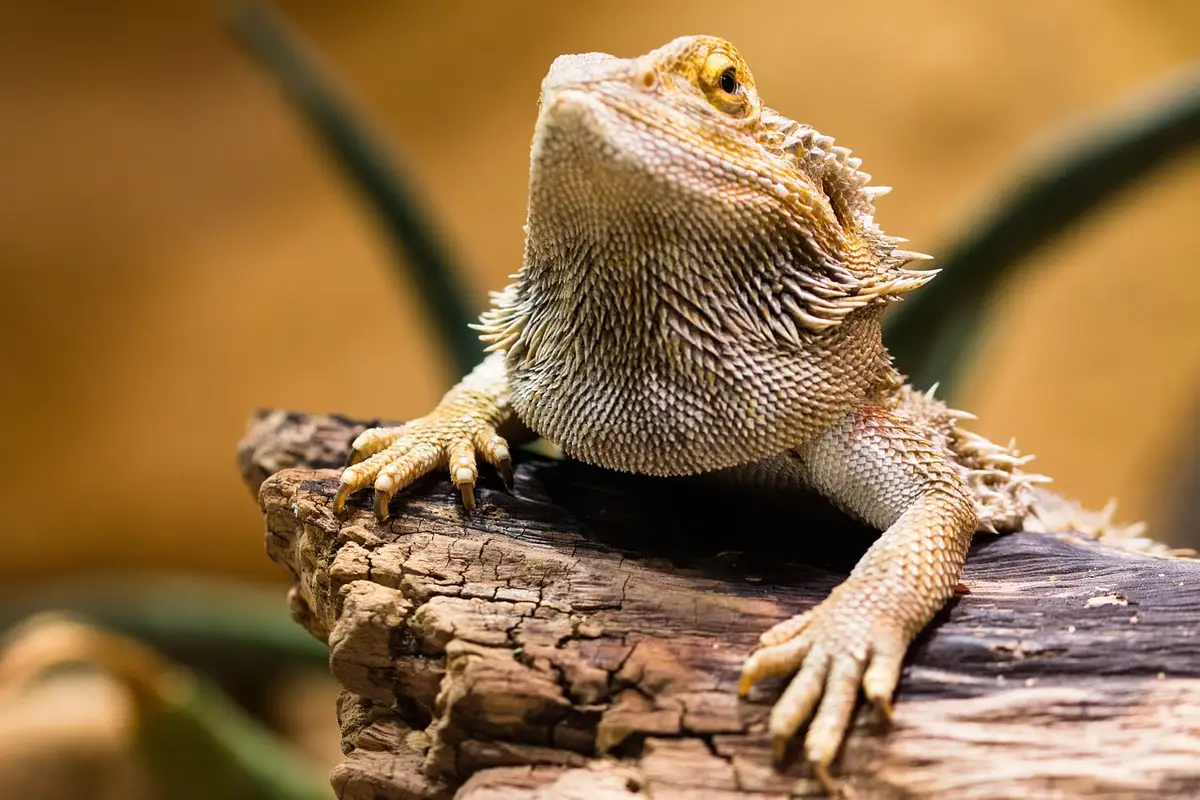
Seeing your dragon constantly scratching at the glass or trying to climb the walls is worrying. I’ve had a dragon, Puff, who did this for weeks until I figured it out. It’s their way of telling you something is wrong in their world. Often, this scratching signals habitat issues or discomfort. Fixes include proper lighting, temperatures, humidity, and enrichment.
- An Undersized Tank: A tank that’s too small is like living in a closet. For an adult bearded dragon, you need a 120-gallon enclosure as a minimum. Upgrading their space is often the single biggest fix for escape behavior.
- Boredom and Lack of Stimulation: These are smart lizards! A bare tank with nothing to do is a recipe for a restless dragon. They need things to climb on, explore, and investigate.
- Reflection-Induced Stress: If your dragon can see its own reflection in the glass, it may think it’s another dragon invading its territory. This causes constant stress and a desire to fight or flee.
- Incorrect Temperatures: If the basking spot is too cold, they will try to escape to find a warmer place. If it’s too hot everywhere, they’ll try to get out to cool down.
Here are the steps I took with Puff to create a secure and stimulating home:
- Measure your tank. If it’s smaller than 4ft x 2ft x 2ft, start planning an upgrade.
- Check for reflections from the dragon’s viewpoint and apply a background to three sides of the enclosure.
- Double-check all temperatures with a digital thermometer. Your basking spot should be 95-110°F and the cool side around 80°F.
- Add enrichment! Branches for climbing, a dig box with safe soil, and even simple things like a crumpled paper ball to push around can work wonders.
Why Is My Bearded Dragon Showing Aggression?
A bearded dragon puffing up its beard, hissing, or even biting can be scary. It’s vital to know this isn’t usually “mean” behavior-it’s communication. You need to decode the message. Understanding why this puffing happens helps you interpret the balloon-like display and what your dragon is trying to tell you. Often it’s a defensive warning or a stress signal, not aggression.
- Normal Territorial Displays: A head bob or a quick beard puff (often black) is normal, especially in males. It’s their way of saying, “This is my spot!”
- Signs of Stress or Fear: A consistently black beard, flattening their body to appear bigger, and hissing are clear signs of distress. They feel threatened.
- Pain or Discomfort: If your normally calm dragon suddenly won’t let you touch a specific part of its body or acts aggressively during handling, it might be injured or sick.
To safely handle an aggressive dragon and build trust, follow these steps:
- Never approach from above like a predator. Always bring your hand into their view from the side or front.
- Move slowly and deliberately. Quick, jerky movements will trigger a fear response.
- Start by just placing your hand in the tank without touching them for a few minutes each day. Let them get used to your presence.
- Offer a tasty treat, like a piece of raspberry, from your open palm. This builds positive associations.
- The most important safety precaution is to respect their signals. If they are showing stress, back off and try again later. Forcing interaction will only make it worse.
Other Puzzling Actions: Glass Surfing, Hiding, and More
Beyond escaping and aggression, dragons have a whole repertoire of confusing habits. Let’s decode a couple of the most common ones.
- Constant Hiding: If your dragon is always buried or hidden, it’s usually a sign of stress or feeling insecure. Check if they have enough hides (one on the warm side and one on the cool side). It can also mean they are too cold and trying to conserve heat.
- Frantic Glass Surfing: This is the frantic scratching and climbing at the glass. We covered the main causes under “escaping,” but it bears repeating: this is almost always an enclosure problem, not a personality flaw.
- Lethargy and Lack of Appetite: While sometimes normal during brumation (a reptile’s version of hibernation), a sudden drop in energy and food intake can signal illness or incorrect UVB lighting, which is crucial for their metabolism.
Here are some quick fixes based on your daily routine:
- Is your UVB bulb older than 6 months? Replace it. They lose strength long before they burn out.
- Do a quick temp check first thing in the morning. Is the basking spot at the right temperature when the lights come on?
- Observe their poop. Is it well-formed? Runny or undigested food can point to parasites or temperature issues.
- Simply rearranging their tank furniture once a month can provide mental stimulation and curb boredom-related behaviors. It gives them a “new” environment to explore.
Practical Fixes for a Calmer, Happier Bearded Dragon
Optimizing Your Bearded Dragon’s Enclosure
Think of the tank as your dragon’s entire universe. Getting the setup right solves about 80% of behavioral problems. It’s all about replicating the Australian outback as best you can.
- Basking Spot: Use a high-wattage halogen bulb on a thermostat to create a precise basking surface temperature of 95-110°F. The rest of the tank should have a thermal gradient down to about 80°F.
- UVB Lighting: This is non-negotiable. You need a long, tube-style UVB light (like a T5 HO 10.0 or 12%) that covers 1/2 to 2/3 of the enclosure length. Proper UVB is critical for calcium absorption and prevents metabolic bone disease, a common and painful condition.
- Hides and Climbing Structures: Provide at least two hides (one warm, one cool) so they always feel secure. Add sturdy branches, ramps, and rock piles to satisfy their natural climbing instinct.
- Safe Substrates: Avoid loose sand for juveniles. I prefer and use solid substrates like slate tile or a non-adhesive shelf liner because they are safe, easy to clean, and help file down nails naturally.
Improving Handling and Interaction
Building a bond with your dragon takes patience. They aren’t naturally cuddly pets, but they can learn to trust and even enjoy your company. To get your bearded dragon to like you and build trust with your dragon, start with slow, gentle handling and regular, calm interactions. Keep initial sessions brief and positive, letting them approach you at their own pace.
- Gentle Handling Methods: Start with short, positive sessions. Scoop them up from below, supporting their entire body and all four legs. Never grab from above or by the tail.
- Reading Body Language: A calm, flat body is good. A puffed-up, black beard is a “no” signal. If they close their eyes while you’re petting them, it can be a sign of submission or stress, so pay attention to the context.
- Let them come to you. Sit with your hand in the tank and let them crawl onto your palm on their own terms. This builds immense trust.
- Consistency is your best tool. Handling them for just 5-10 minutes at the same time each day builds a predictable and safe routine.
Diet and Hydration Adjustments
What your dragon eats (or doesn’t eat) is a huge indicator of their well-being. A change in appetite is one of the first signs that something is off.
- Appetite Changes: A healthy juvenile is a eating machine. A sudden loss of appetite can mean stress, impaction, parasites, or incorrect temperatures. Adults eat more greens and fewer insects, but a total refusal of food needs investigation.
- Dietary Tweaks: Offer a variety of gut-loaded insects (dubia roaches, crickets, black soldier fly larvae) and fresh, leafy greens (collard, mustard, dandelion). Avoid iceberg lettuce and spinach.
- Hydration Tips: Bearded dragons often don’t recognize standing water. I give my dragons a warm bath 2-3 times a week for 10-15 minutes. Many of them will drink while soaking, and it also helps with hydration and bowel movements. You can also drip water on their nose with a dropper.
- Always dust insects with a calcium powder (without D3 if your UVB is correct) and a multivitamin powder a couple of times a week.
When to Seek Professional Help for Your Bearded Dragon
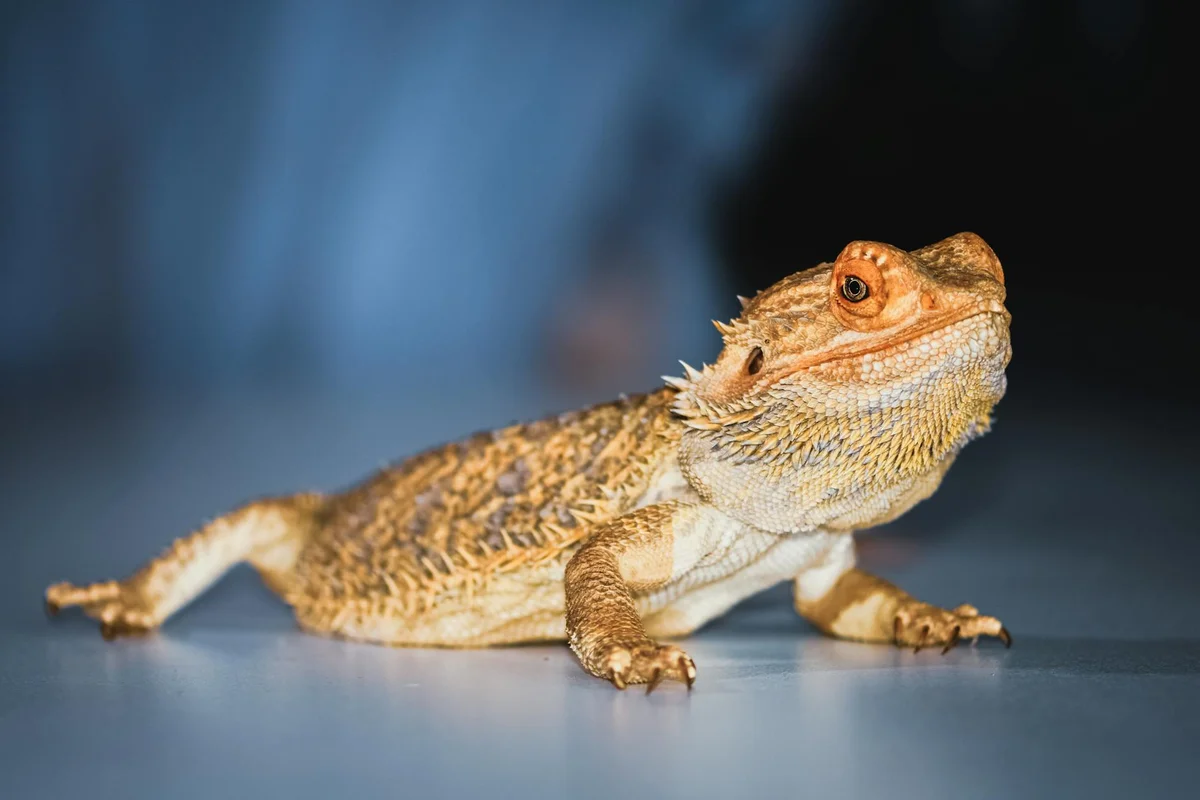
I’ve learned over the years that while many behavioral quirks are fixable at home, some signs are a direct line to the vet. Trust your gut-if something feels seriously off, it probably is. Waiting can turn a manageable issue into an emergency.
Health Symptoms That Demand a Vet Visit
These are the physical red flags I look for. They aren’t just “off days”; they’re cries for professional medical help.
- Prolonged Lethargy: A dragon sleeping all day for more than a day or two, especially if they’re unresponsive when you touch them.
- Visible Injuries: This includes cuts, swollen limbs, a limp, or a dropped tail. These can get infected quickly.
- Persistent Lack of Appetite: A healthy adult might skip a meal, but a juvenile refusing food for several days or any dragon not eating for a week needs a check-up.
- Swelling or Lumps: Any unusual bumps on the body, jaw, or limbs could indicate abscesses, tumors, or metabolic bone disease.
- Labored Breathing: Listen for wheezing, clicking sounds, or seeing them breathe with an open mouth while at rest. This often signals a respiratory infection.
- Runny or Discolored Stool: Diarrhea that lasts, or feces that are bloody, black, or unusually foul-smelling.
- Sunken Eyes or Wrinkled Skin: Classic signs of severe dehydration that may need more than just a water bowl to fix.
Behavioral Changes That Need a Professional Opinion
Sometimes the body looks fine, but the behavior tells a different story. Persistent changes in personality often have a medical root cause.
- Sudden, Unexplained Aggression: A normally calm dragon becoming consistently hostile or black-bearding for no clear reason.
- Constant Glass Surfing or Escape Attempts: When this behavior is relentless and doesn’t resolve with tank adjustments, it can signal chronic stress or discomfort we can’t see.
- Seizures or Stargazing: Any episode where your dragon arches its head back, loses coordination, or has uncontrolled muscle movements is a critical emergency.
- Hiding Constantly: If your social dragon suddenly vanishes into a hide for days and refuses to come out, even for food or basking.
A qualified reptile vet can run tests for parasites, check for internal issues, and provide treatments we simply can’t manage at home. I never regret a vet visit, even for a false alarm, because my dragon’s welfare is what matters most. A bearded dragon care guide often recommends regular vet checkups and awareness of emergency signs, so you know when to seek help. Quick action during a true emergency can save a life.
Frequently Asked Questions
What does arm-waving mean in bearded dragons?
Arm-waving is a submissive gesture, often indicating that your bearded dragon recognizes you or another dragon as dominant and is not a threat. It’s a normal behavior and not typically a sign of aggression. If you wave back, you acknowledge the gesture and reinforce a calm, trusting interaction. Waving back reinforces your bond and can also encourage your dragon to repeat the signal, helping to strengthen your relationship.
How often should I bathe my bearded dragon?
Bathing 2-3 times a week for 10-15 minutes is generally safe to aid hydration and shedding, but over-bathing can cause stress, so adjust based on your dragon’s needs and behavior. For a complete soaking guide on how often to bathe your bearded dragon, see our guide. It covers frequency, duration, water depth, and signs your dragon needs more or fewer baths.
Why is my bearded dragon refusing to eat vegetables?
This could be due to a preference for insects, a lack of variety in greens, or underlying health issues; try offering different leafy vegetables and ensure insects are gut-loaded to encourage a balanced diet.
Final Thoughts
When your bearded dragon starts acting strangely, it’s almost always a signal they are trying to send you. From glass surfing to sudden aggression, these behaviors are their only way of telling you that something in their world is out of balance. A common question is, why does my bearded dragon stare at me? Interpreting that gaze along with other cues helps you understand their needs and respond appropriately. I’ve learned through my own dragons that patience and a little detective work go a long way.
Focus on getting their habitat, temperature, and diet just right, and you’ll often see a dramatic change. Your calm and consistent presence is the best medicine for a stressed-out beardie. You’ve got this. In our calm stressed bearded dragon guide, de-stressing your pet means steady routines, gentle handling, and patience. Small, consistent care makes a big difference over time.
Further Reading & Sources
- Understanding Bearded Dragon Behavior | Blog | Long Island Bird and Exotics Pet Vet
- Ball python – Wikipedia
- Bearded Dragon Behavior | Handling & Temperament
Bearded Dragon Lair is the ultimate resource for bearded dragon enthusiasts, offering expert advice and practical tips to ensure the health and happiness of your scaly companion. With years of experience in reptile care, we are dedicated to providing accurate, up-to-date information to support your bearded dragon journey.
Temperament Insights