
Emergency Care Guide: What to Do If Your Bearded Dragon Is Sick or Dying
Watching your bearded dragon show signs of illness is a heart-stopping moment for any owner, and I’ve felt that panic myself.
As a longtime keeper of multiple beardies, I’ll help you navigate this crisis with clear, actionable steps rooted in my hands-on experience and a strong belief in compassionate animal care.
This guide will show you how to spot critical symptoms, perform urgent at-home care, and make the vital decision about veterinary help.
Recognizing the Signs of a Sick Bearded Dragon
I’ve learned over the years that bearded dragons are masters of disguise when they start to feel unwell. In the wild, showing weakness makes them a target, so they hide their symptoms until they simply can’t anymore. Your job is to become a detective, noticing the subtle clues long before a small issue becomes a full-blown crisis. Because sometimes they hide even when they’re sick.
Here are the most common red flags I’ve seen in my own dragons that signal it’s time to pay closer attention.
- Lethargy: A dragon that is consistently sluggish, sleeping more than usual, or lacks the energy to bask properly is sending a major distress signal.
- Loss of Appetite: Missing one meal isn’t a crisis, but a complete refusal to eat for more than a couple of days is a clear sign something is wrong.
- Abnormal Stools: Watch for runny, unusually smelly, or discolored feces. Blood in the stool is an immediate veterinary emergency.
- Regurgitation: This is different from pooping. If your dragon is vomiting up undigested food, it points to a serious impaction or internal issue.
- Dehydration: You can check this with the simple “skin tent” test. Gently pinch the skin on their side. If it doesn’t snap back immediately, they need fluids.
For a quick-glance reference, here are other specific symptoms to watch for.
| Symptom | What to Look For |
|---|---|
| Respiratory Issues | Wheezing, audible breathing, mucus around the nostrils or mouth, gaping when not thermoregulating. |
| Mouth Rot (Infectious Stomatitis) | Red, swollen gums, yellow, cheesy-looking pus inside the mouth, loss of appetite due to pain. |
| Shedding Problems (Dysecdysis) | Stuck shed, especially around the toes, tail tip, and eyes. This can cut off circulation and lead to loss of digits. |
I once had a dragon, Puff, who just seemed a little less interested in his crickets. It was easy to dismiss as a picky day, but I checked his weight and found he’d dropped 10 grams in a week. That early detection of minor weight loss led us to a simple parasite treatment, avoiding a much worse outcome. Trust your gut. You know your pet better than anyone.
Immediate First Aid Steps for Bearded Dragon Emergencies
When you suspect your dragon is critically ill, panic is your biggest enemy. I’ve been there, heart pounding, but taking systematic, calm action is what gives them the best chance. Your first goal is to stabilize their condition and prevent further decline while you prepare for a vet visit.
-
Check and Secure the Environment
Immediately ensure their enclosure is at the correct temperature. A sick dragon cannot regulate its body temperature effectively. Provide a proper basking spot (around 95-110°F for adults) and a cooler end. Turn off any bright lights if they seem stressed, but ensure a heat source remains. A sudden drop in temperature can shut down their digestive system and immune response. At night, avoid bright lights and use a thermostat-controlled heat source (such as a ceramic heat emitter) to maintain a steady nocturnal temperature around 65–75°F. This follows nighttime care guidelines for heating, lighting, and temperature management.
-
Assess Hydration and Offer Fluids
Perform the skin pinch test on their side. If the skin tents, they are dehydrated. Use a plastic syringe (no needle) to offer drops of water, a diluted electrolyte solution, or plain Pedialyte onto the tip of their snout. Let them lick it off. Never squirt water directly into their mouth as they can easily aspirate it into their lungs. A warm bath (no deeper than their elbows) can also help them absorb water through their vent.
-
Evaluate Their Physical State
Gently feel their body. Are their hip bones or ribs protruding? Significant weight loss is a major concern. Look at their posture. Are they flattened to the ground (lethargic) or are they arched and stiff (which can indicate pain or metabolic bone disease)? Check their belly for any unusual dark, hard spots that could signal impaction.
-
Minimize Stress and Prepare for Transport
Keep handling to an absolute minimum. Loud noises and lots of movement add immense stress. If you need to go to the vet, place them in a small, secure carrier with a soft towel and a makeshift heat pack (like a warm water bottle wrapped in a towel) to keep them warm during the trip.
I remember finding one of my rescues listless and cold. My first instinct was to hold him, but I knew that would just drain his precious body heat. Instead, I focused all my energy on gently warming his enclosure and getting fluids into him, which ultimately helped him stabilize enough for the car ride to the clinic. Your calm, focused actions in the first hour truly make all the difference.
Common Illnesses and Symptoms in Bearded Dragons
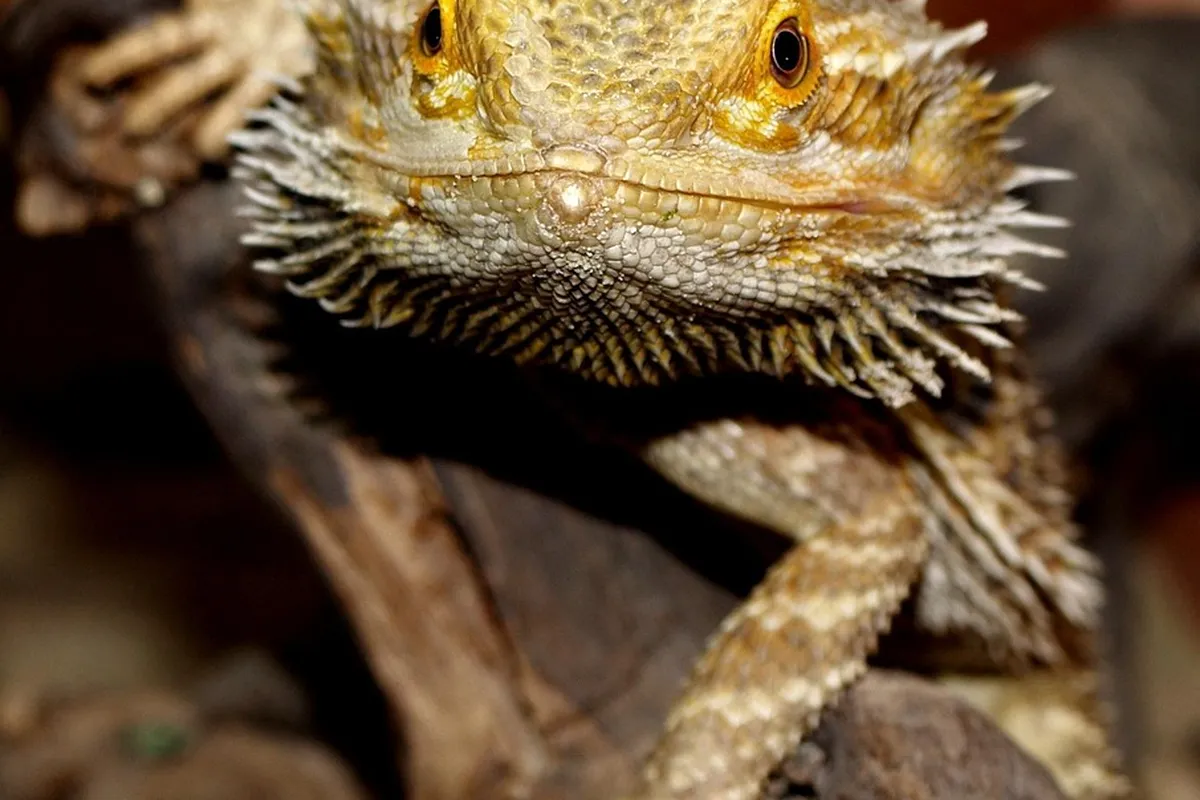
Seeing your scaly friend act differently is scary. I’ve been there, pacing in front of the terrarium. Recognizing the early signs of common illnesses can make all the difference in getting them the help they need quickly. Let’s look at some of the big ones.
Metabolic Bone Disease (MBD)
This is a heartbreakingly common issue, often from a lack of proper UVB light or calcium. I once helped a rescue dragon with early-stage MBD. You might notice a softening of their jaw, tremors in the legs, or a general difficulty moving. In severe cases, their limbs can look bent or twisted.
Respiratory Infections
Think of this like a bad cold or pneumonia for your dragon. Listen for a clicking sound when they breathe, look for mucus bubbles around their nostrils, or watch for them gaping when they aren’t thermoregulating. A respiratory infection needs veterinary treatment, often with antibiotics. Heavy breathing is a sign that can trigger worry, since it may indicate a respiratory problem. That’s why timely veterinary evaluation matters.
Parasites
Internal parasites like pinworms or coccidia are sneaky. A sudden loss of appetite, runny or particularly smelly stools, and unexpected weight loss are the biggest clues. A simple fecal test at the vet can diagnose this, and treatment is usually straightforward.
Temperature-Related Risks
Your dragon relies on you to maintain their perfect temperature gradient. Overheating (hyperthermia) looks like frantic scratching at the glass, intense gaping, and lethargy. They can die quickly from this. On the flip side, hypothermia makes them sluggish, dark in color, and they will struggle to digest their food, leading to impaction. Always double-check your tank temperatures with a reliable digital thermometer.
| Symptom | Possible Cause |
|---|---|
| Lethargy, not basking | Respiratory Infection, Impaction, Parasites, General Illness |
| Swollen or soft jaw, tremors | Metabolic Bone Disease (MBD) |
| Wheezing, mucus around nostrils | Respiratory Infection |
| Runny, foul-smelling stool | Internal Parasites, Bacterial Infection |
| Not eating, weight loss | Parasites, Impaction, Stress, Advanced Illness |
| Hiding constantly, black beard | Pain, Stress, Severe Discomfort |
When to Rush Your Bearded Dragon to the Vet
Some situations are simply beyond home care. Trust your gut-if something feels seriously wrong, it probably is. Your dragon’s welfare depends on you making the call for professional help.
Red Flags That Demand Urgent Care
Do not wait if you see any of these symptoms. This is your clear signal to drop everything and call an emergency reptile vet.
- Severe Lethargy: They don’t move even when you handle them or are completely unresponsive.
- Breathing Difficulties: Open-mouth breathing, heavy panting, or audible gasps.
- Paralysis: Any part of their body, especially the back legs, is limp and not moving.
- Seizures or Violent Tremors: Uncontrolled shaking or spasms.
- Physical Injury: Any bleeding, a prolapse (internal tissue coming out), or a suspected broken bone.
- Pale Gums or a Jet-Black Beard that lasts for hours, indicating extreme stress or pain.
Your Emergency Response Timeline
Time is critical with a sick reptile. Your goal should be to have them seen by a professional within 24 hours of noticing severe symptoms. For things like trauma, bleeding, or seizures, you need to aim for immediate care.
- Call First: Immediately call an exotic vet. Tell them it’s an emergency with a bearded dragon.
- Prepare for Transport: Place your dragon in a secure, ventilated container with a soft towel on the bottom. Keep them warm for the journey.
- Go. Do not delay.
What to Tell the Reptile Vet
To get the best care, give the vet a clear, concise picture. Bringing the right information helps the vet diagnose the problem faster. Be ready to explain:
- The main symptom that prompted your visit (e.g., “He hasn’t moved in 12 hours”).
- When the symptoms first started.
- Your dragon’s diet, supplements, and the last time they ate.
- Their tank setup, including basking and cool side temperatures.
- A fresh fecal sample, if you have one.
I’ve had to make that emergency vet trip. It’s stressful, but it’s your responsibility as a pet owner. Home remedies and internet advice have their place, but they are no substitute for professional medical diagnosis and treatment when your dragon’s life is on the line. If your bearded dragon is sick, there are 12 critical health symptoms you should never ignore. Learning to spot them early can prompt timely vet visits and better outcomes.
Home Care and Stabilization for a Sick Bearded Dragon
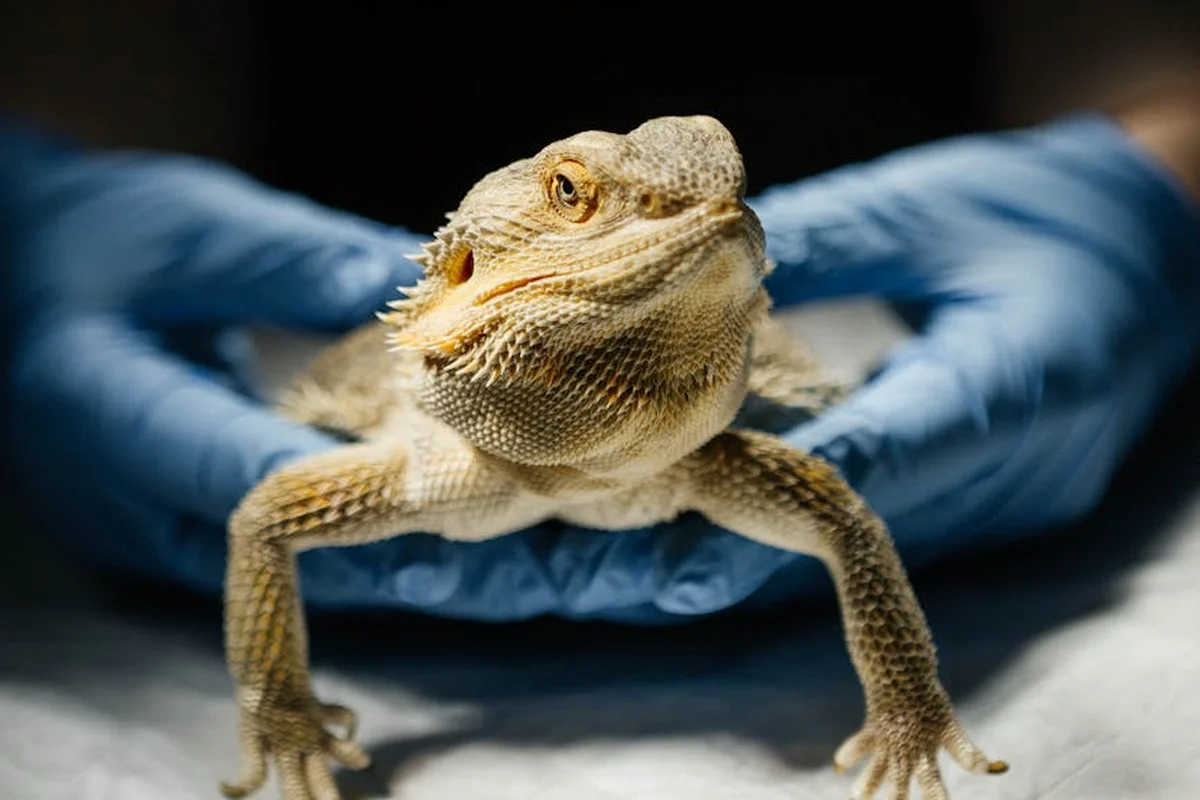
When one of my dragons is under the weather, my first priority is to create a hospital tank environment. This isn’t the time for big, exciting changes. Your main goal is to support their body’s basic functions so it can focus on healing.
Maintaining Diet and Hydration
A sick beardie often loses its appetite, which can quickly lead to a downward spiral.
- For hydration, I skip the water bowl. I gently drip water onto their snout using a plastic syringe (without the needle). Let them lick it off at their own pace.
- If they won’t drink, a warm bath can help. Make it shallow and never leave them unattended. The goal is hydration, not swimming.
- For food, think simple and enticing. I’ve had great success with Repashy Grub Pie or organic baby food-pureed squash or chicken is a go-to. You can offer it from a spoon or syringe.
- Do not force-feed a lethargic dragon, as this can cause aspiration. If they are completely refusing all food and water for more than 48 hours, it’s a vet situation.
Optimizing the Enclosure
Your dragon’s tank setup needs to be perfect when they are sick. Any small error is magnified.
- Double-check your temperatures. The basking spot must be precise (100-110°F for adults). A weak dragon cannot thermoregulate properly and needs that reliable heat for their immune system.
- Ensure UVB lighting is working and hasn’t passed its expiry date (usually 6-12 months). They need this to process calcium and fight off illness.
- Simplify the tank. Remove any rough décor they could scrape against and use paper towel as a substrate. It’s sterile, easy to clean, and lets you monitor their droppings closely.
Handling and Stress Reduction
Your sick dragon needs peace and quiet more than ever.
- Limit handling to essential care only, like baths or medication. When you do handle them, be a steady, warm platform. Move slowly and deliberately.
- Cover three sides of the tank with a towel or background to make them feel more secure. I’ve seen this simple trick reduce stress levels visibly.
- Keep the room quiet and limit foot traffic past their enclosure. A low-stress environment is a powerful medicine for a reptile. I even talk to my dragons in a calm, low voice during care routines to soothe them.
Essential Emergency Supplies for Bearded Dragon Care
After a late-night scare with one of my first dragons, I assembled a dedicated “Dragon First-Aid Kit.” For bearded dragons, having a dedicated bearded dragon first aid kit is essential for quick, calm care of minor injuries. Having these supplies on hand means you can act immediately, without a panic-induced trip to the store.
I keep everything in a plastic storage bin in the same closet as their food. Being prepared is one of the most responsible things you can do as a pet owner.
- Digital Thermometer with Probe: Do not rely on stick-on dials. A probe thermometer lets you get an exact reading on the basking spot and the cool side. This is non-negotiable.
- Plastic Syringes (1mL and 10mL): Invaluable for administering water, liquid food, or medication. You can buy these at any pharmacy.
- Electrolyte Soaking Solution: I keep a small jar of unflavored Pedialyte. A diluted soak can help a dehydrated dragon absorb fluids and minerals through their vent.
- Critical Care Carnivore Mix: This powdered food from Oxbow or Repashy is a lifesaver. You mix it with water to create a slurry for syringe-feeding a dragon that won’t eat.
- Betadine (Povidone-Iodine): For cleaning minor wounds or scratches. You dilute it to the color of weak tea for a safe, antiseptic soak.
- Sterile Saline Solution and Gauze Pads: For flushing out eyes or cleaning wounds without causing irritation.
- Cornstarch or Styptic Powder: If you accidentally clip a nail too short and it bleeds, a dab of this will stop the bleeding quickly.
- A Small, Secure Travel Carrier: Have this ready to go. In an emergency, you don’t want to be searching for a box. Line it with a soft towel for the journey to the vet.
How to Safely Transport Your Bearded Dragon to the Vet
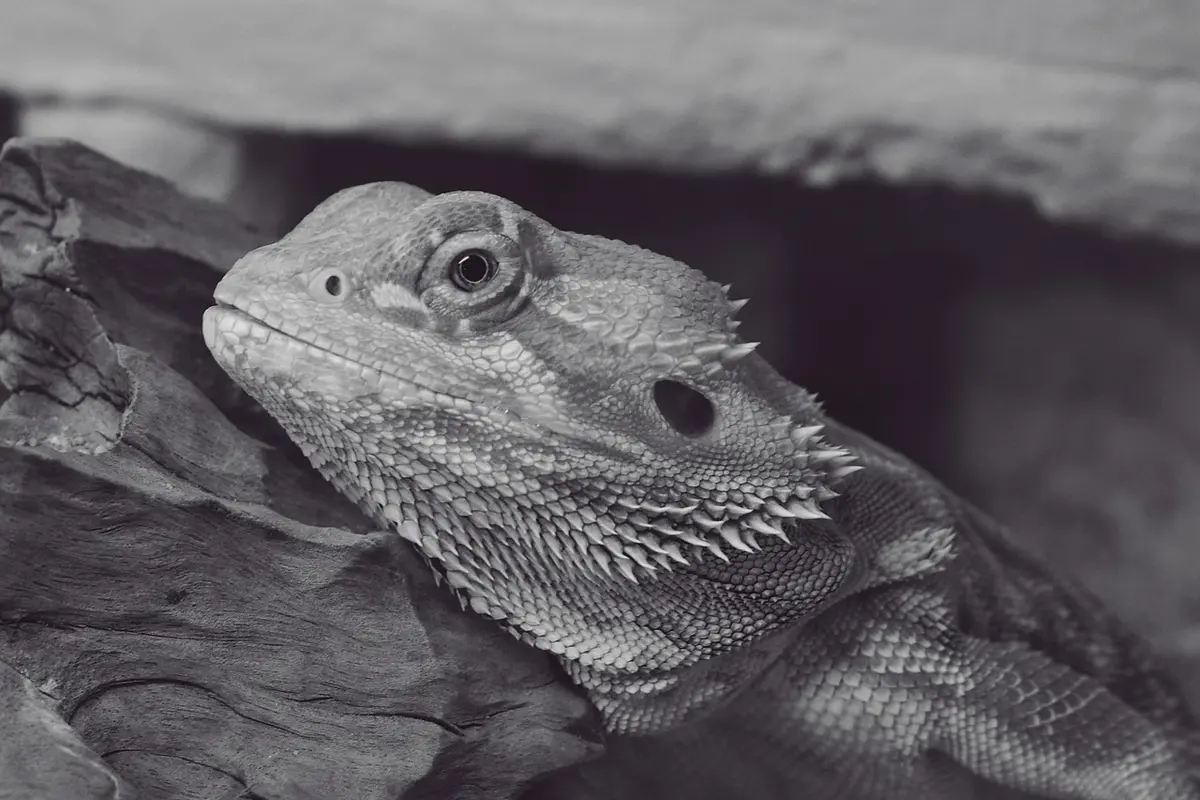
Getting a sick reptile to the clinic safely is a skill in itself. I’ve made this trip more times than I’d like to admit, and a calm, prepared journey can make a real difference for your pet’s well-being.
-
Prepare a Secure and Comfortable Travel Carrier
Do not ever transport your bearded dragon loose in your car or in their large glass tank. A small, secure carrier is essential for their safety and to prevent escape. I use a standard small animal plastic carrier with a secure locking lid. You can also use a sturdy, well-ventilated plastic container with a few air holes drilled in the sides. If you’re traveling with your bearded dragon—by car, plane, or on long-distance trips—this same carrier setup applies. A reliable, well-ventilated carrier makes travel safer and less stressful for your scaly companion.
Line the bottom with a soft, non-looping towel or several layers of plain paper towels. Avoid loose substrates like sand or mulch, as they can shift and jostle your dragon, or worse, be ingested if they are disoriented. I always include a small, familiar item from their enclosure, like a smooth rock or a simple cloth hide. This provides a tiny anchor of familiarity in a scary situation.
-
Manage Temperature and Minimize Stress
Reptiles cannot regulate their own body temperature, so this is a critical step. Your goal is to maintain a gentle warmth, not recreate their basking spot.
- Pre-warm the carrier by placing it in a warm room for 10-15 minutes before you put your dragon inside.
- If the weather is cool, I use a disposable hand warmer. I wrap it securely in a towel and place it under the paper towel lining at one end of the carrier. This creates a warm zone your dragon can move toward if needed.
- Always place the carrier in the passenger footwell of your car, not on a seat. The floor is the most stable, draft-free area and prevents the carrier from sliding during turns or stops.
- Keep the car radio off and avoid loud conversations. The calmer the environment, the better.
-
Learn from Real Emergency Transport
I remember one late-night emergency with my first beardie, Smaug. He was lethargic and I was panicked. I rushed him to the vet in a cardboard box, which he started to chew through in his stress. I learned two vital lessons that night.
First, a dark cover, like a towel thrown over the carrier, works wonders to block out visual stimuli and create a calming, den-like environment. Second, always call the vet clinic while you are on your way. This gives them a heads-up, and in my case, they had the exam room ready and waiting, which shaved precious minutes off our wait time.
Handle your dragon as little as possible when transferring them to the carrier. A slow, confident scoop is better than a fumbling grab. Your calm energy is contagious, even to a sick pet.
Frequently Asked Questions
How often should I schedule regular vet check-ups for my bearded dragon?
It’s recommended to take your bearded dragon for a wellness exam at least once a year to catch any potential health issues early. For younger dragons or those with a history of illness, more frequent visits may be advised by your reptile vet. Having a go-vet guide on hand can help you recognize emergencies and decide when a checkup or urgent care is needed. It also helps you know what to do if an issue arises before you can reach the clinic.
Is it safe to give human medications to my bearded dragon?
No, you should never administer human medications to your bearded dragon without veterinary guidance, as their metabolism is different and it could be toxic or fatal. Always consult a reptile vet for appropriate, species-specific treatments. Respiratory infections are among the common health issues in bearded dragons and should be evaluated by a veterinarian. They can diagnose and treat respiratory problems correctly and advise on other health concerns and preventative care.
What should I do if my bearded dragon refuses to eat but otherwise seems healthy?
First, double-check your enclosure setup, including basking temperatures and UVB lighting, as improper conditions are a common cause of appetite loss. If the issue continues for more than a few days or is accompanied by other symptoms, seek veterinary advice to rule out underlying issues like parasites or stress.
Final Thoughts
When your bearded dragon is sick, your quick, calm action is their best chance. Trust your instincts—you know your pet better than anyone, and if something feels wrong, it usually is. Knowing what healthy looks like helps you spot illness fast. Be mindful of changes in appetite, energy, or breathing, as these are key signs. Focus on keeping them warm and hydrated while you arrange for professional veterinary care.
From my own experience, these moments are incredibly stressful, but you are your dragon’s greatest advocate. Being prepared and knowing the signs of distress allows you to be the hero your pet needs. Learning to spot stress signs can help reduce their anxiety. When you recognize stress cues early, you can respond calmly and ease your dragon’s nerves. You’ve got this.
Further Reading & Sources
- Bearded Dragon Care Guide | Long Island Avian and Exotic Vet Clinic
- Emergency and Rescue – Bearded Dragon Foundation
- Sarah’s Bearded Dragon Rescue: Critical Care Steps
Bearded Dragon Lair is the ultimate resource for bearded dragon enthusiasts, offering expert advice and practical tips to ensure the health and happiness of your scaly companion. With years of experience in reptile care, we are dedicated to providing accurate, up-to-date information to support your bearded dragon journey.
First Aid Tips