
Can You Travel with a Bearded Dragon? A Guide to Cars, Planes, and Long Trips
Thinking about hitting the road or skies with your bearded dragon? It’s a common question for devoted owners who don’t want to leave their scaly friend behind.
As a longtime beardie owner who’s navigated countless vet trips and family vacations with my crew, I’m here to help you plan a safe and low-stress journey for your pet.
I’ll break down the essentials for car travel, the realities of flying, and my top tips for managing longer adventures to keep your dragon comfortable.
Is Traveling with a Bearded Dragon Safe?
This is the big question, and the honest answer is: it depends. Travel safety hinges almost entirely on your dragon’s individual health, your preparation level, and the trip’s duration. I’ve taken my beardie, Puff, on countless car rides, but I’d think twice before booking a cross-country flight.
Assessing Your Dragon’s Health for Travel
Before any trip, I give Puff a mini health check. A vet visit is ideal for long journeys, but you can do a basic assessment at home. A travel-ready dragon should be alert, have a good appetite, and show normal basking behavior. This quick check is part of a complete health check guide on how to tell if your bearded dragon is healthy. For a thorough assessment, follow the full steps in that guide before traveling. Any sign of illness or weakness means you should postpone your travel plans immediately.
Ask yourself these questions:
- Is their weight stable and are they eating normally?
- Are their eyes bright and clear, not sunken?
- Is their skin a healthy color without any dark, stress-related patches?
- Are they pooping regularly and is the urate white?
A “no” to any of these is a red flag.
Common Stress Indicators in Bearded Dragons
Bearded dragons communicate stress through their bodies. Learning this language is your most important travel skill. Stress marks—those dark, oval-shaped patterns on their belly and chin—are the most obvious sign your dragon is uncomfortable. Recognizing these stressed spot signs lets you intervene to reduce their anxiety—adjust the enclosure conditions (temperature, lighting), minimize handling, and provide a calm, secure space. With consistent care, your dragon will settle more quickly.
Watch for these other subtle cues:
- Glass Surfing: Frantically scratching at the sides of their enclosure.
- Color Darkening: Their overall body color turns darker, almost black.
- Puffed Beard: While sometimes a normal display, a black, puffed beard during handling is a distress signal.
- Hiding & Lethargy: Refusing to come out or seeming unusually sluggish.
If you see these, it’s time to stop and let them calm down in a quiet, secure spot.
Preparing Your Bearded Dragon for Travel
Good preparation turns a potentially scary trip into a manageable adventure for your scaly friend. Rushing this process is the number one cause of travel-related stress and health issues.
Choosing the Right Travel Carrier
You can’t just use a cardboard box. A proper carrier is non-negotiable for safety. I prefer a small, hard-sided plastic cat carrier with secure locking doors. The carrier must have adequate ventilation on at least two sides to prevent stagnant, stuffy air.
Here’s what to look for:
- Security: Latch mechanisms that won’t pop open if jostled.
- Size: Just large enough for your dragon to turn around comfortably, but not so big they get tossed around.
- Privacy: Solid walls on at least three sides to help them feel hidden and secure.
- Easy Cleaning: A plastic base is a must for any accidental messes.
Line the bottom with a soft, non-loopy towel or reptile carpet to provide secure footing.
Essential Supplies for Bearded Dragon Travel
Packing a “dragon go-bag” gives you peace of mind. This kit should handle all your dragon’s basic needs for at least 24 hours beyond your expected travel time.
My travel kit always includes:
- Travel carrier
- Spare towels or substrate
- Small bag of their regular food (greens & live feeders in a secure container)
- Spray bottle for misting and hydration
- Small, shallow water dish
- Digital thermometer/hygrometer
- Hand warmers (for emergency heat, never placed directly against the dragon)
- Poop cleaning supplies: bags, paper towels, reptile-safe cleaner
- A familiar item from their tank, like a small hide, to offer comfort
Temperature and Humidity Control on the Go
This is the trickiest part of traveling. You’re taking them out of their perfectly controlled environment. Your primary goal is to keep them in their Preferred Optimal Temperature Zone, which is generally between 75-85°F (24-29°C).
For car trips, I never rely on the car’s climate control alone. Here are my methods:
- Pre-warm the Car: Get the car to a comfortable temperature before you bring your dragon out.
- Insulate the Carrier: Wrap a blanket around three sides of the carrier to buffer against cold drafts from windows.
- Portable Heat Packs: Those disposable hand warmers are lifesavers. Activate one, wrap it in a towel, and place it on the outside of the carrier wall. Always check the temperature with your hand first to ensure it’s not too hot.
- Avoid Direct Sun: Never park the carrier in direct sunlight, as it can create a deadly oven effect in minutes.
For humidity, a quick misting inside the carrier before you leave is usually sufficient for a few hours.
Traveling by Car with Your Bearded Dragon
Setting Up a Safe Car Environment
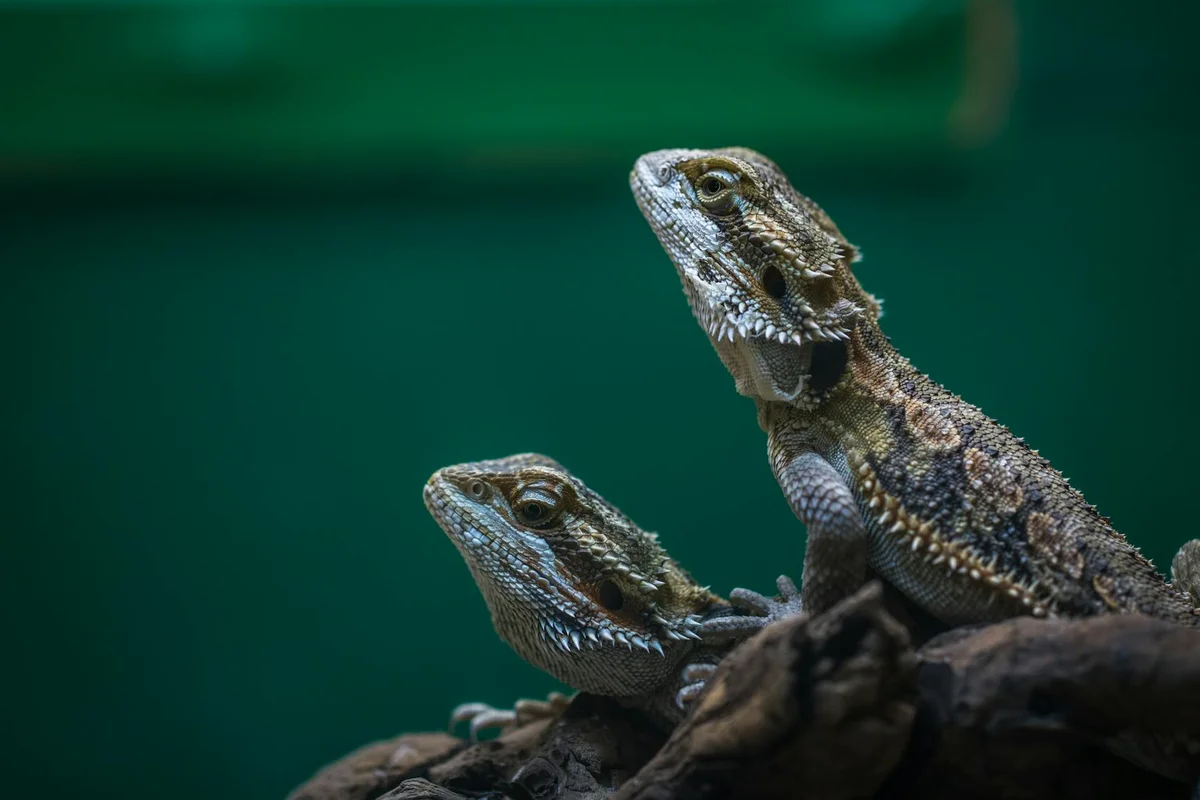
Your number one job is to make the car feel like a secure, rolling basking spot. I never let my beardie, Smaug, roam free in the car; a sudden stop could be disastrous. You must secure their travel carrier with a seatbelt to keep it from sliding or tipping over. Place the carrier in a stable spot, like the footwell of a back seat or firmly on a seat itself.
Temperature control is your biggest battle. Direct sun through a window can cook a reptile in minutes. I always park the carrier in the shade inside the car and use sunshades on the windows. Never, ever leave your bearded dragon alone in a parked car, as temperatures can become lethal frighteningly fast. For heat, I swear by portable, human-grade hand warmers wrapped in a towel and placed near (not touching!) the carrier. Proper heat management is crucial for their well-being.
Feeding and Hydration During Car Trips
I’ve learned the hard way that a big meal right before a journey is a recipe for a messy, stressful cleanup. It’s best to withhold food for a few hours before you hit the road to prevent motion-induced regurgitation. I’ll offer a small, easy snack like a piece of squash only during a long rest stop if my dragon seems alert and interested.
Hydration, however, is non-negotiable. I don’t keep a water bowl in the moving carrier as it will just slosh everywhere. Instead, I offer water directly by dripping it on his snout with a small syringe or by misting his nose lightly during our breaks. You can also offer high-water-content veggies like a cucumber slice to nibble on when you’re stopped.
Navigating Air Travel with a Bearded Dragon
Understanding Airline Regulations and Permits
This is where your research muscles need to flex. Flying with a reptile is a complex puzzle, and the rules change constantly. Your first and most critical step is to call the airline directly-do not rely on generic website pet policies. You must confirm they accept reptiles and understand their specific carrier size and material requirements.
For international travel, the rules get even tighter. You will likely need a health certificate from an accredited veterinarian issued within a specific timeframe (often 10 days before travel). Research the import/export permits required by both your departure and destination countries, as this process can take months.
In-Cabin vs. Cargo Travel for Reptiles
This choice is simple for me, and it’s a hill I will die on. If an airline allows a bearded dragon to fly, you must fight to have them in the cabin with you. The cargo hold is a dark, loud, and temperature-uncontrolled environment that is incredibly stressful and potentially dangerous for a cold-blooded animal. Minimizing stress during travel is crucial, especially when relocating bearded dragons.
Very few airlines permit reptiles in the cabin, so your options will be limited. Be prepared for this reality. If the only option is to check your dragon as baggage or cargo, I strongly recommend you reconsider the necessity of the trip or find an alternative, like a trusted pet sitter. The risks are simply too high, especially when it comes to health concerns such as potential salmonella transmission from bearded dragons.
Pre-Flight Preparations for Air Travel
Getting through security is its own mini-adventure. You will need to take your bearded dragon out of its carrier so the carrier can go through the X-ray machine. I use a secure, small fabric pouch or hold Smaug firmly in my hands to walk through the metal detector. Tell the TSA agent you have a live reptile before you start the process. If your bearded dragon is scared or acting aggressively, approach calmly, support its chest and hindquarters with both hands, and keep it close to your body to reduce stress. Avoid grabbing by the tail and give it a moment to settle if it hisses or tenses up.
For the flight itself, pack the carrier with a familiar, absorbent substrate like paper towels. Attach a small, secure bag of your dragon’s regular food and a printed copy of all required health documents to the outside of the carrier. Do not feed your dragon for several hours before the flight to minimize waste and stress.
Long-Distance Travel Strategies for Bearded Dragons
Managing Lighting and Heat on Long Trips
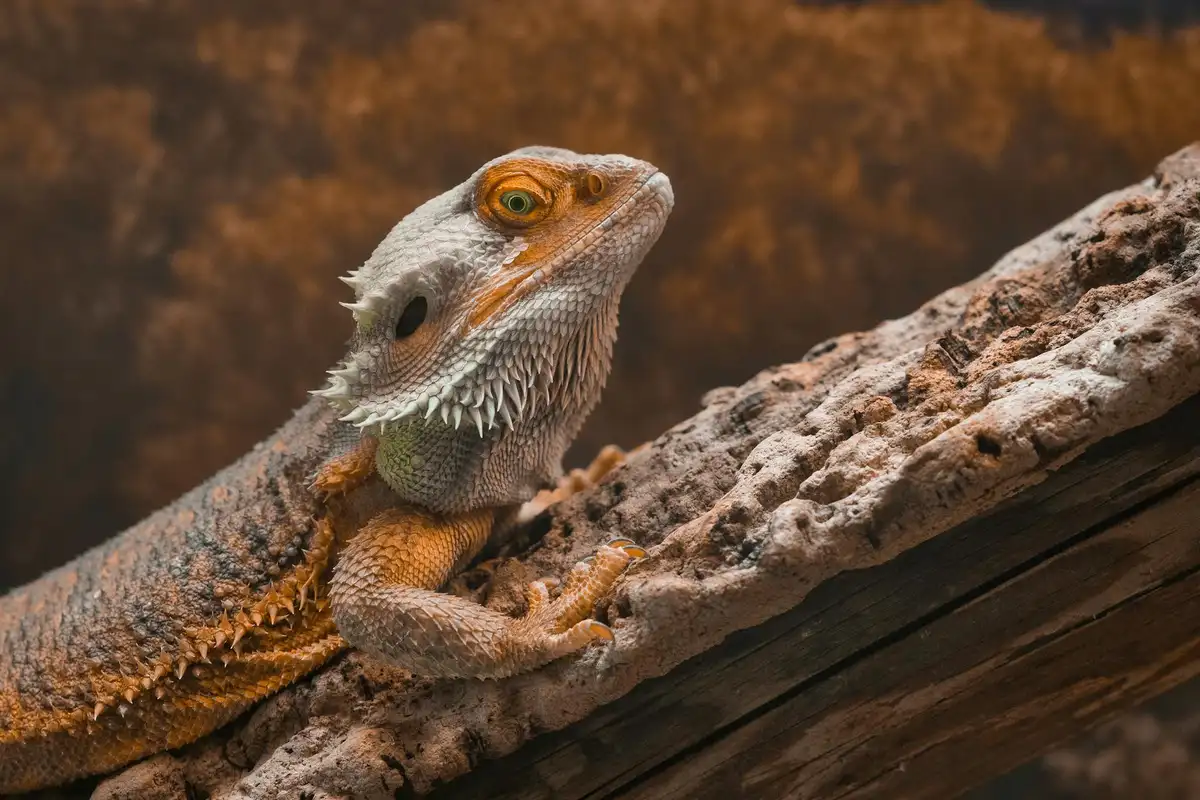
A multi-day road trip means you’re now a mobile utilities manager. A standard heat lamp is a fire hazard in a car and draws too much power. My go-to solution is a portable 12-volt car inverter that allows me to safely plug in a small, low-wattage ceramic heat emitter. I only run it when I’m in the car to monitor it.
For overnight stops at hotels, I bring their regular lamp and basking fixture. UVB lighting is trickier; since they don’t get proper exposure during travel days, I ensure their hotel setup has their correct UVB bulb for at least 10-12 hours to compensate. A bearded dragon lighting guide emphasizes pairing UVB with a heat lamp and maintaining a consistent 12-hour daily light cycle. This setup helps keep their metabolism and shedding on track even when travel disrupts routine. It’s a bit of a hassle to pack, but their long-term health depends on it.
Overnight Stops and Temporary Enclosures
After a long day in the car, your beardie deserves a proper, if temporary, home. I use a collapsible plastic pen or a simple plastic storage bin for these overnight setups. This temporary enclosure must be escape-proof and include their familiar hides and a stable basking area. It provides crucial mental security and a chance to thermoregulate properly.
Before you book anything, always call the hotel to confirm their pet policy explicitly includes reptiles. I always do a quick “beardie-proof” of the hotel room, checking for small spaces they could crawl into or hazardous items they might lick. Keep the “Do Not Disturb” sign on the door to ensure no housekeeping staff accidentally lets them out.
Reducing Stress and Ensuring Comfort During Travel
I’ve learned that a stressed beardie is a beardie that won’t eat, and that’s our first big red flag. The single most important thing you can do is make their travel carrier a safe, familiar place long before the trip begins.
Acclimation and Familiarization Techniques
Don’t just pull the carrier out of the closet on travel day. That’s a surefire way to scare your scaly friend. Here’s what works in my routine:
- Place the open carrier in their enclosure a week or two before you leave.
- Put their favorite hide, a t-shirt with your scent, and a familiar basking rock inside.
- Feed them their daily salads inside the carrier so they build positive associations.
- Take them on short, five-minute “practice” drives around the neighborhood.
This process teaches your dragon that the carrier is just another part of their home, not a scary box. My beardie, Puff, now walks right into his carrier when he sees it because he knows it’s a safe spot. Consistent, gentle handling is a key part of taming a bearded dragon and strengthening the bond. With time, handling becomes a natural, positive part of your dragon’s day.
Handling and Interaction While Traveling
It’s tempting to check on them constantly, but you have to fight that urge. Limit handling to absolute necessities only, like a quick temperature check or to offer water.
- Resist taking them out for cuddles during the journey; it disrupts their sense of security.
- If you must handle them, do so when the vehicle is completely stopped and parked.
- Speak to them in a calm, low voice-they recognize and are soothed by familiar sounds.
- Watch for stress signs like glass surfing in the carrier, frantic scratching, or a jet-black beard.
I keep a small towel draped over the back half of Puff’s carrier to block out visual noise, which he really seems to appreciate on long highway stretches.
Legal and Regulatory Considerations for Travel

This is the part most owners overlook, but it’s critical for your pet’s welfare and your own peace of mind. Assuming your pet is welcome everywhere can lead to heartbreaking situations at state lines or airport security.
Interstate and International Travel Requirements
The rules change depending on where you’re going, and it’s your responsibility to know them.
- Interstate Travel: Some states, like Hawaii, have extremely strict quarantine laws to protect their native ecosystems. Always check the Department of Agriculture website for both your home state and your destination.
- International Travel: This is a whole different ballgame. Many countries outright prohibit bearded dragons as pets. Others require lengthy quarantine periods, specific blood tests, or import permits that can take months to secure.
- Airlines: Every airline sets its own live animal policy. Some ban reptiles entirely, while others have strict rules about carrier dimensions and seasonal embargoes.
Call your airline and verify their reptile policy directly-don’t rely on old forum posts or general website information. I once had to completely reroute a trip because one airline had a “no reptiles” rule I hadn’t double-checked.
Documentation and Record-Keeping for Pet Travel
Paperwork is your best friend when traveling with an exotic pet. I keep a dedicated “Puff Folder” for all his documents.
- Certificate of Veterinary Inspection (CVI): Also known as a health certificate, this is often required for interstate travel. Your vet must issue it within 10 days of your trip.
- Proof of Ownership: Keep clear photos of you with your bearded dragon and save receipts from when you purchased them.
- Medical History: Carry a copy of their most recent vet visit summary.
Having this paperwork organized and readily accessible makes any official checkpoint go smoothly and shows you are a responsible owner. It’s a simple step that protects your animal from being confiscated.
Frequently Asked Questions
What is the best feeding schedule for my bearded dragon during a long car trip?
It is best to withhold food for a few hours before departure to prevent regurgitation. Offer small, easy-to-digest snacks like a piece of squash or a high-water-content vegetable only during long rest stops if your dragon seems alert and interested. The best time to feed your bearded dragon is during the day when it is most active, after a warm basking session. Plan main meals for daylight hours and avoid feeding right before lights-out to support digestion.
Should I keep a water bowl in the travel carrier?
No, a water bowl in a moving carrier will slosh and create a wet, unsanitary environment. Instead, provide hydration by lightly misting their nose or offering water directly from a syringe or by letting them lick droplets off their snout during breaks.
Is it okay to take my bearded dragon out of its carrier to hold it during the trip?
You should limit handling to absolute necessities. It is safest to only take your dragon out when the vehicle is completely stopped and parked, as handling during travel can disrupt their sense of security and is a safety risk in a moving vehicle.
Final Thoughts
With thoughtful preparation, you absolutely can share your adventures with your bearded dragon. The key to a smooth journey lies in mimicking the safety and comfort of their home enclosure as closely as possible, whether you’re in a car or on a plane. For beginners, this approach is covered in the bearded dragon complete beginners guide, which offers practical transport and care tips. Following those steps helps ensure a calm, safe trip for your dragon from start to finish.
Ultimately, your dragon’s well-being is the most important factor in any travel decision. Plan meticulously, prioritize their warmth and security, and you’ll both be ready to hit the road. I’ve found the extra effort is always worth it for the peace of mind.
Further Reading & Sources
- A Helpful Guide to Traveling With Your Bearded Dragon – Beardie Bungalow
- 7 Stress Free Tips for Transporting & Traveling With Your Bearded Dragon
- How to Travel With Your Bearded Dragon: A Stress-Free Guide | PangoVet
Bearded Dragon Lair is the ultimate resource for bearded dragon enthusiasts, offering expert advice and practical tips to ensure the health and happiness of your scaly companion. With years of experience in reptile care, we are dedicated to providing accurate, up-to-date information to support your bearded dragon journey.
Essential Gear