
How Do You Play With a Bearded Dragon? Fun Activities & Toy Ideas
Wondering how to turn your bearded dragon’s tank time into engaging play sessions? You’re not alone-many owners want to bond but aren’t sure where to start.
After years of caring for my own beardies, I’ve perfected safe, stimulating play that respects their unique instincts and needs.
I’ll guide you through gentle handling tips, interactive games they love, and DIY toy ideas you can try today.
Do Bearded Dragons Enjoy Playing and How Can You Tell?
Many new owners ask me this, and the answer is a fascinating yes—but not in the way a dog or cat plays. Bearded dragons show enjoyment through calm curiosity and engagement with their environment and with you. Bearded dragons can hear low-frequency sounds and vibrations, using these cues to communicate their mood. Understanding their hearing helps you read their signals more accurately. I’ve spent countless hours just observing my dragons, and learning their unique body language is the key to a happy play session.
You’ll know your bearded dragon is having a good time when you see these happy signs:
- A relaxed, flat body posture-not puffed up or tense.
- Slow, deliberate movements as they explore a new item or space.
- Curious head tilts and focused attention on you or a toy.
- Voluntarily approaching your hand or climbing onto you.
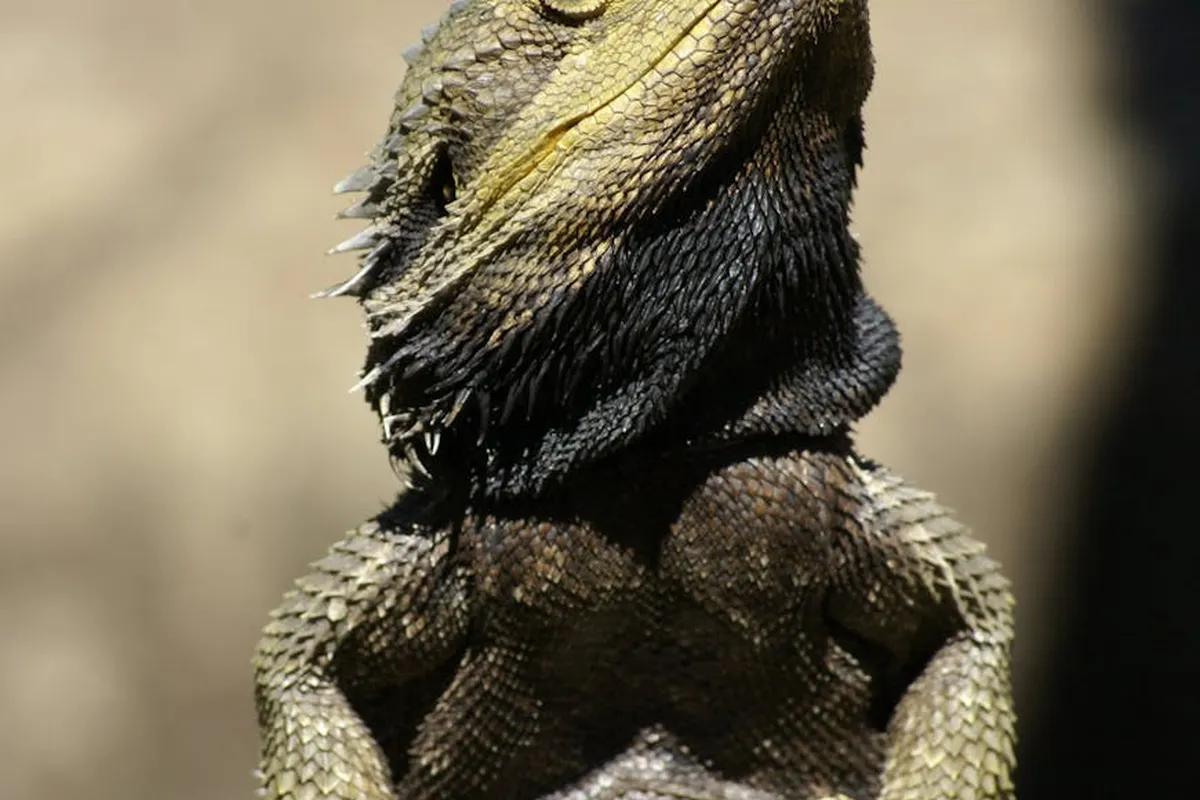
- A light-colored, normal beard without any blackening.
On the flip side, it’s vital to recognize stress signals so you can end the activity immediately. Stress is their way of saying they are scared or overwhelmed, and pushing them further can damage your bond. I’ve had to cut sessions short when I see these clear warnings:
- A black or darkening beard, which is a primary sign of stress or agitation.
- Gaping (holding their mouth open wide) when not basking.
- Frantic, rapid attempts to escape or run away.
- Hissing or puffing up their body to appear larger.
- Flattening their body extremely low to the ground.
Bonding With Your Bearded Dragon Through Interactive Play
Think of playtime as your primary tool for building a deep, trusting friendship. Bonding doesn’t happen overnight; it’s built through consistent, positive, and gentle interactions. Bearded dragons can form attachments and often recognize their regular handlers. They may seek out familiar faces and settle with calm, predictable handling. From my experience, the dragons I’ve spent the most quiet, patient time with are the ones that now willingly fall asleep on my chest.
Start with these gentle handling techniques to build a foundation of trust:
- Always approach from the side and below their line of sight, never from above like a predator.
- Move in slow, predictable motions to avoid startling them.
- Let them walk onto your open hand instead of scooping them up.
- Support their entire body and all four legs when you hold them.
- Speak to them in a soft, calm voice throughout your interaction.
For a successful play session, follow these simple steps. Keeping sessions short and positive is more valuable than one long, exhausting outing. I usually aim for 10 to 15 minutes at a time, especially with a newer dragon.
- Choose a safe, enclosed area outside their tank, like a playpen or a cleared floor space.
- Place a familiar item from their enclosure, like a basking rock, in the space to help them feel secure.
- Sit with them and let them explore the new area at their own pace. Do not force interaction.
- Introduce one simple toy or activity, like a brightly colored ball or a dig box.
- Watch their body language closely. If they show any stress, calmly return them to their home.
- End the session on a positive note with a small, healthy treat or by gently placing them back on their favorite basking spot.
Fun Play Activities and Games for Bearded Dragons
Indoor Enrichment and Exercise Games
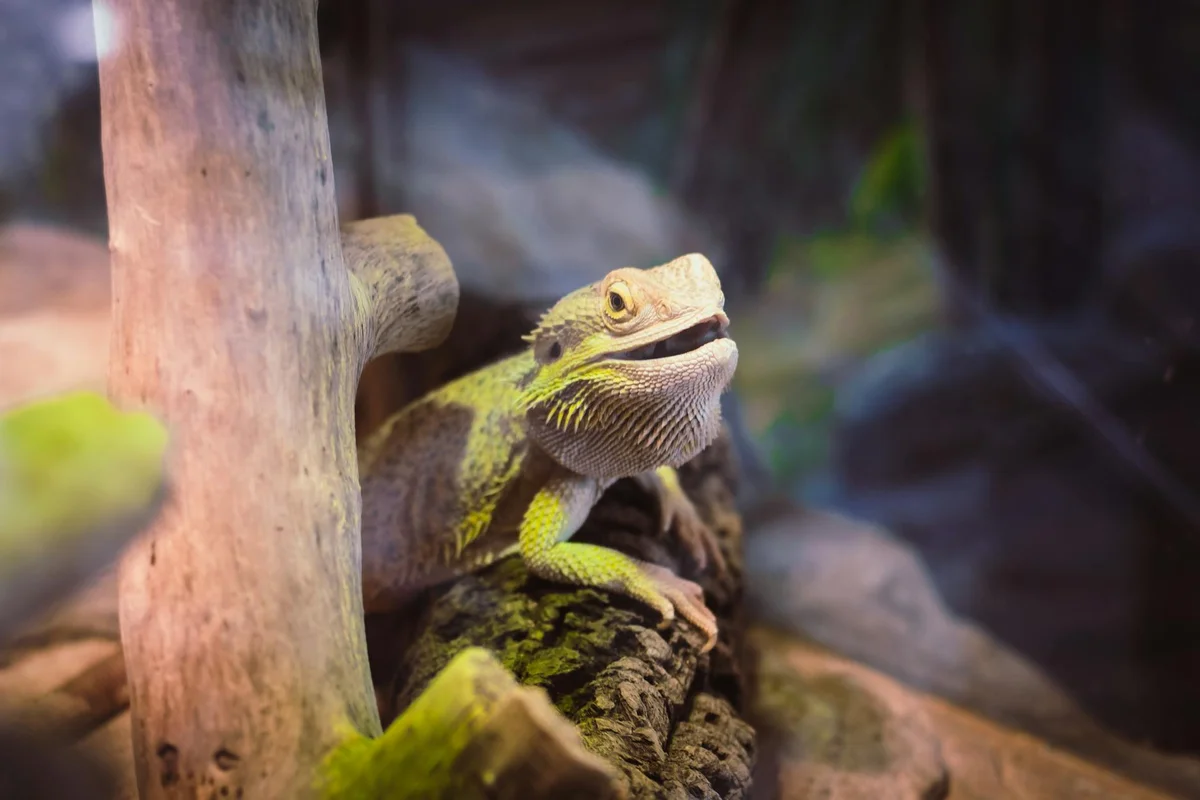
Watching my bearded dragon, Puff, explore a new setup is one of my favorite things. Creating a simple obstacle course is a fantastic way to get them moving and thinking. You don’t need anything fancy; just use items you already have. If you’re a complete beginner, this is the kind of tip you’d find in a bearded dragon complete beginners setup guide. It helps you cover the basics before you dive into more complicated setups.
- Climbing Branches: Use sterilized branches from non-toxic trees (like oak or maple) or reptile-safe driftwood to create different levels in their tank or on a playpen floor.
- Crawling Tunnels: Paper towel tubes, cardboard boxes with holes cut in them, or commercially made reptile tunnels are perfect for them to scoot through.
- Gentle Slopes: A flat rock or a piece of slate propped up slightly encourages them to climb and helps wear down their nails.
You can turn these elements into specific games. Here’s how I play with Puff:
- Hide and Seek: Place a favorite treat or one of their regular greens in plain sight. Then, gradually hide the food behind a branch or inside a tunnel, encouraging them to “seek” it out.
- Foraging Fun: Scatter their daily salad throughout their enclosure instead of putting it in one bowl. This makes them work for their food, mimicking natural behavior. For an extra challenge, use a puzzle feeder-a shallow dish with safe, removable obstacles they must navigate.
Outdoor Exploration and Environmental Enrichment
Nothing beats natural sunlight for a bearded dragon’s health and mood. Supervised outdoor time provides essential UVB and incredible mental stimulation. Safe outdoor time pairs well with gradual harness training—start indoors, then ease into short, calm outdoor sessions. With consistent practice, your beardie becomes comfortable and responsive while secured. I always use a secure, well-fitting reptile harness because a startled beardie can bolt surprisingly fast.
- Supervised Exploration: Find a quiet, pesticide-free patch of grass. Let them walk around and experience new textures under their feet and different smells on the breeze.
- Basking Enrichment: Place a familiar basking rock in a sunny spot. They will love soaking up the real sun, and you’ll likely see a noticeable boost in their coloration and activity level.
- Natural Elements: Let them climb on a clean, smooth log or feel different safe leaves. Always check the area first for ants, sharp objects, or other hazards.
A quick but vital note on water: Bearded dragons are not natural swimmers and can drown in deep water. If you offer water play, use a very shallow dish where they can easily touch the bottom and exit. Never leave them unattended near water. Be cautious when introducing water to your bearded dragon.
Mental Stimulation and Training Games
People are often surprised to learn you can train a bearded dragon. Short, positive training sessions build a stronger bond and keep their minds sharp. I use tiny pieces of their favorite treats, like a bit of raspberry or a waxworm, as a reward. Enrichment ideas like scent puzzles and foraging toys can keep their day varied and stimulating. Rotating these activities helps prevent boredom and supports overall wellbeing.
- Target Training: I started by taping a bright, colorful puffball to the end of a chopstick. Every time Puff touched the puffball with his nose, I’d immediately give him a treat. Soon, he learned to follow the target, which is great for guiding them back into their enclosure.
- Clicker Training: You can use a soft clicker or even a consistent tongue click. The moment they perform the desired action (like touching the target), you click and then give the treat. The click marks the exact behavior you’re rewarding.
- Scent Games with Tongs: Using soft-tipped feeding tongs, I’ll hold a piece of aromatic herb like basil or cilantro and let Puff follow the scent. I move it slowly left and right, encouraging him to track it, which is great mental exercise.
DIY Bearded Dragon Toys and Enrichment Ideas
You don’t need a big budget to keep your beardie entertained. Some of the best enrichment items are things you can make yourself for little to no cost. The key is always using safe, non-toxic materials they can’t easily ingest. DIY bearded dragon accessories—like a simple harness, a cozy hammock, or lightweight habitat clothes—can be crafted at home. These projects keep costs down while customizing enrichment for your beardie.
- Cardboard Tube Maze: Save your toilet paper and paper towel tubes. You can arrange them in different configurations on the floor, taping them together to create a mini-maze for your dragon to explore. Always supervise and remove the cardboard if they start trying to eat it.
- Fleece Tunnel or Hammock: A piece of untreated, non-pilling fleece can be draped over a branch to create a shady tunnel. You can also cut it and securely tie the ends to the top of the enclosure to make a soft, washable hammock.
- Safe Chew Toys: While not big chewers, some bearded dragons like to mouth things. A sterilized, large pine cone (baked at 200°F for an hour to kill pests) or a piece of hard, untreated wood can be a great texture for them to investigate.
Here is a simple project to create a new scent trail for them to follow:
- Materials: A clean, flat tile or piece of slate; a few sprigs of fresh, safe herbs like cilantro, basil, or dandelion greens.
- Instructions: Rub the herbs gently over the surface of the tile to release their scent. Place the tile in your dragon’s enclosure and watch as they use their amazing sense of smell to investigate the new aroma.
Safe Toys and Materials for Bearded Dragon Play
Finding the right playthings for your scaled friend is easier than you might think. You don’t need a huge budget; you just need a keen eye for safe, engaging items that cater to their natural instincts. I’ve collected a fun little basket of toys for my crew over the years, and their favorites are often the simplest.
Reptile-Approved Fun
- Small, Lightweight Balls: Cat toy balls with bells inside are a huge hit. The sound and movement intrigue them, and they’ll often nudge them with their nose.
- Climbing Structures: This is non-negotiable for a happy dragon. Use reptile-safe branches, ramps, and hammocks. I’ve found the suction-cup hammocks are a particular favorite for basking and observing their domain.
- Tunnels and Hideaways: Reptile caves or even simple cardboard tubes from paper towel rolls (under supervision) provide excellent exploration opportunities.
- Textured Rocks and Basking Platforms: These aren’t just for heating up; they act as a jungle gym and help keep their nails naturally filed down.
What to Absolutely Avoid
Their world is explored with their tongue, so everything they interact with must be safe if licked or nibbled. My number one rule is: if you have any doubt about an item’s safety, leave it out of the enclosure.
- Avoid Loose Substrates for Play: Sand, gravel, or walnut shell can cause serious impaction if ingested during play.
- Steer Clear of Sticky or Adhesive Materials: Their skin can tear easily, and sticky residues are difficult to remove.
- No Sharp Edges or Small, Detachable Parts: Anything they could swallow or cut themselves on is a definite no.
- Skip the Plastic Plants: Many dragons will try to eat fake foliage, which can lead to intestinal blockages.
- Always Choose Non-Toxic: Any paints, sealants, or materials must be certified non-toxic and fully cured before use.
Playtime Safety and Best Practices for Bearded Dragons
Think of playtime like a supervised playdate for a toddler. Your primary job during these sessions is to be an attentive guardian, ensuring the experience is both fun and completely secure. A little preparation goes a long way in preventing stress or injury.
Supervision and Scheduling
Your dragon’s age and personality will dictate the perfect play session. Younger, more energetic dragons might enjoy 15-20 minutes of interaction, while older, more sedentary adults may be content with just 10.
- Always Supervise: Never leave your bearded dragon unattended outside of their enclosure. They are curious and surprisingly quick when they want to be.
- Watch for Stress Signs: If they turn their beard black, gap their mouth, or try to flee, playtime is over. They’re telling you they’ve had enough.
- Frequency is Key: Short, daily interactions are far better than one long, exhausting session once a week. It helps build trust and keeps them stimulated.
- Time it Right: The best time for play is during their active hours, typically in the late morning or early afternoon after they’ve had time to warm up under their basking light.
Keeping Things Clean
Hygiene is a critical part of reptile ownership that directly impacts their health. A simple cleaning routine for toys and play areas prevents the buildup of harmful bacteria like Salmonella. I keep a dedicated spray bottle of reptile-safe disinfectant handy for quick clean-ups.
- Spot Clean Daily: Wipe down any surfaces or toys that have been soiled during play immediately.
- Weekly Deep Clean: Once a week, take all toys and structures out for a thorough wash with a reptile-safe disinfectant. Rinse everything extremely well with clean water.
- Dry Completely: Before returning items to the habitat, ensure they are bone-dry to prevent mold growth.
- Wash Your Hands: Always wash your hands thoroughly with soap and water both before and after handling your dragon or their toys.
FAQs
How do I know if the temperature in my home is safe for playtime outside the tank?
Ensure the room temperature is within your bearded dragon’s ideal range, typically between 75-85°F, and completely free of drafts. Always avoid placing them in direct air conditioning or heating vents, as sudden temperature changes can cause stress and health issues. For nighttime care, let the enclosure cool to a safe night range (roughly 65-75°F) and keep lighting dim. If extra heating is needed, use a thermostat-controlled heat source to maintain a gentle gradient.
Should I feed my bearded dragon before or after a play session?
It is best to schedule playtime before their main meal or at least an hour after they have eaten. Handling them with a full stomach can be uncomfortable for them and may lead to regurgitation.
How often should I give my bearded dragon a bath, and is it a form of play?
While not a replacement for land-based play, a shallow, lukewarm bath 1-2 times a week can provide hydration and gentle exercise. Always supervise them closely, as it is primarily for hygiene and hydration rather than active play.
Final Thoughts
Playing with your bearded dragon is all about building trust and enriching their daily life. The best activities are often the simplest ones that cater to their natural curiosity and instincts. From a fun dig box to a supervised backyard adventure, your attention is the best toy they will ever have.
Always prioritize their safety and watch their body language closely. Every dragon has a unique personality, so be patient and let their comfort level guide your playtime choices. Beginning the bond when they’re a baby helps it carry into adulthood. With consistent, gentle handling, the bond grows as your bearded dragon matures from baby to adult. The bond you build through these gentle, engaging moments is the real reward.
Further Reading & Sources
- How to Play with a Bearded Dragon: Activities & Enrichment Ideas – Dragon’s Diet
- Playing with Your Bearded Dragon: Fun Activities & Tips | Petco
- How to Build a Beardie Play Area – Adventures Made by MEE
Bearded Dragon Lair is the ultimate resource for bearded dragon enthusiasts, offering expert advice and practical tips to ensure the health and happiness of your scaly companion. With years of experience in reptile care, we are dedicated to providing accurate, up-to-date information to support your bearded dragon journey.
Interactive Toys