
Why Is My Bearded Dragon Scratching? (Walls, Floor, and Cage Explained)
Published on: August 31, 2026 | Last Updated: August 31, 2026
Written By: Beardie Joe
If your bearded dragon is suddenly scratching at the walls, floor, or cage, you’re likely feeling a mix of confusion and concern.
As a long-time owner of multiple beardies, I’ve navigated this exact scenario and will help you interpret this common behavior.
We’ll cover the key reasons for scratching, from natural instincts to potential health signals, and what you can do to help.
Understanding Normal vs. Problem Scratching
Figuring out if your beardie’s scratching is a quirky habit or a cry for help is the first step. A little investigative digging goes a long way.
Normal scratching is typically brief, intermittent, and seems purposeful. Think of it as your dragon just rearranging the furniture or doing a quick perimeter check, unlike when they dig for extended periods.
- Short bursts of digging in a specific corner before settling down to sleep.
- Occasionally scraping at the glass when they see you, often around feeding time.
- A few minutes of floor scratching while exploring a newly cleaned tank.
Problem scratching is persistent, frantic, and seems distressed. This is the behavior that should make you pause and take a closer look at their world.
- Scratching at the same spot on the glass for hours, often called “glass surfing.”
- Constant, anxious digging with no clear goal, sometimes even at random walls.
- Scratching that is so intense it leads to raw patches on their nose, toes, or belly.
Common Reasons Your Bearded Dragon is Scratching
Once you’ve identified the scratching as a potential problem, it’s time to play detective. I’ve spent countless hours observing this behavior in my own dragons, and it almost always points to one of these core issues. And sometimes that stare is telling you more about mood than any scratch. Learning to read these common behaviors helps you interpret why your bearded dragon stares and what it’s trying to communicate.
Exploration and Boredom
Bearded dragons are curious by nature, even if they spend a lot of time looking like lazy sun-worshippers. A bare, uninteresting tank is like a boring, beige room for them. If your bearded dragon isn’t active, try adding enrichment and varying their daily routine to reignite curiosity. An active bearded dragon should have a dynamic setup and regular opportunities to explore outside the tank.
A bored dragon will often scratch at walls and floors simply because they have nothing better to do. They might be seeking stimulation or trying to find a way out of their monotonous environment.
- Provide safe climbing branches and rocks of different textures.
- Rearrange their tank décor every few weeks to create a “new” environment.
- Offer “puzzle” feeders or supervised exploration time outside the enclosure.
Shedding and Skin Irritation
This is one of the most common reasons I see for frantic scratching. Shedding is itchy and uncomfortable for them, like wearing a full-body suit of tight, dry skin.
Your dragon will scratch against rough surfaces to help loosen and remove the old skin. You’ll usually see this coincide with a dull, greyish or whitish appearance to their scales.
- Ensure proper humidity levels with a light misting or a shallow warm bath.
- Make sure their enclosure has plenty of coarse-textured items like rocks and logs to rub against.
- Never, ever pull the shed off for them, as this can tear their new, delicate skin underneath.
Substrate and Floor Discomfort
What you line the bottom of their home with matters immensely. The wrong substrate can cause anything from mild annoyance to serious health problems.
An irritating substrate will cause a dragon to scratch and dig relentlessly to try and escape the discomfort. I made this mistake early on with a calcium sand that stuck to my dragon’s damp skin.
- Avoid calci-sand, crushed walnut, and any loose particulate that can be ingested and cause impaction.
- Safer options include reptile carpet, ceramic tile, slate, or paper towel.
- For diggers, a deep box of sterilized topsoil mixed with play sand can satisfy that instinct safely.
Stress and Environmental Anxiety
Beardies are creatures of habit and can get stressed surprisingly easily. Their scratching is a direct signal that something in their environment feels wrong or threatening.
Stress scratching is often frantic and paired with other signs like a black beard, hiding, or loss of appetite. I once had a dragon that started glass surfing the moment I moved his tank to a busier part of the house. If your bearded dragon climbs and hits the glass, it’s usually a response to stress or an inadequate setup, so stabilizing the environment and providing enrichment can help.
- Check the tank location. Is it in a high-traffic area with lots of loud noises or sudden movements?
- Look for reflections. Can they see their own reflection in the glass, which they perceive as another dragon?
- Review tank mates. Housing two dragons together is a massive source of stress and should be avoided.
- Verify temperatures. Incorrect basking or cool-side temperatures can make them feel unsafe and restless.
Health Issues That Cause Excessive Scratching
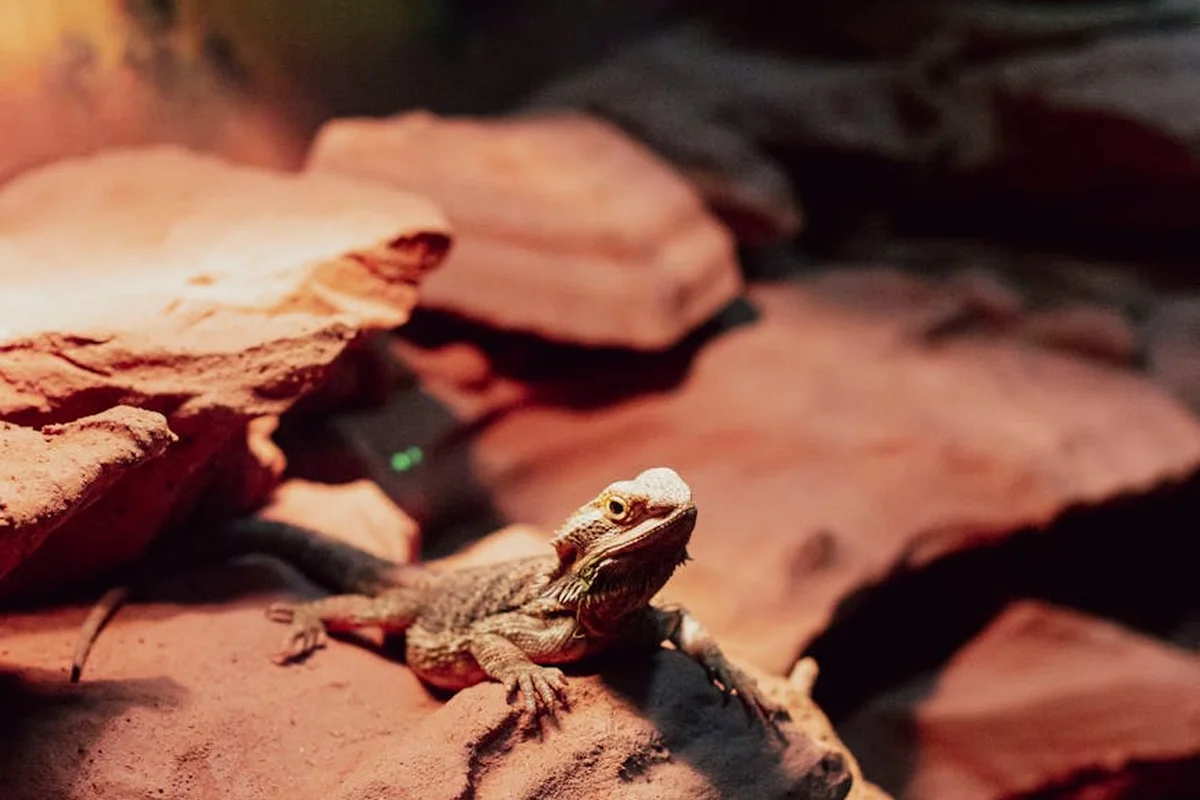
When one of my dragons started scratching relentlessly at his tile floor, I knew it wasn’t just a quirky habit. Persistent, frantic scratching is often your beardie’s only way of telling you something is wrong internally. It’s a sign you should never ignore. It might even indicate stress, which is why it’s crucial to recognize stress signals and alleviate your beardie’s anxiety.
Parasites and Skin Mites
Imagine an itch you just can’t reach. That’s what parasites feel like for your pet. Internal parasites, like pinworms, cause general discomfort that can manifest as constant scratching at surfaces. External skin mites are less common but create an intense, localized itch that drives them to rub against anything rough. I’ve seen a dragon with mites try to scratch its own back on a log hide. Look for other clues like weight loss despite a good appetite, or unusual scales.
- Only a reptile veterinarian can properly diagnose parasites through a fecal test.
- Treatment usually involves a course of anti-parasitic medication.
- Quarantine any new reptile for at least 30-60 days before introducing them to your main pet’s area.
Injuries and Skin Infections
A small cut from a sharp decoration or a developing scale infection can become incredibly irritating. Bacterial or fungal infections often start small but create a maddening sensation that prompts excessive scratching, which then makes the injury worse. It’s a vicious cycle. I once had a dragon get a tiny scrape that turned into a bigger problem because he wouldn’t leave it alone.
- Check your dragon’s skin thoroughly during handling for any redness, swelling, or discharge.
- Ensure all tank decorations are smooth and free of sharp edges.
- A vet can prescribe topical or oral antibiotics to clear up an infection and stop the itch.
How to Stop and Prevent Scratching Behavior
Once you’ve ruled out serious health issues with your vet, you can focus on the habitat and daily care. A happy, comfortable bearded dragon in a well-setup home has little reason to scratch obsessively. This is where you can make the biggest difference. A Thrive complete care checklist helps you cover essentials—from UVB lighting and temperatures to diet and enrichment—so your bearded dragon can truly thrive. Keep it handy as you set up the habitat and daily routines.
Optimize the Enclosure Setup
Getting the tank fundamentals right solves more problems than you might think. An incorrect setup is a constant, low-grade stressor.
- Tank Size: A cramped tank is a major source of stress. For an adult, a 120-gallon (4x2x2 feet) enclosure is the modern standard. It gives them room to move and explore.
- Temperature Gradient: Provide a clear warm side (95-110°F basking spot) and a cool side (80-85°F). Incorrect temperatures disrupt their metabolism and make them restless.
- Proper Lighting: They need a high-output UVB tube light that spans about half the tank and is replaced every 6-12 months. Without it, they can’t process calcium properly, leading to weakness and discomfort.
Enhance Enrichment and Reduce Stress
Boredom and stress are huge triggers for glass surfing and scratching. Think of their tank as their entire world-would you be happy in an empty room?
- Create a “clutter” of branches, rocks, and hides to mimic their natural rocky environment and provide mental stimulation.
- Take your dragon out for supervised exploration in a safe, reptile-proofed room. This burns energy and satisfies their curiosity.
- Place the tank in a calm area away from high foot traffic and other pets like cats or dogs. Seeing their own reflection in the glass is a common stressor; you can apply a static-cling background to three sides of the tank to help.
Maintain Proper Hygiene and Substrate
A dirty tank isn’t just smelly; it’s a breeding ground for bacteria and fungus that can irritate your dragon’s skin and lungs. A bearded dragon tank cleaning guide helps you establish a regular schedule. It also covers safe cleaning methods and non-toxic solutions to keep the enclosure healthy.
- Spot clean feces and urates daily. Do a deep clean of the entire enclosure with a reptile-safe disinfectant every 4-6 weeks.
- Choose your substrate wisely. Loose substrates like sand can be ingested and cause impaction. I personally use and recommend slate tile or a textured non-adhesive liner because they are safe, easy to clean, and help file down nails naturally.
- Bathe your dragon once a week in lukewarm, shallow water. This helps with hydration and can gently clean any irritants off their scales and feet.
Frequently Asked Questions
Can a poor diet lead to excessive scratching in bearded dragons?
Yes, an imbalanced diet lacking essential nutrients like calcium or vitamins can cause general discomfort or metabolic issues, which may manifest as increased scratching behavior as your dragon tries to cope with the irritation. Following a proper bearded dragon eating guide can help ensure you avoid toxic foods and keep your pet safe.
Is scratching more frequent in juvenile bearded dragons compared to adults?
Juveniles often scratch more due to higher energy levels and curiosity as they explore their environment, but persistent scratching should still be monitored for underlying causes like stress or improper habitat setup.
What steps should I take if my bearded dragon scratches only after I clean its enclosure?
This could indicate stress from changes in scent or layout; ensure you use reptile-safe cleaners, avoid strong smells, and gradually reintroduce familiar decor to help your dragon readjust without anxiety-driven scratching. Bearded dragons change color in response to stress, shedding, and aging. Recognizing these color cues can help you interpret their mood and needs.
Final Thoughts
Seeing your bearded dragon scratch can be puzzling, but it’s usually their way of communicating a simple need. The behavior is most often a clear signal related to their habitat, their health, or a natural instinct to explore. From an enclosure that’s too small to the urge to brumate, your dragon is trying to tell you something. Sometimes, it’s even specifically when they scratch the glass.
Your most important job is to be a good detective. By carefully observing when the scratching happens and double-checking your setup-especially temperature and space-you can usually pinpoint the cause and help your scaly friend feel more comfortable. A happy, content dragon is a less scratchy one.
Further Reading & Sources
- Why is my bearded dragon digging and scratching when she gets really snug up against a wall? – Quora
- Why Does My Bearded Dragon Scratch in the Corner? 5 Vet-Reviewed Reasons & Tips | Hepper Pet Resources
- Why Is My Bearded Dragon Scratching? Expert Answers to Common Behaviors
Bearded Dragon Lair is the ultimate resource for bearded dragon enthusiasts, offering expert advice and practical tips to ensure the health and happiness of your scaly companion. With years of experience in reptile care, we are dedicated to providing accurate, up-to-date information to support your bearded dragon journey.
Decoration and Enrichment