
Are Bearded Dragons Exotic Pets? Your Complete Ownership Guide
Published on: October 15, 2026 | Last Updated: October 15, 2026
Written By: Beardie Joe
If you’re asking whether bearded dragons are exotic pets, the short answer is yes-but that label comes with real responsibilities.
As a long-time owner of several bearded dragons with professional reptile care training, I’ll help you grasp what exotic pet ownership truly means for their well-being.
We’ll break down the legal and care implications of “exotic” status, detail their specific habitat and health needs, and give you a clear path to thriving dragon care.
Defining Exotic Pets and Where Bearded Dragons Fit
So, what exactly makes a pet “exotic”? In the simplest terms, an exotic pet is any animal that isn’t a common domestic companion like a dog, cat, or farm animal. They are typically non-domesticated species originating from unique ecosystems around the world. This classification hinges on their specialized needs, which are vastly different from the pets we’re most familiar with.
By this universal definition, bearded dragons absolutely fit the exotic pet category. They are native to the arid, rocky deserts of Australia, a world away from our living rooms. Their entire biology and behavior are fine-tuned for a specific, wild environment that we must replicate in captivity. Researchers tracing their Australian origins and evolution point to Australia’s arid interior, where bearded dragons evolved in response to heat and limited resources. Understanding this Australian lineage helps explain their adaptations and guides how we recreate their wild habitat in captivity. I often remind new owners that we’re inviting a little piece of the Australian outback into our homes.
Let’s put them side-by-side with a common pet to see the contrast. It’s a difference not just in species, but in the entire approach to care.
| Consideration | Bearded Dragon | Cat or Dog |
|---|---|---|
| Diet | Live insects, fresh greens, specific supplements | Commercial kibble or canned food |
| Environment | Requires a temperature-controlled vivarium with UVB lighting | Free-roams in a home environment |
| Veterinary Care | Needs a specialized reptile vet (often harder to find) | Can see most general practice veterinarians |
| Interaction | Observation-based, handling requires gentle technique | Actively seeks out play and cuddles |
Key Considerations Before Bringing Home a Bearded Dragon
Owning one of these amazing creatures is a fantastic experience, but it’s a major commitment. You are taking full responsibility for a complex life. The daily time commitment is real, and it goes beyond just dropping in food. From my own routine, here’s what a typical day looks like:
- Morning: Turn on the heat and UVB lamps. Offer fresh salad greens.
- Mid-day: A feeding session of live insects, like crickets or dubia roaches.
- Evening: Spot clean the enclosure, check temperatures, and offer a short handling session if the dragon is calm.
This doesn’t include weekly deep cleans of the tank or monthly vet check-ups. You are their entire world, and their health depends entirely on your consistent, knowledgeable care.
This leads to the ideal owner’s personality. Are you a patient, observant person? Bearded dragons communicate through body language—head bobs, arm waves, beard puffing. You need to enjoy learning their unique quirks. Do bearded dragons bond with their owners? Many report that they do, showing attachment through seeking touch, staying close in your presence, or following you around. The best owners are those who find joy in creating a perfect little ecosystem and watching their pet thrive within it. It’s less about high-energy play and more about quiet, mutual respect.
Finally, you must be ready for the long haul. With proper care, a bearded dragon can be your companion for 10 to 15 years. Their long lifespan is a beautiful promise of companionship, but it’s also a serious, decade-plus responsibility. Starting with a baby dragon and a gentle routine can help you bond as they grow. That early bond often matures into a strong, trusting relationship in adulthood. I’ve had my oldest dragon, Pogo, for eight years, and it’s a relationship that has deepened over time, making the initial commitment completely worthwhile.
Essential Bearded Dragon Care and Husbandry
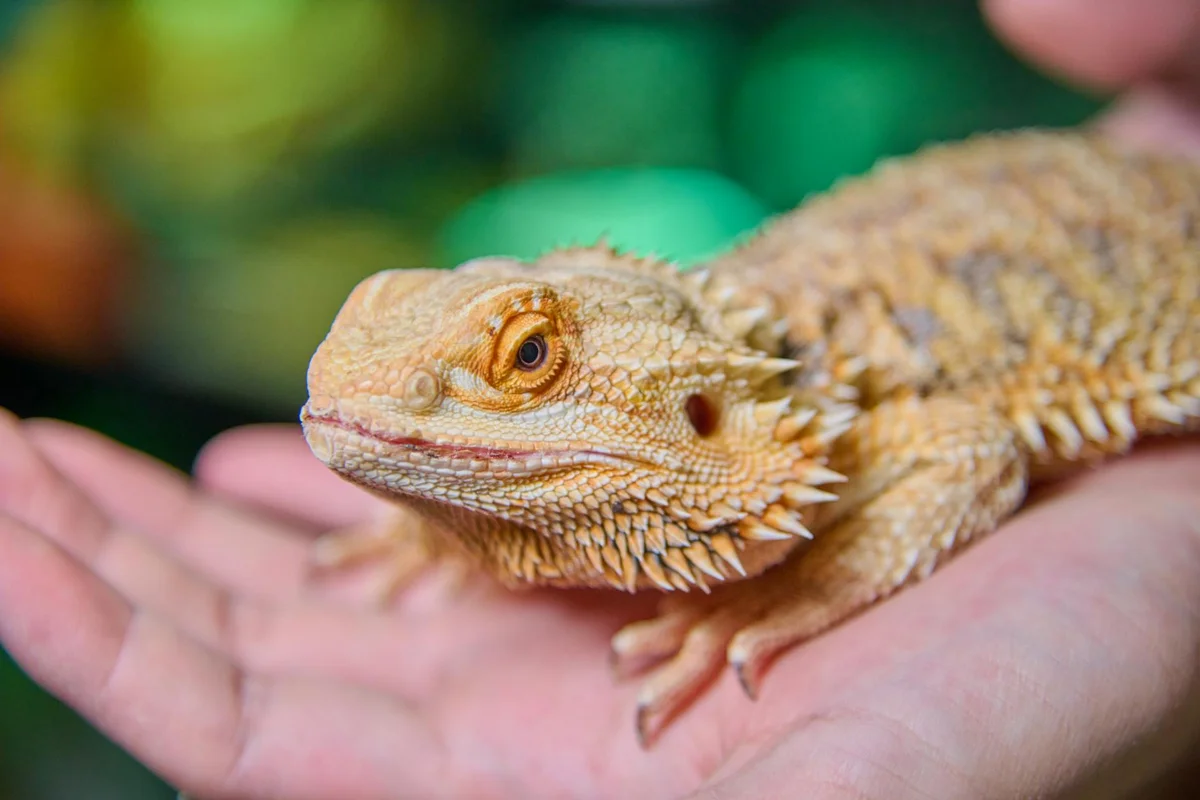
Creating the Perfect Vivarium
Think of the vivarium as your dragon’s entire world. Getting this right is the single biggest factor in their long-term health. I’ve seen firsthand how a proper setup can transform a shy, stressed dragon into a vibrant, active pet.
Here are the steps for a successful enclosure setup:
- Size: A 120-gallon (4x2x2 feet) tank is the modern minimum for an adult. Babies can start in a 40-gallon but will quickly need an upgrade.
- Substrate: Skip loose sand for beginners. I use and recommend slate or ceramic tile, non-adhesive shelf liner, or paper towel. They are safe, easy to clean, and help wear down nails naturally.
- Hides & Decor: Provide at least two hides-one on the warm side and one on the cool side. Add sturdy branches for climbing and flat rocks for basking. They love to climb and survey their kingdom.
Lighting and UVB are non-negotiable for bearded dragons. They cannot process calcium without it, leading to Metabolic Bone Disease, a painful and crippling condition. A bearded dragon lighting guide explains UVB requirements, heat lamp placement, and maintaining a steady daily light cycle. These elements support proper calcium metabolism and overall health.
- Use a long, tube-style UVB light (like a T5 HO) that spans about half to two-thirds of the enclosure’s length.
- The UVB bulb must be replaced every 6-12 months, even if it still lights up, as its invisible UV rays fade.
- Mount the fixture inside the screen top or ensure no mesh is blocking the light for maximum effectiveness.
Bearded dragons thermoregulate, meaning they move between hot and cool areas to control their body temperature.
- Basking Spot: This area should be 95-110°F (35-43°C) for adults. Use a basking bulb on one end of the tank.
- Cool Side: The opposite end should be a comfortable 75-85°F (24-29°C).
- Nighttime: Temperatures can drop to 65-75°F (18-24°C). No colored lights are needed at night; if your home gets colder, use a ceramic heat emitter which produces heat without light.
Diet and Feeding Schedule
A balanced diet prevents so many health issues. I think of it as 80% bugs for babies and 80% greens for adults. The key is variety to ensure they get a full spectrum of nutrients.
Here is a list of staple foods you can reliably offer:
- Live Insects: Dubia roaches, crickets, and black soldier fly larvae are excellent staples. Avoid fireflies-they are toxic.
- Greens & Vegetables: Collard greens, dandelion greens, mustard greens, and endive. Squash like butternut and zucchini are great too.
- Occasional Treats: Blueberries, raspberries, and hornworms can be given sparingly.
Calcium and Vitamin D3 supplementation bridges the gap between their diet and perfect health. Without it, even the best diet can fail.
- Dust their live insects with a pure calcium powder (without D3) at almost every feeding for juveniles.
- Use a calcium powder with D3 a couple of times a week if your UVB light is mounted over a screen.
- Add a multivitamin powder to their insects once or twice a week.
Their appetite changes dramatically as they grow. Here is a sample feeding schedule by age:
- Babies (0-4 months): Offer live insects 3-5 times a day, as many as they can eat in a 10-minute window. Always have fresh greens available.
- Juveniles (4-12 months): Feed insects 2-3 times daily. The ratio of insects to greens starts to shift.
- Adults (12+ months): Insects become a protein supplement. Offer a large salad daily and insects every other day or 2-3 times per week.
Handling and Understanding Temperament
Bearded dragons are famously docile, but they still need you to earn their trust. Rushing the bonding process can make a dragon skittish for life, so patience is everything. To get your bearded dragon to like you, practice gentle handling and regular, calm sessions. Trust builds slowly, one patient step at a time.
Follow these tips for safe and gentle handling:
- Always approach from the side or front, never from above like a predator.
- Scoop them up by gently sliding your hand under their belly and supporting all four legs.
- Keep initial handling sessions short-just 5-10 minutes-and always close to a soft surface in case they jump.
Understanding their behavior is like learning a new language. Here is what your dragon might be telling you:
- Arm Waving: A slow, single-arm circle is a sign of submission or recognition.
- Head Bobbing: A quick, jerky up-and-down motion is a display of dominance, common in males.
- Beard Puffing: They do this when stressed, scared, or trying to look impressive. Their beard may also turn black.
- Glass Surfing: Frantically scratching at the glass can mean stress, a desire to explore, or a reflection they see as a rival.
Building a bond is one of the most rewarding parts of ownership. Consistency is the secret ingredient to a trusting relationship with your dragon.
- Start by just sitting with your hand in the enclosure, not trying to touch them.
- Hand-feed them their favorite greens or a treat to create positive associations.
- Let them climb on you during out-of-enclosure time. My dragons love to perch on my shoulder and watch the room.
Health and Wellness for Your Bearded Dragon
Being a proactive pet owner means spotting small issues before they become big problems. Knowing the subtle signs of illness can literally save your dragon’s life.
Watch for these common diseases and signs of illness:
- Metabolic Bone Disease (MBD): Soft or rubbery jaw, tremors, swollen limbs, and difficulty walking.
- Parasites: Runny, foul-smelling stools, weight loss despite a good appetite, and lethargy.
- Respiratory Infection: Mucous around the nose and mouth, wheezing or clicking sounds when breathing, and lethargy.
- Impaction: A hard lump in the abdomen, loss of appetite, and inability to pass stool. This is often caused by improper substrate or feeders that are too large.
You must find a vet who specializes in reptiles, not just a general dog-and-cat practice. Exotic vets have the specific training and equipment needed to properly diagnose and treat your dragon. Establish a relationship early for routine check-ups, so you’re not scrambling during an emergency.
Hydration is often overlooked. Bearded dragons often won’t drink from a standing water bowl.
- Mist their greens with water before feeding.
- Give them a warm, shallow bath once or twice a week. They often absorb water through their vent and may drink while bathing.
- Use a dropper to place a water droplet on their snout if you suspect dehydration.
A bored dragon is an unhappy dragon. Habitat enrichment keeps their minds active and bodies healthy.
- Rearrange their decor every few weeks to create a “new” environment to explore.
- Create a dig box filled with organic topsoil and playsand for them to burrow in.
- Take them for supervised exploration in a safe, enclosed area outside (using a harness) for natural sunlight.
Legal and Ethical Aspects of Ownership
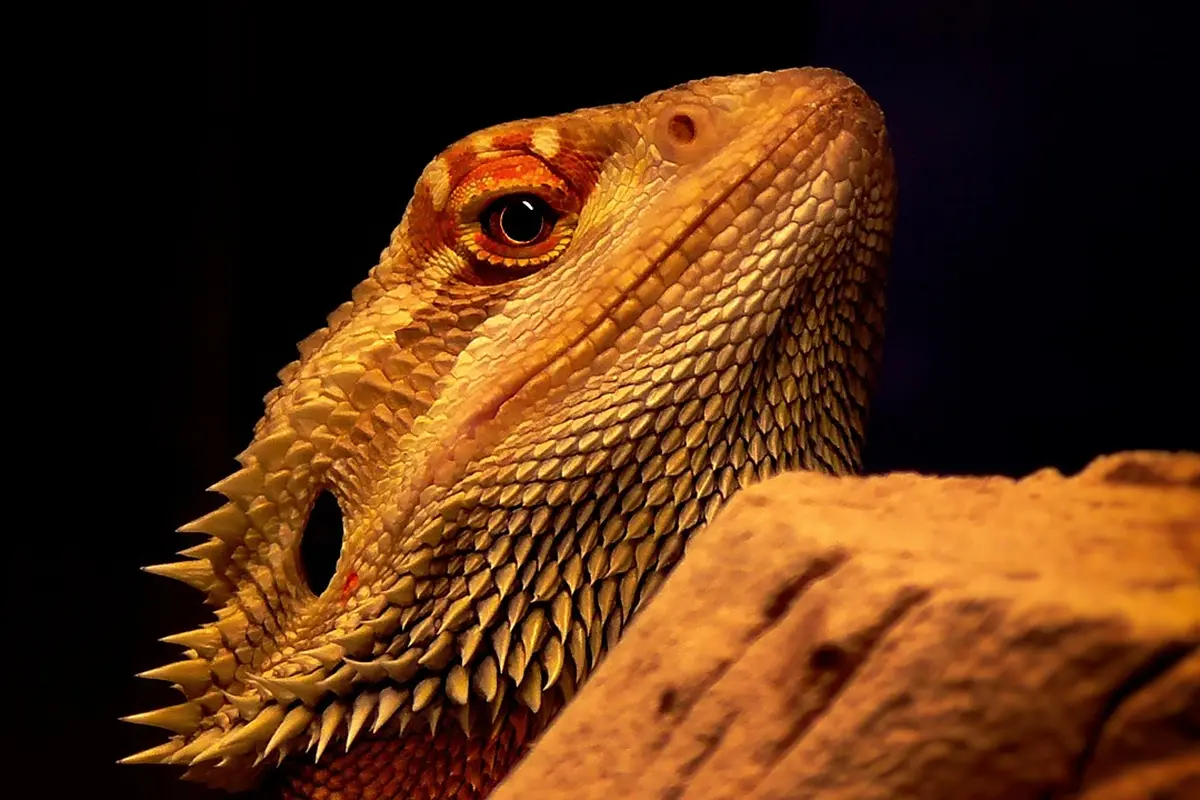
Before you fall in love with that little scaly face, you need to do your homework. Owning a bearded dragon isn’t just a personal choice; it’s a regulated activity that varies wildly depending on where you live. I learned this the hard way when I moved states and had to scramble to understand new permit requirements. If you’re new to this, make sure to educate yourself about the basics before taking the plunge.
Check Local Laws, Permits, or Restrictions
Your first stop should be your local city or county government website. Look for ordinances related to “exotic” or “non-traditional” pets.
- Some areas ban them outright.
- Others require a special permit or license.
- Many apartments and rental homes have their own strict no-reptile policies.
A quick phone call can save you from a heartbreaking situation later.
Advocate for Adoption and Ethical Sourcing
I am a huge advocate for adoption. Reptile rescues are overflowing with bearded dragons in need of a second chance. Choosing to adopt not only gives a dragon a home but also breaks the cycle of irresponsible breeding. My third dragon, Pippin, was a rescue, and he’s the most gentle soul. If you’re considering adoption or surrender for a bearded dragon, a bearded dragon adoption and rehoming guide can help you navigate these options responsibly. It can also point you to reputable rescues and outline steps for a smooth transition.
If you do go through a breeder, do your research.
- Ask to see their facility.
- Avoid pet stores that source from large-scale, questionable breeders.
- Look for breeders who are transparent about their animals’ health and genetics.
An ethical breeder will happily answer all your questions.
Discuss Wildlife Regulations and Captive Breeding
Bearded dragons you find in pet stores are almost always captive-bred. Captive breeding is crucial because it protects wild populations in Australia, where they are protected and export is illegal. This is a fantastic wildlife conservation success story.
Stick with captive-bred dragons. They are:
- Hardier and more accustomed to life in an enclosure.
- Free from the parasites and stress that wild-caught animals carry.
- Supporting a sustainable pet trade that doesn’t harm native ecosystems.
Cost Breakdown of Bearded Dragon Ownership
Let’s talk numbers. A bearded dragon is a long-term financial commitment. Many new owners are surprised by the upfront investment, which is significantly more than the price of the animal itself. Proper care isn’t cheap, but budgeting for it is the first act of a responsible owner. It’s essential to understand the cost of ownership before bringing one home.
Itemize Initial Setup Costs for Enclosure and Supplies
You can’t just bring a dragon home to a bare tank. The initial setup is your biggest single expense. For a proper 120-gallon enclosure for an adult, expect to invest:
- Enclosure/Tank: $200 – $500
- Heating & Lighting (Basking lamp, UVB tube, fixtures, thermostat): $150 – $300
- Substrate & Decor (Hides, branches, rocks): $75 – $150
- Food & Water Dishes: $20 – $40
- The Dragon Itself: $50 – $150 (from a pet store or breeder)
Your total startup cost will likely land between $500 and $1,100. I recommend saving up and buying the right equipment from the start-it’s cheaper than upgrading piece by piece.
List Ongoing Expenses: Food, Utilities, Vet Care
The costs don’t stop after setup. Every month and year, you’ll have recurring expenses.
- Food: Live insects (crickets, dubia roaches) and fresh greens can cost $30 – $80 per month.
- Utilities: Those specialized bulbs need replacing. A UVB tube every 6 months and basking bulbs as they burn out adds up to about $100-$150 per year.
- Vet Care: This is non-negotiable. An annual check-up can cost $75 – $150. An emergency visit for impaction or infection can easily run $300+.
- Substrate & Miscellaneous: Replacing substrate and worn-out decor is another $50-$100 annually.
Compare Cost to Other Common or Exotic Pets
So how does a “beardie” stack up?
- Compared to a cat or dog, the initial setup for a bearded dragon is often higher, but some ongoing costs (like food) can be lower.
- Compared to a hamster or guinea pig, a bearded dragon is significantly more expensive due to its complex lighting and heating needs.
- Compared to a more exotic pet like a sugar glider or a large parrot, bearded dragons are often more affordable in the long run, with fewer specialized dietary and social requirements.
Think of a bearded dragon’s cost as an investment in a unique, interactive pet that, with proper care, will be a part of your family for a decade or more.
Frequently Asked Questions
How long do bearded dragons typically live?
With proper care, bearded dragons can live between 10 to 15 years, so prospective owners should be ready for a long-term commitment. In captivity, they can reach the higher end of that range with optimal care, while wild populations face harsher conditions and higher risks. To maximize lifespan, provide proper lighting, a balanced diet, a clean enclosure, and regular veterinary checkups.
What are the most common health issues in bearded dragons?
Common problems include Metabolic Bone Disease from inadequate UVB exposure, parasitic infections, and respiratory issues, all of which need quick intervention from a reptile-savvy vet.
Are bearded dragons suitable for beginner pet owners?
They are generally docile but demand specialized care and daily attention, making them better suited for dedicated owners willing to learn about their unique needs.
Final Thoughts
So, are bearded dragons exotic pets? By definition, yes, but in practice, they are one of the most accessible and rewarding reptiles you can welcome into your home. Their unique needs are a commitment, but one that is entirely manageable with the right setup and a little bit of daily attention. If you’re wondering whether bearded dragons are good pets for beginners, this complete guide has you covered. It walks you through setup, care, and realistic expectations.
From my own experience, the joy of seeing a healthy, trusting dragon bask contentedly makes every bit of effort worthwhile. Embrace the learning curve, provide a thoughtful habitat, and you’ll be rewarded with a fascinating companion for years.
Further Reading & Sources
- Bearded Dragon Care 101: A Guide for New Owners – ecoflys.com
- The Complete Guide to Bearded Dragon Care and Ownership: Habitat Set-Up, Essential Care Routines, Nutrition and Diet, Handling, Bonding, Training, and Successful Bearded Dragon Ownership: Cuarenta, Alisha: 9781954288973: Amazon.com: Books
- How to Take Care of a Bearded Dragon for Beginners – PetHelpful
Bearded Dragon Lair is the ultimate resource for bearded dragon enthusiasts, offering expert advice and practical tips to ensure the health and happiness of your scaly companion. With years of experience in reptile care, we are dedicated to providing accurate, up-to-date information to support your bearded dragon journey.
Wild vs. Domesticated