
Can Bearded Dragons Eat Kiwi? (Including Skin, Seeds, and Golden Kiwi)
Published on: January 3, 2026 | Last Updated: January 3, 2026
Written By: Beardie Joe
If you’re eyeing that juicy kiwi and wondering if it’s a safe treat for your scaly friend, you’ve come to the right person.
After years of caring for my own bearded dragons, I use a mix of research and real-life experience to give you clear, safe feeding advice that puts your pet’s health first.
I’ll cover whether kiwi is a good choice, the specific risks of the skin and seeds, and how golden kiwi compares to the green variety.
Can Bearded Dragons Eat Kiwi Fruit?
Yes, bearded dragons can eat kiwi, but only in strict moderation. I view it as a fun, monthly treat, not a regular part of their diet. The first time I offered a tiny cube to my beardie, Spike, he did a hilarious double-take before gobbling it up with more enthusiasm than his usual greens. That initial excitement is exactly why we must be careful; they love the sugary taste a little too much. Kiwi should never replace their staple vegetables and insects. For readers building an ultimate safe food list for bearded dragons, kiwifruit should be listed as an occasional fruit rather than a staple. Pair it with a variety of safe vegetables and greens to keep the diet balanced.
Nutritional Benefits of Kiwi for Bearded Dragons
When offered sparingly, kiwi provides a powerful boost of specific nutrients. Its high water content is great for hydration, and the fiber helps keep their digestive system moving. The standout benefit is the impressive dose of Vitamin C, which acts as a fantastic antioxidant to support their immune system. Here’s a quick look at how its main components fit into a bearded dragon’s diet. For bearded dragons, cabbage can be a safe leafy-green option when offered in moderation. A cabbage guide covers types, benefits, and risks to help you feed safely.
| Nutrient in Kiwi | Benefit for Your Beardie | Important Consideration |
|---|---|---|
| Vitamin C | Boosts immune function and acts as an antioxidant. | They produce some Vitamin C naturally, so supplements are not needed. |
| Fiber | Aids in healthy digestion and prevents constipation. | Too much can cause loose stools. |
| Potassium | Supports nerve function and muscle health. | Needs to be balanced with calcium in the overall diet. |
| Sugar | Provides quick energy. | High sugar content is the primary reason to limit kiwi to a rare treat. |
Key Vitamins and Minerals in Kiwi
Let’s break down the specific vitamins and minerals that make kiwi a noteworthy, albeit occasional, snack.
- Vitamin C: This is kiwi’s superstar nutrient. It helps combat cellular damage and keeps your dragon’s immune system robust, which is vital for preventing common reptile illnesses.
- Vitamin K: Plays a key role in blood clotting. If your beardie gets a small cut, adequate Vitamin K helps ensure it doesn’t bleed excessively.
- Potassium: This mineral is crucial for proper muscle contraction and nerve signal transmission. I always think of it as the nutrient that keeps their little legs moving smoothly.
- Folate (B9): Supports healthy cell growth and division. This is particularly important for young, growing dragons, though their primary folate source should be from staple greens.
While this nutrient profile is beneficial, the high sugar and oxalate content in kiwi means it can’t be a diet staple. I only offer it once a month to avoid any potential health issues.
Risks and Health Concerns of Feeding Kiwi
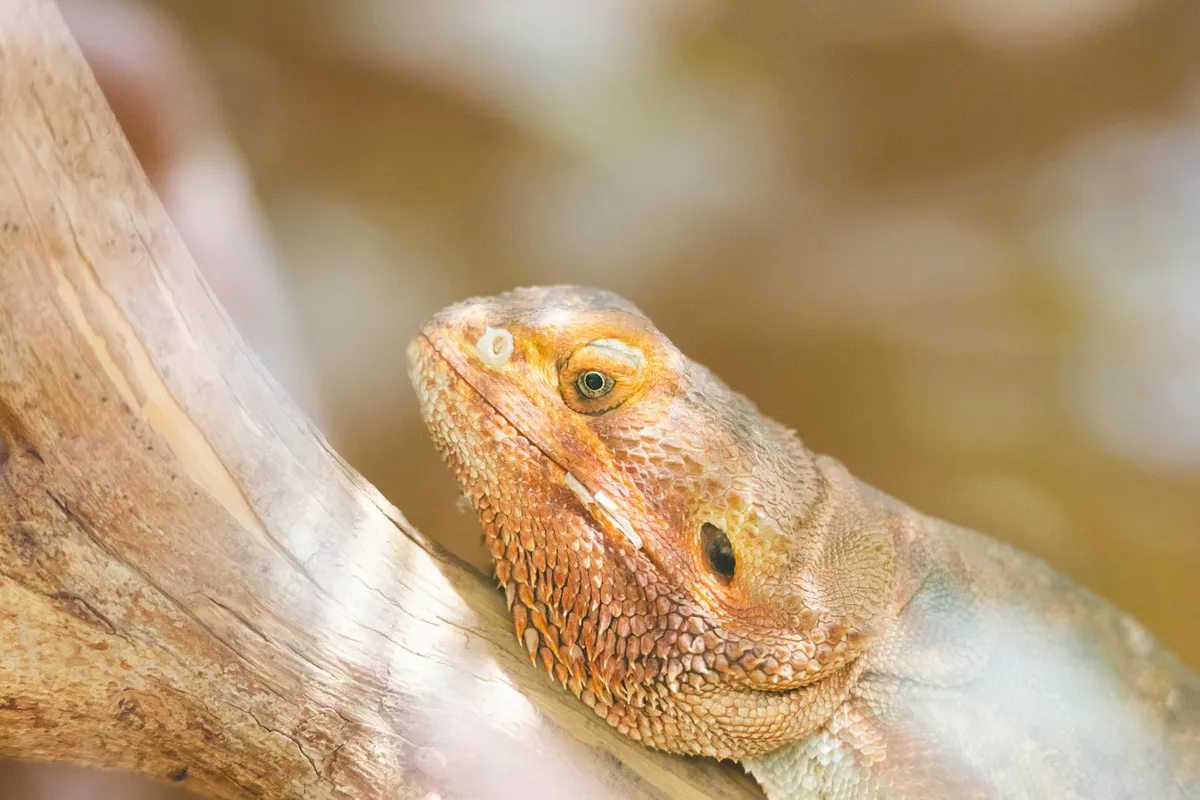
While that sweet, tangy fruit is a fun change, it’s not a daily menu item for a reason. Kiwi comes with a few health considerations that every responsible owner should know about. I’ve learned to respect these risks through my own dragons, and being aware of them is the key to safe, happy treat time.
High Sugar Content and Weight Gain
Kiwi is surprisingly sugary for a fruit. In my experience, offering it too often can lead to a chunky dragon. Excess sugar is a fast track to obesity and fatty liver disease in reptiles. Their bodies aren’t designed to process high amounts of simple sugars.
- Monitor treat intake strictly-kiwi should be a rare delight, not a staple.
- I stick to a tiny piece, no larger than the space between my dragon’s eyes, once a month at most.
- Watch for weight gain; if your dragon’s sides start bulging, cut back on all sugary fruits.
Acidity and Potential for Stomach Upset
That zingy taste you love? That’s acidity. A kiwi’s pH level is quite low. This acidity can irritate your bearded dragon’s sensitive digestive tract, leading to discomfort or diarrhea. I’ve seen this happen once with a dragon who was a little too enthusiastic about his fruit snack. Bearded dragons can eat fruit, and dragon fruit is often considered a safe option when offered in moderation.
- Signs of stomach upset include lethargy, a lack of appetite, or runny stools.
- If you notice any of these signs after feeding kiwi, switch back to their trusted greens and offer plenty of water.
- Always feed a very small amount the first time to see how their system reacts.
Oxalates and Calcium Absorption Issues
This is a big one for reptile health. Oxalates are natural compounds that bind to calcium inside your dragon’s body. When oxalates bind to calcium, they create a compound that cannot be absorbed, effectively robbing your pet of this vital mineral. Over time, this can contribute to metabolic bone disease, a serious and painful condition. Spinach is one of those leafy greens that contains oxalates, so it’s best to feed it sparingly or not at all.
- Kiwi contains moderate levels of oxalates.
- This is why you must balance any occasional high-oxalate treat with a foundation of calcium-rich greens like collard and mustard greens.
- Proper dusting of their staple insects with calcium powder is non-negotiable.
Feeding Kiwi Skin and Seeds to Bearded Dragons
You’ve got the fruit, but what about the rest of it? This is a common question, and my approach is always “better safe than sorry.” My personal rule is to peel the kiwi and not worry about picking out the tiny seeds. Here’s a breakdown of why.
Is Kiwi Skin Safe for Reptiles?
The skin is packed with fiber and nutrients, but it also presents the biggest risk. The primary concern with kiwi skin is the potential pesticide residue, which is toxic to reptiles. Even if you wash it, it’s difficult to be sure all chemicals are gone.
- If you are determined to try the skin, you must buy organic and scrub it thoroughly.
- The skin is also tough and can be difficult for some dragons to digest.
- I always recommend peeling it, especially for younger, older, or dragons with any known sensitivity.
Can Bearded Dragons Digest Kiwi Seeds?
Those little black seeds are generally considered safe. Kiwi seeds are soft, tiny, and typically pass through a bearded dragon’s digestive system without issue. They are not a choking hazard like seeds from apples or cherries.
- I have never removed the seeds before feeding and have not had a problem.
- Their small size and soft texture make them low risk.
- Focus your preparation energy on washing and peeling the fruit instead.
Golden Kiwi vs. Regular Kiwi for Bearded Dragons
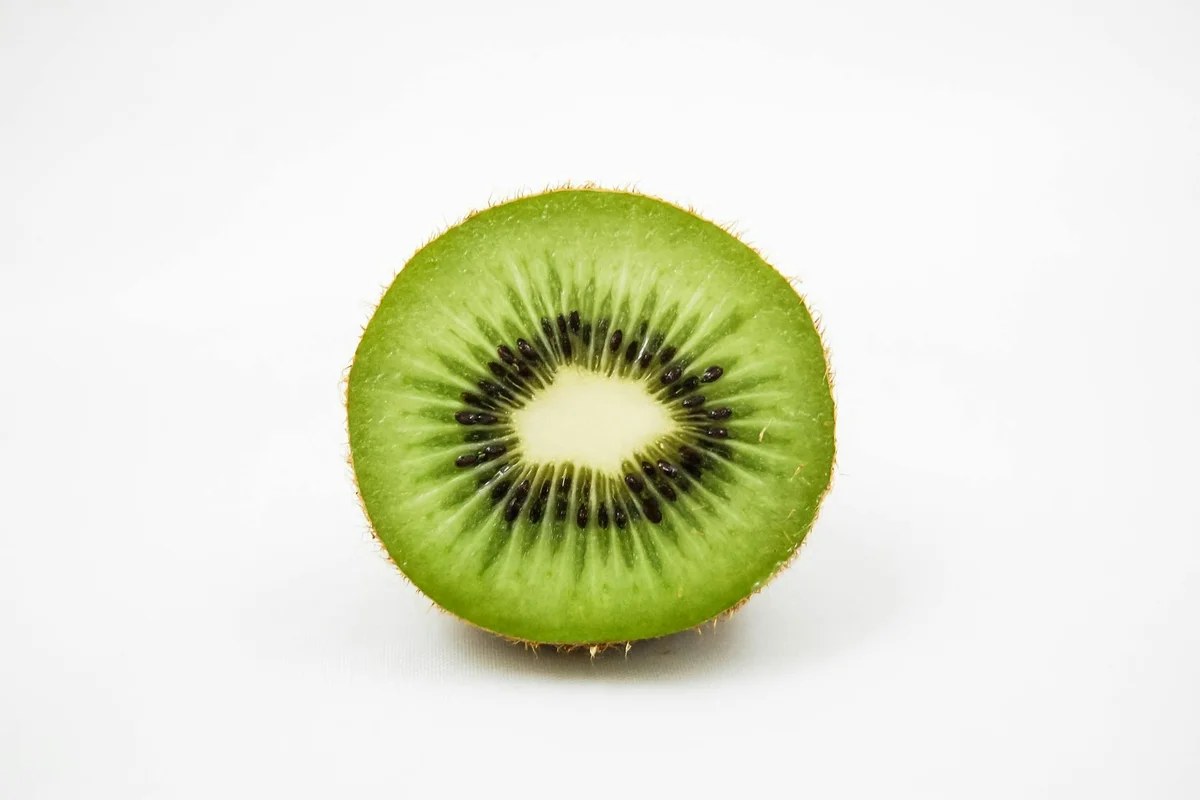
You might see the golden, smoother-skinned variety at the store and wonder if it’s a better choice. From a nutritional standpoint, golden kiwi is slightly different, but it doesn’t change the fundamental “treat only” rule. I’ve offered both to my crew out of curiosity.
- Taste & Acidity: Golden kiwi is often sweeter and less tangy than the green variety. This also means it’s slightly less acidic, which could be a tiny bit easier on their stomachs.
- Nutrition: Golden kiwis have a higher vitamin C content, but they are also often higher in sugar.
- My Preference: If I had to choose, I’d go with the golden kiwi for its lower acidity. However, the higher sugar content means you must be even more strict with portion control. The green kiwi is a perfectly fine option if that’s what you have.
How to Safely Prepare and Serve Kiwi
Getting kiwi ready for your bearded dragon is simple, but doing it right makes all the difference for their safety and enjoyment. I’ve found that a little extra prep work prevents any tummy troubles later on.
Step-by-Step Kiwi Preparation
- Select a Ripe Kiwi: Choose a kiwi that yields slightly to gentle pressure, just like you would for yourself. An unripe kiwi is too acidic for your dragon.
- Wash Thoroughly: Even though we’re peeling it, always rinse the fruit under cool water and gently scrub the skin with a clean brush to remove any pesticide residue or dirt.
- Peel the Skin: Use a paring knife or vegetable peeler to remove all of the fuzzy skin. I never serve the skin to my dragons, as it’s tough to digest and can be a choking hazard.
- Dice into Bite-Sized Pieces: Cut the peeled kiwi into small pieces, no larger than the space between your dragon’s eyes. This is my go-to rule for preventing any risk of impaction.
Recommended Feeding Schedule and Portions
Kiwi is a treat, not a staple. Think of it like a slice of cake for us-it’s special, but you wouldn’t eat it every day.
- Frequency: Offer kiwi no more than once every week or two.
- Portion Size for Adults: A good serving is 1-2 small, diced pieces mixed in with their regular salad.
- Portion Size for Juveniles: If you offer it to a younger dragon, keep it to a single, tiny piece as a rare introduction.
Their main diet should always be leafy greens and insects, with fruit making up only about 10% of their total intake.
Signs of Adverse Reactions After Eating Kiwi
While most bearded dragons handle a little kiwi just fine, every dragon is an individual. I always watch mine closely for a few hours after introducing any new food. Being observant is your best tool for keeping your pet healthy and happy. If you’re wondering about daily feeding, a complete feeding guide can help you decide what to offer each day. It covers portions, variety, and how often to feed based on age and size.
- Runny, watery, or unusually smelly stools (diarrhea)
- Lethargy or a lack of normal activity
- Loss of appetite or refusing their next meal
- Signs of mouth discomfort or pawing at the face
- Any swelling around the mouth or throat
If you see severe diarrhea, significant lethargy, or any signs of swelling, it’s time to contact your reptile veterinarian immediately.
Healthy Fruit Alternatives to Kiwi for Bearded Dragons
If you want to mix things up or your dragon doesn’t take to kiwi, there are other wonderful and safe fruit options. Variety is the spice of life, even for a bearded dragon! For a complete safe feeding guide on which fruits bearded dragons can eat and how often to offer them, see our guide. It covers safe options, portions, and rotation to keep your dragon healthy.
- Berries (Blueberries, Raspberries, Strawberries): These are fantastic low-oxalate options. I often mash a single blueberry and mix it into the salad-my dragons go wild for it.
- Melons (Watermelon, Cantaloupe): Very hydrating, especially on a hot day. Just remember to serve the flesh only and remove all seeds.
- Papaya: This is a great choice! It’s soft, easy to digest, and the seeds are actually safe for them to eat in moderation.
- Mango: A sweet, tropical treat that’s rich in vitamins. It’s similar to kiwi in sugar content, so serve it just as sparingly.
Rotating through these different fruits ensures your dragon gets a range of nutrients and keeps mealtime exciting for them.
Frequently Asked Questions
Do bearded dragons like kiwi?
Yes, many bearded dragons enjoy the sweet taste of kiwi, but this enthusiasm means it should only be an occasional treat to prevent overconsumption. When it comes to greens like kale, nutrition and safety matter. Offer kale a few times per week as part of a varied, calcium-rich diet.
Is kiwi safe for bearded dragons?
Kiwi is safe for bearded dragons when fed in strict moderation as a rare treat, but its high sugar and oxalate content require careful portion control to avoid health risks. This fits into the broader topic of fruits bearded dragons can eat, including a complete safe/unsafe list to guide choices.
Can bearded dragons have kiwi?
Yes, bearded dragons can have kiwi, but it should be peeled, cut into small pieces, and offered infrequently to align with their dietary needs and prevent digestive issues. If you plan to offer grapes, a quick guide on bearded dragons eat grapes covers types, safety, and preparation. It recommends small pieces, offered infrequently, and to remove seeds and skins when possible.
Final Thoughts
So, can your bearded dragon eat kiwi? Yes, the sweet, soft flesh of the kiwi makes a perfectly safe and hydrating treat for your dragon every once in a while. I occasionally offer a small cube to my own crew, and they gobble it up with relish. Just remember to always skip the fuzzy skin and don’t worry about the tiny, soft seeds. Kiwi is just one entry in a complete guide to safe foods for bearded dragons. In that guide, you’ll learn how often to offer kiwi and how to balance it with greens and insects.
Treat kiwi like a special dessert, not a staple food, and it can be a fun part of your dragon’s varied diet. Whether you’re using the common green kiwi or the golden variety, the same rules apply: offer it sparingly and focus on providing a foundation of nutritious greens and live insects for their main meals.
Further Reading & Sources
- Can Bearded Dragons Eat Kiwi? There’s One Red Flag to Consider – Dragon’s Diet
- Can Bearded Dragons Eat Kiwi? Vet-Approved Nutritional Benefits & Facts | Hepper Pet Resources
- Can You Feed a Bearded Dragon Kiwi? | Reptile Supply
Bearded Dragon Lair is the ultimate resource for bearded dragon enthusiasts, offering expert advice and practical tips to ensure the health and happiness of your scaly companion. With years of experience in reptile care, we are dedicated to providing accurate, up-to-date information to support your bearded dragon journey.
Feeding Guidelines