Can Bearded Dragons Eat Kale? Nutrition, Safety, and Feeding Frequency
Published on: December 11, 2025 | Last Updated: December 11, 2025
Written By: Beardie Joe
If you’re holding a piece of kale and wondering if it’s a good choice for your scaly friend, you’re asking a vital question for their health.
As a dedicated owner of multiple bearded dragons with years of hands-on reptile care experience, I’m here to give you the clear, compassionate guidance you need.
We will cover the specific nutritional breakdown of kale, its safety profile for bearded dragons, and a straightforward feeding schedule to follow.
Is Kale Safe for Bearded Dragons?
Yes, kale is safe for bearded dragons to eat. It is not toxic or poisonous to them. The safety concern isn’t about immediate danger, but about how certain natural compounds can cause problems over the long term if kale becomes a daily staple. I’ve fed kale to my own dragons for years without any health scares, but I’ve always been mindful about how often I offer it. To put kale into a broader context, a bearded dragon cabbage guide covers different cabbage types, their benefits, and potential risks. It can help you balance kale with other greens in your dragon’s rotation.
Understanding Oxalates and Goitrogens in Kale
Kale contains two types of natural compounds that require a bit of caution: oxalates and goitrogens.
- Oxalates (Oxalic Acid): This compound binds to calcium inside your dragon’s digestive system. The bound calcium becomes unusable and passes through their system without being absorbed. If a bearded dragon eats too many high-oxalate greens, it can lead to a calcium deficiency, which is a serious health issue.
- Goitrogens: These substances can interfere with thyroid function by inhibiting the uptake of iodine. In very large, consistent amounts, this could potentially lead to hypothyroidism. For most bearded dragons eating a varied diet, the goitrogen level in occasional kale is not a significant threat.
In my experience, the oxalate content is the more immediate concern of the two. It’s why we focus so much on variety.
Kale Safety Compared to Other Leafy Greens
It helps to see where kale sits on the spectrum of popular greens. Think of it as a middle-ground option.
- Excellent Daily Staples (Low in Oxalates/Goitrogens): Collard greens, dandelion greens, and escarole. These are the workhorses of a healthy beardie’s salad bowl.
- Good Occasional/Rotational Greens (Moderate Concerns): Kale, mustard greens, and turnip greens. These are nutritious and safe to feed, but they shouldn’t be the only green you offer every single day.
- Feed Sparingly or Avoid (High in Oxalates/Goitrogens): Spinach and beet greens. The oxalate levels in these are high enough that they can significantly block calcium absorption.
Kale Nutrition for Bearded Dragons
When you look past the caution labels, kale is actually a nutritional powerhouse. It packs a serious punch of vitamins and minerals that are fantastic for your bearded dragon’s overall health. This is precisely why it’s such a valuable part of a rotating menu.
Calcium and Phosphorus Balance
This is the most critical ratio in a bearded dragon’s diet. They need more calcium than phosphorus for strong bones and to prevent Metabolic Bone Disease (MBD). But exactly how much calcium do bearded dragons need, and can you give too much? Oversupplementing calcium can cause imbalances and health problems if not properly balanced with other nutrients.
- Kale has a fantastic calcium-to-phosphorus ratio of about 2.4:1. This means it has over twice as much calcium as phosphorus, which is ideal on paper.
- The catch is that the oxalates we talked about bind to a portion of that excellent calcium, reducing how much your dragon can actually use.
- This is why we can’t rely on kale alone. You still need to dust their insects with a calcium supplement to ensure they are getting enough usable calcium, even when they eat kale.
Vitamins and Hydration Benefits
Kale is loaded with beneficial vitamins that support your dragon’s immune system, vision, and growth.
- Vitamin A: Crucial for healthy eyes, skin, and cell growth. Kale is rich in beta-carotene, which their bodies convert to Vitamin A.
- Vitamin K: Plays a key role in blood clotting and bone metabolism.
- Vitamin C: An important antioxidant that helps with healing and overall immune function.
Furthermore, kale has a high water content. Offering fresh kale is a great way to provide a little extra hydration, especially for dragons that are reluctant to drink from a water bowl. I often notice my dragons get a bit of a hydration boost on their “kale days.”
How Often to Feed Kale: Feeding Frequency by Age
Getting the feeding frequency right is where many owners get tripped up. It’s not a one-size-fits-all answer; it completely depends on your dragon’s life stage. Overfeeding kale, even with its great qualities, can lead to health issues because of its calcium-binding oxalates. I’ve learned to treat it as a supporting actor in their diet, not the main star.
Juvenile Bearded Dragon Kale Feeding
For your growing baby dragon, their little bodies are protein-powered machines. Their diet should be about 80% live insects and 20% plant-based foods. Kale fits into that 20%.
- Offer a small amount of finely chopped kale in their salad mix 2-3 times per week.
- Never make kale the only green in their bowl. Rotate it with staples like collard greens and dandelion greens.
- The primary focus must remain on their insect feeds for proper growth.
I made the mistake of offering too many greens too early, and my juvenile simply ignored them for the crickets. It’s a phase; patience is key.
Adult Bearded Dragon Kale Feeding
For a mature dragon over 18 months old, the diet flips. It should be about 80% vegetables and 20% insects. This is where your kale strategy shifts. Insects should still be fed daily, adjusted for life stage. This aligns with the many bugs daily guide for all life stages.
- You can include kale as part of their daily salad variety.
- Even for adults, I don’t use kale every single day. I aim for 3-4 times a week as a reliable component.
- The goal is a rotating menu. One day it’s kale and bell pepper, the next it’s mustard greens and squash.
This rotational feeding method ensures they get a spectrum of nutrients without overloading on any one compound, like oxalates. My adults get excited for their “kale days” now.
Preparing and Serving Kale to Your Dragon
How you serve the kale is just as important as how often you serve it. A little prep work makes it safe, easy to eat, and much more enjoyable for your pet.
Washing and Chopping Kale
I never skip this step. Kale, especially the curly kinds, can trap pesticides and dirt deep in its leaves.
- Rinse each leaf thoroughly under cool, running water. I sometimes use a tiny drop of reptile-safe produce wash or a vinegar-water solution for extra peace of mind.
- Pat the leaves completely dry with a paper towel or salad spinner. A wet salad can make their enclosure too humid.
- Chop the leaves into bite-sized pieces, no larger than the space between your dragon’s eyes. Properly sized pieces prevent choking and make it easier for them to digest.
Raw vs. Cooked Kale for Bearded Dragons
Always, always feed kale raw. Cooking kale breaks down its cell structure, causing it to lose valuable water-soluble vitamins like Vitamin C.
- Raw kale provides the full nutritional profile and the crunchy texture they need.
- Cooked kale becomes mushy and loses its nutritional integrity.
- Steaming is also not recommended for the same reason.
Stick to fresh, raw, and crisp leaves to give your dragon the maximum benefit from this leafy green. It’s what their digestive systems are built to process. In a bearded dragon lettuce guide, these greens are listed as safe options with clear serving recommendations. This helps you offer a balanced, varied diet without risking overfeeding.
Can Bearded Dragons Eat Kale Stems?
This is a common question in my house because the stems are certainly crunchy! While not toxic, I choose to remove them.
- The stems are very fibrous and tough, making them difficult to digest.
- They pose a higher choking hazard compared to the softer leaves.
- They also tend to hold onto more dirt and pesticides.
For the sake of easy digestion and safety, I take the extra minute to de-stem the kale. I compost the stems, so nothing goes to waste. My dragons get only the most palatable and safest parts of the leaf.
Health Risks and Monitoring Your Dragon
Signs of Nutritional Deficiencies or Reactions
While kale can be part of a varied diet, feeding it too often can lead to subtle problems over time. I’ve learned to watch my dragons closely after any new food introduction. You should be on the lookout for a few key things.
- Lethargy or weakness can be a sign of calcium deficiency, which kale’s oxalates can contribute to.
- Swelling around the jaw or limbs might indicate metabolic bone disease (MBD), a serious condition.
- A loss of appetite or unusual disinterest in food is a general red flag that something is off.
- Changes in their stool, like persistent diarrhea, can signal their system is upset.
Trust your gut; you know your pet’s normal behavior better than anyone. If you see any of these signs, it’s a good idea to pause the kale and consult your reptile veterinarian.
The Role of Supplementation and UVB Lighting
Kale’s potential to bind calcium makes two other elements of dragon care non-negotiable. In my own routine, these are as essential as the food itself.
- Calcium Supplementation: I lightly dust their live insects with a high-quality calcium powder (without Vitamin D3) at almost every feeding. This helps counteract any calcium-binding from greens like kale.
- Multivitamins: Once or twice a week, I use a multivitamin powder to cover all their nutritional bases and support overall health.
- Proper UVB Lighting: This is critical. Your dragon needs a high-output UVB tube light that spans about half to two-thirds of their enclosure. UVB light allows them to synthesize Vitamin D3, which is necessary to actually use the calcium they eat. Without it, supplementation is almost useless.
Think of it as a three-legged stool: good calcium sources, proper supplementation, and effective UVB lighting. If one leg is weak, the whole system collapses.
Kale Alternatives and Building a Varied Diet
Top Safe Greens for Bearded Dragons
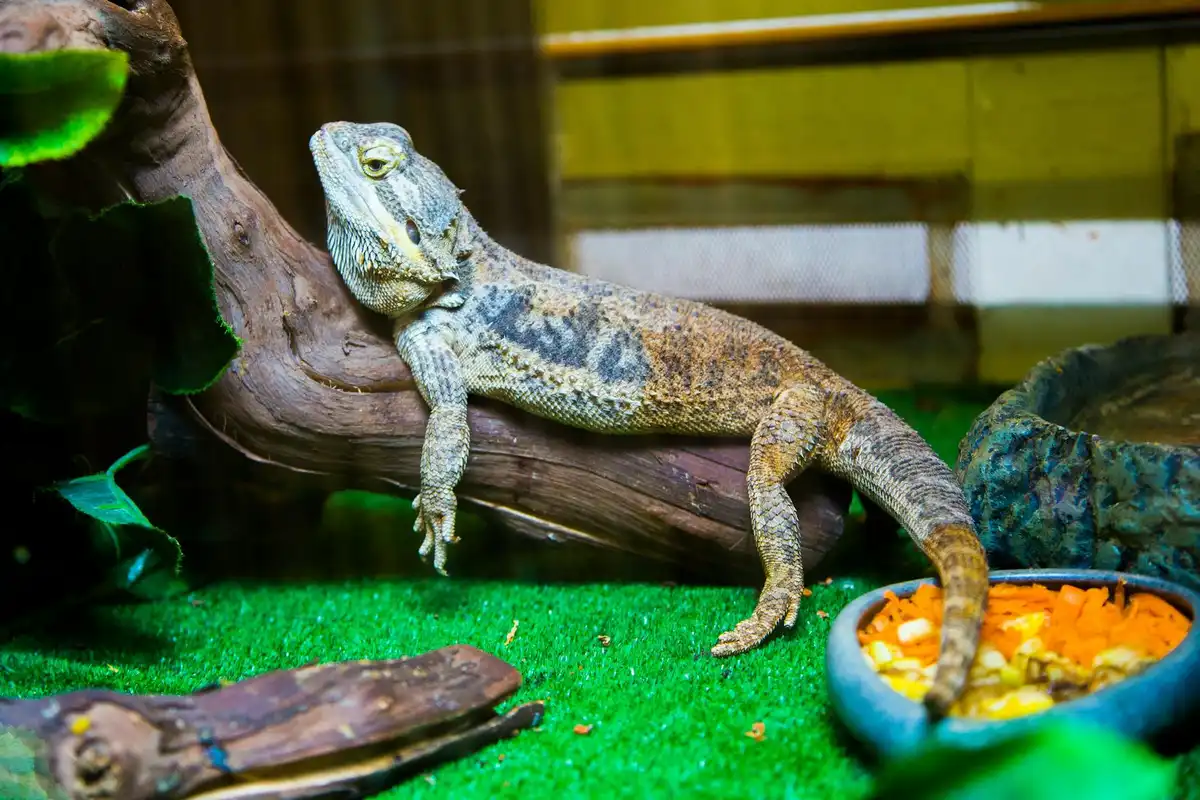
Variety is the absolute key to a healthy bearded dragon. I make a “salad bar” for my dragons by rotating through these staples, which are all excellent and low in oxalates. These are among the best safe staple foods and occasional treats for bearded dragons. They help keep meals varied and balanced.
- Collard Greens: This is a top-tier staple in my house. They are rich in calcium and have a great calcium-to-phosphorus ratio.
- Dandelion Greens: Don’t pick these from your yard if you use pesticides! Store-bought or home-grown, they are a nutrient powerhouse.
- Mustard Greens: Another fantastic regular feeder green that my dragons seem to really enjoy the taste of.
- Endive / Escarole: These provide great variety in texture and are very safe to feed often.
- Butternut Squash: Grated finely, this is a great source of vitamins and adds a nice pop of color to their salad.
Rotating through at least three different greens each week prevents any single nutrient imbalance from taking hold. It also keeps mealtime exciting for your pet!
Creating a Balanced Feeding Schedule
Consistency and balance are what keep a dragon thriving. Understanding how often to feed is a key part of a complete feeding schedule. Here’s a sample of the feeding schedule I follow with my adult bearded dragons.
- Daily: A fresh salad of 2-3 mixed greens from the safe list above. I always remove uneaten greens at the end of the day.
- Live Insects (2-3 times per week): I offer appropriately sized dubia roaches or crickets. The number depends on the dragon’s size and health.
- Supplement Schedule: I dust insects with calcium powder at every insect feeding. I dust insects with a multivitamin powder one feeding per week.
- Where Kale Fits In: If I include kale, it becomes a “sometimes food.” I might add a leaf or two to their weekly salad mix, but it never becomes the primary green. Treating kale as a minor ingredient in a much larger, varied diet is the safest approach.
Frequently Asked Questions
Can bearded dragons eat baby kale?
Yes, baby kale is safe for bearded dragons and can be fed with the same precautions as mature kale, such as washing thoroughly and chopping into small pieces. However, due to its oxalate content, it should only be offered occasionally as part of a varied diet. This is part of our bearded dragons eat vegetables complete feeding guide, which covers safe greens, portion sizes, and rotation to keep meals balanced.
Is red or purple kale safe for bearded dragons?
Red and purple kale varieties are safe for bearded dragons but share similar oxalate and goitrogen levels with other kales, so they should not be fed daily. Include them in a rotating menu with low-oxalate greens to ensure balanced nutrition. This aligns with our complete guide on safe foods for bearded dragons.
What about curly or lacinato kale for bearded dragons?
Curly and lacinato kale are both acceptable for bearded dragons, provided they are prepared raw and destemmed to reduce choking hazards. Feed these types in moderation, alongside other staple greens, to prevent potential calcium absorption issues. Ensure variety in their diet by including safe fruits and vegetables.
Final Thoughts
So, can bearded dragons eat kale? Yes, this leafy green is a safe and nutritious option to include in your dragon’s varied diet. I regularly offer it to my own dragons, but I always treat it as a supporting actor, never the main star of the salad bowl. To put this in context, our complete safe-and-unsafe greens list for bearded dragons shows which greens to include or avoid. It helps you balance kale with other greens for a well-rounded diet.
Remember to feed kale in moderation, about once or twice a week, to avoid the potential issues from its oxalate content. The golden rule for a healthy, happy dragon is always a rotating menu of different greens and vegetables. This simple practice ensures they get a full spectrum of nutrients without overdoing any single one.
Further Reading & Sources
- Can Bearded Dragons Eat Kale? » Reptile Nutrition Profile
- Can Bearded Dragons Eat Kale? | Chewy Education
- Can Bearded Dragons Eat Kale? Get Clarity About This Superfood – Dragon’s Diet
Bearded Dragon Lair is the ultimate resource for bearded dragon enthusiasts, offering expert advice and practical tips to ensure the health and happiness of your scaly companion. With years of experience in reptile care, we are dedicated to providing accurate, up-to-date information to support your bearded dragon journey.
Feeding Guidelines