What’s a Bearded Dragon’s Favorite Food? A Complete Guide
Published on: January 10, 2026 | Last Updated: January 10, 2026
Written By: Beardie Joe
You’re staring into your dragon’s tank, holding a piece of kale and a cricket, and you just have to wonder-what are they truly hoping for?
After years of caring for my own dragons, I’ve learned their favorite foods aren’t just about taste, but about creating a healthy, varied diet that keeps them thriving.
We’ll cover the top vegetables they go crazy for, the safest fruits to offer as treats, and the most nutritious insects to fuel their growth.
Understanding Bearded Dragon Dietary Basics
In the wild, a bearded dragon’s menu is a diverse buffet of whatever they can find. They are opportunistic omnivores, munching on a wide mix of leafy plants, flowers, and a variety of moving insects. This natural instinct for variety is the single most important principle to bring into your pet’s enclosure. Providing a varied diet is crucial for their health and well-being.
I’ve found that replicating this varied, wild diet is the secret to a vibrant, healthy dragon. Their needs also shift dramatically with age. Juvenile dragons need a diet heavy in protein (about 80% insects) to support their rapid growth, while adults thrive on a diet that is mostly (about 80%) plant-based. A balanced rotation of greens, veggies, and appropriate insects prevents nutritional deficiencies and keeps mealtime exciting for them.
Top Vegetable Favorites for Bearded Dragons
Watching my dragons chase a cricket is fun, but seeing them eagerly munch their greens is just as rewarding. Offering a colorful mix of vegetables provides essential vitamins, minerals, and hydration.
- Dandelion Greens: A powerhouse of calcium and vitamin A. My dragons go crazy for these, and I often forage them from my pesticide-free yard.
- Collard Greens: A fantastic, readily available staple. They have a great calcium-to-phosphorus ratio and hold up well in the fridge.
- Mustard Greens: These add a slight peppery kick that many dragons find irresistible. They are another excellent source of vitamins.
- Butternut Squash: I grate this into a fine shred. It’s packed with vitamin A and adds a bright orange pop to their salad bowl.
- Endive / Escarole: These are milder, crunchy greens that are great for hydration and are low in oxalates, which is a plus.
Leafy Greens They Crave
Leafy greens should form the foundation of your dragon’s daily salad. I think of them as the bedrock of their diet.
- Turnip Greens: Another top-tier green, rich in calcium and fiber. I rotate these with collards and mustard greens weekly.
- Kale: While sometimes debated, I use kale in moderation as part of a varied diet. It’s nutrient-dense but should not be the only green you offer.
- Swiss Chard: I use this occasionally. It’s a good source of vitamins but contains oxalates, so it’s best as a rotating item, not a daily staple.
Washing all greens thoroughly is a non-negotiable step to remove any potential pesticides or contaminants. I use a salad spinner to get them nice and dry, which makes them more appealing.
Other Veggie Staples
Beyond the leafy basics, other vegetables add crucial texture and different nutrients. I love chopping these up to create a confetti-like salad.
- Bell Peppers: All colors are a hit! They are full of vitamin C and add a wonderful crunch. Always remove the seeds and stem.
- Zucchini / Summer Squash: These are soft, hydrating, and easy to digest. I slice them into thin half-moons or small cubes.
- Broccoli Florets: An excellent occasional treat. The florets are safe, but I always chop them into small, manageable pieces to prevent choking.
- Snap Peas: My dragons love the sweet crunch. I slice them open or chop them to make them easier to eat.
- Carrots: I grate these finely. They are a great source of beta-carotene but are sugary, so they are a treat, not a staple.
Chopping vegetables into bite-sized pieces is critical for preventing impaction and making it easy for your dragon to eat. A varied, colorful plate is the goal for every meal.
Fruit Treats They Can’t Resist
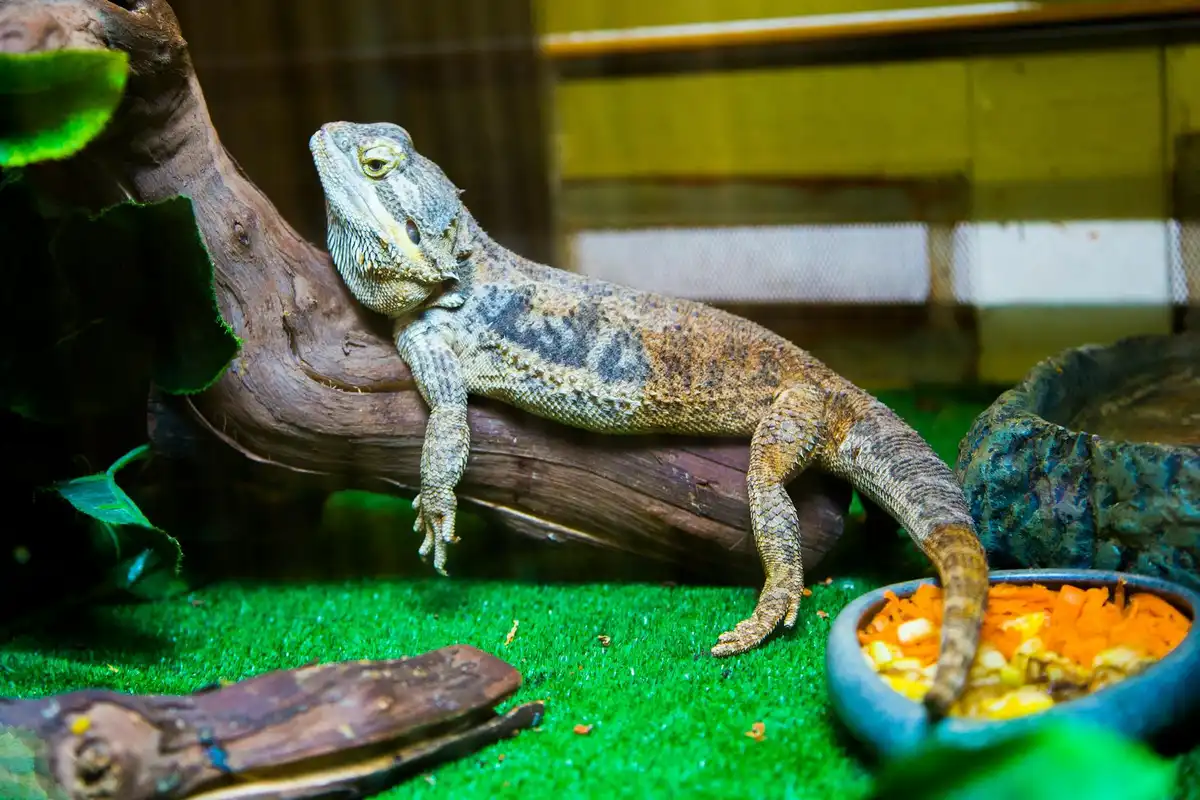
Watching my beardie, Smaug, get excited for a piece of strawberry is pure joy. His little head tilts, and he scampers right over. Fruits are the special desserts of the bearded dragon world, and they go absolutely crazy for them. But just like with our sweets, moderation is the golden rule because of their high sugar content. If you’re wondering exactly which fruits bearded dragons can eat—and which to avoid—this complete safe/unsafe fruit list will guide you. It makes it easy to balance Smaug’s fruit treats with his overall health.
I offer fruit only once or twice a week, and only as a small part of his salad. Here are the top favorites that are both safe and delicious for them.
- Strawberries: A huge hit! I always chop them into tiny, bite-sized pieces to prevent choking.
- Blueberries: Packed with antioxidants. I usually cut these in half for my younger dragons.
- Mango: The sweet, soft texture is irresistible. Remove the tough skin and pit first.
- Papaya: Another tropical favorite that’s great for hydration.
- Raspberries & Blackberries: These are great occasional treats, but their seeds are fine in small amounts.
- Watermelon: Mostly water, so it’s a hydrating summer snack. Offer just the flesh, not the rind or seeds.
Always remember that fruit is a treat, not a staple, to keep your dragon at a healthy weight. I’ve seen beardies become picky eaters, holding out for fruit and ignoring their greens, so I’m always careful not to overdo it. For a complete, safe feeding guide on which fruits bearded dragons can eat, see the full guide. It covers safe fruit choices, portions, and how to balance them with greens.
Protein-Rich Insect Favorites
This is where their inner hunter truly comes out. Live insects are a non-negotiable source of essential protein for growing juveniles and a vital part of an adult’s diet. The key is variety, as different bugs offer different nutritional profiles. I always buy my feeders from reputable sources to ensure they are free of pesticides and parasites.
Before feeding any insect to my dragons, I “gut-load” them for at least 24 hours. Gut-loading simply means feeding the insects a nutritious diet so that nutrition gets passed on to your pet. I use high-quality commercial gut-load food, along with veggies like carrots and leafy greens.
- Dubia Roaches: My personal top choice. They are meatier, less jumpy than crickets, and have an excellent protein-to-fat ratio.
- Black Soldier Fly Larvae (Calciworms®/Phoenix Worms): These are a powerhouse of calcium, requiring little to no dusting.
- Crickets: A classic feeder. They are affordable and readily available, but can be noisy and smelly if not cared for properly.
- Locusts: A great, active feeder for larger dragons that encourages natural hunting behavior.
- Silkworms: Excellent for hydration and packed with protein, but they can be more delicate and expensive.
- Hornworms: These are like giant, juicy gummy snacks for beardies. They are fantastic for hydration but are very low in fat, so use them as a treat.
Live Feeder Insects
Feeding live insects isn’t just about dropping them in the tank. The movement of live prey triggers your bearded dragon’s natural hunting instincts, providing crucial mental and physical stimulation. A bored dragon is an unhappy dragon, and this activity keeps them engaged. For a complete bearded dragon insect eating guide, it also notes which insects are safe to feed and which are toxic to avoid. Sticking to safe options helps prevent illness and keeps your pet thriving.
Here is my safe feeding routine to prevent escapes and potential injury to your pet.
- Use a Feeding Dish: I always use a shallow, smooth-sided bowl for insects like roaches and worms. This prevents them from scurrying away and hiding in the substrate, where they could bite your dragon later.
- Feed in a Separate Enclosure: For very active insects like crickets, I sometimes move my dragon to a separate, bare-bottomed tub. This stops crickets from hiding in the main habitat and reduces the chance of your dragon accidentally eating loose substrate.
- Never Leave Uneaten Prey: Always monitor feeding time. Remove any uneaten insects after 15 minutes. A leftover cricket can actually nibble on and injure your sleeping bearded dragon.
- Size Matters: The general rule is to never feed an insect wider than the space between your bearded dragon’s eyes. This prevents impaction and choking hazards.
From my experience, watching your dragon stalk and pounce on a carefully offered insect is one of the most rewarding parts of being an owner. It’s a direct window into their wild nature and a sign of a healthy, happy animal.
How to Feed Your Bearded Dragon Their Favorite Foods

Getting the food right is one thing, but serving it properly is what keeps your dragon thriving. A perfect meal for a beardie is all about preparation, proportion, and timing. I’ve found that a consistent routine makes mealtime something they genuinely look forward to. That includes following a complete feeding schedule—knowing how often to feed and what to offer at each meal. A consistent plan makes it easier to adjust for age and season, so your dragon stays at a healthy weight.
Here is my simple step-by-step process for preparing a stellar salad.
- Wash all greens, veggies, and fruits thoroughly to remove any pesticides or dirt.
- Chop everything into bite-sized pieces, no larger than the space between your dragon’s eyes. This prevents choking.
- Toss the salad in a shallow, easy-to-clean dish. I avoid deep bowls that might intimidate them.
- For insects, I always gut-load them with healthy veggies for at least 24 hours before feeding. This makes the bugs more nutritious.
- Lightly dust the insects or the salad with a calcium powder supplement right before serving. I do this five times a week, and a multivitamin twice a week.
Feeding frequency and portion size are where many owners get tripped up. The golden rule for portion size is to offer as many insects as they can eat in a 10-15 minute period. For salads, a good handful is usually plenty. They won’t always eat it all, and that’s okay.
Younger dragons are growing machines and need multiple insect feedings daily. Adults, on the other hand, do best with a daily salad and insects only every other day. This shift is critical for their long-term health, especially when compared to juvenile bearded dragons that require more frequent meals.
Bearded Dragon Diet by Age
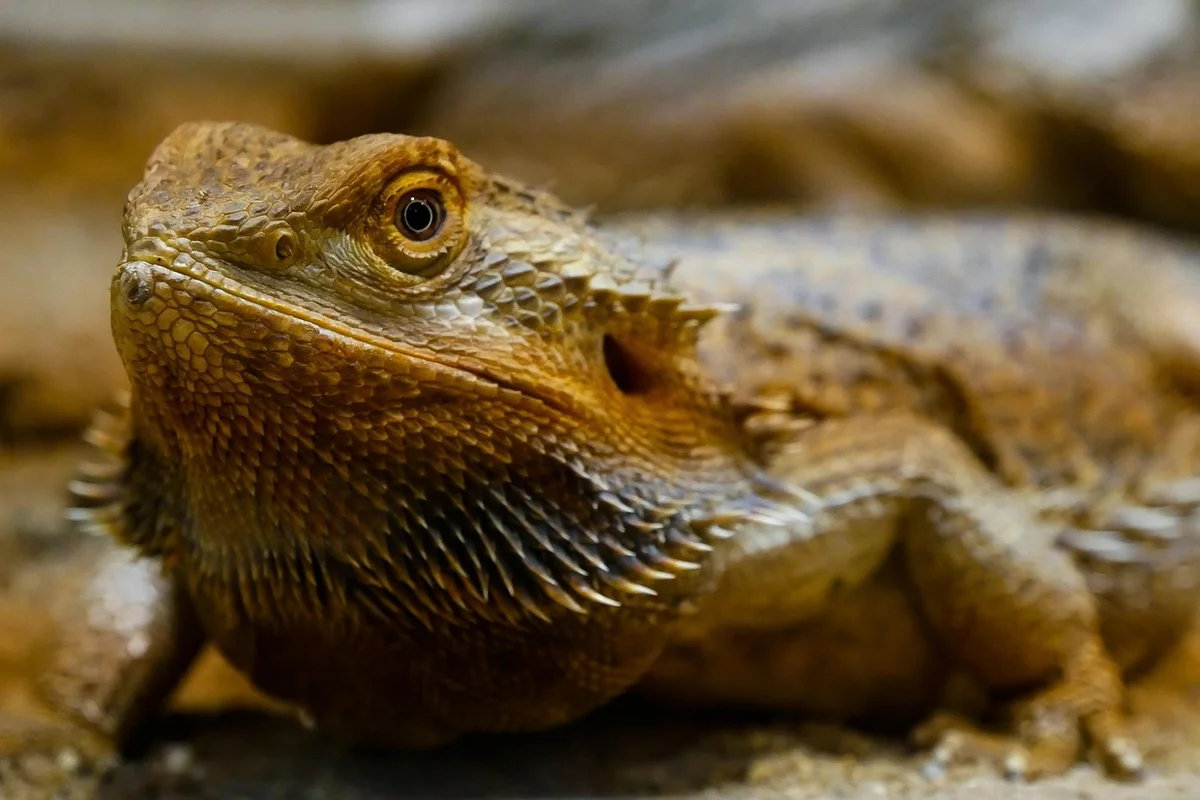
Your dragon’s nutritional needs will dramatically change as they grow. Getting this transition right is the single most important thing you can do for their lifelong health. I’ve raised several from tiny babies to stately adults, and watching their diet evolve is fascinating.
Here’s a quick-reference guide to what their plate should look like at each stage.
| Life Stage | Insect Feeding | Salad Feeding | Diet Ratio |
|---|---|---|---|
| Baby (0-5 months) | 3-5 times daily | Daily, always available | 80% Insects, 20% Salad |
| Juvenile (5-18 months) | 2 times daily | Daily, always available | 50% Insects, 50% Salad |
| Adult (18+ months) | 2-3 times weekly | Daily, always available | 20% Insects, 80% Salad |
Baby Bearded Dragon Diet
Baby beardies are little protein-powered rockets. Their bodies are built for rapid growth, which demands a diet very high in insects. I make sure my babies get multiple live feedings of small crickets or dubia roaches throughout the day.
Even with this insect focus, I always offer a finely chopped salad of collard greens and shredded squash. Introducing greens early is my best tip for preventing a picky eater later on. They might ignore it at first, but the constant exposure is what matters.
Adult Bearded Dragon Diet
By the time they reach adulthood, their metabolism has slowed way down. An adult’s diet should be a vibrant, plant-based buffet with insects as a weekly supplement. I feed my adults a staple salad every single morning.
Their favorite veggies like collard greens and bell peppers become the main event. I’ll add a few of their favorite insects, like some butterworms, as a treat just two or three times a week. This shift prevents obesity and serious health issues like fatty liver disease. It’s a change I monitor closely with each of my dragons. I also reference a greens bearded dragons eat complete safe unsafe list to know which greens are safe and which to avoid. This keeps my greens-first menu balanced and risk-free.
Frequently Asked Questions
How does a bearded dragon’s diet change as they age?
Bearded dragons transition from a protein-heavy diet as babies (around 80% insects) to a plant-based one as adults (about 80% greens and veggies) to support growth and prevent obesity. This shift ensures they get the right nutrients for each life stage, with juveniles needing more frequent insect feedings. For a complete overview of which vegetables to offer and how to balance greens with protein, see our vegetables complete feeding guide. It covers safe greens, portion sizes, and feeding schedules to keep your dragon healthy.
What should be included in a bearded dragon diet list for optimal health?
A balanced diet list should feature a variety of staple greens like collard and dandelion greens, safe veggies such as bell peppers and butternut squash, and insects like Dubia roaches, with fruits offered sparingly as treats. This variety mimics their natural eating habits and helps prevent nutritional deficiencies.
How does a bearded dragon’s diet in the wild differ from captivity?
In the wild, bearded dragons are opportunistic omnivores, eating whatever plants and insects are available, which can lead to a less predictable but diverse diet. In captivity, we provide a controlled, balanced diet to ensure they receive consistent nutrition without the risks of pesticides or parasites found in the wild. For a complete feeding guide for bearded dragons as pets, you need clear, practical recommendations on the right foods, portions, and feeding frequency. This helps translate their wild omnivory into a reliable, safe routine for a home terrarium.
Wrapping Up Your Dragon’s Diet
So, what’s the final menu? Your bearded dragon’s favorite foods are a reliable rotation of nutrient-packed staple greens like collard and dandelion greens, paired with live insects such as dubia roaches and crickets. Think of fruits like blueberries and mango as the special, occasional treat that makes their week. From my own crew, I can tell you that establishing this balanced routine is what leads to a vibrant, active, and healthy dragon. To translate this into daily practice, a complete feeding guide helps tailor portions to age and size. This menu serves as a solid daily baseline, adjustable to your dragon’s needs.
Stick with the classics, offer variety within those safe boundaries, and you’ll have a very content reptile. The best diet is one that is consistently good, not occasionally perfect. Watch your dragon thrive as you provide this foundation of excellent nutrition.
Further Reading & Sources
- What Do Bearded Dragons Eat? | PetMD
- The Bearded Dragon’s Diet: What Can They Eat? | Falls Road Animal Hospital | Baltimore Vet
- What Do Bearded Dragons Eat? | Chewy
Bearded Dragon Lair is the ultimate resource for bearded dragon enthusiasts, offering expert advice and practical tips to ensure the health and happiness of your scaly companion. With years of experience in reptile care, we are dedicated to providing accurate, up-to-date information to support your bearded dragon journey.
Insects vs. Vegetables