How to Find a Reptile Veterinarian Near You
Published on: December 29, 2025 | Last Updated: December 29, 2025
Written By: Beardie Joe
Finding the right vet for your scaly friend can feel like a daunting task, especially when you realize not every clinic handles reptiles.
As a long-time bearded dragon owner, I’ve navigated this search myself and I’m here to help you find a qualified, compassionate professional for your pet.
This guide will walk you through how to locate a reptile-savvy vet and exactly what to expect during that crucial first appointment.
Where to Start Your Search for a Reptile Vet
Finding the right medical professional for your scaled friend can feel daunting, but a few simple strategies will point you in the right direction. Your first stop should be a detailed online search using specific phrases like “reptile vet near me,” “avian and exotic veterinarian,” or “herpetological veterinarian.” I always get better results with these precise terms rather than just “animal hospital.”
Utilizing Professional Directories and Locator Tools
Beyond a basic search, professional organizations have fantastic vet locators. These are my go-to resources for finding vetted professionals.
- Use the Association of Reptilian and Amphibian Veterinarians (ARAV) member directory.
- Search the American Board of Veterinary Practitioners (ABVP) directory for board-certified specialists.
- Check the “Find a Vet” tool on exotic pet food brand websites; they often partner with qualified clinics.
Tapping into Local and Online Networks
Never underestimate the power of community knowledge. Some of the best recommendations I’ve received came from fellow dragon owners.
- Ask the staff at reputable local pet stores or reptile specialty shops.
- Reach out to bearded dragon breeders in your state; their animals’ health is their livelihood.
- Join bearded dragon forums or Facebook groups and ask for referrals in your area.
Your Vet Credentials Verification Checklist
Once you have a potential clinic name, do your homework. Call the clinic and don’t be shy about asking direct questions about their experience with bearded dragons. This is a good moment to reference a complete health check guide so you know what to look for. A quick health-check guide will outline the signs of wellness and red flags to watch for during the visit. I always run through this mental checklist:
- Ask how many bearded dragon patients they typically see in a month.
- Inquire if they have any vets with a special interest or additional training in reptiles.
- Confirm they have the proper equipment for reptiles, like small enough scales and specialized blood draw tools.
- Check online reviews, but look for specific mentions of reptile care, not just cats and dogs.
How to Prepare for Your Bearded Dragon’s First Vet Appointment
A little preparation makes that first visit smooth and far less stressful for both you and your dragon. Being organized helps the vet get a complete picture of your pet’s health and lifestyle quickly. I have a dedicated “dragon folder” I grab on my way out the door.
What to Bring With You
Think of yourself as your dragon’s historian and biographer. You are their voice. Bring these items to the appointment:
- Clear, recent photos of their entire enclosure, including the lighting setup.
- A simple log of what they’ve eaten over the past week.
- Any previous health records or the contact info for their last vet.
- A fresh fecal sample, if possible (double-bag it!).
Gathering Husbandry Information
The vet will need to know about your dragon’s home environment. Husbandry, or animal care, is the foundation of reptile health, and vets will ask detailed questions. Before you go, note down these specifics: New to bearded dragons? The Take Care Bearded Dragon: Complete Beginners Guide covers the basics you’ll need for setup and daily care.
- The exact basking spot temperature and the cool side temperature.
- The brand, type, and age of your UVB bulb.
- The substrate (flooring) you use in the tank.
- A typical weekly menu, including supplements.
Preparing Your Questions and Transporting Your Pet
It’s easy to forget your questions in the moment. Write them down beforehand. Is their appetite normal? Is that shed stuck? A small, secure carrier with a soft towel inside is the safest way to transport your bearded dragon. I avoid cardboard boxes as a determined dragon can scratch through them. For warmth, I sometimes use a hand warmer under the towel, but never directly against my dragon’s skin. When you properly hold a bearded dragon, support their chest with one hand and their hindquarters with the other, and keep sessions brief. It’s okay to handle them, but not too much—give them breaks to stay calm.
Creating a Bearded Dragon Health History Profile
This is something I started after my first dragon had a mysterious illness. Having a written history was a game-changer. Keeping a simple journal of your dragon’s habits creates an invaluable baseline for detecting health issues early. It doesn’t need to be complicated.
- Start with the basics: their approximate age, where you got them (pet store, breeder, rescue), and any known past illnesses.
- Note any behavioral changes, like increased hiding or glass surfing.
- Keep a weekly log tracking their appetite, shedding cycles, and the frequency and appearance of their bowel movements.
What Happens During the Initial Reptile Vet Examination
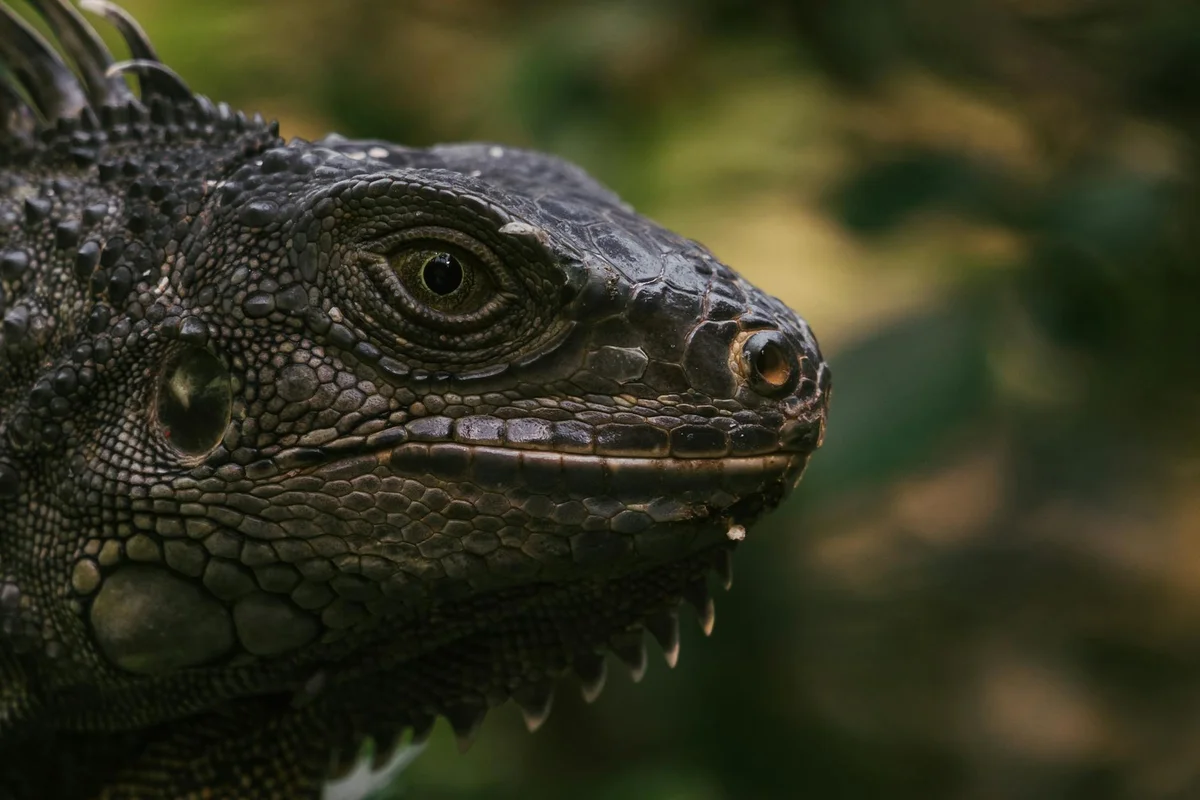
Walking into the vet with your scaly friend can feel a little nerve-wracking. I remember my first visit with my beardie, Smaug; I was so worried. Knowing what to expect turns a scary trip into a proactive health partnership. The process is very thorough, designed to catch the small issues before they become big problems.
The Step-by-Step Physical Exam
The vet will handle your dragon with gentle, confident hands. They are looking at the whole picture of your pet’s health.
- Weight and Length: They’ll start with precise weight and length measurements. This gives a crucial baseline. For juveniles, we track explosive growth; for adults, we watch for unhealthy weight loss or gain.
- Body Condition: The vet will palpate (feel) the body, checking muscle tone and fat pads. A sunken fat pad on the head is a red flag for dehydration or malnutrition.
- Skin and Scales: Every inch of skin is inspected for mites, scars, retained shed (which can cut off circulation), or any unusual bumps.
- Eyes, Nose, and Ears: Eyes should be bright and clear. The vet will check for swelling or discharge. The nose is checked for bubbles, a sign of respiratory infection.
- Oral Inspection: They will gently open the mouth to check the color of the gums and look for mouth rot (infectious stomatitis), which appears as cheesy, yellow plaque.
- Limbs and Tail: Each leg, toe, and the tail is flexed and examined for swelling, fractures, or signs of Metabolic Bone Disease (MBD), which causes soft, rubbery jaws and limbs.
- Vent Check: The cloaca (vent) is checked for cleanliness, swelling, or prolapse.
Common Diagnostic Tests
The physical exam tells a lot, but sometimes the vet needs to look deeper.
- Fecal Exam: This is the most common test. You’ll often be asked to bring a fresh stool sample. A fecal float test checks for internal parasites like pinworms or coccidia, which are very common in captive reptiles. I always bring a sample, just in case.
- Radiographs (X-rays): The vet might recommend X-rays if they suspect MBD, egg-binding in females, a digestive blockage from ingested substrate, or pneumonia.
- Blood Work: A small blood sample can reveal organ function, calcium levels, and signs of infection. This is more common for sick dragons or as a senior wellness check.
Common Procedures for Adult vs. Juvenile Bearded Dragons
The focus of the visit shifts dramatically with your dragon’s life stage.
- Juveniles (Babies): The vet is focused on growth and development. They’ll meticulously track weight gain to ensure your feeding schedule is correct. Fecal exams are almost always done, as babies are susceptible to parasites. The biggest discussion is usually about UVB lighting and calcium supplementation to prevent MBD.
- Adults: For healthy adults, it’s a wellness and prevention visit. The vet looks for early signs of common adult issues like fatty liver disease, kidney issues, or arthritis. For adult females, even those living alone, the conversation often turns to the possibility of infertile egg laying (follicular stasis) and the calcium demands that come with it.
Understanding the Costs of Reptile Veterinary Care
Let’s talk about the financial side. Reptile vet care is a specialty, and the costs reflect that. Being prepared financially is a huge part of responsible pet ownership. A surprise bill shouldn’t prevent your dragon from getting care. The bearded dragon cost of ownership also includes ongoing expenses like enclosure setup, lighting, heating, and a steady diet. Planning for these costs upfront helps ensure your dragon stays healthy without financial stress.
Breakdown of Potential Costs
Prices vary by location, but here’s a general idea of what you might pay.
- Office Visit/Exam Fee: $75 – $150. This is the base cost for the vet’s time and expertise.
- Fecal Exam: $25 – $50. A relatively inexpensive but highly valuable test.
- Radiographs (X-rays): $150 – $300. The cost depends on the number of views needed.
- Blood Work: $100 – $250. A full chemistry panel and complete blood count give a deep health insight.
- Common Treatments: Medications for parasites or infections can range from $20 – $80. Calcium injections for MBD might be $30 – $60.
Pet Insurance and Payment Plans
Don’t let the numbers scare you. There are ways to manage these costs.
- Pet Insurance: Companies like Nationwide offer exotic pet policies. I always recommend getting insurance when your dragon is young and healthy, as pre-existing conditions are not covered. Plans typically cover accidents, illnesses, and sometimes wellness exams, reimbursing you a percentage of the vet bill.
- Payment Plans: Always ask the clinic ahead of time if they offer payment plans or work with services like CareCredit. Many are willing to discuss options for larger, unexpected bills.
Ways to Save Money Without Compromising Care
Smart habits can keep your dragon healthy and your wallet happy.
- Preventive Care is Key: The cheapest vet bill is the one you avoid. Perfect your husbandry-correct UVB, heat, and diet prevent the most common and costly health issues.
- Ask for a Cost Estimate: Before approving any major tests, ask for a written estimate. This allows you to prioritize the most critical diagnostics if you’re on a tight budget.
- Build a Vet Fund: Set aside a small amount of money each month specifically for pet care. Even $20 a month builds a safety net for annual check-ups or minor emergencies.
Recognizing When Your Bearded Dragon Needs a Vet
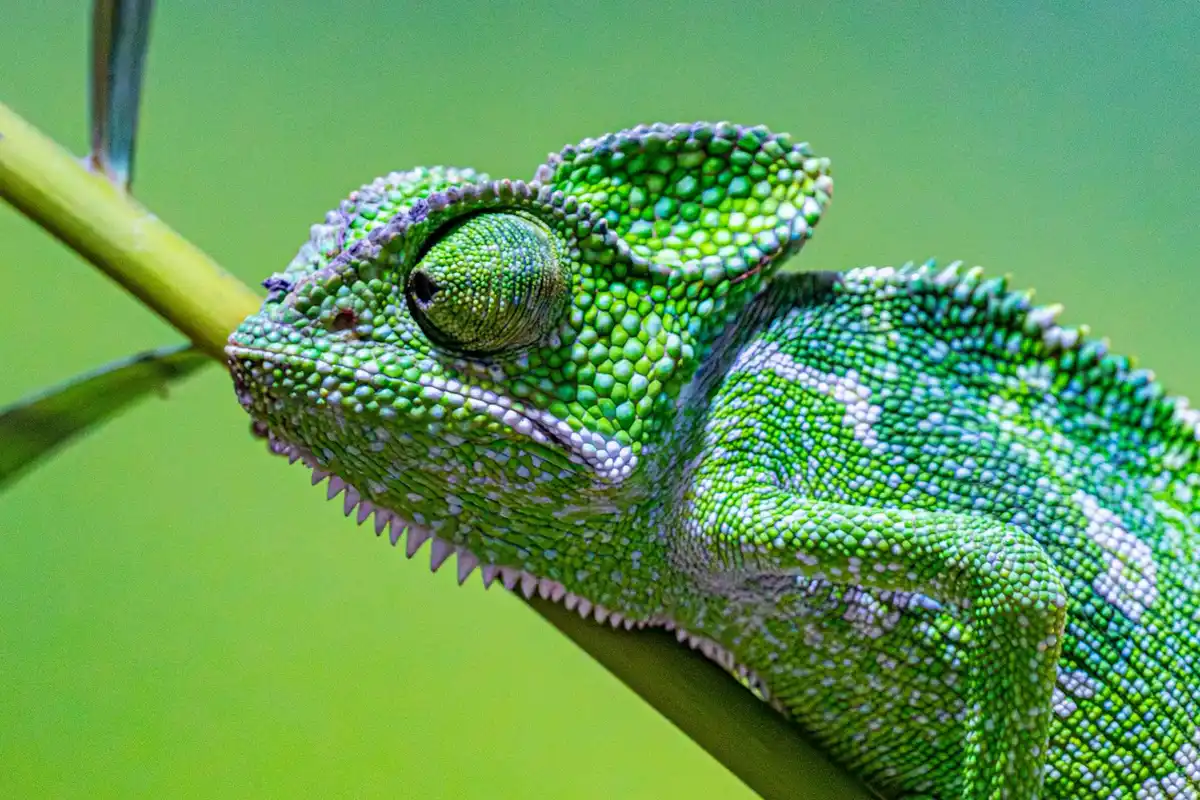
Over the years, I’ve learned that bearded dragons are masters of disguise when it comes to illness. They hide weakness instinctively. When they’re concerned or stressed, hiding is often their first red flag. This behavior signals you to inspect the environment, appetite, and health for underlying issues. For more information on when to be concerned, visit this article. Your most important job is to become a master observer, noticing the small changes that signal a bigger problem.
Common Symptoms That Warrant a Visit
Don’t panic at the first sign of these, but do start paying very close attention. If they persist for more than a day or two, it’s time to call the vet.
- Lethargy: A dragon that sleeps all day, doesn’t bask, or seems too weak to lift its body is a major concern.
- Loss of Appetite: Skipping a meal is normal; refusing all food for several days is not.
- Labored Breathing: Listen for wheezing, popping sounds, or seeing them breathe with an open mouth while at rest.
- Runny or discolored stools
- Swollen joints or limbs
- Persistent eye swelling or discharge
- Unexplained weight loss
Routine Issue or Full-Blown Emergency?
This is the tricky part. A dragon that is alert but not eating is a “schedule an appointment” situation. A dragon that is limp, unresponsive, or showing signs of severe pain is an “go right now” situation. Trust your gut. If your instincts are screaming that something is very wrong, they are probably correct. If you suspect illness or a crisis, consult our bearded dragon sick or dying emergency care guide for immediate steps. It outlines what to do first, who to call, and how to transport your dragon safely.
After-Hours Critical Care Steps
If your dragon seems critically ill after your regular vet has closed, here is what you do:
- Keep them warm. Move them to a hospital setup with a steady, correct basking temperature. A sick reptile cannot regulate its body heat.
- Offer water via a dropper on their snout, but do not force-feed them.
- Locate your nearest emergency exotic animal hospital immediately. Call ahead to confirm they treat reptiles.
- Gently place them in a secure, padded carrier for transport.
Emergency Signs That Require Immediate Attention
Do not wait. Do not call for an appointment tomorrow. These signs mean you need to get to a vet, day or night.
- Prolapse (any tissue coming out of the vent)
- Seizures or severe tremors
- Trauma from a fall or attack
- Bleeding from any orifice
- Inability to move one or more limbs
- A bloated, hard abdomen that they are straining against
How to Locate Emergency Exotic Vet Services Quickly
You don’t want to be searching for this in a panic. Program the number and address of your nearest 24/7 exotic vet into your phone right now. A quick online search for “emergency exotic vet near me” or “24/7 reptile vet” will point you in the right direction. I also keep a list saved in my reptile cabinet, just in case.
Making the Vet Visit Less Stressful for Your Bearded Dragon
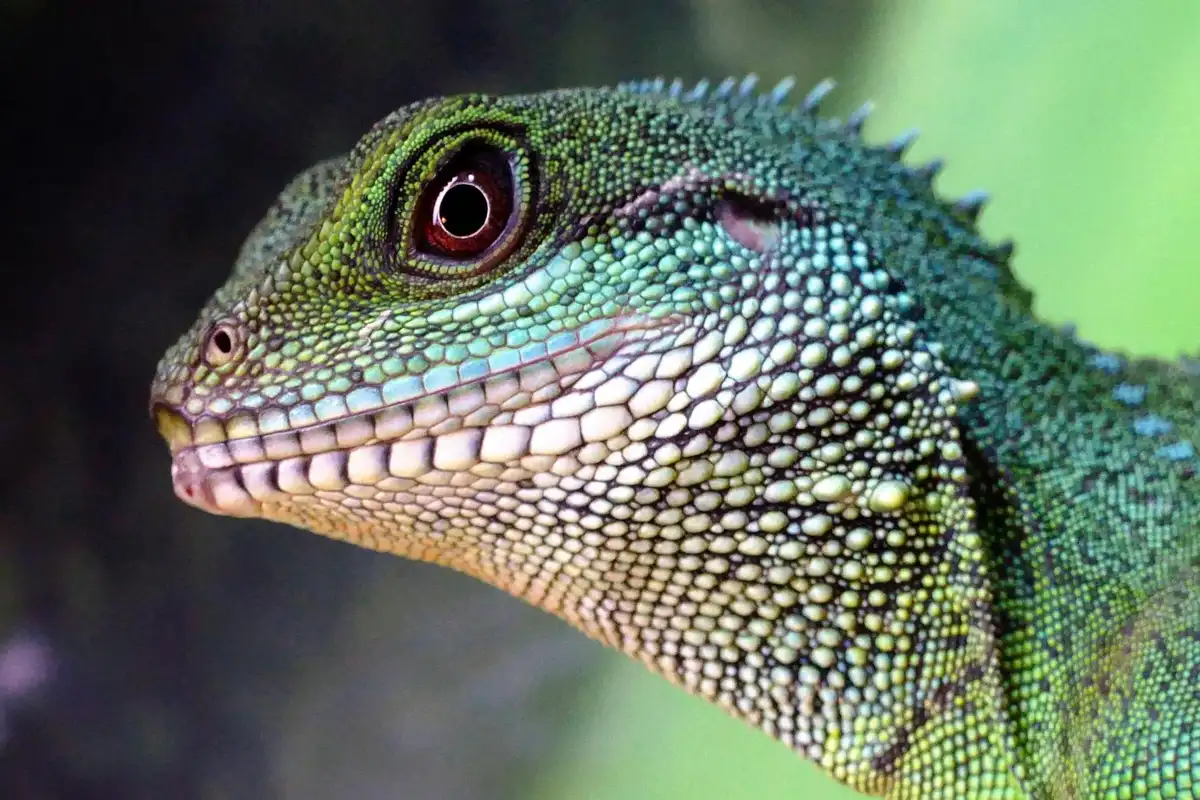
I’ve taken my dragons to the vet more times than I can count, and a little preparation makes a world of difference. A calm dragon is easier for the vet to examine, which leads to a better diagnosis. For bearded dragons, a simple de-stressing routine at home—like gentle handling, a familiar environment, and quiet time—can help keep them calm at the clinic. A short, practical guide to de-stressing your pet can make vet visits even smoother.
Acclimating to the Travel Carrier
Don’t let the carrier be a scary box that only appears for vet trips.
- Leave the carrier out in their room for a week before the appointment.
- Place a familiar, soft towel inside and maybe a favorite hide.
- Put tasty treats inside so they learn to associate it with good things.
Maintaining Proper Temperature
This is non-negotiable. A cold dragon is a stressed, sick dragon.
- Pre-warm the car before you bring your dragon out.
- Use a portable heat pack (the kind used for shipping reptiles) wrapped in a towel and placed under or next to the carrier. Never place it inside where they can touch it directly.
- At the clinic, politely ask if you can keep your dragon with you until the vet is ready, rather than leaving them in a cold kennel.
Gentle Handling During the Exam
Your presence is a comfort. Speak to them in a soft, low voice while the vet does their work. I always hold my dragon’s body securely, letting the vet handle the part they need to examine. This makes my dragon feel supported. Avoid sudden movements and let the vet guide you on how to best assist.
Personal Calming Techniques That Work
From my own experience, a few simple things can help immensely.
- I always bring the “lucky blanket” – a specific, soft cloth that smells like home.
- I keep one hand resting gently on their back during the exam so they know I’m there.
- I talk to them the entire time, just like I do at home. The sound of your voice is a powerful comfort.
Frequently Asked Questions
Is it possible to find a free reptile vet for my bearded dragon?
Free reptile vet services are very rare, but some animal shelters or rescue groups might host occasional low-cost clinics; always contact them directly to confirm availability and services for bearded dragons. Be prepared for ongoing maintenance costs such as regular checkups, UVB lighting replacements, heating, enclosure upkeep, and a balanced diet.
What are the most effective reptile vet locator tools?
Use trusted online directories like the Association of Reptilian and Amphibian Veterinarians (ARAV) or the American Board of Veterinary Practitioners (ABVP) to search for vets by location and verify their specialization in reptiles.
How do I find an exotic vet near me that treats bearded dragons?
Search online for “exotic vet near me” and prioritize clinics that explicitly mention reptile care, then call to ask about their experience with bearded dragons and available equipment. Whether you’re looking for an experienced vet or just want to double-check your setup, you can also review this comprehensive care checklist to ensure your bearded dragon’s needs are met.
You’ve Got This!
Finding the right reptile vet is one of the most responsible things you can do for your bearded dragon. It’s all about planning ahead, doing your research, and trusting your gut when you find a clinic that feels right. I’ve put together a guide to veterinary checkups and emergencies for bearded dragons that might help you when you’re looking around. I’ve never regretted the time I spent calling around and asking questions; it has given me so much peace of mind.
Your first visit is a partnership between you and the vet to build a health baseline for your scaly friend. Walking in prepared with your dragon’s history and your own questions turns that initial appointment into a powerful tool for a long, healthy life.
Further Reading & Sources
- The ReptiFiles Reptile Vet Directory
- Reptiles & Amphibians | Long Island Bird & Exotics Pet Vet Clinic
- Find a Reptile Veterinarian | Herp Vet and Reptile Veterinary Clinic Directory
Bearded Dragon Lair is the ultimate resource for bearded dragon enthusiasts, offering expert advice and practical tips to ensure the health and happiness of your scaly companion. With years of experience in reptile care, we are dedicated to providing accurate, up-to-date information to support your bearded dragon journey.
Regular Vet Visits