
Can Bearded Dragons Eat Berries? A Guide to Raspberries, Blackberries & More
Published on: January 15, 2026 | Last Updated: January 15, 2026
Written By: Beardie Joe
You’re looking at a bowl of fresh berries and wondering if you can share this sweet treat with your scaly friend.
After caring for my own bearded dragons for years, I’ve learned how to safely incorporate fruits like berries into their diet for a happy, healthy pet.
This guide covers which berries are safe, how often to feed them, and the specific benefits of raspberries and blackberries for your dragon.
Can Bearded Dragons Eat Berries?
Yes, your bearded dragon can absolutely eat certain berries, but this is a classic case of “treat, not a staple.” I think of berries like a special weekend dessert for my dragons, not part of their main meals. They are far too high in sugar and certain compounds to be a daily food. Offering them too often can lead to weight gain and other health issues over time. For guidance on safe fruits and vegetables, I rely on an ultimate safe food list for bearded dragons that separates daily staples from occasional treats. This helps me keep their diet balanced and healthy.
Safe Berries for Your Bearded Dragon
When you do decide to offer a berry, variety is your best friend. Rotating between different safe berries ensures your pet gets a range of nutrients without overloading on one type of acid or sugar. I always make it a point to wash all berries thoroughly to remove any pesticide residue before offering a tiny piece to one of my dragons.
Raspberries for Bearded Dragons
Raspberries are a fantastic occasional treat. They are a good source of fiber and Vitamin C. My beardies seem to love the soft texture.
- Benefits: High in antioxidants and manganese.
- Concerns: They have a moderate oxalate content, which can bind to calcium. This is why they must be fed sparingly.
- How to Serve: Offer one or two small raspberries, mashed or cut in half, no more than once every couple of weeks.
Blackberries for Bearded Dragons
Blackberries are another great option and one of the safer berry choices. They are packed with vitamins and have a lower oxalate content compared to raspberries.
- Benefits: Excellent source of Vitamin C, K, and fiber. The seeds are small and generally safe.
- Concerns: Like all berries, their sugar content is the primary limiting factor.
- How to Serve: One or two small blackberries, cut into manageable pieces, can be offered every other week as part of a varied treat selection.
Blueberries and Strawberries for Bearded Dragons
These two are crowd-pleasers, but they require a slightly different approach.
Blueberries are a powerhouse of antioxidants. I often use a single blueberry as a “reward” during handling sessions.
The key is to cut them in half or even quarters to prevent a choking hazard and to make the sugars easier to process. Offer a couple of blueberry halves once a month.
Strawberries are high in Vitamin C but also very sugary. Their seeds are external and pose no issue. I always remove the green leafy top and slice the strawberry into very thin pieces to control the portion. Are the tops safe for bearded dragons? Most keepers remove the leafy tops and feed only the strawberry flesh in moderation. A thin slice once a month is plenty for most adult bearded dragons.
Nutritional Benefits and Risks of Berries
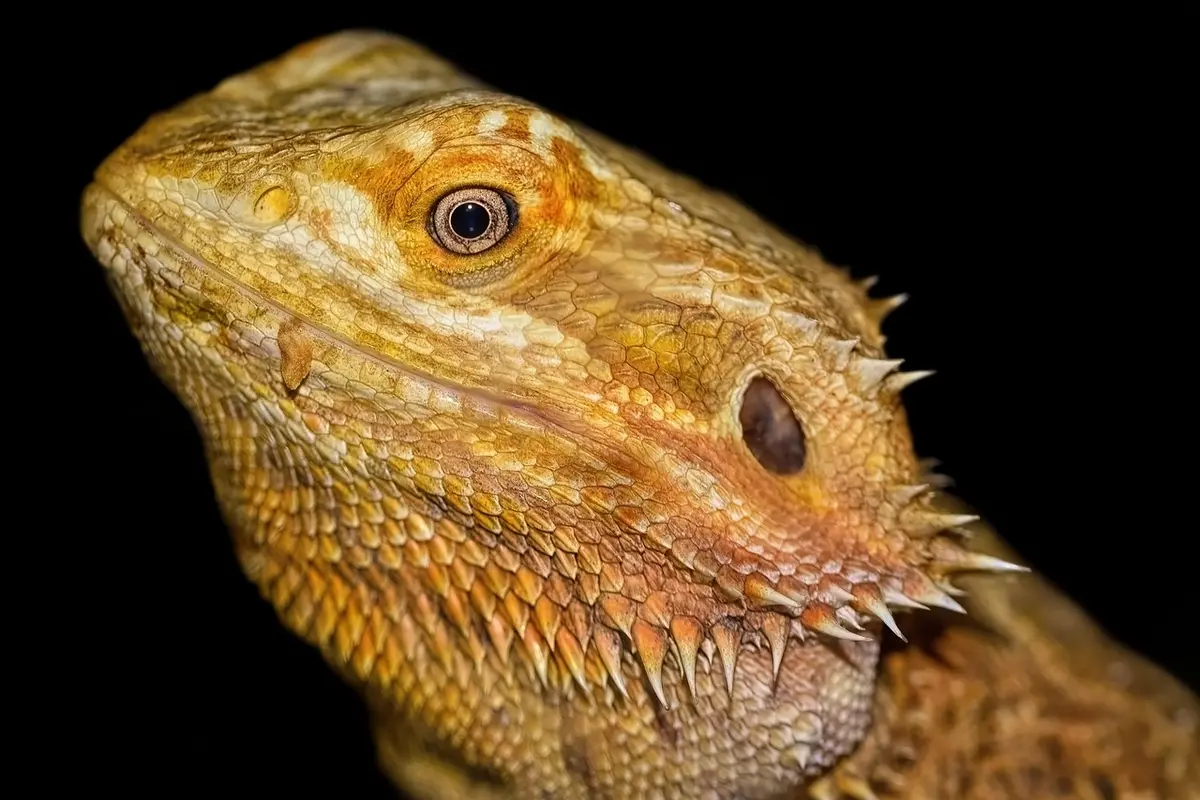
Berries are like tiny, colorful power packs of vitamins for your bearded dragon. I love seeing my dragons get excited for a berry treat. They offer a fantastic boost of hydration, fiber, and antioxidants like vitamin C, which supports a healthy immune system. This is especially helpful for an older dragon or one that might be a bit under the weather. Berry selections are a great example of how to balance safe staples with tasty treats in a bearded dragon’s diet. Just remember to offer them sparingly and rotate with other approved staples like leafy greens and insect protein.
But that vibrant color and sweet taste come with a catch. The main concerns are sugar and oxalates. The natural sugars in berries, while not toxic, can lead to weight gain and digestive upset if fed too often. Oxalates can bind to calcium inside your dragon’s body, making that crucial nutrient unavailable. This is a direct path to metabolic bone disease, a serious and painful condition we all want to avoid.
Think of berries as the dessert of the bearded dragon world. A small, occasional piece is a wonderful enrichment, but it should never replace their staple greens and vegetables. I always check my dragon’s overall diet for the week before deciding if a berry fits in. Many keepers notice that leafy greens and live insects are the bearded dragon’s real favorites, with berries acting as a rare fruit treat. So the top veggies, fruits, and insects form the core of a healthy rotation.
How to Prepare and Serve Berries
Proper preparation turns a potential risk into a safe, enjoyable snack. I have a little routine I follow every time I offer berries to my crew.
Washing and Cutting Berries
This is the most critical step for safety. Pesticides and dirt on the surface can make your dragon very sick.
- Place the berries in a colander and rinse them thoroughly under cool, running water. I gently rub each one with my fingers.
- For larger berries like strawberries, remove the leafy green top completely.
- You must cut the berries into pieces. Always chop berries into bite-sized pieces no larger than the space between your bearded dragon’s eyes. This prevents a choking hazard and makes the food easier to digest.
- For very small dragons, I sometimes even mash a raspberry into a pulp for them.
Dusting Berries with Calcium
Since berries contain oxalates, we need to tip the calcium scales back in our favor.
- Place the chopped, damp berry pieces in a small bowl. The little bit of leftover moisture from washing helps the powder stick.
- Sprinkle a light coating of a phosphorus-free calcium powder over the berries.
- Gently shake or toss the bowl to coat the pieces evenly. Dusting the berries with calcium is a simple trick that helps counteract the oxalates and ensures your dragon gets the nutrients it needs. I do this for every single berry treat.
Feeding Guidelines: Portions and Frequency

Getting the amount and schedule right is what separates a healthy treat from a harmful habit.
Juvenile Bearded Dragons
Young dragons are growing machines and need a protein-heavy diet. Their tiny bodies are also more sensitive to sugar.
- Feed berries extremely sparingly, if at all. I typically wait until a dragon is over a year old before introducing them.
- If you do offer a piece, it should be a tiny, mashed bit no more than once a month.
- Their primary focus must be on live insects and chopped leafy greens for proper growth and development. A berry is an unnecessary distraction at this life stage.
Adult Bearded Dragons
For a full-grown dragon, berries can be a more regular part of their diversified salad.
- Offer berries as a treat only once every one to two weeks.
- A good portion is one or two small pieces of chopped berry mixed thoroughly into their main salad.
- Never offer a whole berry or a bowl of just berries. Mixing one or two small berry pieces into a large bowl of greens is the perfect way to add flavor without overdoing the sugar. This is the method I use with my own adults.
Potential Risks and How to Avoid Them
While a berry can be a lovely treat, it’s not a simple snack. I’ve learned through my own dragons that a few key risks can turn a healthy bite into a health concern. The biggest mistake I see new owners make is treating fruit like a daily food group, when it should be a rare delicacy.
Watch Out for Oxalates
Some berries, like raspberries and blackberries, contain compounds called oxalates. In large amounts, oxalates can bind to calcium inside your dragon’s body and prevent it from being absorbed. This can lead to metabolic bone disease (MBD), a serious and painful condition. Feeding high-oxalate foods too often is like locking away the calcium from their diet, making it useless to their bodies.
The Sugar Problem
Bearded dragons aren’t built to process a lot of sugar. Even the natural sugars in fruit can cause issues.
- Weight gain and obesity
- Digestive upset, including diarrhea
- Long-term risk of fatty liver disease
Think of berries as candy for your reptile-a tiny piece is exciting, but a whole bag makes them sick.
Pesticides and Chemicals
I always, always wash any fruit I give my pets. The chemicals and pesticides used on conventional berries are toxic to a small animal like a bearded dragon. Taking two minutes to thoroughly wash a berry can prevent a terrifying and expensive trip to the vet.
Your Simple Risk-Avoidance Checklist
- Wash all berries thoroughly.
- Remove any stems or leaves.
- Chop the berry into pieces no larger than the space between your dragon’s eyes.
- Limit berry treats to once every other week, or less.
- Only offer one or two small pieces per serving.
Berries Compared to Other Safe Fruits

If you’re going to offer a fruit treat, it helps to know how your options compare. Not all fruits are created equal in the world of bearded dragon nutrition. Choosing the right fruit is about balancing sugar content, nutritional value, and how often you can safely offer it.
Here’s a quick comparison of how common treat fruits stack up. This is based on my own research and what has worked for my crew.
| Fruit | Feeding Frequency | Key Benefit | Main Consideration |
|---|---|---|---|
| Raspberries | Rarely (Monthly) | High in Fiber & Antioxidants | Higher in oxalates |
| Blackberries | Rarely (Monthly) | Good Vitamin C Source | Higher in oxalates |
| Blueberries | Occasionally (Bi-Weekly) | Lower in oxalates | Still high in sugar |
| Strawberries | Occasionally (Bi-Weekly) | High in Vitamin C | Can be very watery |
| Papaya | More Often (Weekly) | Great for Hydration & Digestion | Remove seeds completely |
| Figs | Rarely (Monthly) | High Calcium | Extremely high in sugar |
From my experience, papaya is a winner when my dragons seem a little backed up, and blueberries are the go-to for an easy, lower-risk treat. Variety is the real key—don’t get stuck on just one type of fruit, and always prioritize leafy greens over any sweet treat. For a quick guide on what bearded dragons can safely eat, pomegranate and papaya are popular options in moderation. Knowing safe fruits helps you diversify treats without overdoing sugar. Their main diet should be built on a foundation of insects and vegetables, with fruit as the occasional sprinkle on top.
Frequently Asked Questions
What other fruits are safe for bearded dragons besides berries?
Bearded dragons can enjoy fruits like papaya, mango, and melons as occasional treats, but always research each fruit for proper preparation and limit frequency due to high sugar content. For a complete guide on which fruits are safe or unsafe for bearded dragons, consult the complete safe/unsafe fruits list. This helps you choose the best options and avoid risky ones. Rotate between different safe fruits to provide variety without overloading on sugars.
Can you provide a list of safe fruits and vegetables for a balanced diet?
A balanced diet for bearded dragons should include staple vegetables like collard greens, bell peppers, and squash, with fruits such as berries and papaya offered rarely as treats. Focus on a mix of insects and fibrous vegetables to meet their nutritional needs, using fruits only for enrichment. This ties into a bearded dragon’s complete guide on safe foods. For a full list of safe foods and feeding guidelines, consult that guide.
Should fruit be a regular part of a bearded dragon’s diet?
No, fruit should not be a regular part of a bearded dragon’s diet; it is best reserved for occasional treats to prevent issues like obesity and digestive upset. Their primary diet should consist of insects and vegetables to ensure proper health and avoid nutrient imbalances. Fruits can be included in small amounts as safe, occasional snacks. For a complete safe feeding guide on which fruits bearded dragons can eat, see our comprehensive guide.
Final Thoughts
So, can your bearded dragon eat berries? The answer is a resounding yes, but with a major caveat. Think of berries like a special weekend dessert for your dragon—a delightful, juicy treat, but not a daily food group. Offering a small piece of raspberry, blackberry, or blueberry once a week is a safe and enjoyable way to add variety and hydration to their diet. Bearded dragons eat blueberries, strawberries, raspberries, and other berries, but these should remain occasional treats rather than daily staples. Keeping portions small helps maintain a balanced diet overall.
Always remember that their main meals should come from their staple greens and live insects. From my own experience, seeing my dragons get excited for a rare berry is a joy, but their long-term health is built on a foundation of proper, everyday nutrition. Keep the portions tiny, the frequency low, and you can safely share these sweet moments with your scaly friend.
Further Reading & Sources
- Can Bearded Dragons Eat Blueberries? Fresh or Frozen? – Dragon’s Diet
- Can Bearded Dragons Eat Blackberries? The Info You Need – Dragon’s Diet
- Bearded Dragon Diet – Vegetables, Fruits, Plants, & Unsafe Plants | Sawnee Animal Clinic
Bearded Dragon Lair is the ultimate resource for bearded dragon enthusiasts, offering expert advice and practical tips to ensure the health and happiness of your scaly companion. With years of experience in reptile care, we are dedicated to providing accurate, up-to-date information to support your bearded dragon journey.
Feeding Guidelines