Can Bearded Dragons Eat Frogs, Lizards, and Other Wild Creatures?
Published on: January 28, 2026 | Last Updated: January 28, 2026
Written By: Beardie Joe
You’re probably wondering if it’s okay to let your bearded dragon snack on a frog from the backyard or a lizard it spots in its tank.
As a longtime owner of multiple beardies with a background in reptile care, I’ve seen the consequences of improper feeding and I’m here to give you the straight story.
We’ll dive into the specific dangers of wild prey, uncover safe and nutritious food swaps, and learn how to protect your scaly friend’s well-being.
Understanding the Natural Bearded Dragon Diet
In the wild, a bearded dragon’s menu is a product of opportunity. They are omnivorous scavengers, meaning they’ll eat whatever they can find—from insects and the occasional small mammal or lizard to leaves, flowers, and berries. Their wild diet is a survival-based smorgasbord, not a curated nutrition plan. Here’s a complete guide to what bearded dragons eat, including safe meat options and why cheese is generally avoided. It also explains how to balance meat with greens for a healthy captive diet.
In our homes, we have the privilege and responsibility to provide a balanced diet. This changes dramatically as they grow.
- Baby Bearded Dragons (0-4 months): Their bodies are protein-fueled growth machines. Their diet should be about 80% live insects and 20% greens.
- Juvenile Bearded Dragons (5-18 months): They are still growing quickly. Aim for a 50/50 split between insects and fresh salads.
- Adult Bearded Dragons (18+ months): Their growth has slowed. Their diet should flip to about 20-30% insects and 70-80% vegetables and greens.
The key components of a healthy captive diet are simple and safe.
- Insects: Staple feeders like dubia roaches, crickets, and black soldier fly larvae.
- Greens & Vegetables: Collard greens, dandelion greens, mustard greens, and squash should form the bulk of their salad.
- Fruits: These are treats only, like blueberries or mango, offered sparingly.
That powerful hunting instinct never truly leaves them. Seeing your dragon get excited by a moving creature is completely natural, but acting on that instinct with wild animals is where the danger lies. I’ve seen my own dragon, Smaug, puff up at a leaf blowing across the patio. It’s a reminder of the wild heart inside our tame companions. If you’re wondering why your bearded dragon stares, it’s often them reading you—checking your body language, warmth, and environment to decide how to respond. Interpreting these stares can help you better understand common behaviors and keep interactions calm and safe.
Risks of Feeding Frogs and Lizards to Bearded Dragons
While the chase might seem enriching, the consequences of feeding wild-caught vertebrates are severe. I made the mistake years ago with a single wild cricket, and my dragon spent a week at the vet. It was a hard lesson that wild prey is an unpredictable cocktail of pathogens and poisons. The Bearded dragons eat crickets guide resources emphasize the importance of live prey and caution against wild varieties. They suggest sticking to farmed, live crickets to minimize disease risk.
The risks differ between amphibians and reptiles.
- Amphibians (Frogs, Toads): These are the most dangerous. Their skin often secretes potent toxins as a defense mechanism.
- Other Reptiles (Lizards): These are high-risk parasite carriers and can inflict bites that lead to serious infections.
Parasite and Disease Transmission from Wild Prey
Wild creatures are teeming with internal passengers you don’t want in your dragon’s tank.
- Common Parasites: Pinworms, Coccidia, and Protozoa are frequent hitchhikers.
- Health Impact: These invaders cause weight loss, diarrhea, lethargy, and can be fatal if untreated.
Watch for these symptoms if you suspect a parasite problem.
- Runny, foul-smelling, or bloody stools
- Lethargy and lack of appetite
- Weight loss despite eating
The only sure way to reduce this risk is complete avoidance. Stick to insects from reputable breeders who raise their feeders in clean, controlled environments. It’s the single best thing you can do for your pet’s long-term health.
Toxin and Poisoning Dangers in Wild Creatures
Frogs and toads are a bearded dragon’s worst nightmare. Many species, even small ones, produce skin secretions that are highly toxic to reptiles, unlike bearded dragons themselves, which are neither venomous nor poisonous.
- Why they are toxic: They produce bufotoxins and other compounds that can cause rapid neurological shutdown.
- Other Toxin Sources: Even some wild insects, like certain caterpillars and fireflies, are lethally toxic. They absorb plant toxins from their environment.
Signs of poisoning can be sudden and dramatic.
- Uncontrollable shaking or seizing
- Loss of coordination, stumbling
- Gaping mouth or difficulty breathing
- Rapid onset of lethargy
If you see any of these signs, contact an emergency reptile veterinarian immediately. Time is critical. Do not wait to see if they “get better.” This is a life-or-death situation.
Safe Feeder Alternatives for a Balanced Diet
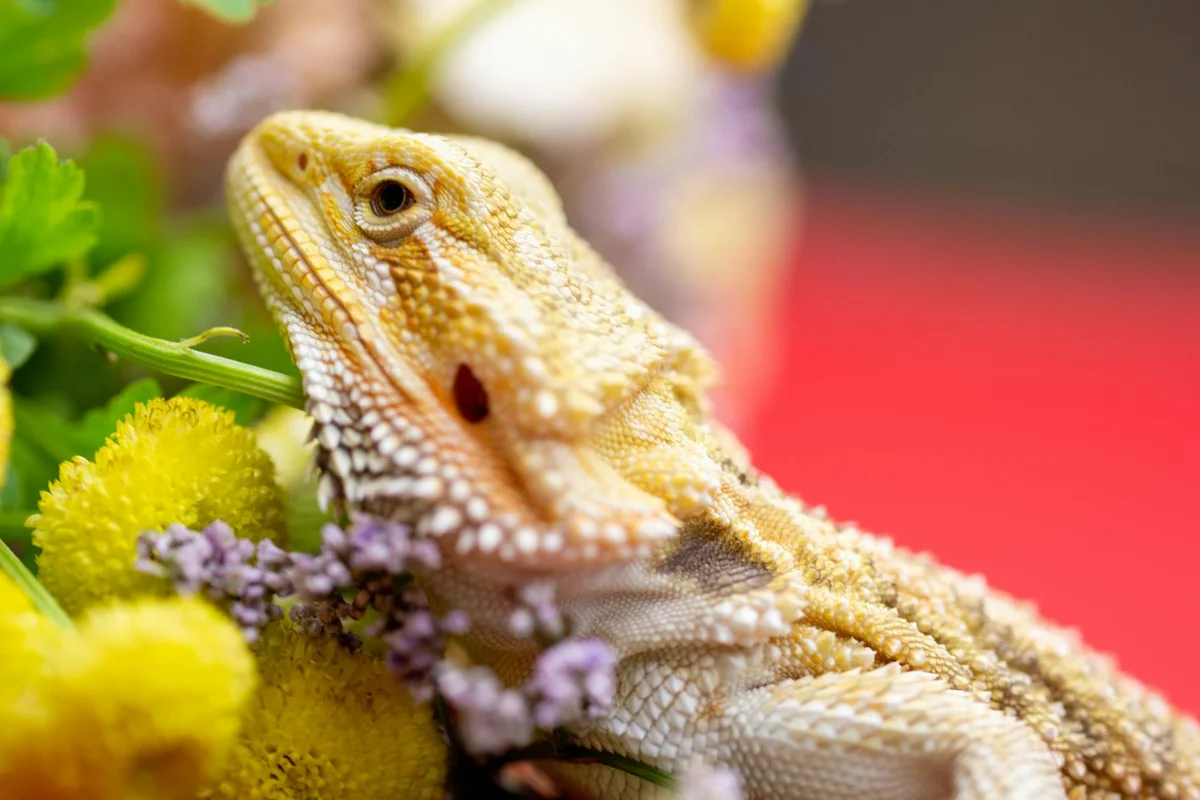
Sticking to safe, commercially raised food is the single best way to keep your bearded dragon thriving. I’ve raised multiple beardies over the years, and their best health has always come from a controlled, store-bought diet. It removes the risk of parasites and pesticides completely.
Trusted Feeder Insects
Your local pet store is a treasure trove of safe options. These are my go-to staples:
- Crickets: A classic protein source, but they need to be gut-loaded (fed nutritious food) before offering them to your dragon.
- Dubia Roaches: My personal favorite. They are nutritious, less smelly than crickets, and can’t climb smooth surfaces.
- Mealworms: Great for an occasional treat, but use them sparingly due to their higher fat content.
Essential Greens and Vegetables
A salad isn’t just a side dish; it’s a core part of their nutrition. I make a big chop for my crew every week.
- Daily Staples: Collard greens, dandelion greens, mustard greens, and endive.
- Healthy Veggie Toppers: Butternut squash, bell peppers (all colors), and snap peas.
Don’t Forget Supplementation
Even the best diet needs a little boost. Calcium and vitamin D3 are non-negotiable for preventing Metabolic Bone Disease, a common and devastating illness. I keep two shakers by their tank.
- Lightly dust insects with a calcium powder containing D3 at most feedings.
- Use a multivitamin powder once or twice a week.
Simple Bearded Dragon Diet Chart
| Life Stage | Protein (Insects) | Greens & Veggies | Feeding Frequency |
|---|---|---|---|
| Baby (0-5 mos) | 80% | 20% | 3-5x daily |
| Juvenile (5-18 mos) | 50% | 50% | 2x daily |
| Adult (18+ mos) | 20% | 80% | 1x daily |
Age-Appropriate Nutrition for Bearded Dragons
Your dragon’s dietary needs change dramatically as they grow. Getting these ratios right is the secret to a long, healthy life for your scaly friend.
Baby Bearded Dragons (0-5 months)
They are tiny eating machines focused on rapid growth. Offer as many appropriately-sized insects as they can eat in 10-15 minutes.
- Best Proteins: Small crickets, small dubia roaches, black soldier fly larvae.
- Best Greens: Finely chopped collard greens, dandelion greens.
Adult Bearded Dragons (18+ months)
Their metabolism slows way down. The diet flips to be mostly plant-based to prevent obesity.
- Best Proteins: Dubia roaches, superworms (treat), hornworms (treat).
- Best Greens/Veggies: Collard, mustard, and turnip greens, acorn squash, bell peppers.
Variety is the spice of life, even for a beardie. Rotating through different greens and insects ensures they get a full spectrum of nutrients and keeps mealtime interesting.
What to Do If Your Beardie Ate Wild Prey
If you suspect your dragon snatched a wild insect or lizard, don’t panic. Stay calm and take these steps immediately.
Your first job is close observation. Watch their behavior, appetite, and bathroom habits like a hawk for the next 48 hours.
Immediate Action Steps
- Remove any other wild prey from the enclosure immediately.
- Offer fresh water to help them flush their system.
- Call your exotic veterinarian for advice. Describe what they ate and how much.
Signs of Illness to Watch For
These symptoms can indicate parasite overload or poisoning and require a vet visit.
- Lethargy or unusual lack of movement.
- Refusing their favorite feeder insects.
- Unusual droppings: diarrhea, strange colors, or mucus.
- Vomiting or regurgitation.
Never try to treat a potential parasite infection at home; your vet will need a fecal sample for an accurate diagnosis. I learned this the hard way with my first dragon, and a professional diagnosis was the only thing that solved the problem. When the vet runs a fecal test for parasites, they’ll look for eggs, larvae, or other signs to identify the exact issue. This is why a fecal examination is essential before any treatment is started.
Ethical and Safety Considerations for Wild Prey
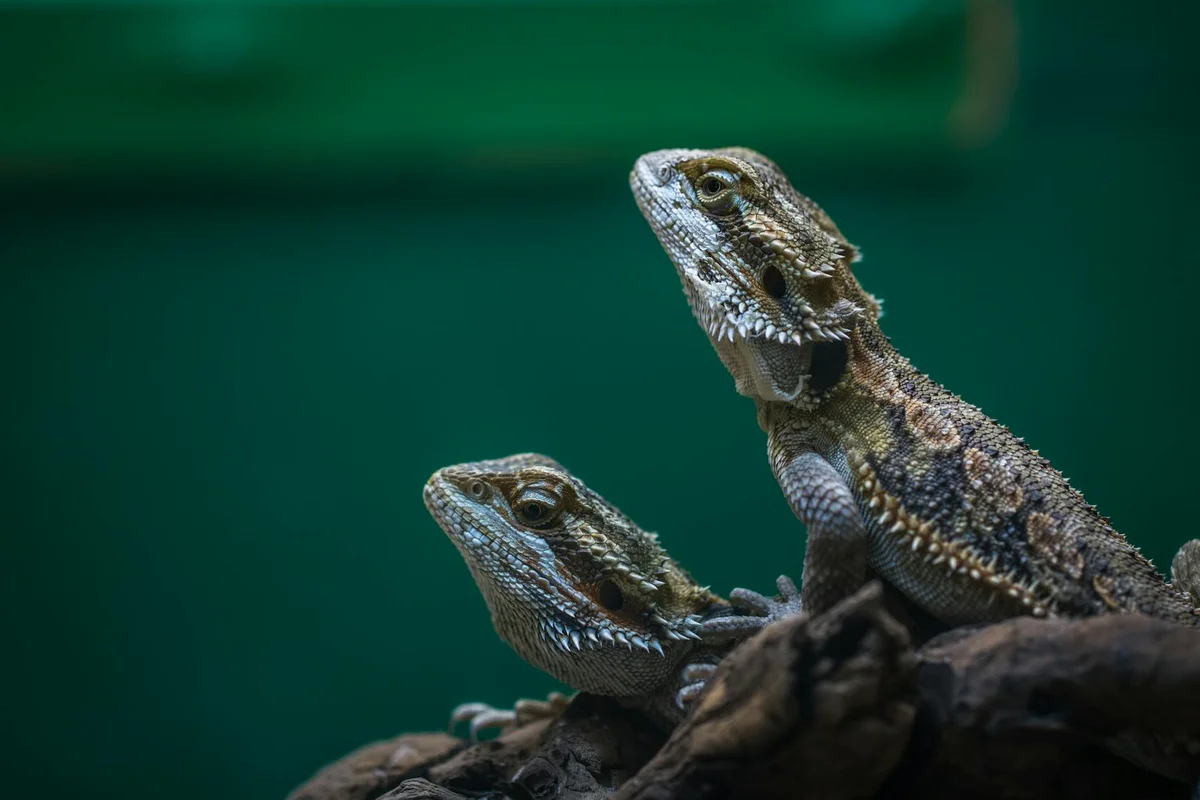
Choosing captive-bred food isn’t just about your pet’s health; it’s about our responsibility to the wider world.
Feeding wild-caught prey can inadvertently harm local ecosystems. You might be removing a key species for other wildlife or, worse, introducing an invasive species if a feeder escapes.
There are also legal considerations. In many areas, it is illegal to collect certain amphibians, reptiles, and insects from the wild without a permit. It’s always best to check your local regulations.
As a reptile lover, I advocate for the welfare of all animals. Choosing captive-bred feeders is a simple way to ensure no wild populations are harmed for the sake of our pets. It’s a more humane and sustainable practice that supports a responsible pet industry.
Frequently Asked Questions
What is the bearded dragon diet?
A bearded dragon’s diet is omnivorous, consisting of a balanced mix of insects and plant-based foods like greens and vegetables, with the proportions adjusted based on their life stage for proper nutrition. In a complete feeding guide for bearded dragons, you’ll learn how to balance this diet for pets and how it compares to what wild bearded dragons eat in nature.
What greens should be included in a bearded dragon diet?
Staple greens such as collard, dandelion, and mustard greens are essential, providing vital nutrients and fiber for daily consumption in a bearded dragon’s salad. This aligns with a complete safe/unsafe greens list, helping you know which greens are safe to feed and which should be avoided.
How does the bearded dragon diet vary by age?
The diet changes significantly with age: babies need up to 80% insects for growth, while adults thrive on 80% greens to prevent obesity and maintain health.
Final Verdict
No, you should not feed your bearded dragon frogs, lizards, or other wild-caught creatures. This is one of the most definitive rules in bearded dragon care, born from the very real risks of parasites, toxins, and physical harm. Bearded dragons will eat a wide range of bugs, but not every bug is safe. The key is to feed safe gut-loaded insects and avoid wild-caught or hazardous species. From my own experience, sticking to a diet of properly gut-loaded insects and fresh greens has always kept my dragons thriving without the dangers of the unknown.
The best diet for your scaly friend is a controlled one. Focus on commercially bred feeder insects and a rainbow of safe vegetables to provide all the nutrition they need without the gamble. Your dragon’s health is worth more than a risky snack from the wild. To translate this into daily care, a complete feeding guide explains how much and how often to feed, and how to balance insects with greens for daily nutrition.
Further Reading & Sources
- CAN A BEARDED DRAGON EAT THE LITTLE FROG and A MOUSE? 【LIVE FEEDING】 – YouTube
- Can Bearded Dragons Eat Frogs, Cabbage, Raspberries, and More? Expert Answers
- Can Bearded Dragons Eat Frogs Or Toads? – Amphibian Life
Bearded Dragon Lair is the ultimate resource for bearded dragon enthusiasts, offering expert advice and practical tips to ensure the health and happiness of your scaly companion. With years of experience in reptile care, we are dedicated to providing accurate, up-to-date information to support your bearded dragon journey.
Feeding Guidelines