
Bearded Dragon Quarantine: A Simple Guide for New Pets
Published on: December 30, 2025 | Last Updated: December 30, 2025
Written By: Beardie Joe
Bringing home a new bearded dragon is an exciting moment, but do you know the first and most critical step to keep them-and your other pets-safe?
With years of experience caring for multiple bearded dragons, I’ll walk you through a straightforward, effective quarantine process that I use myself.
You’ll learn why quarantine is a must, how to set up a separate habitat, and the key signs to watch for before introducing your new dragon.
The Critical Purpose of Bearded Dragon Quarantine
Bringing a new dragon home is exciting, but that excitement can quickly turn to worry if you skip the quarantine step. I learned this the hard way years ago when a seemingly healthy rescue dragon passed a nasty parasite to one of my long-time pets. The stress and vet bills were entirely preventable.
Quarantine isn’t about being paranoid; it’s about being a responsible pet owner. Think of it as a mandatory health observation period. Many illnesses and parasites have an incubation period where symptoms aren’t immediately visible. This quiet time allows you to spot subtle changes in appetite, energy, and droppings before any other animals are exposed.
You are protecting your entire reptile family. Even dragons from the most reputable breeders can carry hidden issues. Stress from moving to a new home can weaken their immune system, allowing a dormant problem to surface. A proper quarantine period is your single best defense against a household-wide health crisis.
Setting Up Your Quarantine Enclosure
Your quarantine tank doesn’t need to be fancy, but it does need to be functional and easy to clean. The goal is to create a simple, sterile environment where you can monitor your new pet without any complicating factors. I always set this up in a completely separate room from my other dragons, ideally with different air circulation.
Choosing the Right Isolation Enclosure
A simple glass aquarium or a basic front-opening terrarium works perfectly. I prefer a 40-gallon breeder tank for quarantine as it provides ample space without being overwhelming to manage. You can often find these secondhand for a low cost, which is ideal.
Avoid using a fully decked-out, naturalistic vivarium for this purpose. Complex setups with bioactive soil and live plants make it nearly impossible to spot parasites and keep everything sanitized. For quarantine, simplicity and cleanliness are far more valuable than aesthetic appeal.
Essential Quarantine Equipment Checklist
You’ll need all the basics, but with a focus on easy sterilization. Here is my must-have list for a quarantine setup:
- Enclosure: 40-gallon tank or similar size.
- Heating: A basking lamp and a reliable thermostat to control it.
- Lighting: A brand new, high-quality UVB tube light. Do not use secondhand UVB bulbs.
- Substrate: Paper towel, newspaper, or slate tile. These are non-porous and can be replaced or disinfected daily.
- Hides: One simple hide on the warm side and one on the cool side. I use plastic containers with a hole cut out.
- Food and Water Dishes: Ceramic or glass bowls that can be boiled.
- Digital Thermometer/Hygrometer: You need accurate readings at all times.
- Separate Set of Tools: Dedicated tongs, cleaning spray bottles, and sponges that never leave the quarantine area.
Maintaining Proper Husbandry in Isolation
Just because it’s a temporary home doesn’t mean the care standards drop. Your new bearded dragon still requires perfect temperatures and lighting to stay healthy and beat any potential illness. To thrive, following a Thrive Complete Care Checklist can help ensure you cover all the essentials. I check the basking spot and cool side temperatures twice daily during quarantine.
Your cleaning routine becomes your most important task. I replace all paper towel substrate and wash the food and water bowls with a reptile-safe disinfectant every single day. This prevents any potential pathogens from building up in the enclosure and gives you a clear view of the dragon’s droppings for monitoring. A practical bearded dragon tank cleaning guide will outline a regular schedule, effective methods, and safe solutions to keep the enclosure clean and safe.
Handle this dragon last after you’ve cared for all your other pets. Always wash your hands thoroughly with soap and water before and after you enter the quarantine room. Change your clothes if the dragon has climbed on you. This might seem extreme, but it effectively breaks the chain of potential cross-contamination, especially when dealing with potentially salmonella-carrying reptiles.
Daily Health Monitoring and Observation
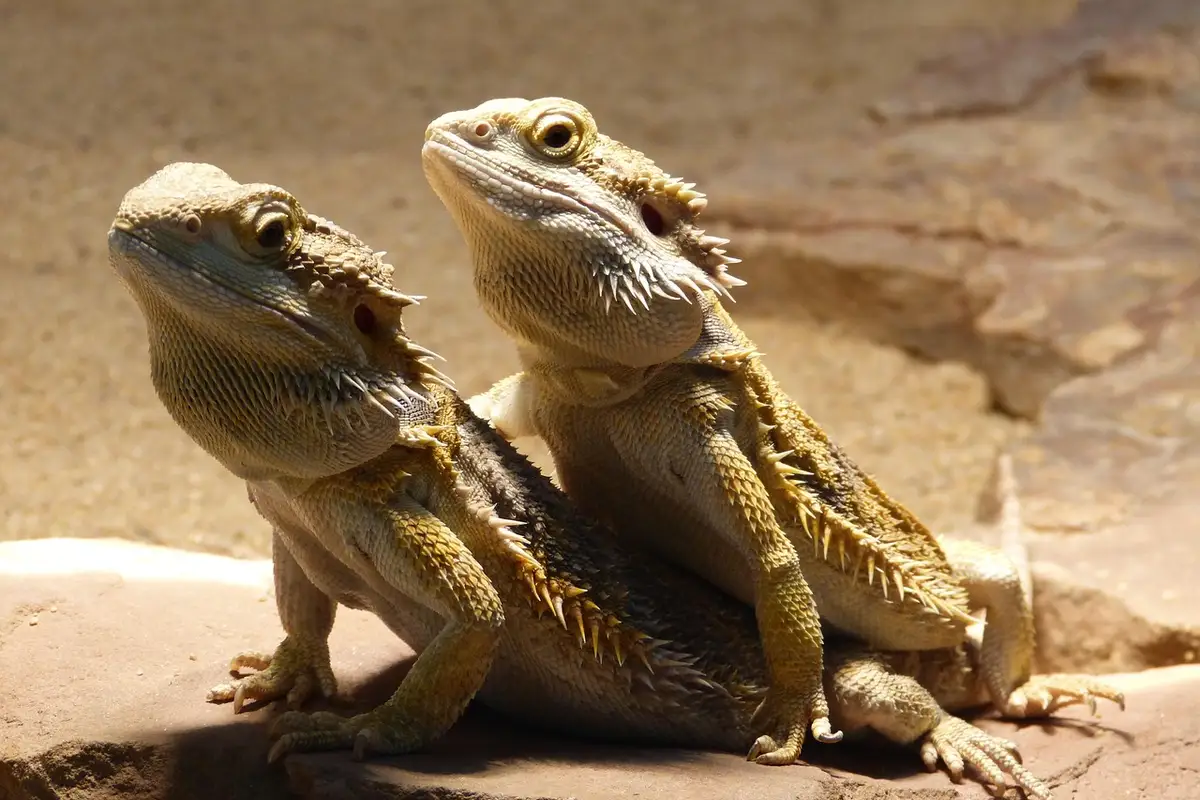
During quarantine, your most important job is to be a dedicated observer. I spend a good 15-20 minutes just watching my new dragons each day. This quiet observation time is your first and best defense against hidden health issues. You’re looking for normal behaviors as much as you are for problems.
Key Signs of Illness to Watch For
Bearded dragons are masters at hiding weakness, a trait from their wild ancestors. You have to become a bit of a detective. Here is my personal checklist from years of bringing new reptiles home. If you’re asking whether bearded dragons are good pets for beginners, this complete guide will help you decide. It covers setup, care basics, and common pitfalls.
- Appetite and Hydration: Is he eating with gusto or just picking? A sudden lack of interest in food is a giant red flag. Watch for drinking during baths, too.
- Activity Level: A healthy dragon should be alert and curious. Lethargy, staying in one spot all day, or sleeping excessively are causes for concern.
- Eyes and Nostrils: Eyes should be bright, clear, and fully open. Watch for any swelling, discharge, or crusty material around the eyes or nose.
- Breathing: Listen closely. Normal breathing is quiet. Wheezing, popping sounds, or breathing with an open mouth are serious signs of a respiratory infection.
- Skin and Shedding: Check for any unusual lumps, bumps, or patches of discolored skin. A difficult, patchy shed can indicate underlying health or humidity problems.
- Weight and Body Condition: I gently feel their hip bones and the base of the tail. If these areas feel sharp or prominent, the dragon might be underweight or dehydrated.
- Feces and Urates: This is a non-negotiable check. Healthy poop is firm and brown with a white, chalky urate. Runny, smelly, or oddly colored stool can signal parasites.
The Importance of Record Keeping
Your memory will fail you, but a logbook won’t. I keep a simple notebook for every new dragon. Keeping a daily log transforms your vague worries into concrete, actionable data for your veterinarian. It helps you spot subtle trends that are easy to miss day-by-day.
Here is what I track in my logs:
- Date and time of observations
- Types and amounts of food offered and eaten
- Frequency and description of bowel movements
- Behavior notes (e.g., “basked all morning,” “seemed sluggish after handling”)
- Weight (I weigh them once a week on the same scale)
- Any unusual observations, no matter how small
The Vital Veterinary Health Screening
Even with perfect at-home observation, a vet visit is absolutely essential. I never skip this step. Think of it as a full diagnostic background check for your new family member. A professional veterinary screening can detect silent problems that are impossible for even the most experienced keeper to see. It provides a baseline of health for your pet’s entire life.
Scheduling the Initial Veterinary Exam
You should schedule this appointment for within the first week or two of bringing your dragon home. Don’t wait for a problem to appear. Look for a veterinarian who specifically lists reptiles or exotics in their practice. A cat and dog vet, no matter how good, often lacks the specific training for bearded dragons.
During the exam, the vet will:
- Perform a hands-on physical check from nose to tail.
- Assess body condition and weight.
- Check the mouth for signs of infection or metabolic bone disease.
- Listen to the heart and lungs with a special stethoscope.
- Palpate the abdomen to feel the organs.
- Discuss your setup, diet, and your at-home observations.
Understanding the Fecal Test and Parasite Check
This is arguably the most critical part of the vet visit. The majority of bearded dragons, especially those from chain pet stores or large-scale breeders, have some level of internal parasites. A fecal test is a simple, non-invasive procedure that gives a crystal-clear view of your dragon’s internal health. I’ve had seemingly healthy dragons test positive, and treating them early prevented a lot of suffering. Even if you don’t find any during the tests, it’s essential to understand how parasites get in bearded dragons and how to keep them at bay.
Here is how it works:
- You need to bring a very fresh fecal sample to the appointment, ideally less than 12 hours old.
- Keep it in a sealed plastic bag or a small container.
- The vet will examine the sample under a microscope, looking for parasite eggs or live organisms.
- Common culprits are pinworms, coccidia, and flagellates.
If the test is positive, the vet will prescribe a precise medication. Never try to treat parasites with over-the-counter remedies; you can do more harm than good. A follow-up test is usually needed to ensure the treatment worked. This one test can save you from a world of heartache down the road.
Nutrition and Care During the Quarantine Period
Establishing a Healthy Diet and Hydration
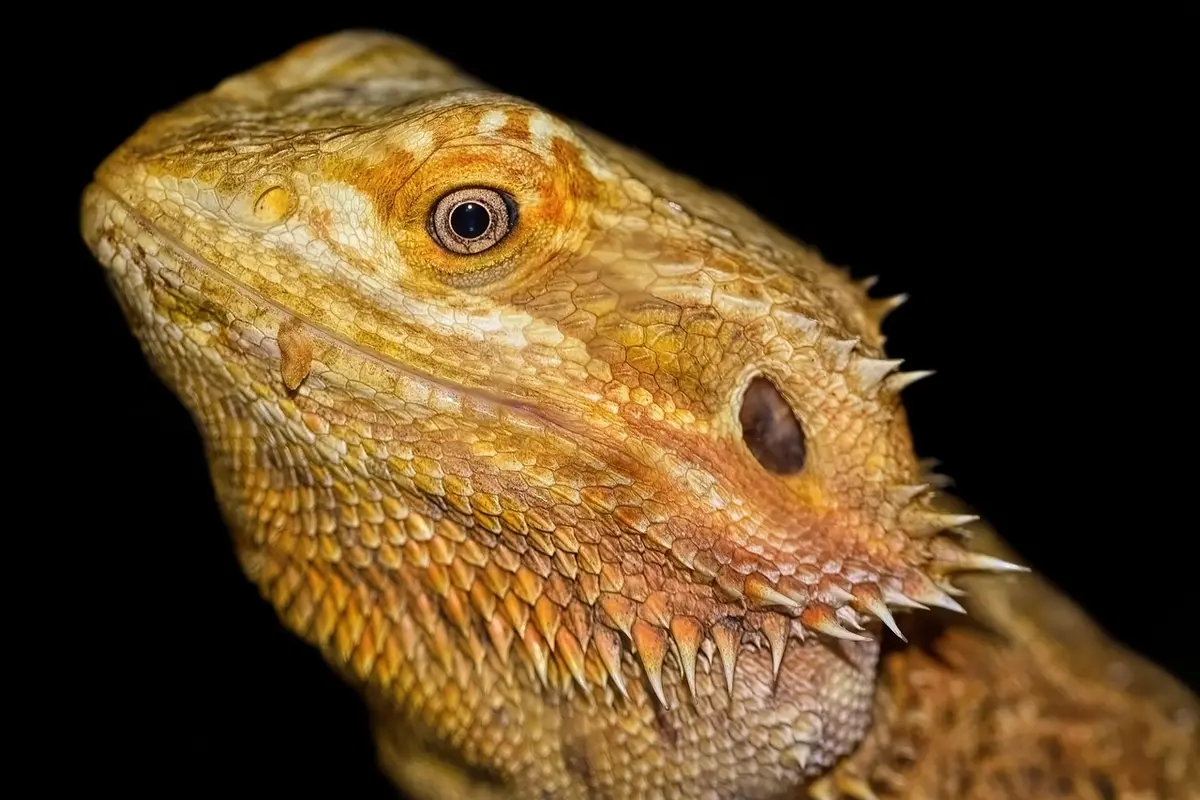
Your new dragon’s appetite is one of the most telling health indicators. In my own quarantine setup, I start with simple, easily digestible foods to avoid overwhelming their system. I offer smaller portions than you might normally feed a settled dragon.
A stressed digestive tract needs gentle, familiar foods to kickstart a healthy routine. I stick to basics like finely chopped collard greens and small dubia roaches. I avoid fatty worms like superworms or hornworms during this initial phase.
- Offer a simple salad daily: Start with collard, mustard, or dandelion greens. Avoid fruits and more complex veggies initially.
- Provide appropriately sized live feeders: Dubia roaches or small crickets are excellent starter insects. The insect should never be wider than the space between your dragon’s eyes.
- Always dust insects with calcium: Use a pure calcium supplement (without D3) for most feedings, and a calcium with D3 supplement once or twice a week.
- Hydrate thoughtfully: Some dragons will not recognize a water bowl. I gently mist their salad with water and offer water droplets on their snout via a spray bottle. A shallow, lukewarm bath for 10-15 minutes twice a week can also encourage drinking and hydration.
Rigorous Sanitation Protocols
This is the part where you become a cleaning fanatic. I keep a separate set of tools-tongs, feeding dishes, spray bottles-exclusively for the quarantine enclosure. This prevents any potential pathogens from hitching a ride to your other pets.
Cross-contamination is the fastest way to undo all your careful quarantine efforts. I wash my hands thoroughly with soap and water, and sometimes even change my shirt, after handling the new dragon or cleaning its space.
- Spot-clean the enclosure daily: Remove feces and uneaten insects immediately. Leftover crickets can stress and even bite a resting dragon.
- Perform a deep clean weekly: Remove your dragon to a secure temporary bin. Take out all decor, dishes, and substrate.
- Disinfect everything: I use a veterinary-grade disinfectant like F10SC or a diluted bleach solution (1 part bleach to 10 parts water). Scrub the entire empty enclosure and all items thoroughly, then rinse everything with clean water and allow it to air dry completely before reassembling.
Completing the Quarantine and Next Steps
Determining the End of the Observation Period
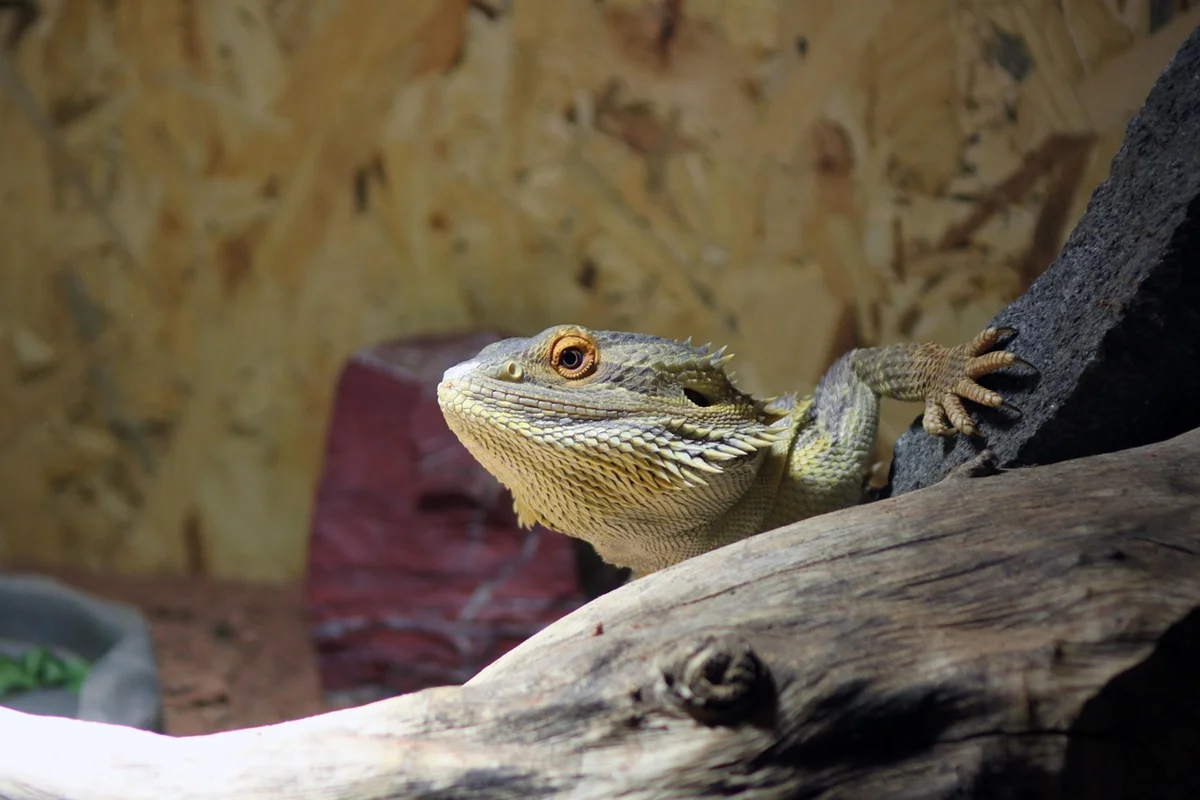
Quarantine isn’t over after a set number of days; it’s over when your dragon has proven itself healthy. I never end quarantine before a minimum of 45 days, and I often extend it to 60 or even 90 days for extra caution, especially if the dragon’s origin was unknown.
A clean bill of health from a reptile-savvy veterinarian is the single most important step to officially ending quarantine. Schedule a fecal exam to check for internal parasites, a very common issue in new reptiles.
- Consistent, healthy appetite for both greens and insects.
- Regular, well-formed bowel movements.
- Clear, bright eyes and no sign of mucus around the nose or mouth.
- Alert and active behavior during the day.
- Healthy, full-body weight without any visible bones from the spine or hips.
Safely Introducing Your New Bearded Dragon
Even after a successful quarantine, the introduction to your home and other dragons must be gradual. Beardies are solitary creatures and can be very territorial. I never, ever house them together in one tank. If you’re considering more than one bearded dragon, cohabitation risks for bearded dragons carry real risks—fights and injuries. In practice, many keepers opt for separate enclosures to avoid these realities.
The first introductions should be visual only, allowing your dragons to see each other from a safe distance without physical contact. Watch their body language closely. Head bobbing, black beards, and flaring sides are signs of stress or aggression. This is especially important because bearded dragons are not naturally social animals and can sometimes be territorial.
- Start with separate, supervised “floor time”: Let each dragon explore a neutral space at different times, so they become accustomed to each other’s scent.
- Progress to controlled visual access: Place their enclosures in the same room but not right next to each other. Observe their reactions over several days.
- Never leave them unsupervised together: If you choose to allow a brief, closely watched meeting, be ready to separate them instantly at the first sign of stress. Cohabitation is a major risk I do not recommend.
- Maintain separate resources: Continue using separate feeding tongs, dishes, and décor to prevent any potential low-level pathogen transmission, even after the main quarantine period ends.
Frequently Asked Questions
Are bearded dragons allowed in stores?
This depends on the store’s policy; many pet stores allow bearded dragons, but it’s best to call ahead and check if they permit reptiles to avoid any surprises or restrictions. If you’re looking to buy, you can check local pet stores, reputable online retailers, or nearby breeders.
What is the bearded dragon max size?
Adult bearded dragons typically grow to 18-24 inches in length, including the tail, with males often reaching the larger end of this range due to their genetics and care. Growth follows a characteristic pattern, with rapid gains during juvenile months that taper as they approach adulthood. Adequate diet, UVB, and overall health influence how closely individuals follow these growth curves.
Can you bring a bearded dragon outside?
Yes, but only in a secure, supervised area to prevent escapes or predator attacks, and always provide shade to avoid overheating from direct sunlight.
Final Thoughts
Following a proper quarantine procedure is one of the most responsible actions you can take as a reptile owner. This quiet, dedicated period is your single best defense against introducing illness to your established pets. It’s a temporary inconvenience that provides a lifetime of peace of mind.
Stick to the full 30-90 days, be a diligent observer, and always consult a vet for a professional wellness check. Viewing this time as a crucial investment in your entire reptile family’s health transforms it from a chore into an act of profound care.
Further Reading & Sources
- Quarantine ? | General Discussion
- How To Care For Your Pet Bearded Dragon | Care Sheet – Dubia.com
- How to Quarantine Bearded Dragons – YouTube
Bearded Dragon Lair is the ultimate resource for bearded dragon enthusiasts, offering expert advice and practical tips to ensure the health and happiness of your scaly companion. With years of experience in reptile care, we are dedicated to providing accurate, up-to-date information to support your bearded dragon journey.
First Aid Tips