
Moving With Your Bearded Dragon? How to Ease Relocation Stress
Published on: December 31, 2025 | Last Updated: December 31, 2025
Written By: Beardie Joe
Moving to a new home is exciting for you, but for your bearded dragon, it can be a confusing and deeply stressful experience.
Having moved cross-country with my own dragons, I’ll share the reptile-friendly techniques I’ve used to keep them safe and calm.
We’ll cover preparing a travel habitat, setting up their new enclosure correctly, and helping them acclimate quickly to their new surroundings.
Understanding Bearded Dragon Relocation Stress
Relocation stress is that feeling of unease and anxiety your bearded dragon experiences when their familiar world is suddenly turned upside down. In the wild, a change in territory could mean new predators or a lack of food, so this stress is a deep-seated survival instinct. Their tank is their entire kingdom, and moving it shatters their sense of security. If your bearded dragon seems unsettled after a move, a calm, step-by-step de-stressing approach can help. This guide to calming stressed bearded dragons walks you through practical, gentle techniques to restore your pet’s sense of security.
Watch your dragon closely. They communicate their discomfort through clear physical and behavioral signs.
- Physical Signs: Darker beard or stress marks on their belly, even when not cold. Loss of appetite or refusing favorite foods. Pacing the glass walls of their enclosure constantly. Rapid, shallow breathing.
- Behavioral Signs: Hiding more than usual and avoiding basking. Glass surfing, which is frantic scratching at the tank walls. Unusual lethargy or sleeping during the day. Defensive postures, like puffing up, when you approach.
I learned this the hard way with my first dragon, Smaug. We moved across town, and I thought he’d be fine. For a full week after, he hid in his cave, and his normally vibrant orange beard was persistently dark. It was a clear, visual shout that he was not okay. He refused his beloved dubia roaches, which was the biggest red flag for me. It took patience and a consistent routine in the new house for him to settle back in. Also, if an active bearded dragon isn’t acting like itself, it’s a cue to check its environment and routine. If concerns persist, consult a reptile veterinarian.
Pre-Move Preparation: Setting Up for Success
A smooth move starts long before moving day. Giving yourself a few weeks to prepare makes a world of difference for your scaly friend’s wellbeing.
Weeks Before The Move
Your first step should be a wellness check with a reptile-savvy vet. This visit ensures your dragon is in peak health before facing the challenge of a move. A stressed immune system can lead to illness, so starting from a healthy place is critical. I always schedule this about a month in advance. For a quick, complete way to tell if your bearded dragon is healthy, check out our complete health check guide. It walks you through signs to watch for and what a vet should evaluate.
Start gathering your transport supplies now so you aren’t scrambling. Here is a checklist of what you’ll need for a safe journey:
- A secure, well-ventilated travel carrier (a small critter carrier with a secure latch works perfectly).
- Soft, clean towels or t-shirts to line the carrier and provide something familiar to grip.
- A portable heat source, like a disposable heat pack designed for reptiles, for longer trips.
- A small spray bottle for misting to keep them hydrated.
- A “Travel Day Kit” with critical items: your dragon’s regular food, a water dish, and any necessary medications.
Adjusting Routines and Feeding
About a week before the move, I begin to gently adjust their routine. I stop offering food 24-48 hours before moving day to prevent regurgitation during travel. Long-bearded dragons, especially babies, can naturally go without eating during brumation. The pre-move fast is a temporary safety measure for travel, not a brumation period. A hungry dragon is safer than a nauseous one. You can still offer water via misting or a dropper right up until you leave.
Keep their habitat as normal as possible until the last minute. The day you dismantle their tank will be stressful enough. Maintaining their usual light cycle and basking schedule provides a comforting anchor amidst the growing chaos in your home.
Choosing and Preparing the Right Travel Cage
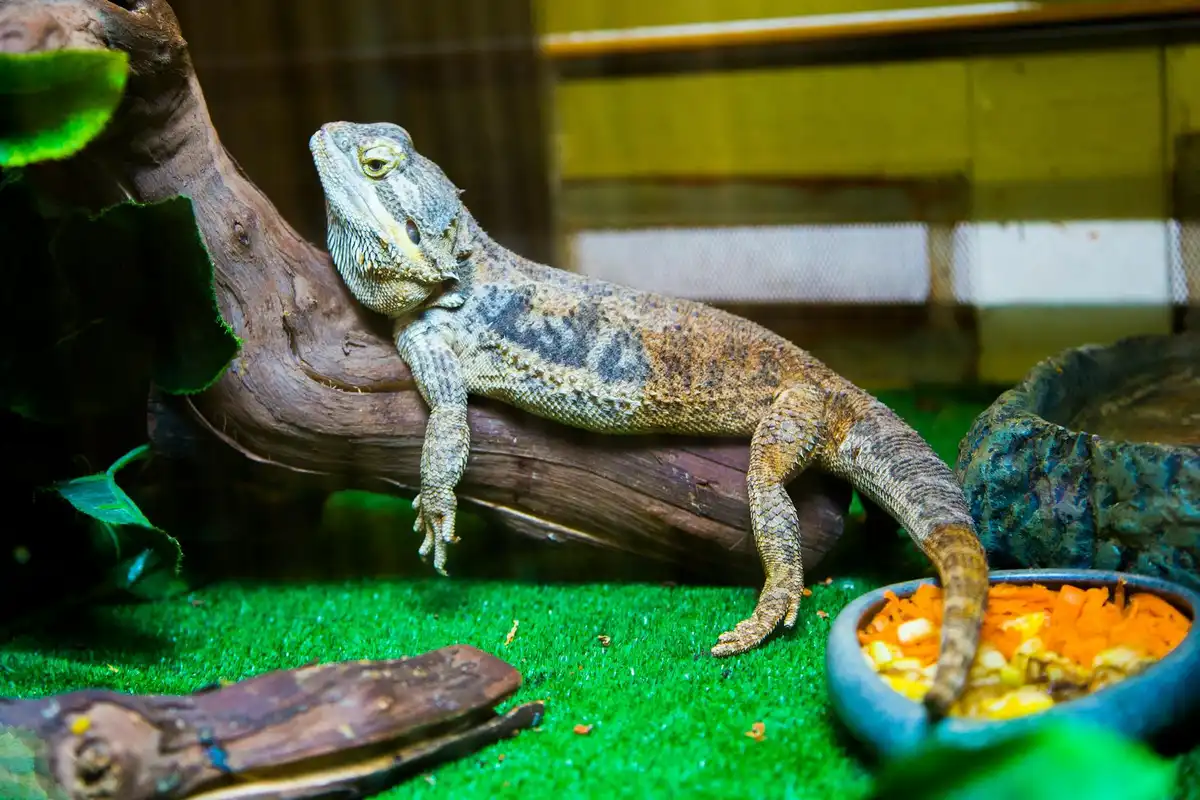
Your dragon’s travel cage is their safe bubble in a world of chaos. I’ve found that the right carrier can make the difference between a calm dragon and a frantic one. It’s their personal fortress on the move.
Key Features of a Safe Transport Container
- Ventilation: Look for carriers with mesh panels on at least two sides. Stagnant air is a silent stressor.
- Security: The lid or door must latch firmly. A scared dragon can be surprisingly strong and may try to push its way out.
- Size: The carrier should be just large enough for your dragon to turn around and lie down comfortably. Too much space, and they can be tossed around during travel.
Essential Items for Comfort
Don’t send them in an empty box. Pack it like a tiny, comforting bedroom. Familiar smells and textures are a powerful antidote to the strangeness of travel. I always include these items:
- A small, snug hide so they can retreat and feel secure.
- A soft, non-loose substrate like a hand towel or fleece blanket. I avoid particle substrates that can shift and dust up during the journey.
- An item that smells like their home terrarium, like a piece of their usual decor.
Acclimating Your Dragon Beforehand
Avoid introducing the travel cage for the first time on moving day. Let the carrier become a normal, non-scary part of their environment a week before you leave. Here’s how I do it:
- Place the open carrier inside their main enclosure for a few hours each day.
- Put their favorite treats or a meal inside to create positive associations.
- Once they’re comfortable, practice closing the door for short, supervised periods.
Managing Environment During Transport: Heat, UVB, and Hydration
This is the trickiest part of the move. Your goal isn’t to replicate their perfect home setup, but to prevent dangerous temperature extremes. A few hours without UVB is manageable; a few hours in a freezing or baking car is not.
Temperature Control in Transit
Car interiors can become ovens or freezers in minutes. I always pre-warm or pre-cool the car before bringing my dragon out. For longer trips, I rely on portable heat sources.
- Use a hand warmer (the kind you shake to activate) wrapped in a towel. Place it under one side of the carrier to create a warm zone.
- Small, portable heat packs designed for reptile transport are a more controlled option.
- Always monitor the temperature with a small digital thermometer placed inside the carrier.
Managing Hydration Without the Mess
Spilled water bowls lead to a wet, cold, and miserable dragon. Hydration on the road is about offering moisture, not providing a swimming pool. My go-to methods are simple and spill-proof.
- Lightly mist their snout with water every few hours using a small spray bottle. Let them lick the droplets.
- Offer high-water content veggies, like a piece of cucumber or zucchini, held with tongs.
- Avoid handling them to drink from a bowl while the vehicle is moving.
Moving Day: Step-by-Step Transport Guide
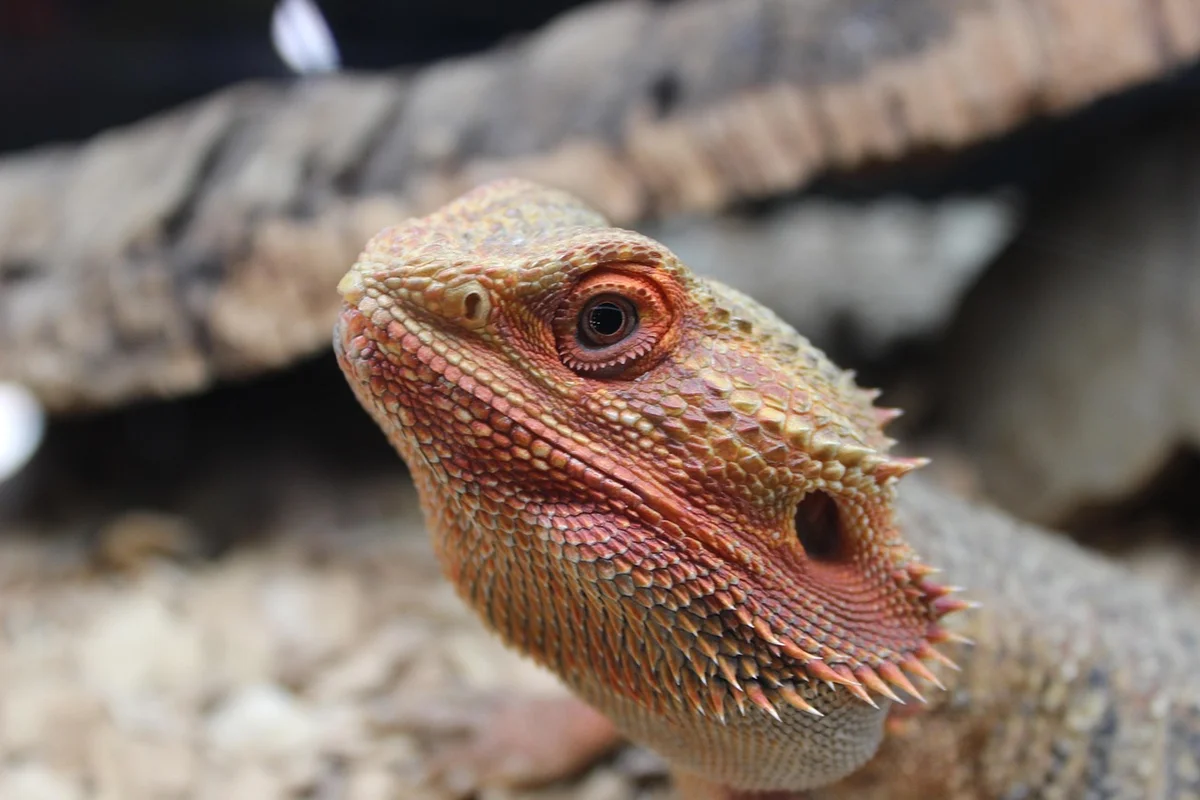
Moving day is hectic, but a clear plan keeps your dragon safe. I treat my dragon’s move as its own separate, calm event within the larger chaos. This checklist has never failed me.
Your Moving Day Timeline
- One Hour Before Departure: Place your dragon in their pre-acclimated travel cage with their hide and towel.
- At the Vehicle: Secure the carrier in the footwell of the passenger seat or on the floor behind a seat. This prevents it from sliding during stops.
- During the Trip: Drive smoothly. Avoid loud music and keep the air conditioning or heat consistent for your own comfort, which will also benefit them.
- Upon Arrival: Set up your dragon’s permanent enclosure first, before unpacking anything else. This gets them settled as quickly as possible.
Gentle Handling and Safety
Minimize the time your dragon spends outside their carrier. Every transition is a moment of potential panic, so make them quick and confident. When you do need to handle them, be a steady perch. It’s okay to properly hold a bearded dragon, but don’t handle them too much—short, calm sessions are best. Always watch for stress cues and give them a break if they seem overwhelmed.
- Support their entire body, letting them grip your hand or arm.
- Move slowly and avoid sudden shifts that can feel like a predator attack.
- Never leave the carrier unsecured on a seat; a sudden brake could send it flying.
Post-Move Habitat Setup and Acclimation Period
Getting your dragon’s home back in order is your absolute top priority the moment you arrive. Your first job is to get the heat and UVB lights running, as these are non-negotiable for their health and digestion. Following a bearded dragon lighting guide helps ensure you meet UVB requirements and establish a proper daily light cycle. I always set up my lamps before I even unpack a single box for myself.
Quickly Reassembling the Enclosure
Follow this order to get things stable and safe for your pet.
- Place the empty enclosure in its new, permanent spot away from drafts and direct sunlight.
- Install all heating elements (the basking lamp and any ceramic heat emitters) and turn them on. Let the tank start warming up.
- Set up the UVB light fixture. Ensure there’s no glass or plastic between the bulb and where your dragon will sit.
- Add a simple, easy-to-clean substrate like paper towels or tile for the first few weeks. This lets you monitor their health easily.
- Place in their hides, a water dish, and a food bowl. Keep décor minimal at first to reduce hiding spots and encourage exploration later.
Reintroducing Your Bearded Dragon
How you bring them into their “new” old home matters. Place them gently inside on their basking spot and then resist the urge to hover. I learned this the hard way with my first dragon, Merlin; my constant checking just made him more nervous.
- Limit handling for at least the first 3-4 days. Let them be the one to initiate interaction.
- Offer a fresh salad and water, but don’t be alarmed if they don’t eat right away. Appetite loss is common.
- Maintain a consistent day/night light cycle using a timer to provide a sense of normalcy.
Quarantining from Other Pets
If you moved with other reptiles or pets, a quarantine period is a must. A simple two-week separation can prevent the spread of unseen parasites or illnesses that stress can trigger. Keep their enclosures in separate rooms if possible and always wash your hands between handling different animals.
Recognizing and Addressing Stress Behaviors After the Move
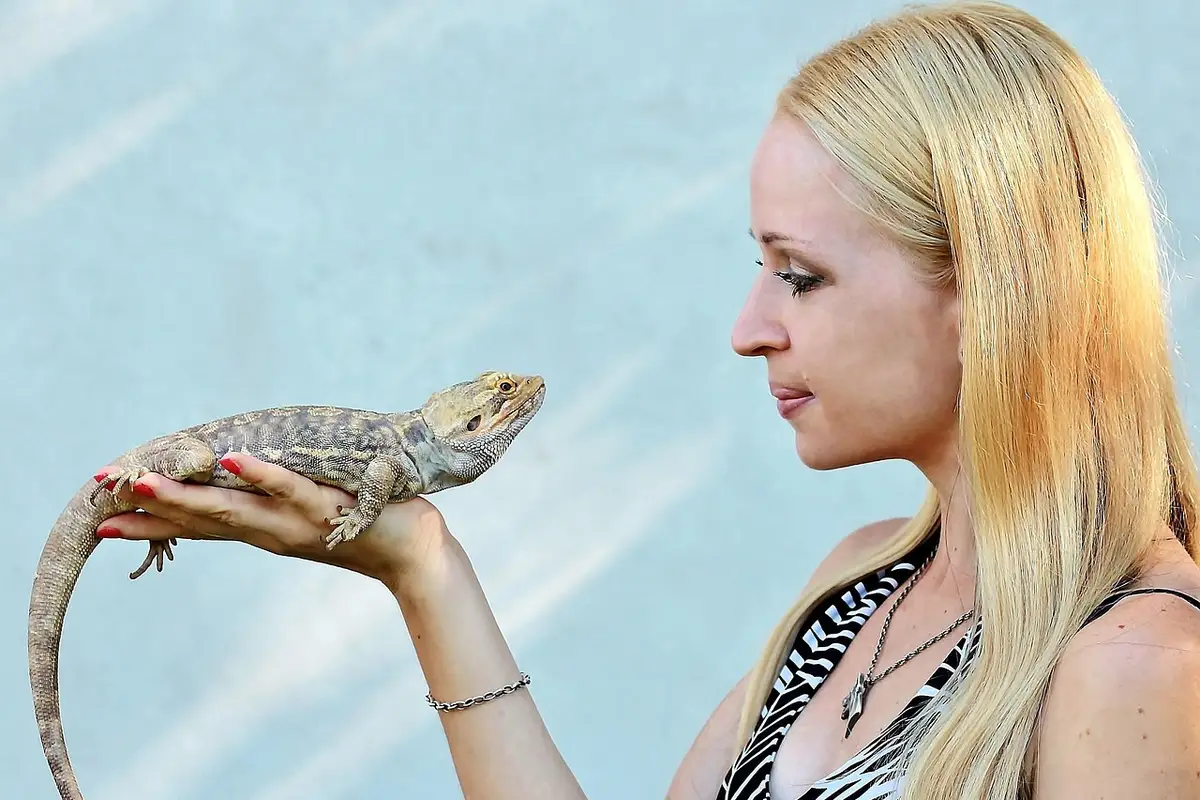
Your dragon will communicate how they’re feeling through their behavior. Learning this body language is your best tool for helping them settle in. Some stress is normal, but prolonged anxiety needs your attention. Knowing when your bearded dragon is stressed and how to alleviate it is crucial for their well-being.
Common Post-Move Behaviors and Their Meanings
- Glass Surfing: Frantically scratching at the tank walls. This means they feel exposed and insecure in the new environment or see their reflection.
- Head Bobbing: Fast, assertive bobbing is a sign of dominance and stress. Slow bobs can be an acknowledgement.
- Beard Puffing (Black Beard): A blackened, puffed-out beard is a major sign of distress, fear, or discomfort.
- Hiding Constantly: Refusing to come out to bask is a classic sign they don’t feel safe yet.
- Lethargy: A general lack of movement or interest in surroundings.
Practical Tips for Soothing Your Dragon
Patience and routine are your greatest allies here.
- Speak to them in a calm, soft voice when you’re near the tank.
- Offer their favorite tasty treats, like a piece of raspberry, by hand to rebuild positive associations.
- Ensure their temperatures are perfect. A cold dragon is a stressed dragon.
- After a few days, try a warm (not hot) bath to help with hydration and relaxation.
- Place a worn t-shirt with your scent in the enclosure so they are comforted by a familiar smell.
When to Seek Veterinary Help
Most dragons bounce back within a week or two. You should contact your vet if you notice any of these red flags, especially if your bearded dragon is vomiting, as it can signal illness worsened by stress.
- No eating or drinking after 5-7 days.
- Lethargy that continues even when the habitat temperatures are correct.
- Signs of weight loss or a sunken fat pad on their head.
- Runny or abnormal stools, or no bowel movements for over a week.
- Puffy eyes, labored breathing, or any other physical symptom of illness.
Frequently Asked Questions
How to move a water bowl for a bearded dragon?
Empty and clean the bowl before transport to prevent spills, and securely place it in a stable, spill-proof container or bag. Once at the new location, refill it with fresh water and position it in a familiar spot in the enclosure to reduce stress.
Why is my bearded dragon moving its throat?
This behavior, often called “beard puffing” or throat flexing, can indicate stress, respiratory issues, or normal breathing and temperature regulation. If accompanied by other signs like a black beard or wheezing, consult a vet to rule out illness.
Why is my bearded dragon moving its head side to side?
Side-to-side head movements are typically a sign of curiosity or assessing their environment, but they can also result from stress or seeing reflections in the glass. Ensure the enclosure is in a calm area and check for any reflective surfaces that might be causing agitation.
Your Move, Made Manageable
Moving with your bearded dragon is less about a single perfect action and more about a series of thoughtful, calm preparations. Your focus should be on maintaining their routine, creating a secure travel setup, and giving them ample quiet time to adjust in the new space. I’ve moved cross-country with my dragons, and this methodical approach has never failed us. If you’re planning travel—by car, plane, or long-distance trips—a travel bearded dragon guide can help you prepare. These tips translate well to cars, planes, and long trips, keeping routines intact and stress low.
Remember, your calm energy is their greatest comfort. By planning ahead and prioritizing their well-being, you transform a potentially stressful event into a manageable adventure you both can handle. You’ve got this, and your scaly friend will thank you for your care with their steady, trusting presence.
Further Reading & Sources
- Relocation stress | Health
- r/BeardedDragons on Reddit: Helping a bearded dragon get over relocation stress?
- Just got my baby bearded dragon yesterday, I have all the right lights, set up and everything. She won’t eat and seems to lay down flat. I’m worried about her. Any tips? : r/BeardedDragons
Bearded Dragon Lair is the ultimate resource for bearded dragon enthusiasts, offering expert advice and practical tips to ensure the health and happiness of your scaly companion. With years of experience in reptile care, we are dedicated to providing accurate, up-to-date information to support your bearded dragon journey.
Handling Best Practices