Bearded Dragon Survival: How Long Without Heat and UVB?
Published on: February 10, 2026 | Last Updated: February 10, 2026
Written By: Beardie Joe
If you’ve ever panicked about a power outage or a broken bulb leaving your bearded dragon without heat and UVB, that fear is completely valid.
As someone who has cared for multiple bearded dragons for years, I’ve navigated these exact emergencies and will give you clear, actionable advice based on real experience.
I’ll cover the critical survival timeline, the immediate steps you must take to protect your pet, and how to prevent long-term health damage.
Why Heat and UVB Are Non-Negotiable for Bearded Dragons
Think of your bearded dragon’s heat lamp as its personal power plant. This external heat source is what fuels their entire digestive system, allowing them to properly break down and absorb nutrients from their food. Without that belly-warming heat, their metabolism grinds to a halt, and food just sits in their gut, which can quickly lead to serious illness. It’s important to understand why bearded dragons require external heat to maintain their body functions.
UVB light is just as critical, acting as a biological key. Their bodies use UVB rays to synthesize Vitamin D3, which is the only way they can actually use the calcium in their diet. No UVB means no calcium absorption, no matter how much calcium powder you dust on their salads.
The consequences of going without are severe and often irreversible. Prolonged deprivation leads directly to Metabolic Bone Disease (MBD), a painful condition that softens and deforms their bones. We’re talking about bowed legs, a rubbery jaw, and spinal deformities. It’s a heartbreaking, entirely preventable disease.
I saw the difference firsthand with my first dragon, Tiberius. After upgrading his setup to include a high-quality, linear UVB tube, his activity levels skyrocketed, and his colors became so much more vibrant. It was a powerful reminder that these aren’t just accessories; they are the foundation of their health, especially when considering what those colors mean. He went from just existing to truly thriving.
The Survival Timeline: How Long Is Too Long?
Let’s be perfectly clear: any time without proper heat and UVB is a risk to their health. This timeline is for understanding emergencies, not for planning. Every hour counts, and the clock starts ticking the moment the lights go out.
At the 24-Hour Mark
- You will notice a significant drop in activity. Your dragon will become lethargic.
- Their appetite will vanish. They likely won’t touch their food.
- Their digestion slows, raising the risk of impaction.
At the 48-Hour Mark
- Lethargy deepens. They may not move from their spot.
- Their immune system begins to weaken, making them susceptible to infection.
- Their body starts pulling calcium from its own bones to maintain basic functions.
Beyond 72 Hours
- This is a critical, life-threatening situation.
- The risk of irreversible organ damage and the onset of MBD symptoms increases dramatically.
- Without intervention, their body will begin to shut down.
Critical Signs of Heat and UVB Deprivation
Your dragon will tell you something is wrong long before a major crisis. You just need to know what to look for.
- Lethargy and Weakness: A dragon that is too cold cannot move properly. They may drag their limbs or seem unable to lift their body.
- Lack of Appetite: This is one of the very first and most common signs. A cold dragon cannot digest, so it will stop eating.
- Darkened Beard: While bearding can signal stress or territorial display, a persistently dark beard, especially when coupled with other symptoms, can indicate discomfort and poor health.
- Tremors or Twitching: This is a serious sign often linked to calcium deficiency and the early stages of Metabolic Bone Disease.
Connecting these symptoms to long-term damage is key; that lethargy and weakness are the direct result of muscles and nerves failing due to low calcium. What starts as a little shiver can, over time, lead to permanent paralysis and bone fractures. Your vigilance is their first line of defense.
Immediate Emergency Care Steps
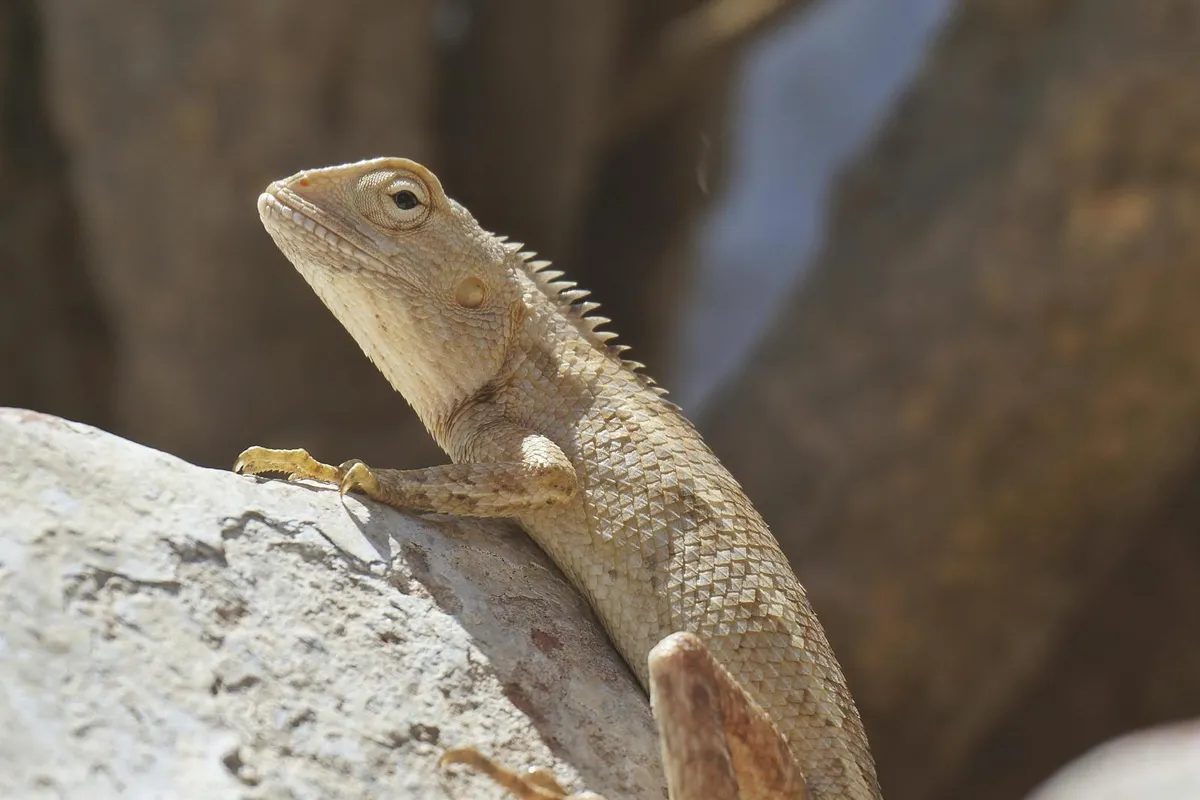
Finding your dragon without heat or UVB can be scary, but your calm and quick action is their best chance. The first rule is to avoid panic; your dragon needs you to think clearly right now. I’ve had a power outage scare myself, and this step-by-step approach is what got my beardie, Smaug, through it safely. If your bearded dragon is sick or dying, having a quick emergency care guide can save precious time. In those moments, knowing what to check and who to call helps you act decisively until help arrives.
Your Step-by-Step First Aid Guide
- Assess Your Dragon’s State: Gently check if they are moving, alert, or lethargic. A cold dragon will be slow and unresponsive.
- Begin Gentle Warming: Do not place them directly under a hot lamp. The goal is a gradual temperature increase. Move to the next section for safe methods.
- Offer Hydration: Use a small dropper or syringe (without the needle) to place a drop of lukewarm water on their snout. Let them lick it off. Do not force water into their mouth.
- Contact Your Veterinarian: Even if they seem to recover, a professional check-up is critical. They can spot early signs of trouble you might miss.
I cannot stress this enough: Avoiding rapid temperature changes is non-negotiable. Shocking their system with intense, direct heat can cause more harm than the cold itself. Think of it like warming up after being in a snowstorm-you want a warm blanket, not a blowtorch.
Safe Ways to Warm Your Bearded Dragon Quickly
Your goal is to raise their core temperature slowly and safely. Here are the methods I trust and have used in a pinch.
- Your Own Body Heat: This is often the safest and fastest first step. Gently hold your dragon against your chest, under your shirt or wrapped in a thin, soft cloth. Your natural body warmth is perfect for a gradual warm-up.
- Warm Water Soak: Prepare a shallow bath with lukewarm water-test it on your wrist; it should feel warm, not hot. Only fill it to their elbows. A 10-15 minute soak can help raise their internal temperature and also encourage hydration.
- Create a Temporary Warm Zone: If you have a heat pack or a plastic bottle, fill it with warm (not hot) water, wrap it in a towel, and place it in a small carrier or box with your dragon. This creates a microclimate of safe warmth.
You must absolutely avoid using direct heat sources like hair dryers, heat guns, or placing them on a radiator. These can cause severe thermal burns in seconds because a dragon’s skin is so sensitive. I’ve seen the heartbreaking results, and it’s simply not a risk worth taking. For a bearded dragon heating equipment safety guide, rely on thermostat-regulated basking lamps and safe alternatives over heat rocks or unmanaged mats. Safer options include ceramic heat emitters, radiant heat panels, or properly monitored under-tank heaters with accurate thermometers.
Long-Term Health Effects and the Road to Recovery
Even a short period without proper heat and UVB can have consequences, but understanding them helps you fight back. The most common issue is the start of Metabolic Bone Disease (MBD), where their bones become soft and weak from a lack of calcium processing.
Other potential long-term effects include:
- Digestive Stasis: A cold dragon cannot digest its food. This leads to a dangerous gut impaction where food just sits and rots inside them.
- Respiratory Infections: A suppressed immune system from the cold makes them vulnerable to pneumonia and other respiratory illnesses.
- General Organ Stress: Their entire metabolism slows down, putting a strain on their kidneys and liver.
Your Roadmap to Recovery
If your dragon has been without proper lighting for more than a day, a recovery plan is essential. This is a marathon, not a sprint.
- Veterinary Care is Step One: Your exotic vet is your partner. They can provide calcium injections, check for organ function, and give you a tailored recovery plan.
- Restore Perfect Habitat Conditions: Get their heat and UVB lights back on immediately. Ensure the basking spot reaches the correct temperature (around 95-110°F for adults) and the UVB bulb is new and properly positioned.
- Boost Calcium Supplementation: Your vet will likely recommend a course of liquid calcium. Even after that, dusting their insects with a high-quality calcium powder (without D3 for now, if using a T5 HO UVB light) is crucial.
- Offer Easy-to-Digest Foods: Start with soft, hydrating foods like pureed squash or critical care formula. Go slow with insects until their digestion is clearly back to normal.
I have seen dragons make remarkable recoveries from the brink with dedicated care. Their resilience will amaze you. With prompt action, a good vet, and your unwavering commitment, your bearded dragon can get back to basking happily in no time. To help maintain that level of care, many keepers use a Thrive Complete Care Checklist to ensure all needs are met. It covers essentials like diet, lighting, temperature, enclosure, and routine vet checks so you can be confident nothing slips through the cracks.
Building a Fail-Safe Enclosure and Emergency Plan
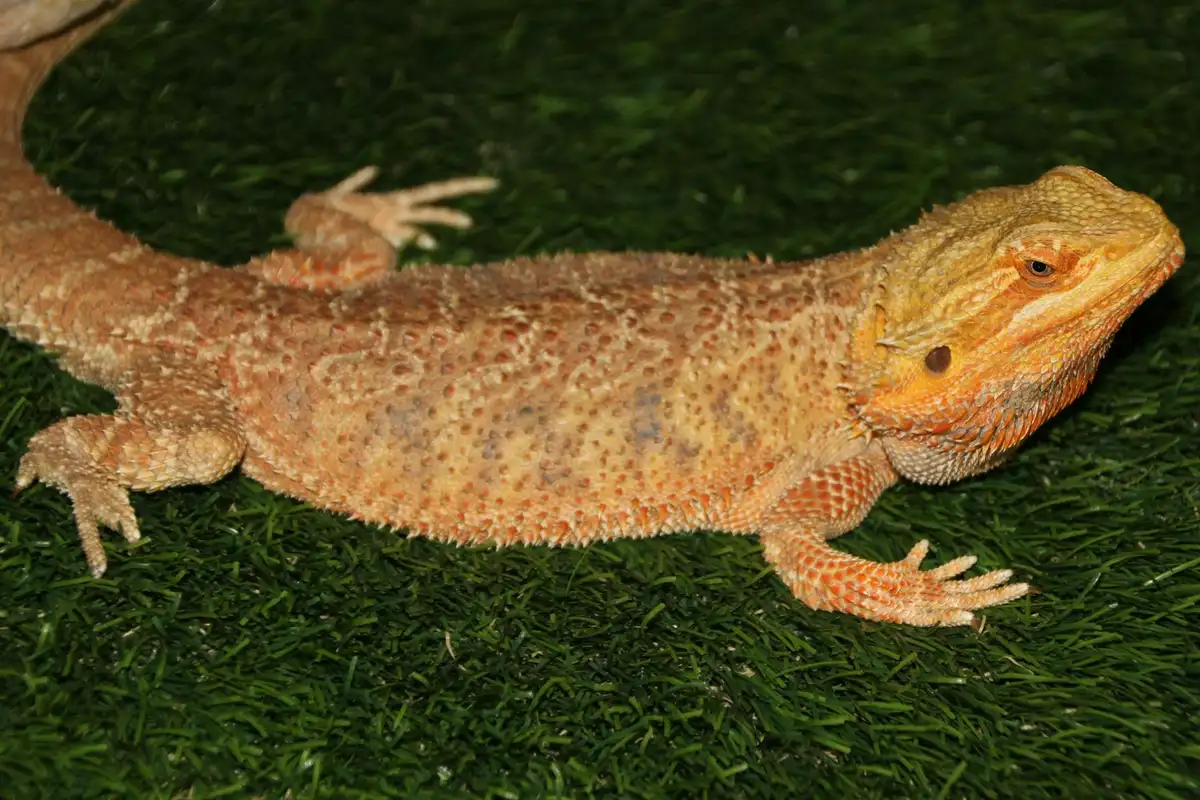
Getting the basics right in your dragon’s home is your first and best defense against emergencies. I learned this the hard way when a simple thermostat failure could have turned tragic. A proper setup isn’t just about comfort; it’s your primary safety net.
Mastering Temperature and UVB Placement
Your dragon needs choices. They aren’t like us, who can just put on a sweater. They rely on you to create a world with different climate zones. That includes planning heat and light for nighttime to keep temperatures safe. A bearded dragon nighttime care guide focuses on heating, lighting, and temperature management.
- Basking Spot: This should be the hottest area, directly under the heat lamp. Aim for 95-110°F for adults.
- The Cool Side: This is their retreat area. It must stay between 75-85°F so they can cool down properly.
- UVB Tube Placement: Mount the long UVB tube inside the enclosure or on a mesh top, spanning the same length as the heat lamp. This ensures they get UVB whenever they are basking.
Non-Negotiable Equipment for Every Habitat
Guessing has no place in reptile care. I use and trust these tools in all my enclosures.
- Digital Thermometers: You need two-one for the basking spot, one for the cool side. Ditch the analog stick-on ones; they are notoriously inaccurate.
- Thermostat: This is the most critical piece of gear. It plugs into your heat source and automatically turns it on and off to prevent overheating. It’s a lifesaver.
- Hygrometer: This measures humidity. Bearded dragons need it relatively low, between 30-40%. High humidity can lead to respiratory infections.
Your Written Power Outage Plan
When the lights go out, panic is your enemy. A written plan taped to the tank is your calm.
- Keep a list of nearby friends or family with power where you can evacuate your dragon.
- Have the number for your exotic vet saved in your phone and on paper.
- Pre-identify a small, insulated cooler or styrofoam box that can serve as a temporary, warm holding pen.
Essential Backup Heat and Light Sources
Your regular bulbs will fail, and power will go out. Being prepared is a act of love for your scaly friend.
Here are the backup options I always have in my reptile closet:
- Ceramic Heat Emitter (CHE): This is my top choice. It screws into a lamp fixture and produces pure heat without any light, perfect for keeping the tank warm 24/7 or during a nighttime power outage.
- Heat Pads: Use these with extreme caution. They are best placed on the side of the tank, not the bottom, and must be controlled by a thermostat to prevent burns.
- Portable UVB Bulbs: Compact UVB coils or small units can be a temporary fix if your main tube blows. They aren’t ideal for permanent use, but they’ll prevent a total UVB gap.
Your Bearded Dragon Emergency Kit
Assemble this kit now and store it near the enclosure. You’ll thank yourself later.
- A spare ceramic heat emitter and the correct wattage lamp fixture.
- Chemical hand warmers (wrap in a towel before placing near the tank).
- Insulated cooler or styrofoam box for temporary housing.
- Spare digital thermometer.
- An emergency power bank that can run a small heat pad or lamp for a few hours.
Tools for Monitoring and Maintenance
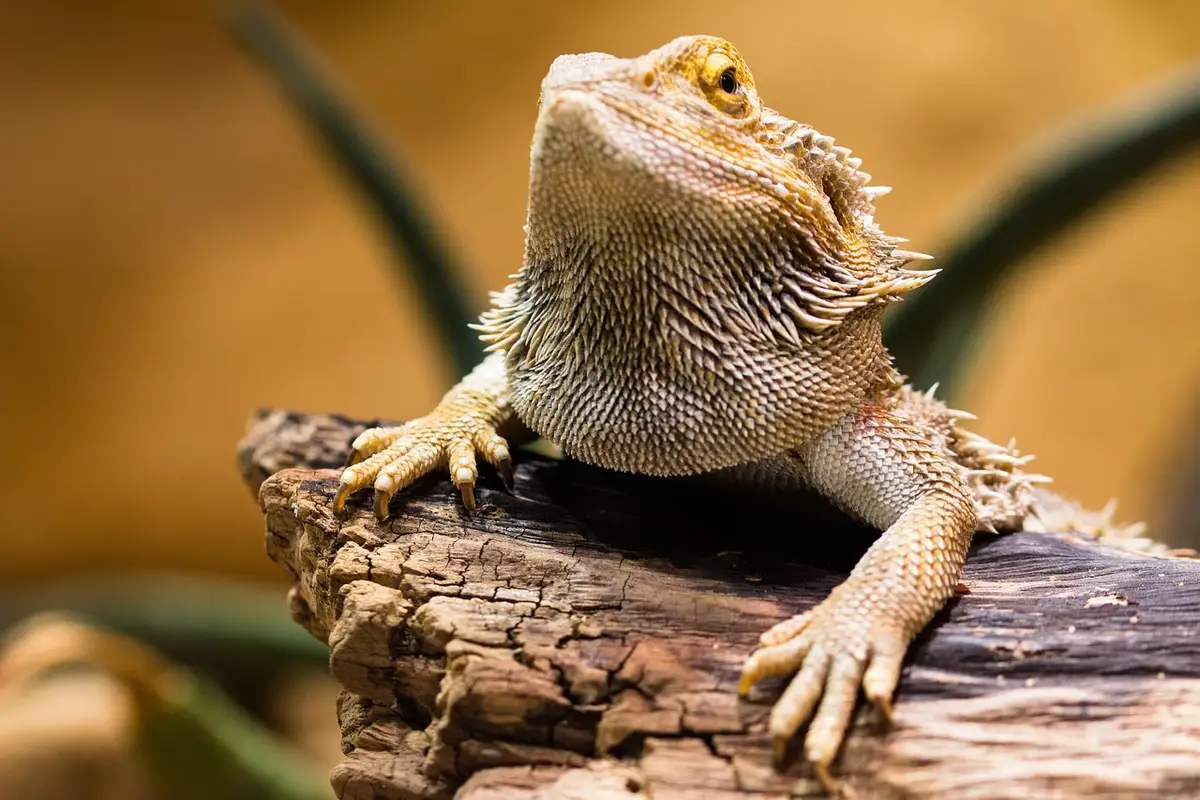
The right tools take the mystery out of dragon care. They tell you the story of your pet’s environment so you can be a proactive owner. Welcome to the bearded dragon complete beginners guide. It walks you through setup, heating and lighting, diet, and daily care so you can confidently care for your beardie from day one.
How to Read Your Monitoring Tools
It’s not enough to just have a thermometer; you need to know what it’s telling you.
- Thermometers: Check them morning and night. The basking spot temperature will fluctuate slightly throughout the day, and that’s normal. The key is ensuring the gradient from hot to cool remains.
- Hygrometer: If the number climbs above 50%, increase ventilation. If it’s too low, your dragon may have trouble shedding. A shallow water dish on the cool side can help slightly.
Your Simple UVB Bulb Replacement Schedule
UVB output degrades long before the bulb burns out. Relying on a dead bulb is like feeding your dragon empty calories. For bearded dragons, choosing the right wattage for basking bulbs and UVB lights depends on tank size. Our bearded dragon wattage guide covers basking bulbs, UVB lights, and tank size requirements. Mark your calendar the day you install a new bulb; it’s that important.
| UVB Bulb Type | Replace Every… |
|---|---|
| T5 HO Linear Tube | 12 Months |
| T8 Linear Tube | 6 Months |
| Compact/Coil Bulb | 6 Months |
The Easy Way to Calculate UVB Replacement
I use a foolproof method to never forget. The day I install a new UVB tube, I write the replacement date directly on the bulb’s end cap with a permanent marker. When you see that date every time you feed your dragon, you can’t ignore it. It’s a simple trick that ensures your pet never goes without the invisible nutrients they desperately need.
Frequently Asked Questions
How do I use a UVB duration chart for my bearded dragon?
A UVB duration chart provides recommended replacement intervals for different bulb types to ensure your dragon receives adequate UVB exposure. Always cross-reference with manufacturer guidelines and set calendar reminders based on the specific bulb’s lifespan to maintain optimal health. A bearded dragon lighting guide helps you align UVB requirements with heat lamp use and daily light cycles. Make sure your schedule mirrors natural day-night rhythms.
Is there a simple way to calculate when to replace my UVB bulb?
Yes, you can use a basic calculator method by noting the installation date and adding the bulb’s recommended lifespan, such as 12 months for a T5 HO tube. Marking the replacement date directly on the bulb or setting digital alerts helps prevent missed changes.
Why do replacement schedules vary for different UVB bulbs?
Replacement intervals differ due to variations in UVB degradation rates; for instance, T5 HO bulbs maintain output longer than T8 or coil bulbs because of their advanced technology and higher efficiency. Following the correct schedule ensures consistent UVB levels to support calcium absorption.
Final Thoughts
Ultimately, your bearded dragon cannot survive long without proper heat and UVB lighting. These are not optional comforts but absolute biological necessities for their digestion, immune function, and overall well-being. While a short, unexpected power outage is manageable, any prolonged absence of these elements will lead to a rapid and serious health decline. If you anticipate a longer weekend away, arrange a trusted caregiver or set up automatic heat and UVB controls to keep the enclosure stable. Leaving them unattended for that period without proper oversight is risky to their health.
From my own lived experience, the best strategy is always prevention. Having a backup plan, like a portable battery pack for your heat lamp or knowing your quickest route to a pet store, is the hallmark of a responsible and caring owner. Your vigilance and quick response are what truly ensure your scaly friend thrives for years to come.
Further Reading & Sources
- Bearded Dragon Temperatures & UVB Requirements | ReptiFiles
- Bearded Dragon Lighting: Essential UVB & Heat Lamp Requirements | Petco
- Bearded Dragon Complete Lighting and Heating Guide – Zen Habitats
Bearded Dragon Lair is the ultimate resource for bearded dragon enthusiasts, offering expert advice and practical tips to ensure the health and happiness of your scaly companion. With years of experience in reptile care, we are dedicated to providing accurate, up-to-date information to support your bearded dragon journey.
Heating and Lighting