Can Bearded Dragons Eat Aloe Vera?
Published on: January 26, 2026 | Last Updated: January 26, 2026
Written By: Beardie Joe
If you’ve ever caught your beardie eyeing your houseplants, you’ve probably wondered which ones are a safe snack.
As an owner of multiple bearded dragons, I’ve spent years researching safe greens to keep my reptiles healthy and happy.
We’ll cover the risks of aloe vera, list other common plants to avoid, and give you a rundown of safe alternatives you can grow at home.
Understanding Aloe Vera and Bearded Dragon Diets
Bearded dragons are omnivores, which means their bodies are built to process a wide variety of foods, from juicy insects to crisp greens. Their digestive systems are finely tuned for a balanced mix of animal and plant matter found in their native Australian habitats. I’ve learned through years of caring for my own dragons that what works for one animal doesn’t always work for another. Houseplants often fall into a tricky category because they aren’t part of a beardie’s natural food web—unlike the diet I feed my pets.
When we look at a plant like aloe vera, we see a succulent packed with a gel rich in compounds humans use for healing. But a reptile’s metabolism processes these plant chemicals very differently than ours does. Their small bodies can be incredibly sensitive to substances that we consider benign or even beneficial.
Is Aloe Vera Safe for Bearded Dragons?
After a lot of research and consulting with exotic vets, my definitive answer is no. Aloe vera is not safe for bearded dragons to eat and should be intentionally kept out of their diet. The risks simply outweigh any unproven benefits. This aligns with our leaves bearded dragons eat guide, which differentiates safe greens from toxic varieties. For more on which leaves are safe for bearded dragons and which to avoid, see the guide on safe and toxic varieties.
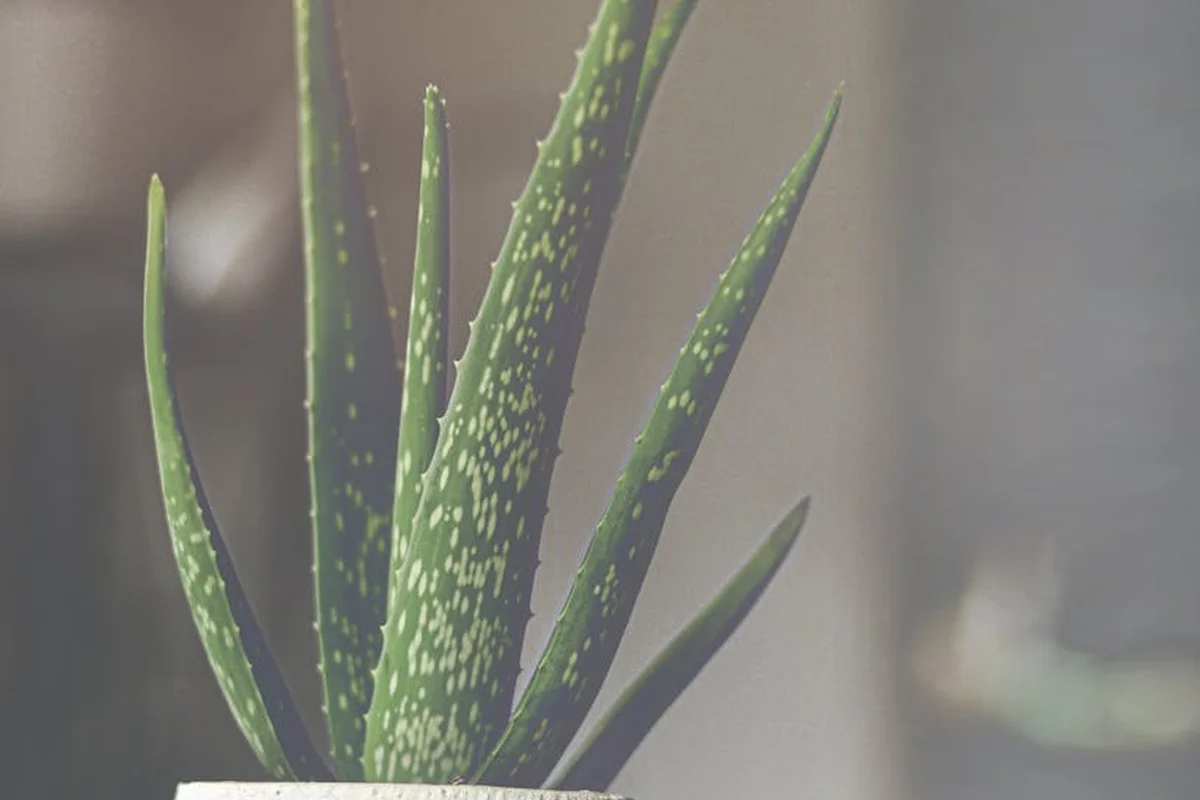
The primary danger lies in the latex, a yellowish sap found just under the plant’s skin. This latex contains powerful compounds called anthraquinones. These compounds are potent natural laxatives that are far too harsh for a bearded dragon’s delicate gut. In my own home, I make sure all my aloe plants are placed well out of reach of any free-roaming dragons. You can check out my comprehensive guide to safe plants, woods, and substrates for bearded dragons to learn more.
What Happens If a Bearded Dragon Eats Aloe?
If your dragon manages to take a bite of an aloe leaf, the reaction can be swift and unpleasant. You need to watch for specific signs of distress.
- Severe diarrhea or unusually watery stools, which can quickly lead to dehydration.
- Lethargy and a noticeable lack of appetite; your dragon may not want to eat its regular food.
- Signs of abdominal pain or discomfort, such as a blackened beard or glass-surfing.
Immediately remove any remaining plant material and provide fresh water to help prevent dehydration. If symptoms are severe or persist for more than a day, a visit to a reptile-savvy vet is non-negotiable. I’ve had a scare with one of my dragons getting into a plant he shouldn’t have, and prompt action is everything.
Common Misconceptions About Aloe and Reptiles
There’s a lot of confusing information out there, so let’s clear a few things up.
- Myth: “It’s natural, so it must be safe.” This is a dangerous assumption. Many natural plants are toxic. Beardies did not evolve to eat aloe, and their bodies aren’t equipped for it.
- Myth: “The gel is safe even if the skin isn’t.” It is incredibly difficult to separate the “safe” gel from the latex-containing skin completely. It’s not worth the risk of cross-contamination.
- Myth: “It’s good for their skin, so it must be good to eat.” Topical use for minor human burns has no bearing on the internal safety for reptiles. These are two entirely different biological functions.
Sticking to a diet of known, safe greens like collard, mustard, and dandelion greens is the best way to ensure your dragon’s long-term health. For more detail on safe greens for bearded dragons, including collard and mustard greens, see our guide on what bearded dragons can safely eat. When in doubt, always choose the safer, proven option for your scaly friend.
Safe and Nutritious Houseplants for Bearded Dragons
One of the most rewarding parts of caring for my bearded dragons has been creating a little indoor garden just for them. Knowing exactly what goes into their food, from seed to salad bowl, gives me immense peace of mind. It’s a simple joy to snip a fresh leaf and watch them munch away. You can learn more about selecting the right leaves for them in this comprehensive guide.
Top Safe Leafy Greens and Herbs
Not all greens are created equal, but this list is my personal go-to for a healthy, varied diet. I rotate through these to keep my dragons interested and well-nourished.
- Collard Greens: A staple in my home, these are packed with calcium and are always a hit.
- Dandelion Greens: Don’t weed them out-harvest them! Just be sure they’re from a pesticide-free area.
- Endive and Escarole: These provide great hydration and a nice, slightly bitter flavor they seem to love.
- Basil and Mint: I grow these in small pots on the windowsill. They are safe aromatic herbs that I use as occasional treats.
- Hibiscus: Both the leaves and the flowers are edible and a fantastic source of vitamin C.
How to Grow Your Own Safe Greens
Starting your own dragon garden is easier than you think and incredibly cost-effective. Growing your own food eliminates the worry of supermarket pesticides and ensures peak freshness. Here’s how I set mine up.
- Choose Your Plants: Start with easy growers like collard greens, mustard greens, and basil.
- Select Your Containers: Use pots with good drainage. I use simple, shallow, wide pots that fit nicely on a sunny shelf.
- Use the Right Soil: Opt for an organic potting mix with no added fertilizers or chemicals.
- Find the Sun: Place the pots in a spot that gets at least 6 hours of sunlight, like a south-facing window.
- Harvest with Care: Only take a few leaves from each plant at a time, allowing it to continue growing.
Common Houseplants That Are Toxic to Bearded Dragons
This is the part where we need to be extra vigilant. A beautiful plant can hide a dangerous secret for our scaly friends, and it’s our job to protect them. I’ve had to rehome a few of my own decorative plants to a room the dragons never enter.
Highly Toxic Plants to Remove Immediately
If you have any of these in your home, I strongly recommend moving them to an inaccessible room or finding them a new home. Ingestion of even a small amount of these plants can lead to severe health issues or be fatal.
- Pothos (Devil’s Ivy)
- Philodendron
- Peace Lily
- Dieffenbachia (Dumb Cane)
- Sago Palm
Moderately Toxic Plants to Be Cautious Of
These plants may not be as immediately dangerous as the ones above, but they can still cause significant discomfort and illness. It’s simply not worth the risk to have these within reach of a curious dragon. I keep my snake plant on a very high, stable bookshelf.
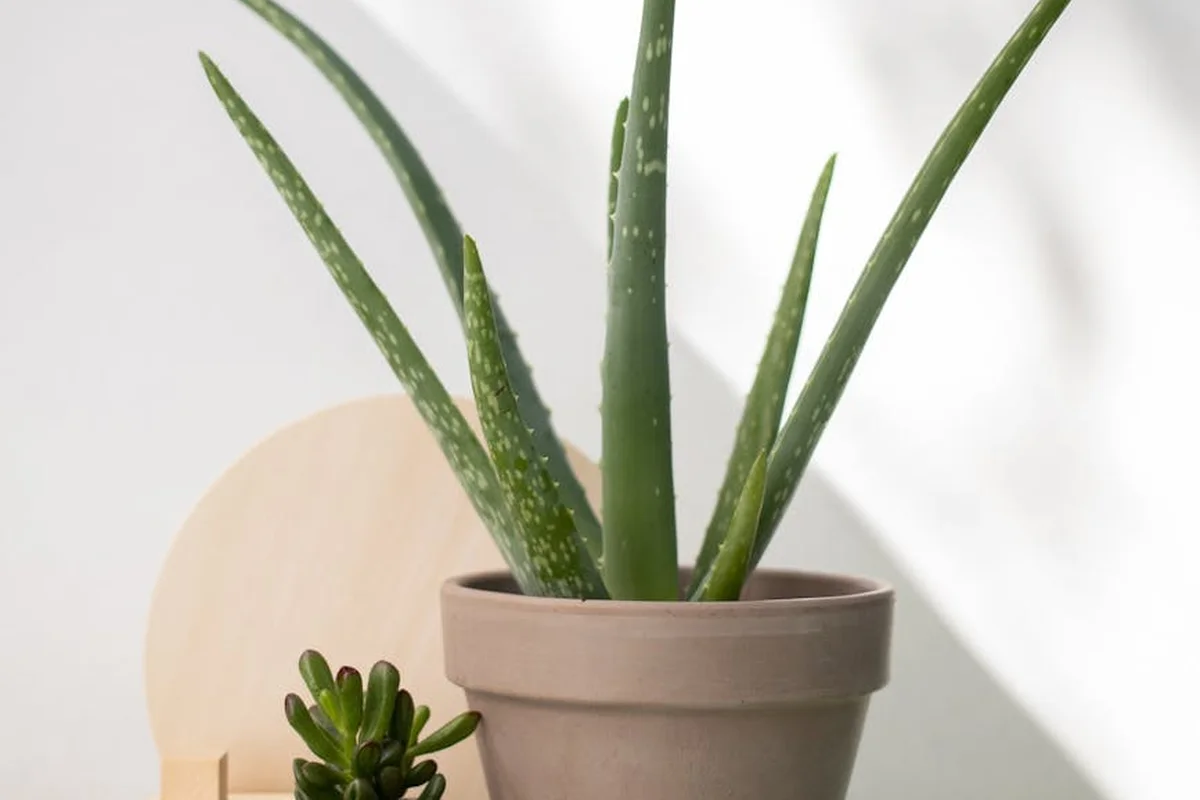
- Aloe Vera (can cause digestive upset and is a laxative)
- Jade Plant
- ZZ Plant (Zamioculcas)
- Snake Plant (Sansevieria)
- Ivy (most varieties)
How to Safely Feed Houseplants to Your Bearded Dragon
Preparing Plants: A Step-by-Step Guide
Getting a plant from your windowsill to your dragon’s dish requires more than just plucking a leaf. Proper preparation is your best defense against introducing harmful substances into their habitat. In this guide to safe plants for bearded dragons, I’ll cover which herbs, succulents, and other live plants are safe to offer. With careful selection and preparation, these greens can enrich their diet without risking their health. I’ve developed a foolproof routine over the years that keeps my bearded dragons safe and healthy.
- Source with Care: Only use plants you have positively identified as safe. I never harvest from gardens treated with chemical pesticides or fertilizers.
- Wash Meticulously: Rinse every leaf and stem under cool, running water. I gently rub the surfaces to dislodge any dirt, dust, or tiny pests you might not see.
- Dry Thoroughly: Pat the plant material completely dry with a clean paper towel. Excess moisture in the tank can lead to bacterial growth and scale rot.
- Chop to Size: Cut the leaves into bite-sized pieces, no larger than the space between your dragon’s eyes. This prevents choking and makes digestion easier.
- Inspect One Last Time: Look over the prepared pieces for any bruised, wilted, or discolored spots and remove them before serving.
Integrating Plants with Insect Diets
Bearded dragons are omnivores, so their diet is a balancing act between greens and bugs. Finding the right plant-to-insect ratio is key to supporting their growth and energy levels at every life stage. I like to think of it as building a colorful, textured salad for them. When selecting greens, I follow a complete safe-unsafe greens list to know which are safe and which to avoid. This helps keep the diet varied and safe for every life stage.
- For Juveniles: Offer a small handful of finely chopped, safe greens alongside their daily insects. Their primary focus should be on protein for growth.
- Mix Textures and Colors: Combine soft leaves like basil with crunchier options like dandelion greens. This variety encourages them to try new foods and provides a range of nutrients.
- Time Your Feedings: I always offer the plant portion first thing in the morning when my dragons are most active and curious. I give them insects later in the day.
Adults thrive on a diet that is roughly 80% plant-based and 20% insects. I serve a fresh salad daily and offer insects every other day.
What to Do If Your Bearded Dragon Eats a Toxic Plant
Immediate First Aid Steps
Accidents happen, and panic is a natural first reaction. Staying calm and acting quickly can make a significant difference in the outcome for your pet. I’ve been in this scary situation before, and a clear-headed response is everything.
- Remove the Plant: Gently take any remaining plant material out of your dragon’s mouth and away from their enclosure.
- Do Not Induce Vomiting: Unlike with some mammals, this is not safe for reptiles and can cause more harm.
- Offer Hydration: Use a dropper to offer a few drops of water to help flush their system. Immediately contact your veterinarian or an emergency reptile clinic for specific instructions.
- Gather Information: If you can, take a picture of the plant or bring a sample with you to the vet. This helps with quick identification and treatment.
Monitoring for Digestive Issues
Even after the initial scare, your job isn’t over. Close observation over the next 24-48 hours is critical to catch any delayed symptoms of toxicity. I set a timer on my phone to do regular check-ins whenever this has happened with my dragons.
- Watch for Lethargy: A dragon that is unusually still, not basking, or keeping its eyes closed needs attention.
- Check for Appetite Loss: Refusing their favorite insects or greens for more than a day is a sign that something is wrong internally.
- Look for Physical Signs: Swelling around the mouth or jaw, excessive saliva, or difficulty moving can indicate a serious reaction.
Any change in their stool, like diarrhea, unusual color, or the presence of mucus, is a major red flag.
Frequently Asked Questions
Can Bearded Dragons Have Aloe Vera in Moderation?
No, aloe vera should not be fed to bearded dragons in any amount, as even small quantities can cause digestive upset and dehydration due to its harsh laxative properties. This caution is part of a broader bearded dragon herbs safety guide that also covers whether they can eat rosemary, thyme, and other herbs.
What Part of the Aloe Plant is Most Harmful to Bearded Dragons?
The yellowish latex found just beneath the plant’s skin is the primary danger, as it contains anthraquinones that are too strong for a bearded dragon’s sensitive digestive system. This is exactly why our guide about what can’t bearded dragons eat, including toxic foods to avoid, emphasizes steering clear of such plants. By following this toxic-foods to avoid list, you can keep your bearded dragon healthy and safe.
Are There Any Benefits to Feeding Aloe Vera to Bearded Dragons?
No, there are no proven benefits, and the risks of toxicity far outweigh any potential advantages, so it’s safest to stick to well-known greens like collard or mustard greens.
Final Thoughts
When it comes to aloe vera and your bearded dragon, the answer is a definitive no. This common houseplant contains compounds that can irritate your dragon’s digestive system and lead to serious health issues. I’ve seen too many well-meaning owners accidentally cause their pets distress with a single curious bite.
Stick to the safe, proven greens and vegetables that form the cornerstone of a healthy diet. Always double-check any new plant before offering it, because in reptile care, being cautious is always better than being sorry. Your dragon’s vibrant health is worth that extra moment of research. In a bearded dragon lettuce guide, romaine or green leaf lettuce can be safe greens when fed in moderation. Pair lettuce with a variety of other greens to keep meals balanced.
Further Reading & Sources
- 5 Safe Plants To Use In A Bearded Dragon Habitat – Zen Habitats
- Can Bearded Dragons Eat Aloe? Vet-Reviewed Nutrition Facts | Hepper Pet Resources
- Is any aloe vera plant safe for enclosure? | Enclosures
Bearded Dragon Lair is the ultimate resource for bearded dragon enthusiasts, offering expert advice and practical tips to ensure the health and happiness of your scaly companion. With years of experience in reptile care, we are dedicated to providing accurate, up-to-date information to support your bearded dragon journey.
Feeding Guidelines