Can Bearded Dragons Eat Bok Choy? Leaves, Stems, and Feeding Frequency
Published on: January 19, 2026 | Last Updated: January 19, 2026
Written By: Beardie Joe
You’re holding a bunch of bok choy and wondering if it’s a safe, healthy choice for your bearded dragon.
As someone who has raised multiple bearded dragons for years, I’ve tested many greens and I’m here to give you the clear, experienced answers you need for your pet’s wellbeing.
We’ll break down the safety of the leaves and stems, explain the ideal feeding frequency, and cover how to properly prepare it for a balanced diet.
What is Bok Choy and Is It Safe for Bearded Dragons?
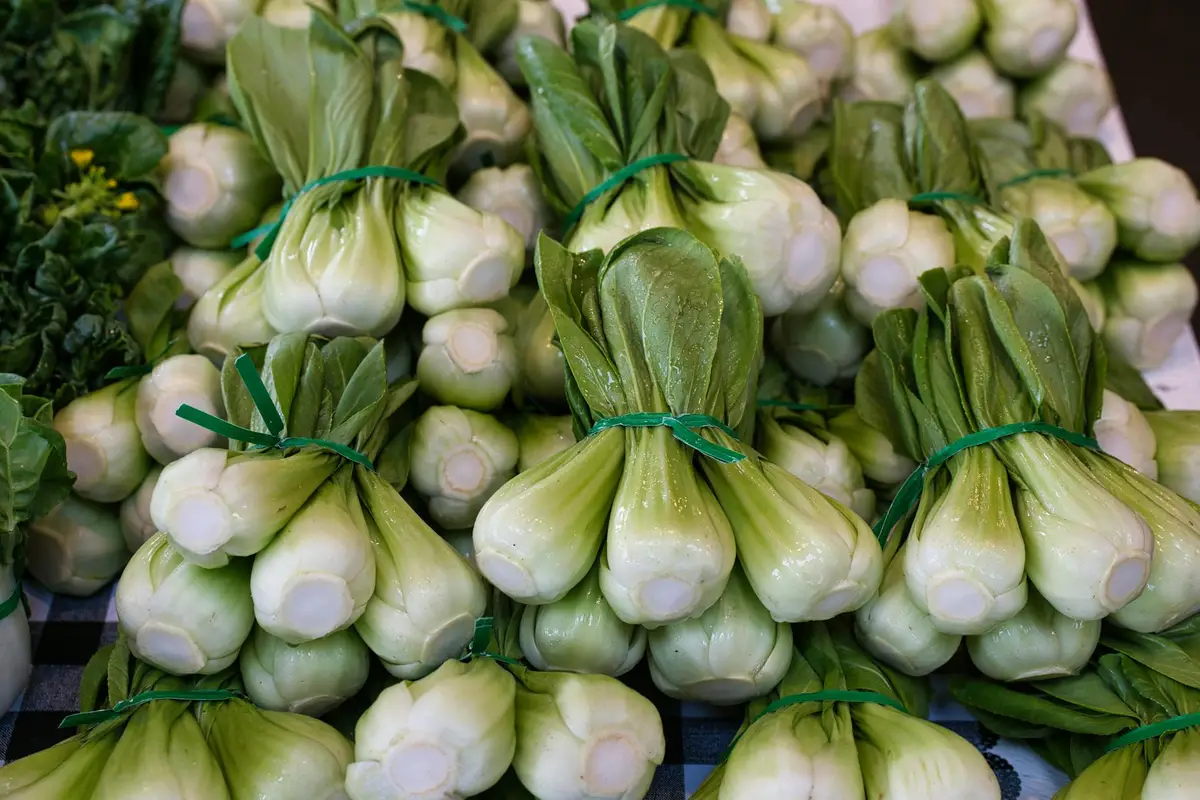
Bok choy, sometimes called pak choi, is a type of Chinese cabbage with crisp, white stems and dark green, spoon-shaped leaves. From my experience, this veggie is a common find in grocery stores and can be a part of your dragon’s varied diet. In a cabbage guide for bearded dragons, you’ll learn about cabbage types (bok choy, green and red cabbage), their potential benefits, and any risks. Understanding this helps you balance your dragon’s diet and keep it safe.
- Yes, bearded dragons can eat bok choy.
- No, it should not be a daily staple food.
The rationale behind this is that while bok choy is non-toxic and packed with some great nutrients, it also contains compounds that require careful management. You’ll find both large, mature bok choy and smaller, more tender baby bok choy. I often choose baby bok choy for my dragons because the leaves and stems are softer and easier for them to nibble on.
Can Bearded Dragons Eat Bok Choy Leaves?
The dark green leaves of bok choy are typically a hit with most bearded dragons. They have a soft, almost silky texture that is easy for them to tear and swallow. In my own terrarium, the leaves are almost always eaten first, making them the clear favorite over the stems. For a concise guide, check out the bearded dragon leaves guide, where bok choy is listed as a safe option in moderation. It’s also helpful to know which leafy greens to avoid or limit due to potential toxicity or high oxalate content. Their vibrant color seems to attract my dragons, and they readily munch on them when offered. The leaves are nutrient-dense and don’t require much preparation beyond a good wash.
Can Bearded Dragons Eat Bok Choy Stems?
The white, crunchy stems are perfectly edible for your beardie, but they do present a different eating experience. They are packed with water, which is great for hydration, but their firmness can be a challenge. I always chop the stems into small, bite-sized pieces to prevent any choking hazard and make them easier for my dragons to manage. While the stems are refreshing, they aren’t as nutrient-rich as the leaves, so think of them more as a hydrating crunch than a power food. Bearded dragons eat dandelion greens, flowers, and stems, a topic often explained in care guides. In short, the greens are nutrient-rich, the stems provide hydration and texture, and the flowers add variety.
Nutritional Breakdown of Bok Choy for Bearded Dragons
Knowing what’s inside your dragon’s food helps you make the best choices. Bok choy brings a specific set of nutrients to the table that can benefit your pet.
| Nutrient | Benefit for Bearded Dragons |
|---|---|
| Calcium | Vital for strong bones and preventing metabolic bone disease. |
| Vitamin A | Supports healthy vision, skin, and immune function. |
| Fiber | Aids in healthy digestion and prevents impaction. |
| High Water Content | Helps keep your dragon hydrated, especially if they are reluctant to drink. |
The calcium-to-phosphorus ratio is one of the most critical things to check in any bearded dragon food. Bok choy has a fantastic ratio of approximately 2.8:1, which is excellent because it means the calcium is readily available for your dragon’s body to use. Bearded dragons shouldn’t be overdosed on calcium—too much calcium, especially with added vitamin D3, can cause health problems. Follow feeding guidelines and UVB exposure recommendations to keep calcium levels balanced.
Benefits of Bok Choy in a Bearded Dragon Diet
When fed correctly, bok choy can be a wonderful addition to your dragon’s salad bowl.
- Hydration Support: The high water content is a lifesaver on hot days or for dragons who don’t drink often from a water bowl.
- Vitamin Boost: It provides a natural source of Vitamin A, which is essential for their overall health and vitality.
- Digestive Health: The fiber helps keep everything moving smoothly through their system, which I’ve found helps prevent common issues like constipation.
Understanding the Risks: Oxalates and Goitrogens
This is where your knowledge as a pet owner becomes super important. Bok choy contains two natural compounds that sound scary but are manageable: oxalates and goitrogens.
Oxalates are like little magnets that can bind to calcium inside your dragon’s body. If fed in huge amounts, oxalates can prevent calcium from being absorbed, which could lead to serious health problems over time. Goitrogens can interfere with thyroid function by affecting how the thyroid gland uses iodine.
But don’t let this worry you too much. The key to safely feeding bok choy, and many other greens, is a simple rule: variety and moderation. By rotating bok choy with other safe greens like collard greens and dandelion greens, you dilute these compounds and make the risks virtually nonexistent. I’ve been using this rotation method for years with my own dragons, and it keeps them happy and healthy.
How to Prepare Bok Choy for Your Bearded Dragon
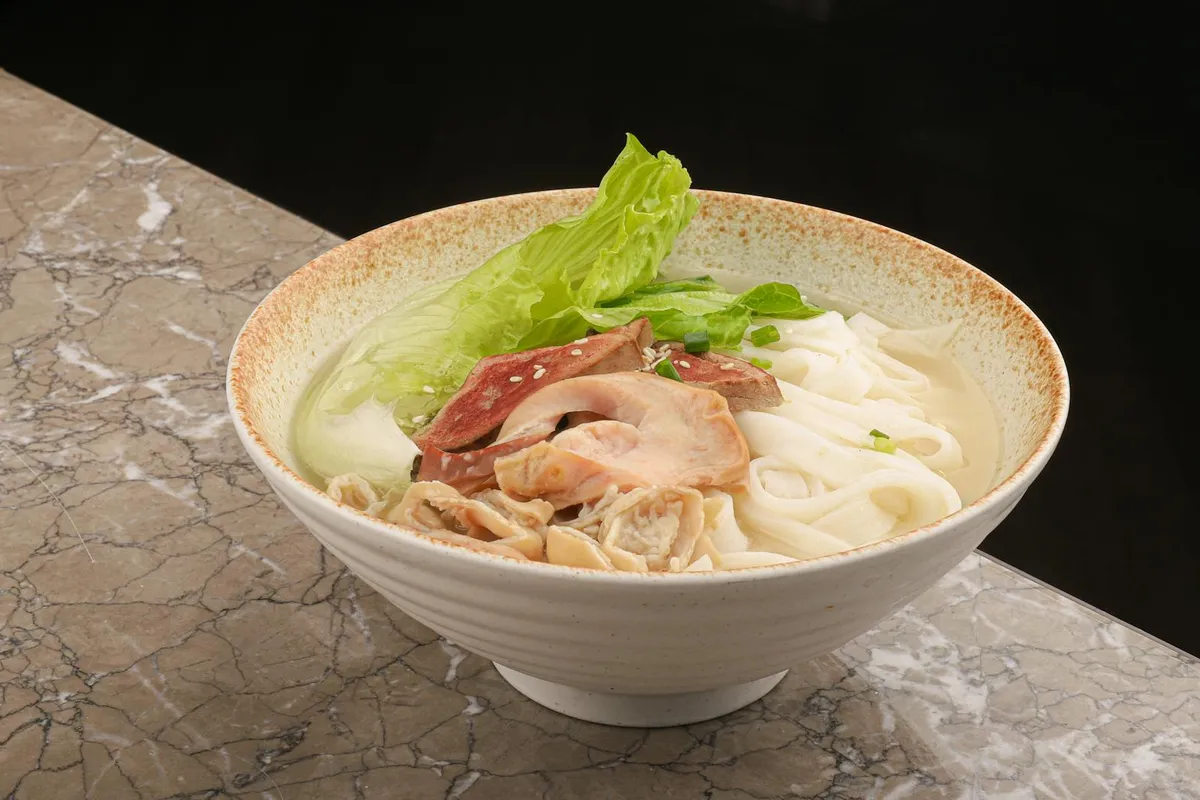
Preparing bok choy correctly ensures your dragon gets the nutrients without any risks. I always start with fresh, crisp greens because wilted leaves can lose their nutritional punch and might not be as enticing. Stick to raw bok choy-cooking can break down vitamins and isn’t necessary for their digestion. Here’s a simple way I get my dragons excited about their greens.
- Select firm, vibrant bok choy with no yellowing or sliminess.
- Rinse thoroughly under cool running water to remove dirt and potential pesticides.
- Pat dry with a clean towel to avoid soggy salad.
- Chop into bite-sized pieces based on your dragon’s size to prevent choking.
- Serve immediately or mix with other foods for variety.
From my experience, sprinkling a few drops of water on the chopped bok choy can make it more appealing-the extra moisture and shine often catch their attention!
Washing and Chopping Bok Choy
Cleaning bok choy well is non-negotiable for your pet’s health. Thorough washing removes hidden pesticides and grit that could upset their stomach. I’ve seen dragons avoid dirty greens, so a good rinse makes all the difference. Follow these steps for safety:
- Separate the leaves and stems to reach all crevices.
- Soak in a bowl of water with a splash of vinegar for 5-10 minutes to loosen debris.
- Rinse again under running water, rubbing gently with your fingers.
- Chop stems into small, thin slices for juveniles or dragons under 12 inches.
- For adults, larger pieces about the size of their eye width are safe and manageable.
Always discard any parts that look damaged or off-your dragon deserves the best.
Mixing Bok Choy with Other Foods
Bok choy shouldn’t be the star of the meal but a supporting actor. Combining it with staple greens and insects creates a balanced diet that keeps meals interesting. I rotate mixes to prevent boredom and ensure nutritional variety. Try these easy combinations I use with my own dragons:
- Base of collard greens or dandelion greens with a handful of chopped bok choy leaves.
- Add a sprinkle of calcium-dusted crickets or dubia roaches for protein.
- Mix in grated squash or bell peppers for color and extra vitamins.
Avoid overloading the bowl-aim for bok choy to make up no more than 20% of the veggie portion.
Feeding Frequency and Portion Control
Moderation is key with bok choy due to its goitrogen content. Feeding it too often can interfere with thyroid function, so I treat it as an occasional green in our rotation. Offer it once a week or less, depending on your dragon’s overall diet. Portions should match their age and size to avoid digestive overload. Always prioritize variety-no single green should dominate their plate.
Recommended Serving Sizes by Age
Tailoring portions to your dragon’s life stage prevents overfeeding. Juveniles need smaller, more frequent meals, while adults thrive on larger but less frequent servings. Based on my care routine, here’s a quick guide-remember, this is per feeding when bok choy is included:
- Juveniles (under 1 year): 1-2 small pieces, about a teaspoon total, mixed with other greens.
- Adults (1 year and older): 2-3 larger pieces, up to a tablespoon, as part of a varied salad.
Never fill more than a quarter of their veggie dish with bok choy to keep things balanced.
Signs of Overfeeding or Digestive Issues
Watch closely for any changes after introducing bok choy. Lethargy or a loss of appetite can signal that something isn’t sitting right. I’ve learned to spot these red flags early to adjust their diet quickly. If you notice any of these, reduce or stop bok choy and consult a vet:
- Runny, unusually smelly, or discolored droppings.
- Bloating or a swollen belly after eating.
- Reduced activity or hiding more than usual.
- Lack of interest in food for more than a day.
Quick action protects their well-being and keeps mealtime stress-free.
Healthier Alternatives and Building a Varied Diet
Relying on just one or two greens, even safe ones like bok choy, is like eating the same salad every single day. Your bearded dragon needs a rotating menu of leafy greens to get the full spectrum of vitamins and minerals they require to thrive. To keep meals safe, I started using a greens bearded dragons eat complete safe unsafe list to guide choices. It helps me pick greens that are safe and avoid those that could cause trouble. I learned this the hard way with my first dragon, Darwin. I found a green he loved and stuck with it, but over time, I noticed his energy wasn’t what it should be. A varied diet prevents subtle nutrient imbalances that can impact their health long-term.
Best Greens to Pair with Bok Choy
Think of bok choy as a team player in your dragon’s salad bowl. It brings certain nutrients to the table, but it needs help from other greens to create a perfectly balanced meal. The goal is to mix and match these greens throughout the week to create a nutrient-dense and interesting diet. Here are my go-to greens that work wonderfully with bok choy:
- Collard Greens: A superstar green, packed with calcium and vitamin A.
- Mustard Greens: Another excellent, calcium-rich choice that adds a peppery flavor.
- Dandelion Greens: A fantastic source of vitamins and minerals; just ensure they are pesticide-free.
- Escarole: A mild, less bitter green that is a great staple.
- Endive: Adds a nice crunch and is low in oxalates.
I like to create a weekly “salad mix” for my dragons. Try a base of collard greens, add a handful of bok choy for texture, and then sprinkle in some mustard or dandelion greens for a nutrient boost. Bearded dragons can safely eat collard greens and mustard greens as part of a balanced diet. This quick greens guide helps ensure you’re offering safe, dragon-friendly greens. This keeps their meals exciting and nutritionally complete.
Staple Greens vs. Occasional Treats
Not all greens are created equal, and understanding the difference is key to a healthy feeding routine. Staple greens are the backbone of the diet, while others are best as occasional additions.
Everyday Staple Greens (Feed Regularly)
- Collard Greens
- Mustard Greens
- Dandelion Greens
- Escarole
- Endive
Occasional Greens (Like Bok Choy – Feed 1-2 times per week)
- Bok Choy
- Kale
- Swiss Chard
- Spinach
Rotating these occasional greens prevents any one compound, like the goitrogens in bok choy, from building up to problematic levels. This system ensures your dragon gets variety without overdoing the greens that require more moderation.
Storing Bok Choy for Freshness and Safety
Freshness is everything when it comes to your dragon’s greens. Wilted or slimy bok choy isn’t just unappetizing; it can harbor bacteria that can make your pet sick. Proper storage is a simple but critical step in responsible reptile care. I always inspect my greens at the store, looking for crisp, brightly colored leaves with no brown spots.
Here is my simple method for keeping bok choy fresh and safe:
- Do not wash the bok choy until you are ready to use it. Moisture speeds up decay.
- Wrap the whole head of bok choy loosely in a dry paper towel. This absorbs excess moisture.
- Place the wrapped bok choy inside a perforated plastic bag or a loosely sealed produce bag.
- Store it in the crisper drawer of your refrigerator.
Stored this way, your bok choy should stay crisp for up to a week. Always give the leaves a good rinse under cool water right before you chop them up for your dragon to wash away any pesticides or dirt. If you see any signs of yellowing, wilting, or a slimy texture, toss it out immediately. It’s never worth the risk to your dragon’s health.
Frequently Asked Questions
Is bok choy good for bearded dragons?
Bok choy can be a beneficial part of a bearded dragon’s diet due to its high calcium and vitamin A content, but it should only be fed occasionally to avoid potential issues from oxalates and goitrogens, similar to kale.
What part of bok choy can bearded dragons eat?
Bearded dragons can safely eat both the dark green leaves and the white stems of bok choy, with the leaves being more nutrient-rich and the stems offering extra hydration when chopped into small pieces. This is part of a complete guide on safe foods for bearded dragons. For a full list of safe foods, see the Bearded Dragons Eat: Complete Guide – Safe Foods.
How to feed bearded dragon bok choy?
To feed bok choy, wash it thoroughly, chop it into bite-sized pieces to prevent choking, and mix it with staple greens like collard or dandelion greens as part of a varied diet, offering it no more than once a week.
Final Thoughts on Feeding Bok Choy
You can confidently offer bok choy to your bearded dragon as part of a varied diet, focusing primarily on the nutrient-rich leaves and finely chopping the stems to reduce any choking risk. Based on my own experience, rotating bok choy with other staple greens like collard and mustard greens prevents dietary boredom and ensures a wider range of nutrients. These are part of the safest staple foods I’ve found for bearded dragons.
Remember that moderation is key—feeding it a couple of times a week is a safe frequency that supports their health without overloading them. For adults, a common baseline is 2–3 feedings per week, adjusted for size and body condition. Always observe your pet after introducing any new food, as watching their unique reactions helps you become the best caregiver for your specific dragon.
Further Reading & Sources
- Can Bearded Dragons Eat Bok Choy? – Dragon’s Diet
- Can Bearded Dragons Eat Bok Choy? Expert Answers & Advice
- r/BeardedDragons on Reddit: i have a usual diet for my beardies of bok choy and yellow squash. where i live, the only place i can get bok choy, they put 3 baby bok choy in a baggy and its expensive. is there any way i could get away with giving arugula every other day or is there a better cheaper veggie i can switch off with?
Bearded Dragon Lair is the ultimate resource for bearded dragon enthusiasts, offering expert advice and practical tips to ensure the health and happiness of your scaly companion. With years of experience in reptile care, we are dedicated to providing accurate, up-to-date information to support your bearded dragon journey.
Feeding Guidelines