Can Bearded Dragons Eat Broccoli?
Published on: December 19, 2025 | Last Updated: December 19, 2025
Written By: Beardie Joe
If you’re staring at a floret of broccoli and wondering if it’s a safe snack for your scaly friend, you’ve come to the right place.
As a long-time beardie owner, I’ve navigated the do’s and don’ts of reptile nutrition through both research and real-life experience.
In this guide, we’ll cover which parts of the broccoli plant are safe, the debate between raw and cooked, and how often you can safely offer it.
Is Broccoli Safe for Your Bearded Dragon?
The short answer is yes, but with a very important condition. Broccoli is safe for your bearded dragon only as an occasional treat. Think of it like a slice of birthday cake for us—a special, infrequent indulgence, not a daily staple. This is because broccoli contains two natural compounds that can be problematic in large quantities. For bearded dragons, considering cabbage with a dedicated cabbage guide that covers types, benefits, and risks can help you feed safely. It helps you choose safe varieties and balance their greens.
- Goitrogens: These can interfere with thyroid function and impact how your dragon metabolizes iodine if fed too often.
- Oxalates (Oxalic Acid): These bind to calcium in your dragon’s body, making that crucial mineral unavailable for building strong bones.
From my own experience, I offer broccoli to my dragons no more than once a month. This keeps their diet varied and interesting without introducing risks.
Broccoli Nutrition: Benefits and Risks for Beardies
Broccoli is a bit of a nutritional paradox for reptiles. It’s packed with good things, but its drawbacks mean we have to be smart about serving it.
| Nutrient | Benefit for Your Beardie | Consideration/Risk |
|---|---|---|
| Vitamin A | Supports healthy vision, skin, and immune function. | Too much can lead to toxicity, but the amount in broccoli is generally safe as a treat. |
| Vitamin C | An antioxidant that aids in healing and overall health. | A positive benefit with no significant downside from broccoli. |
| Fiber | Promotes good digestive health and gut motility. | Too much can cause loose stools, but the amount in a small floret is fine. |
| Calcium | Essential for strong bones and preventing Metabolic Bone Disease (MBD). | The high phosphorus content blocks its absorption, which is the biggest issue. |
My dragon, Draco, gets a sparkle in his eye when he sees that rare green floret, but I always follow it up with a calcium-rich staple like collard greens for his next meal.
Key Vitamins and Minerals in Broccoli
- Vitamin A: This keeps your dragon’s eyes sharp and their skin healthy. It’s a key player in their immune system defense.
- Vitamin C: Acts as a bodyguard for their cells, helping to reduce inflammation and keep them feeling good.
- Vitamin K: Crucial for proper blood clotting, so a small scrape doesn’t become a big problem.
- Potassium: This mineral helps with nerve function and muscle movement, including that important heart muscle.
- Folate: Supports healthy cell growth and development, which is great for young, growing dragons.
Understanding the Calcium to Phosphorus Ratio
This ratio is the single most important concept in bearded dragon nutrition. You always want more calcium than phosphorus in any food you offer. Think of calcium as the bricks needed to build a strong, healthy skeleton. Phosphorus is the mortar that holds those bricks together—you need both, but you need many more bricks than you do mortar. To learn more about calcium requirements, check out how much calcium your bearded dragon needs and the risks of over-supplementation.
Broccoli has a calcium-to-phosphorus ratio of about 1:2. This means for every one part of usable calcium, there are two parts of phosphorus actively blocking it. This is an inverse ratio, and it’s why broccoli can’t be a regular food. Feeding it too often can slowly drain your dragon’s calcium reserves, putting them at risk for Metabolic Bone Disease, a serious and painful condition.
Which Parts of Broccoli Can Bearded Dragons Eat?
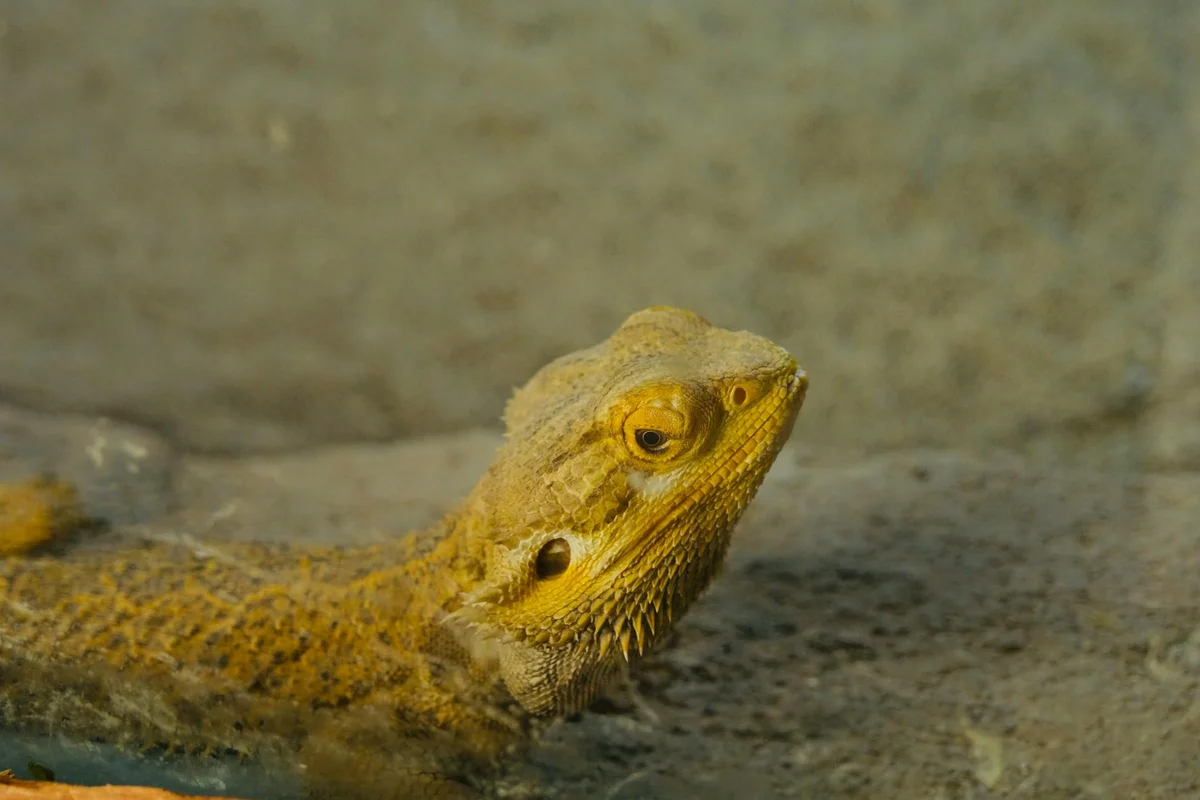
Not every part of the broccoli plant is created equal in a bearded dragon’s world. Let’s break it down piece by piece so you can serve their salad with confidence. Make sure you’re also choosing the right greens to go with it.
Broccoli Leaves and Greens
Broccoli leaves are a fantastic and often overlooked part of the plant. They are perfectly safe for your dragon to eat. The leaves are tender, less fibrous than the stalk, and packed with nutrients. In my experience, the vibrant green color often attracts my dragons more than the pale florets. I often toss a few chopped broccoli leaves into their salad mix for a nutrient boost and a bit of variety. They are a great source of vitamins A and C, which support vision and immune health.
Broccoli Stalks and Stems
The thick, crunchy stalks are safe for your bearded dragon, but they come with a big caveat. Their tough, fibrous texture can be a serious choking hazard if not prepared correctly. You must always chop the stalk into very small, manageable pieces, no bigger than the space between your dragon’s eyes. Once properly prepared, the stalk offers excellent hydration and a good dose of dietary fiber to aid digestion. I view it as the crunchy, watery core of the veggie that needs a little extra prep work from me. In our bearded dragon celery guide, we cover which parts are safe—leaves and stalks—and how to prep them to minimize risk. This approach helps ensure safe hydration and digestion.
Broccoli Sprouts and Microgreens
This is where we need to be a bit more cautious. While not toxic, broccoli sprouts and microgreens can contain more concentrated levels of compounds called isothiocyanates. In very large amounts, these can be irritating. An occasional tiny piece as part of a varied salad is likely fine, but I do not make them a regular part of my dragons’ diet. It is simpler and safer to stick with the mature parts of the plant where the nutrient and compound levels are more consistent and well-documented for reptile care.
Raw vs. Cooked Broccoli: What’s Best for Your Dragon?
This is a common question, and both methods have their place. Your choice can affect everything from nutrient levels to how easy it is for your pet to digest.
Feeding Raw Broccoli
Offering raw broccoli is the most common method. It is quick and preserves all the vitamins that can be sensitive to heat.
- The hard crunch provides excellent jaw exercise and can help keep their teeth clean.
- The main downside is that the tough cell walls can be harder for some dragons to break down and digest fully.
- Always wash raw broccoli thoroughly to remove any pesticide residue.
- Chop it finely to prevent any risk of choking, especially with the stalk.
I typically feed raw broccoli because it is the most natural texture and requires no extra preparation time on my part.
Feeding Cooked Broccoli
Lightly cooking broccoli can be a great alternative, especially for older dragons or those with sensitive digestion.
- Steaming or blanching softens the tough fibers, making it much easier for them to eat and digest.
- This gentle cooking process can also help break down some of the goitrogens, those compounds that can interfere with thyroid function when fed in excess.
- The key is to cook it plain-no oil, butter, salt, or seasonings of any kind.
My simple method is to steam a few florets and a piece of stalk for just 2-3 minutes until it is slightly softened but still bright green, then let it cool completely before serving. This is my go-to if I notice one of my dragons is having a hard time with raw veggies.
How to Prepare and Serve Broccoli Safely
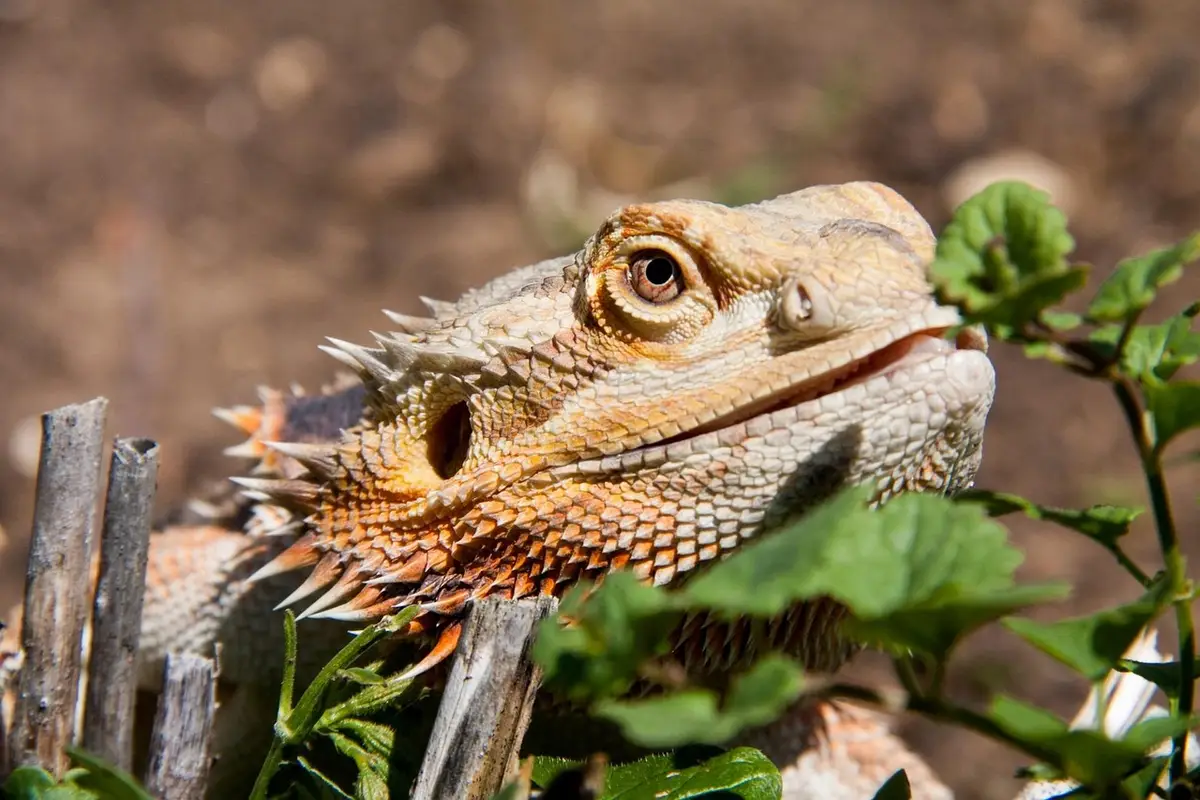
Preparing broccoli for your bearded dragon is a simple process, but doing it right makes all the difference for their health and safety. I always treat my dragon’s meal prep with the same care I’d use for my own family’s food, because their well-being depends on it. That’s why a complete guide to safe foods for bearded dragons is so helpful. It helps ensure every meal is balanced and safe.
Chopping and Portion Sizes
A perfect piece of broccoli for your dragon is small and manageable. Large chunks are a serious choking hazard.
- First, wash the broccoli thoroughly under cool running water to remove any dirt or pesticide residue.
- Separate the florets from the main stalk. The tough, woody main stem is too hard for them to digest.
- Chop the florets and any tender, leafy greens attached to them into tiny, bite-sized pieces.
- A good rule I follow is to make sure no piece is larger than the space between your dragon’s eyes.
Getting the portion size correct prevents choking and makes it easier for your pet to digest this fibrous vegetable. For a single serving, a couple of these small florets mixed into their main salad is plenty.
Mixing Broccoli with Other Foods
Broccoli should never be the main event in your dragon’s salad bowl. Think of it as a flavorful garnish.
The key to a healthy dragon diet is variety, and broccoli is just one player on a much larger team of greens. I love creating a colorful salad mix for my dragons. Here are some of my go-to staples to combine with that occasional bit of broccoli:
- Collard Greens (a calcium-rich powerhouse)
- Dandelion Greens (readily available and nutritious)
- Butternut Squash (shredded for easy eating)
- Bell Peppers (a great source of hydration and vitamin C)
Rotating these staples ensures your dragon gets a wide spectrum of nutrients and never gets bored with their meals.
Feeding Frequency and Moderation Tips
Broccoli is a “sometimes” food, not an “everyday” food. Its goitrogens can cause health issues with overconsumption.
Moderation is the most important rule when it comes to feeding broccoli to your scaly friend. I stick to a strict schedule to keep my dragons thriving. Here is the basic guidance I follow for different life stages:
- Juvenile Bearded Dragons: Offer broccoli no more than once every other week.
- Adult Bearded Dragons: Can handle a small serving once per week.
For Juvenile Bearded Dragons
Young dragons are growing rapidly and need a diet focused on protein and calcium. I am always extra cautious with juveniles because their developing bodies are more sensitive to dietary imbalances. Their tiny portions of broccoli should be minimal-think one or two very finely chopped pieces mixed into a salad that is primarily staple greens. Their primary focus should be on live insects and calcium-rich veggies like collard greens.
For Adult Bearded Dragons
Adult dragons have a more varied diet that leans towards vegetables. Even for adults, I treat broccoli as a weekly treat to add variety, not a dietary cornerstone. A serving for a full-grown dragon can be slightly larger, perhaps two to three small, well-chopped florets. This infrequent feeding helps prevent any potential nutrient-binding issues from becoming a problem over time.
Potential Health Risks and How to Avoid Them
Broccoli is a tricky vegetable because it’s not toxic, but it comes with a few health caveats you need to manage. The main concerns are digestive upset from overfeeding, the impact of goitrogens on the thyroid gland, and oxalates that can bind to calcium. I’ve seen my own dragons get a bit gassy and sluggish after a broccoli-heavy meal, which taught me to be more careful.
Here is my simple safety routine to keep your dragon safe while offering broccoli:
- Treat broccoli as a garnish, not a main course. It should never make up the bulk of a salad.
- Stick to a small portion, about the size of your dragon’s eye, once every other week at most.
- Always chop it into tiny, manageable pieces to prevent choking and aid digestion.
- Rotate broccoli with other, safer greens like collard greens, dandelion greens, and butternut squash.
- A strong, varied diet is your best defense against the negative effects of any single food item.
Managing Goitrogens and Oxalates
Those two words sound complicated, but their effects are straightforward. Goitrogens are substances that can interfere with thyroid function by blocking iodine uptake. Over time, a diet too high in goitrogenic foods can potentially lead to hypothyroidism, impacting your dragon’s metabolism and energy levels.
Oxalates, or oxalic acid, are compounds found in many plants. They bind to calcium inside your dragon’s body, making that crucial mineral unavailable for absorption. This can contribute to metabolic bone disease (MBD), a serious and painful condition we all want to avoid. Broccoli contains both of these compounds, which is why moderation is non-negotiable.
You don’t need to panic, you just need to be smart. The key is dilution through variety. By feeding broccoli infrequently and alongside low-oxalate, low-goitrogen staples, you effectively neutralize the risk. In my own colony, I view broccoli as a “sometimes” treat that adds variety, not a dietary cornerstone.
Signs of Digestive Discomfort
Even with careful feeding, every dragon is an individual. It’s vital to watch how your pet reacts after trying new foods, including broccoli. Your dragon’s behavior and droppings are the best windows into their digestive health.
Be on the lookout for these symptoms that may indicate the broccoli didn’t agree with them:
- Noticeable lethargy or lack of normal activity
- A swollen or firm abdomen
- Loss of appetite for their usual food
- Unusual stools, such as diarrhea or very watery waste
- Visible discomfort, like repeatedly scratching at the tank glass
If you spot any of these signs, the first step is to remove broccoli from their diet immediately and ensure they are well-hydrated. Trust your gut; if something seems off or symptoms persist for more than a day, a call to your reptile veterinarian is the safest and most responsible action you can take.
Frequently Asked Questions
Can a bearded dragon eat broccoli rabe?
Yes, but with the same caution as regular broccoli. Broccoli rabe is also high in goitrogens and oxalates, so it should only be offered as a very infrequent treat.
Can a bearded dragon eat broccolini?
Yes, broccolini is safe for your bearded dragon in strict moderation. It contains the same compounds as regular broccoli, so it should be considered an occasional treat, not a staple food. Among the best foods for bearded dragons are safe staple greens, and treats should be added sparingly to keep the diet balanced.
Can a bearded dragon eat broccoli greens?
Yes, the leafy greens from the broccoli plant are safe and can be a nutritious addition to a salad. They are tender and packed with vitamins, making them a great occasional mix-in with other staple greens.
The Final Scoop on Broccoli
So, can bearded dragons eat broccoli? Yes, but think of it as a rare treat, not a staple. I limit broccoli for my own dragons to a small serving no more than once a week to be safe. This helps avoid any potential issues from the goitrogens while still letting them enjoy the variety. For a complete guide on bearded dragons eat vegetables, including which greens to offer and how often to feed them, check out the complete feeding guide. It covers broccoli and other vegetables to help balance their diet.
Stick with raw, finely chopped florets for the best nutritional value and easiest digestion. Keeping a varied diet is the real key to a happy, healthy bearded dragon. Broccoli can be part of that colorful menu, just in careful moderation. For a complete guide to safe fruits and vegetables for bearded dragons, check our ultimate safe food list. That handy list helps keep meals balanced and safe.
Further Reading & Sources
- Can Bearded Dragons Eat Broccoli? All You Need to Know – Dragon’s Diet
- Can Bearded Dragons Eat Broccoli? – ABDRAGONS
- r/BeardedDragons on Reddit: Can bearded dragons eat Broccoli stalk?
Bearded Dragon Lair is the ultimate resource for bearded dragon enthusiasts, offering expert advice and practical tips to ensure the health and happiness of your scaly companion. With years of experience in reptile care, we are dedicated to providing accurate, up-to-date information to support your bearded dragon journey.
Feeding Guidelines