Can Bearded Dragons Eat Cilantro? (And How Often Is Safe?)
Published on: January 19, 2026 | Last Updated: January 19, 2026
Written By: Beardie Joe
You’re eyeing that bunch of fresh cilantro and wondering if it’s a safe, healthy choice for your bearded dragon, aren’t you? It’s a smart question to ask, and one I’ve personally grappled with while feeding my own crew.
As a dedicated owner of multiple bearded dragons, I’ve spent years fine-tuning their diets and am here to share my real-world experience with you. My goal is to help you make informed, safe choices for your pet’s nutrition.
We’ll explore if cilantro is safe, determine a healthy feeding schedule, and discuss how it fits into a varied diet.
Is Cilantro Safe for Your Bearded Dragon?
Yes, cilantro is a safe green for your bearded dragon to eat. Think of it as a tasty garnish, not a main course. I occasionally sprinkle a few leaves into my dragon’s salad bowl, and he gets so excited. You must feed it in small amounts and practice moderation. It should be an occasional treat, not a daily food. Unlike lettuce, which should be given sparingly, cilantro offers a different flavor profile but still needs to be used judiciously.
Compared to staple greens like collard greens or dandelion greens, cilantro has a different nutritional profile that makes it better for sporadic use. Rotating your dragon’s greens is one of the best ways to ensure a balanced diet.
Nutritional Benefits of Cilantro for Bearded Dragons
Cilantro packs a surprising punch of beneficial vitamins and minerals. This humble herb is more than just a flavorful leaf; it’s a source of key micronutrients. It’s a low-calorie option that provides variety, which is something I always aim for with my own pets.
Key Vitamins and Minerals in Cilantro
Let’s break down what’s inside those fragrant leaves. The nutrient profile is what makes cilantro a worthwhile, occasional addition.
| Nutrient | Benefit for Your Bearded Dragon |
|---|---|
| Vitamin A | Supports healthy vision, skin, and immune function. |
| Vitamin K | Plays a vital role in blood clotting and bone metabolism. |
| Calcium | Critical for strong bones and preventing metabolic bone disease. |
| Antioxidants | Helps combat cellular damage and supports overall health. |
The calcium-to-phosphorus ratio is the most critical number to consider in any bearded dragon food. Cilantro has a decent ratio, meaning the calcium is more available for your dragon’s body to use. An imbalance, where phosphorus is too high, can prevent calcium absorption and lead to serious health issues. Bearded dragons that eat spinach can run into a spinach calcium oxalate problem, since spinach contains oxalates that bind calcium and reduce its absorption. This is exactly the kind of issue the calcium-to-phosphorus ratio helps explain, so spinach should be limited in a bearded dragon’s diet.
Hydration and Digestive Support
Cilantro is about 92% water, which is a fantastic hidden benefit. Offering watery greens like cilantro is a great way to supplement your dragon’s hydration, especially if they are reluctant to drink from a water bowl. I’ve noticed my dragons seem more alert and active when they are well-hydrated.
It also contains a good amount of dietary fiber. This fiber helps move food through their digestive system smoothly, reducing the risk of impaction. A happy gut makes for a happy dragon, and a little cilantro can be part of that digestive wellness plan.
Understanding the Risks of Feeding Cilantro

While cilantro can be a tasty treat, it comes with a couple of natural compounds that require a mindful approach. Think of these compounds as tiny hitchhikers that, in large amounts, could disrupt your dragon’s nutritional harmony. The good news? When you feed cilantro sparingly-as an occasional garnish rather than a staple-these risks shrink down to almost nothing.
Oxalates and Calcium Absorption
Oxalates are like little magnets inside some greens that latch onto calcium in your dragon’s digestive system. This binding action can make it harder for your pet to absorb the calcium they desperately need for strong bones and muscle function. I always pair cilantro with calcium-rich greens like collard or dandelion greens including leaves, stems, and even flowers. This balance between calcium and oxalates is a common focus in care guides for a healthy dragon diet.
Goitrogens and Thyroid Health
Goitrogens are substances that can gently slow down the thyroid gland, which manages your bearded dragon’s metabolism and energy levels. Feeding huge, frequent portions might lead to issues over time, but a few leaves now and then won’t hurt a healthy dragon. From my experience, variety is the best defense-rotate those greens to keep everything in check.Knowing which greens are safe and which ones to avoid is crucial in this rotation.
How to Prepare and Serve Cilantro Safely
Getting cilantro ready for your dragon is simple and quick. A little care in prep ensures your pet enjoys this herb without any hidden nasties like pesticides or choking hazards. I make this a fun ritual with my own dragons, and they seem to love the fresh, aromatic addition to their bowls.
Step-by-Step Preparation Guide
- Select fresh, organic cilantro if you can find it-this reduces pesticide exposure right from the start.
- Thoroughly rinse leaves under cool running water, gently rubbing them to wash away any residue.
- Chop into small, bite-sized pieces that are easy for your dragon to munch without struggle.
- Mix with staple greens like collard or mustard greens to create a balanced, inviting meal.
Mixing Cilantro with Other Foods
- Combine cilantro with turnip greens or escarole for a nutrient-packed medley.
- Add shredded squash or bell peppers for color and extra vitamins.
- Always aim for a rainbow of safe veggies to prevent boredom and nutritional gaps.
- I often toss in a sprinkle of calcium powder on these mixes to boost mineral intake.
Feeding Frequency and Portion Control
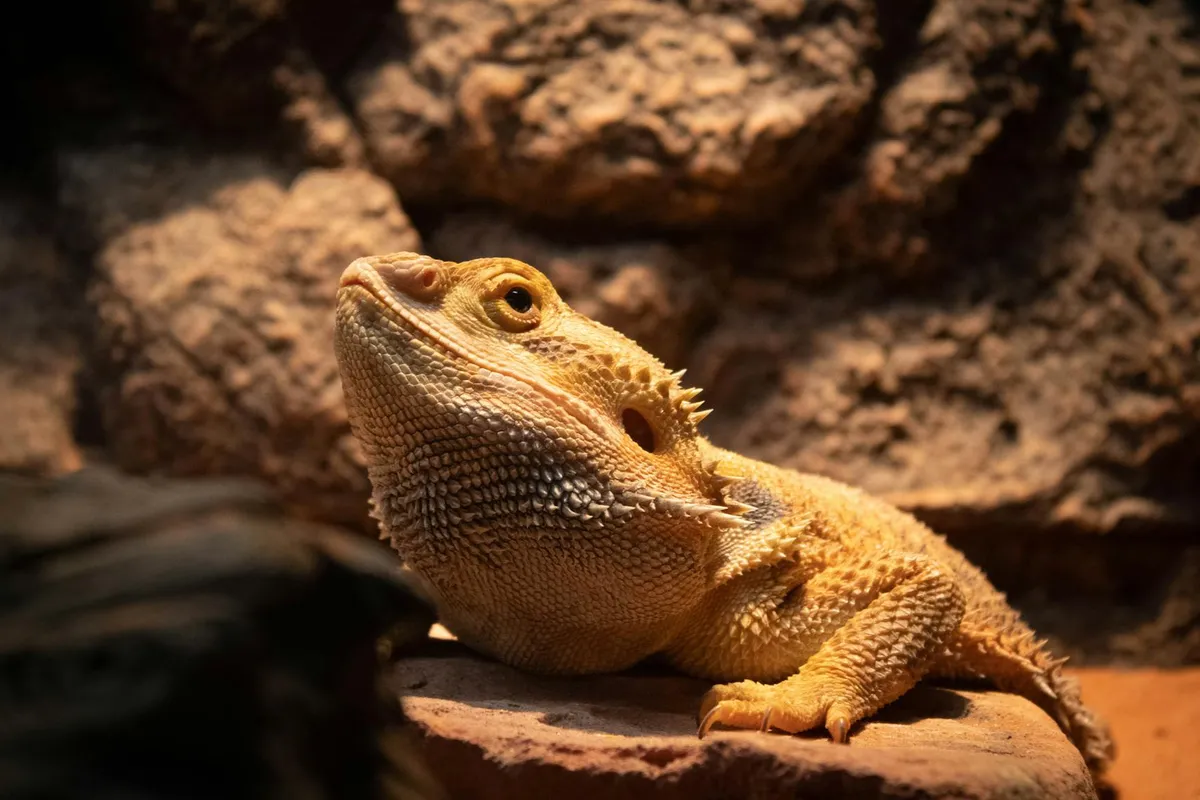
How often and how much cilantro you offer makes all the difference. Sticking to a “treat” mindset keeps your dragon’s diet diverse and prevents any long-term issues. I’ve seen dragons thrive when their owners follow these simple guidelines-it’s all about balance.
Recommended Serving Schedules
- For adult bearded dragons, serve cilantro once a week or even less frequently.
- Juveniles should get it rarely, if at all, since their growing bodies need consistent calcium.
- Overfeeding can sneakily throw off their calcium-to-phosphorus ratio, so moderation is key.
Appropriate Portion Sizes
- Offer just a few small leaves per serving-about the size of your dragon’s eye is a good gauge.
- Adjust based on your pet’s size; smaller dragons get tinier pieces.
- Remember, cilantro should never make up more than 10% of their overall veggie intake.
Recognizing Signs of an Adverse Reaction
While cilantro is generally safe, every dragon is an individual. I always watch my beardies like a hawk for a few hours after giving them a new food, even a safe one like cilantro. Their bodies can sometimes just say “no thanks.” In a complete guide to bearded dragons’ diets, cilantro is listed as a safe option for some dragons. For a balanced menu, refer to the full safe-foods guide.
- Lethargy or unusual lack of movement is a big red flag. If your normally active dragon is just sitting there, uninterested, it’s a sign something is off.
- Keep an eye on their stool during the next few bathroom breaks. Runny, unusually smelly, or discolored poop can signal a digestive upset.
- A loss of appetite for their next regular meal is a clear indicator they didn’t handle the new food well.
- Look for any signs of bloating or discomfort in their belly, which can mean gas or indigestion.
Trust your gut-you know your pet’s normal behavior better than anyone. If you see any of these symptoms, simply stop feeding cilantro and stick to their trusted staple greens. Their system usually bounces back quickly.
Healthy Alternatives to Cilantro for Dietary Variety

If your dragon isn’t a cilantro fan or you just want to mix things up, you have so many wonderful options. Offering a rotating menu is one of the best things you can do for their long-term health and mental enrichment. A bored dragon is a sad sight, and variety keeps mealtime exciting.
In my own kitchen, I maintain a “beardie salad bar” with these go-to greens and herbs. This variety ensures they get a broad spectrum of vitamins and prevents them from getting fixated on a single food.
- Basil: A fragrant herb that my dragons go crazy for. It’s a great source of Vitamin K.
- Dandelion Greens: A absolute powerhouse of nutrition and a staple in my household. Just make sure they’re from a pesticide-free area.
- Collard Greens: Another fantastic, calcium-rich staple green that forms the base of many of my dragons’ salads.
- Mustard Greens: These add a nice peppery kick and are packed with nutrients.
- Parsley: Perfect for occasional use, it’s rich in antioxidants but should be fed in moderation due to its oxalate content.
Think of their diet like a colorful puzzle-each different green adds another important piece. Rotating through 3-4 of these options weekly creates a balanced and far more interesting diet than relying on just one or two foods.
Frequently Asked Questions
Is coriander the same as cilantro for bearded dragons?
Yes, cilantro and coriander are two names for the same plant. The leaves and stems are called cilantro, which is the safe part you can offer to your bearded dragon as an occasional treat. This fits into a larger guide on plants for bearded dragons, covering safe herbs, live plants, and even certain succulents. As with any plant, choose pesticide-free options and feed in moderation.
Can I feed my bearded dragon cilantro every day?
No, you should not feed cilantro to your bearded dragon every day. It is best offered as an occasional treat, no more than once a week, to prevent potential issues with calcium absorption due to its oxalate content. For adults, daily feeding with a balanced mix of greens and proteins is typical, but cilantro should remain a rare treat rather than a regular item.
Do bearded dragons like the taste of cilantro?
This depends on your individual dragon’s preference. Some bearded dragons enjoy the strong, fresh aroma and flavor of cilantro, while others may ignore it. You can offer a small piece to see if your pet likes it. Regarding parsley, including the fresh curly Italian varieties, it’s another herb you can offer in small amounts as part of a varied greens diet. It should be given sparingly and not as a daily staple.
Final Thoughts
So, can your bearded dragon eat cilantro? Absolutely—this leafy green is a safe and hydrating occasional treat. I often add a small handful to my own dragons’ salads for a fresh flavor boost. For a quick reference, consult a bearded dragon leaves guide to learn which greens are safe. Some leaves can be toxic, so it’s wise to confirm varieties before feeding. Just remember it should never become the main event in their food bowl.
The golden rule is variety; rotate cilantro with other nutritious greens like collard and mustard greens. Offering it once or twice a week keeps their diet exciting and balanced without risking the nutrient-binding issues from overfeeding. For bearded dragons, collard and mustard greens are safe, nutrient-rich greens to include in their rotation. This guide helps you feed them safely and maintain a varied greens plan. Your dragon will thank you for the tasty, thoughtful variety!
Further Reading & Sources
- Can Bearded Dragons Eat Cilantro? Staple Veggie vs. Salad Topper – Dragon’s Diet
- Can Bearded Dragons Eat Cilantro » Reptile Nutrition Profile
- Can Bearded Dragons Eat Cilantro? Know TopFlight Dubia’s Take – TopFlight Dubia
Bearded Dragon Lair is the ultimate resource for bearded dragon enthusiasts, offering expert advice and practical tips to ensure the health and happiness of your scaly companion. With years of experience in reptile care, we are dedicated to providing accurate, up-to-date information to support your bearded dragon journey.
Feeding Guidelines