Can Bearded Dragons Eat Onions? A Safety Guide
Published on: January 18, 2026 | Last Updated: January 18, 2026
Written By: Beardie Joe
If you’re holding a piece of onion and wondering if it’s a safe treat for your bearded dragon, you’ve come to the right place for a clear answer.
With years of hands-on experience caring for my own dragons, I’m here to break down the science and share practical advice to keep your pet healthy.
We’ll explore the risks of all onion types, from green to red and spring onions, and I’ll give you a list of safer, healthier food swaps you can use with confidence.
The Short Answer: Are Onions Safe for Your Beardie?
No. Onions are not safe for bearded dragons. You should never intentionally feed any type of onion to your pet.
From my own experience, it’s tempting to share tiny bits of our food, especially colorful veggies. I’ve had my beardies stare at my dinner plate with intense curiosity. But when it comes to anything in the onion family, you must resist that pleading look. The potential for harm is just too high.
Breaking Down the Bulb: Green, Red, and Spring Onions
All members of the Allium genus, which includes all onions, share the same dangerous traits for reptiles. While they look different in our kitchens, their effect on your dragon’s body is similarly risky.
Green Onions (Scallions)
These are the long, green stalks with small white bulbs. Their milder taste might fool you into thinking they’re less potent.
Do not be deceived. Every part of the green onion plant, from the white bulb to the hollow green top, contains the problematic compounds. I’ve seen them marketed as a “healthy garnish,” but for your beardie, they are a garnish of trouble.
Red Onions
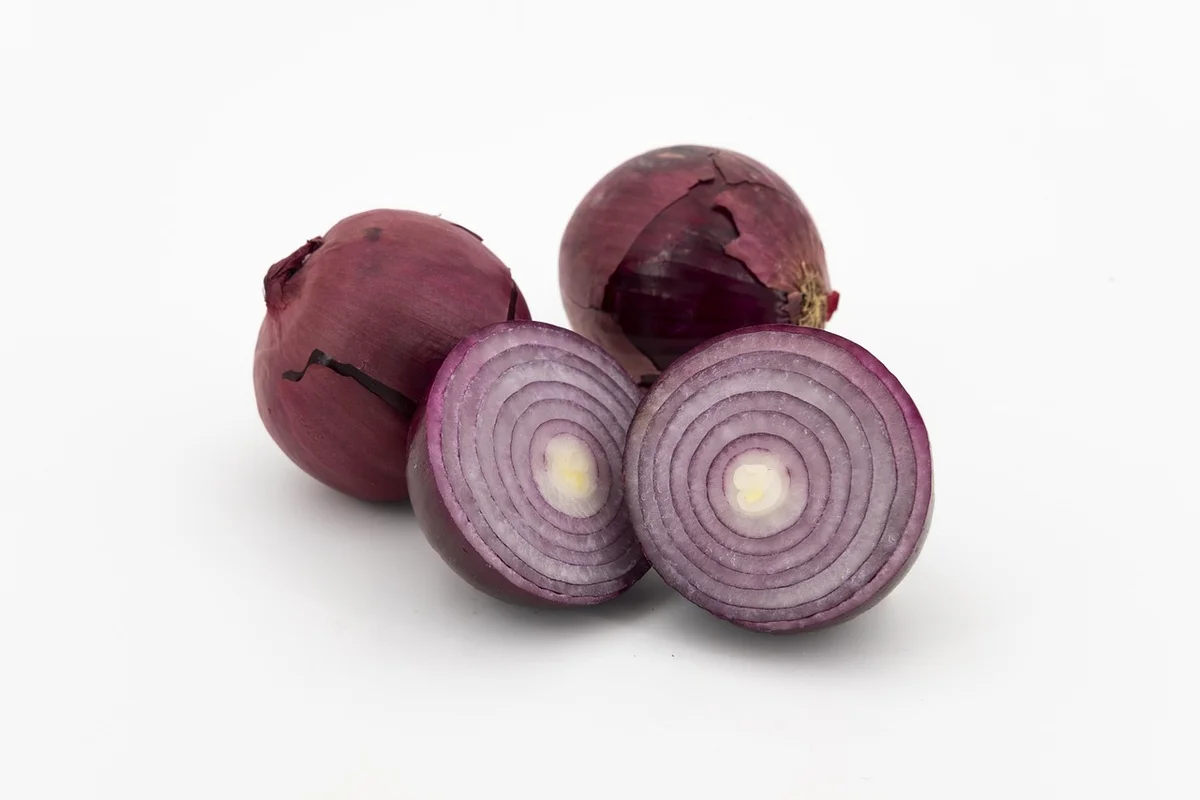
Recognizable by their vibrant purple skin and layers, red onions have a sharper, more pungent flavor.
That strong smell is a direct warning sign. The intense concentration of organosulfur compounds in red onions is particularly harsh on a bearded dragon’s delicate digestive and blood systems. Even a small, accidentally ingested piece can cause issues. Bearded dragon feeding guides mark onions toxic for bearded dragons as a food to avoid. Stick to the safe, recommended foods to keep your pet healthy.
Spring Onions
Spring onions look like a thicker, more developed version of green onions, with a more distinct bulb.
They are often confused with scallions, but they pack the same dangerous punch. Regardless of their name or maturity level, any onion with a developed bulb presents a clear health risk to your pet. My rule is simple: if it smells like an onion, it’s a no-go.
Why Onions Are Dangerous: The Science of Toxicity
The Role of Allium Family Vegetables
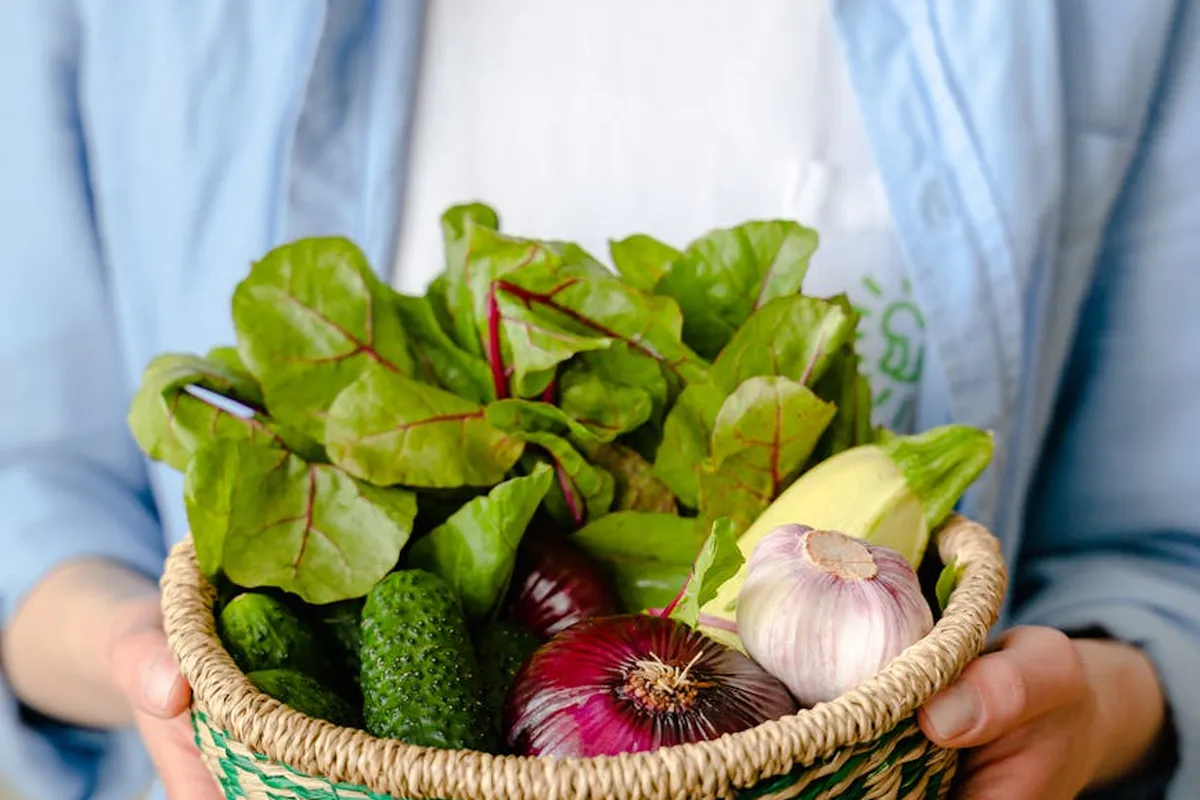
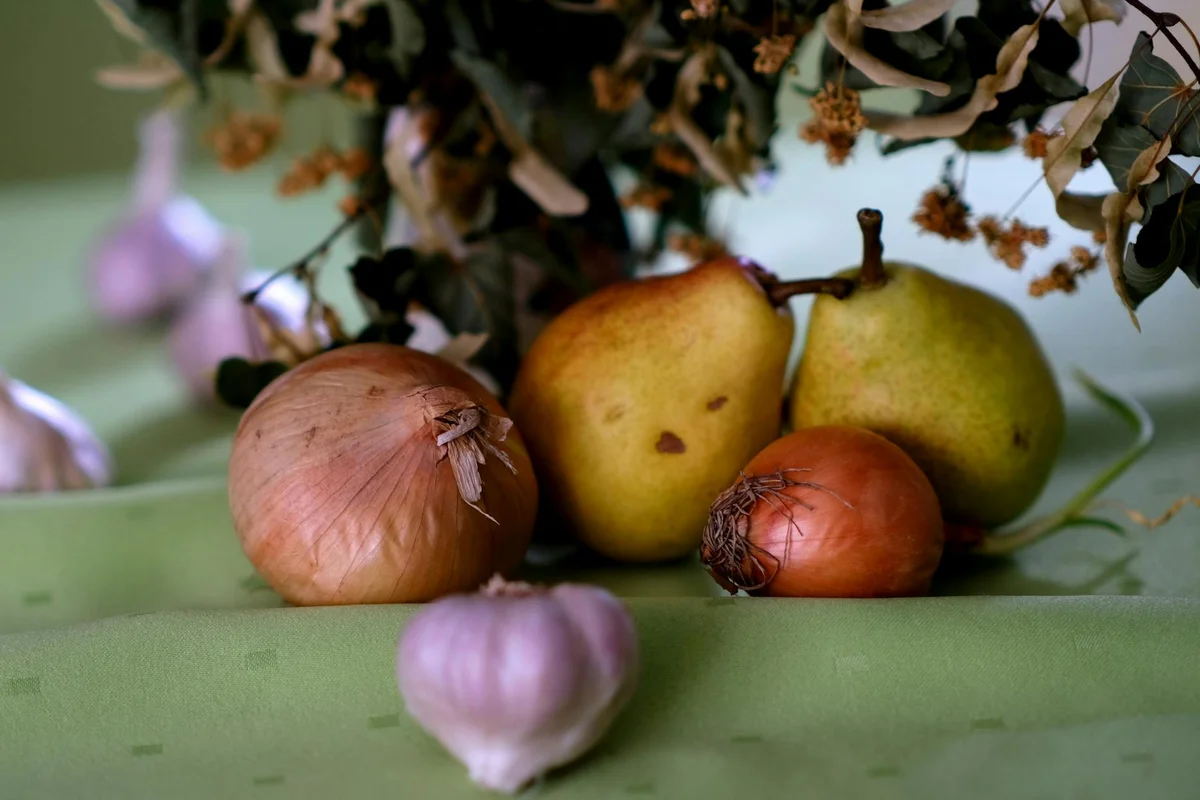
Onions, along with garlic, leeks, and chives, belong to the Allium plant family. These vegetables contain compounds called thiosulphates and N-propyl disulfide, which are perfectly safe for humans but highly toxic to bearded dragons. I learned this the hard way early on when a tiny piece of onion from my salad fell into the tank; the panic I felt was real, and it cemented my commitment to understanding what is safe and toxic for bearded dragons.
Your bearded dragon’s body cannot process these sulfur-based compounds. In their system, these substances cause oxidative damage, leading to the rupture of their red blood cells. This condition is called hemolytic anemia, and it’s as serious as it sounds. If your bearded dragon is experiencing lethargy warning signs, that’s a common concern for owners and should prompt a vet visit to check for anemia or other health issues. Lethargy can be a sign of blood-related problems, so getting a professional evaluation is important.
The toxicity isn’t reduced by cooking, chopping, or dehydrating the onion. Whether it’s raw, cooked, or powdered, every form of onion introduces the same dangerous compounds into your pet’s delicate system. Think of it like chocolate for dogs-no amount is a safe amount.
Recognizing the Signs of Onion Poisoning
If you suspect your bearded dragon has ingested any part of an onion, even a tiny piece, you need to watch them like a hawk. Symptoms can sometimes be delayed, so vigilance is key for the next 24-48 hours. If your bearded dragon won’t eat after this exposure, that’s a sign you should act. Do something about it by monitoring for symptoms, keeping them hydrated, and contacting a reptile veterinarian for tailored guidance.
- Lethargy and profound weakness; they may not want to move or hold their head up.
- Loss of appetite or refusing their favorite insects entirely.
- Pale gums or a strangely pale tongue, indicating anemia.
- Labored breathing or panting, as their body struggles for oxygen.
- Discolored urates (the white part of their poop) that may turn red or orange.
- Swelling in the abdominal area.
Seeing any one of these signs after a potential onion exposure means it’s time to act, not wait. The damage being done internally is often invisible until it becomes severe.
Immediate Emergency Steps
Your quick action can make a significant difference in the outcome. Stay calm and follow these steps.
- Immediately remove any remaining onion or food from their enclosure.
- Provide fresh, clean water in a shallow dish to help flush their system, but do not force them to drink.
- Contact your exotic veterinarian or an emergency animal clinic right away. Tell them exactly what happened, what was ingested, and how much you think they ate.
- Do not try to induce vomiting or give any home remedies; you could cause more harm.
- Keep your dragon warm and in a quiet, stress-free environment while you prepare to transport them to the vet.
Be prepared to tell the vet your dragon’s age, weight, and the approximate time of ingestion. This information helps them determine the best course of treatment, which may include fluids or specific medications. From my experience, having a reptile vet’s number saved in your phone is one of the best things you can do for your pet’s safety.
Safe and Nutritious Alternatives to Onions
Since onions are completely off the menu, you have a whole world of fantastic, safe foods for bearded dragons to offer instead. I always find that focusing on what you *can* feed your dragon is far more exciting than worrying about what you can’t. This is part of a complete guide to safe foods for bearded dragons. You’ll see practical tips on what to feed and how to prepare it. My own beardies get visibly excited when they see me prepping their salad bowl with these favorites.
Top Picks for Daily Greens
These leafy greens are the cornerstone of a healthy salad and can be offered regularly. They provide essential vitamins and hydration.
- Collard Greens: A superstar in my kitchen, these are packed with calcium and are a consistent hit.
- Mustard Greens: Another excellent, nutrient-dense choice that adds variety.
- Dandelion Greens: Don’t just pull them from your yard (unless it’s pesticide-free!), but store-bought or home-grown ones are fantastic.
- Endive / Escarole: These are mild and very well-tolerated by most bearded dragons.
- Turnip Greens: A great source of calcium and vitamin A for healthy eyes and skin.
Excellent Vegetable Options
Mix these in with your greens to create a colorful and enticing salad that provides a range of textures and nutrients.
- Butternut Squash: Grated raw squash is a favorite for its sweetness and high vitamin A content.
- Bell Peppers: All colors are safe! They are crunchy, hydrating, and full of vitamin C.
- Zucchini & Yellow Squash: These are mild, soft, and easy for them to eat and digest.
- Snap Peas: A fun, crunchy treat my dragons love to chomp on.
- Carrots: Offer these grated and only occasionally, as they are high in vitamin A.
Building a Balanced Bearded Dragon Diet
Getting the right mix of foods is the secret to a thriving dragon. Their needs change dramatically as they grow from a speedy juvenile into a majestic adult.
The most critical rule to remember is the insect-to-salad ratio, which flips as your dragon ages. A baby is a little hunter, while an adult is primarily a forager. For babies, feed small, frequent meals with more insects. A complete feeding guide by age will tell you exactly how much to offer as they grow.
- Juveniles (Under 18 months): Their diet should be about 80% live insects and 20% fresh vegetables. They need all that protein for rapid growth!
- Adults (Over 18 months): This shifts to about 20% insects and 80% fresh salads. This prevents obesity and supports long-term organ health.
I stick to a simple feeding schedule with my crew. I offer a fresh salad every single morning. This mimics their natural behavior of basking and then foraging for food. Live insects are given in the afternoon, typically 3-4 times a week for my adults. To make this a complete feeding schedule for a bearded dragon, you’d balance greens with properly sized insects and regulate feeding frequency by age. Juveniles typically eat more insects daily, while adults do best with greens most days and fewer insect feedings.
Never, ever forget the power of supplementation. Even the most perfect diet needs a little boost.
- Calcium Powder: I dust almost every insect feeding with a calcium powder that contains Vitamin D3. This is non-negotiable for strong bones and preventing Metabolic Bone Disease.
- Multivitamin Powder: I use a good reptile multivitamin powder once or twice a week, dusted on their salads or insects. This fills in any nutritional gaps.
Frequently Asked Questions
Can bearded dragons eat green onions?
No, green onions are unsafe for bearded dragons as they contain toxic compounds that can harm their digestive and blood systems, just like other onion varieties. This is part of the greens section of the complete safe/unsafe list for bearded dragons.
Is it safe for bearded dragons to consume red onions?
No, red onions are particularly hazardous due to their high concentration of organosulfur compounds, and even a tiny piece can lead to serious health issues like anemia.
What should I do if my bearded dragon eats spring onions?
If ingestion occurs, immediately remove any remaining onion, provide fresh water, and contact a veterinarian for guidance, as prompt action is crucial to address potential poisoning.
The Bottom Line
After years of caring for my own dragons and researching their needs, the answer is a definitive no. You should never feed your bearded dragon any type of onion, including green, red, or spring onions. They contain compounds that are toxic to reptiles and can cause serious, lasting damage to their red blood cells. For a complete feeding guide on what vegetables bearded dragons can safely eat, see Bearded Dragons Eat Vegetables: A Complete Feeding Guide. That resource covers safe veggie options, portion sizes, and how to balance greens with other foods.
Stick to the wide variety of vet-approved greens and vegetables that are known to be safe and nutritious. Your dragon’s vibrant health and longevity are far more valuable than the risk of feeding them the wrong food. When in doubt, always choose a safer option from their regular menu. For quick reference, here’s our ultimate safe foods list of fruits and vegetables bearded dragons can eat. Use it to confidently diversify their diet.
Further Reading & Sources
- Can Bearded Dragons Eat Onions? Our Vet Approved Advice | Hepper Pet Resources
- Can Bearded Dragons Eat Onions? Green Onion, Leeks & More – Dragon’s Diet
- r/BeardedDragons on Reddit: Bearded Dragons vegetables smell like onion is it still okay to feed them?
Bearded Dragon Lair is the ultimate resource for bearded dragon enthusiasts, offering expert advice and practical tips to ensure the health and happiness of your scaly companion. With years of experience in reptile care, we are dedicated to providing accurate, up-to-date information to support your bearded dragon journey.
Feeding Guidelines